Frozen
"Sisterhood is the ultimate act of true love."
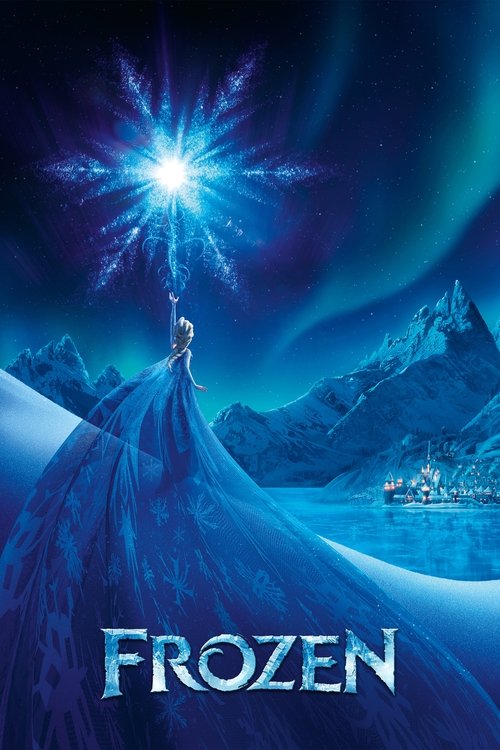
In the early 2010s, Walt Disney Animation Studios was suffering from a bit of an identity crisis. They were caught between the hand-drawn legacy of the 90s Renaissance and the plastic, hyper-energetic sheen of the burgeoning CGI era. Then came Frozen, a film that didn’t just break the ice—it shattered the entire studio’s glass ceiling. It arrived with the force of a sub-zero gale, reminding everyone that the Mouse House could still dominate the cultural conversation if it just stopped trying to be Pixar and started being a better version of itself.
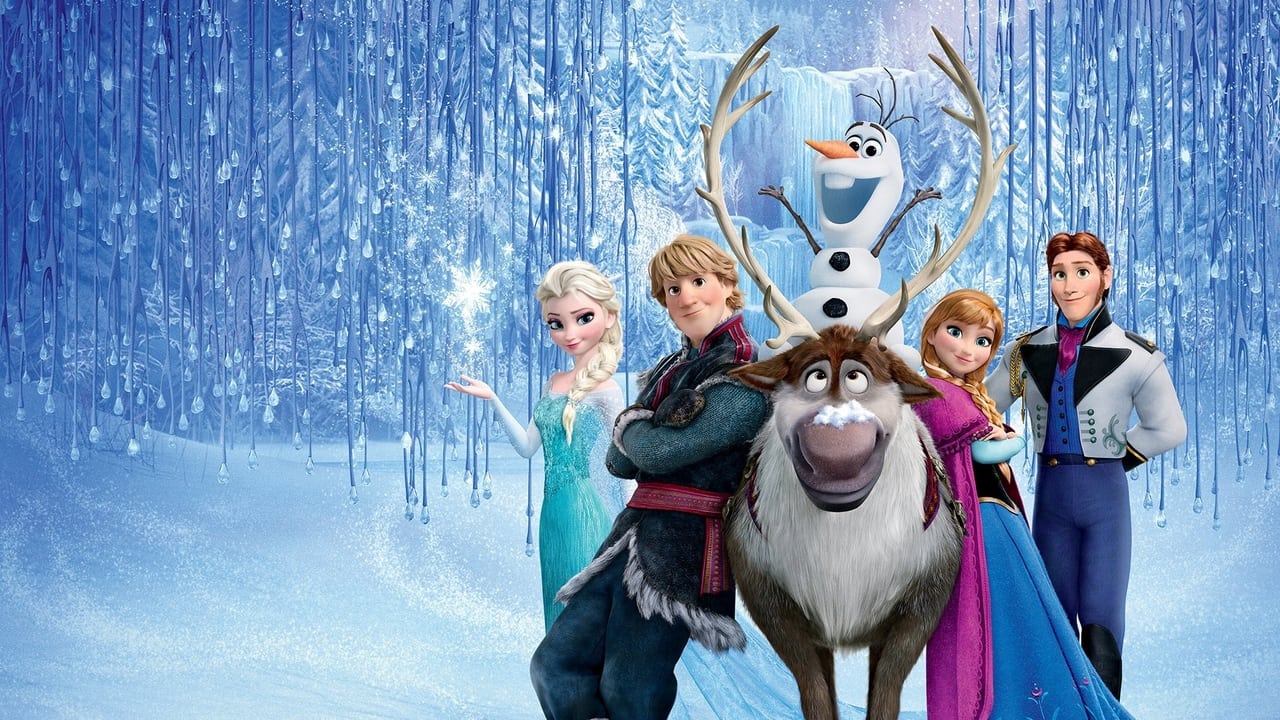
I watched this for the first time on a laptop with a cracked screen while eating a lukewarm grilled cheese, and even then, the ice palace sequence looked spectacular. It’s a film that manages to feel like a classic Broadway production that just happens to be rendered in millions of high-definition pixels.
The Subversion of the Tiara
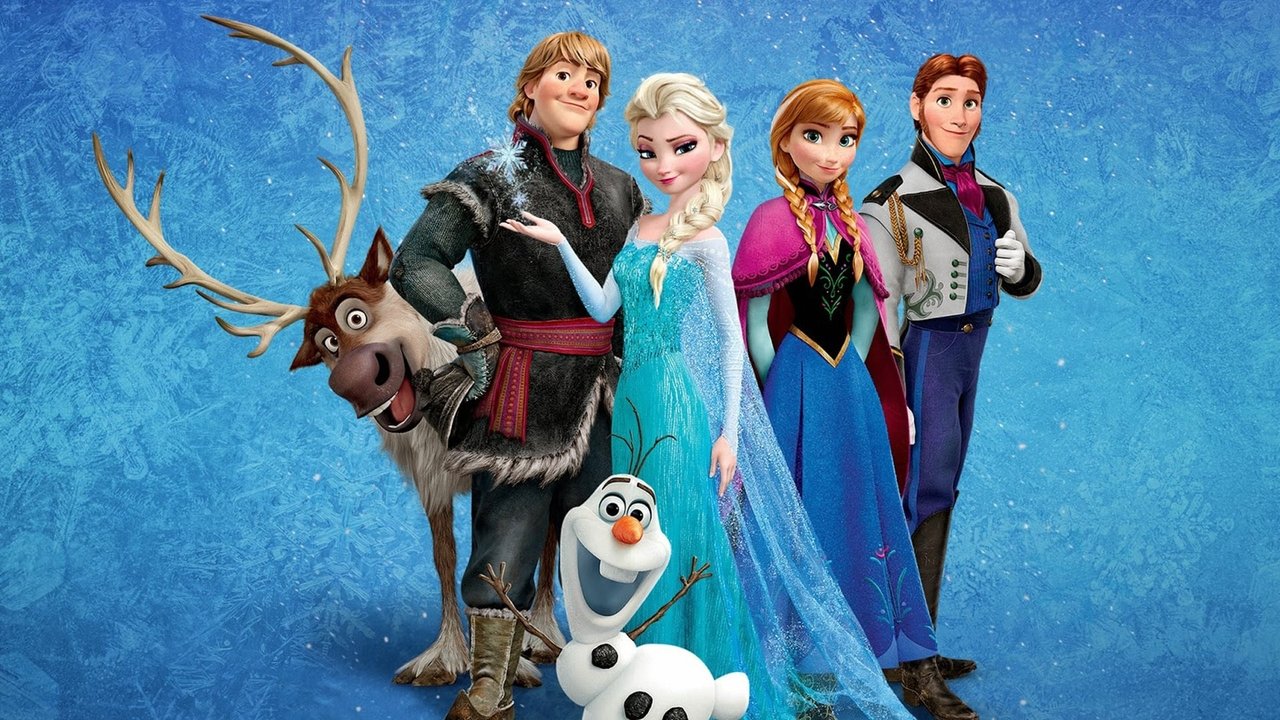
The most striking thing about Frozen isn’t the singing snowman or the reindeer—it’s the way it weaponizes our expectations of a "Princess Movie." For decades, the formula was set in stone: girl meets boy, girl loses boy, true love’s kiss saves the day. By the time Kristen Bell’s Anna starts singing about "The First Time in Forever," we think we know where this is going. She meets Santino Fontana’s Prince Hans, and they have an adorkable duet. It’s classic Disney.
But the film’s real heart belongs to the friction between Anna and her sister Elsa, voiced with powerhouse precision by Idina Menzel. The "adventure" here isn’t just a trek across a frozen wasteland; it’s an emotional excavation of a fractured family. When the "True Love’s Kiss" trope finally arrives in the third act, the film pulls the rug out from under us in a way that felt genuinely radical in 2013. The trolls are the actual villains of the movie for kidnapping a child and then trying to force a wedding, but their narrative distraction almost makes the eventual twist regarding Elsa and Anna's bond hit even harder. It’s a story where the "knight in shining armor" is replaced by a sister in a sensible travel cloak.
A Technical Blizzard
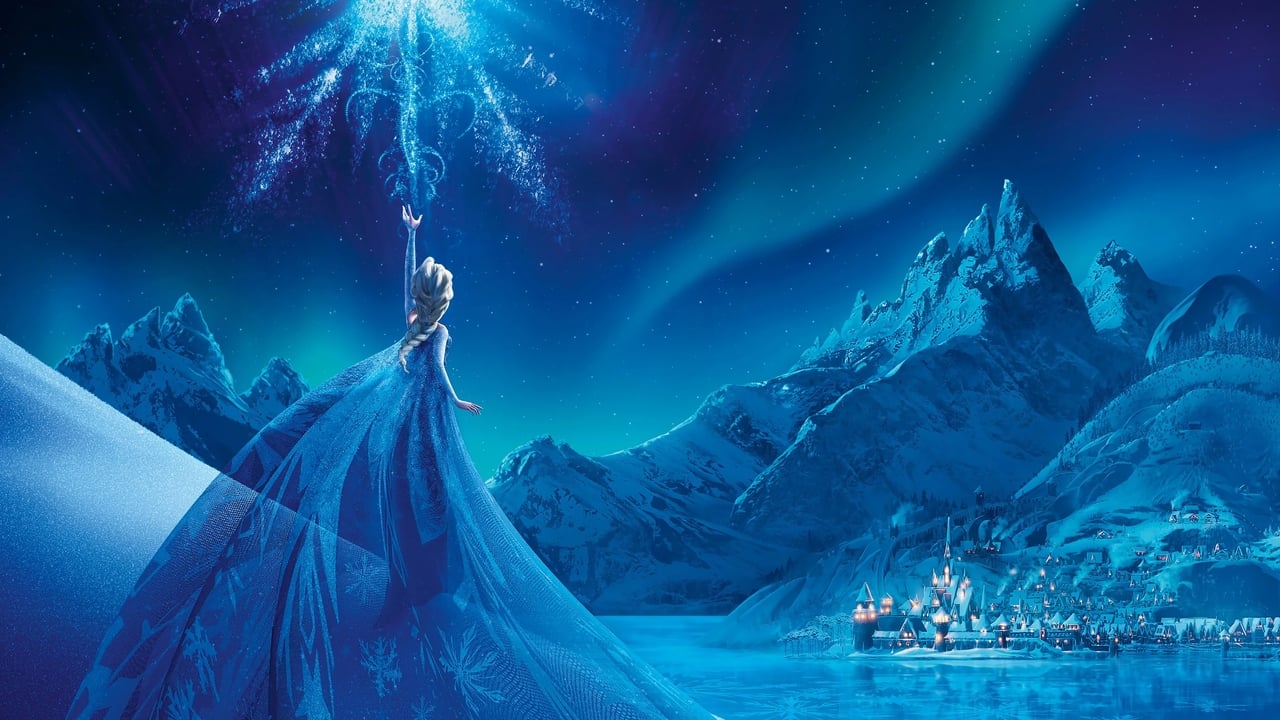
Looking back from a decade later, it’s easy to forget how much of a leap the animation was. Disney’s tech team actually traveled to Norway to study snow, and they developed a software called Matterhorn to simulate how different types of powder behave. You can see it when Anna trudges through waist-deep drifts; it doesn't just look like white mush, it has weight, sparkle, and physics.
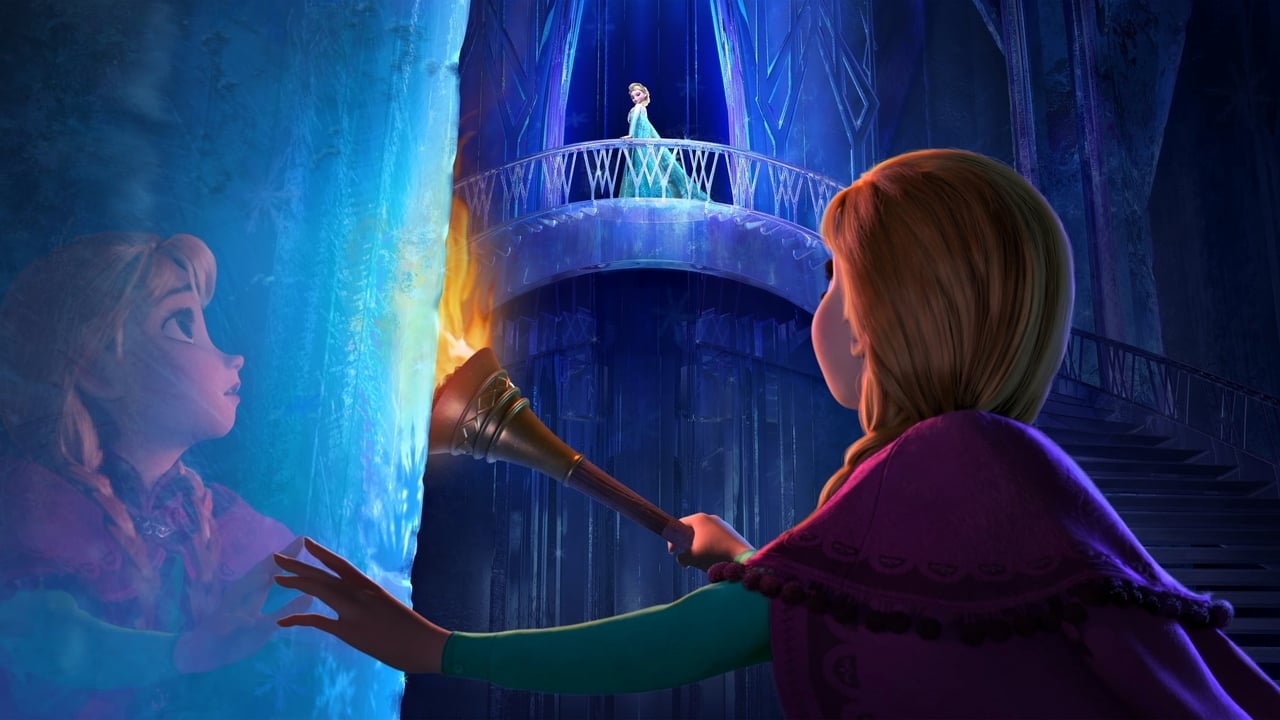
The production design by Michael Giaimo leans heavily into rosemaling, the traditional Norwegian folk art, giving the world of Arendelle a textured, handcrafted feel that distinguishes it from the more generic "fantasy" looks of the era. This was the pinnacle of the "Modern Cinema" transition—where the digital tools finally became sophisticated enough to mimic the warmth of the physical world. The ice palace sequence, set to the inescapable "Let It Go," remains a masterclass in lighting and geometry. It’s a moment where CGI stopped being a gimmick and started being pure, unadulterated expressionism.
The Song That Ate the World
We have to talk about the music. Kristen Anderson-Lopez and Robert Lopez didn't just write a soundtrack; they wrote a cultural contagion. By the time the film hit DVD and early streaming platforms, "Let It Go" was being hummed by grandfathers and toddlers alike. It’s a fascinating song because it’s actually a "villain song" masquerading as an empowerment anthem—Elsa is essentially giving up on her responsibilities—but Menzel’s vocals are so soaring that it didn't matter.
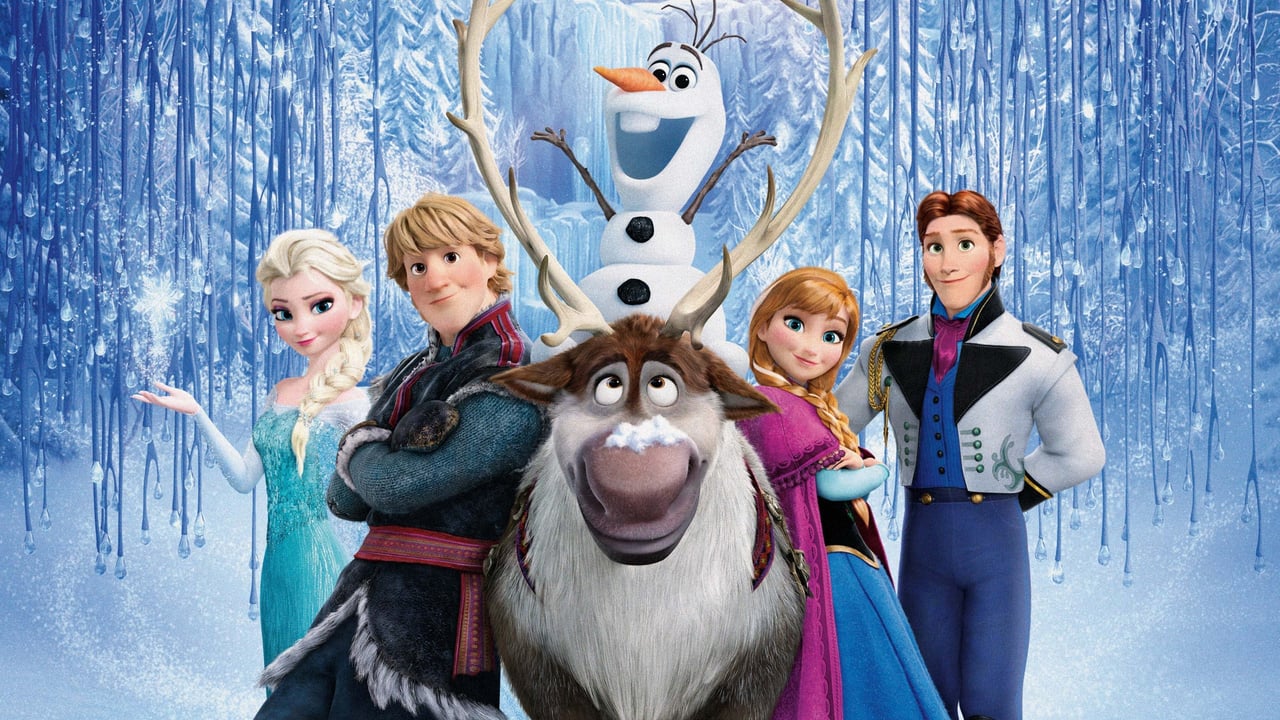
The film’s financial footprint is almost hard to wrap your head around. With a budget of $150 million, it went on to gross over $1.27 billion. It wasn't just a movie; it was an economic event. At one point in 2014, the demand for Elsa dresses was so high that they were selling for hundreds of dollars on eBay, and Disney had to limit sales at their stores. This was the moment the "Franchise Mentality" of the 2010s truly solidified. Disney realized that if they hit the right emotional notes, they didn't just get a box office win; they got a decade of theme park attractions, Broadway shows, and endless sequels.
Despite the over-saturation and the fact that we’ve all heard "Do You Want to Build a Snowman?" one too many times, the core of Frozen remains incredibly solid. Jonathan Groff’s Kristoff provides a wonderful, grounded foil to the high-stakes magic, and Josh Gad’s Olaf manages to be the rare "annoying sidekick" who actually brings genuine pathos to the story. It’s a film about the fear of being yourself and the bravery it takes to let people in.
Frozen succeeded because it respected its audience enough to play with the rules. It gave us the spectacle of a blockbuster adventure but kept the focus on a messy, complicated relationship between two sisters. It’s a bright spot in the 2010s animation landscape that proves you can be a global phenomenon without losing your soul in the process.
Keep Exploring...
-
Frozen II
2019
-
Tarzan
1999
-

Frozen Fever
2015
-
Horton Hears a Who!
2008
-
How to Train Your Dragon
2010
-
Shrek Forever After
2010
-

Puss in Boots
2011
-
How to Train Your Dragon 2
2014
-
The Lego Movie
2014
-
Shrek
2001
-
Shrek 2
2004
-

Aladdin
1992
-

The SpongeBob SquarePants Movie
2004
-
Brave
2012
-
Rise of the Guardians
2012
-
Wreck-It Ralph
2012
-
Epic
2013
-
Big Hero 6
2014
-
The Book of Life
2014
-
Pokémon: The First Movie
1998