Fruitvale Station
"The most ordinary days leave the deepest scars."
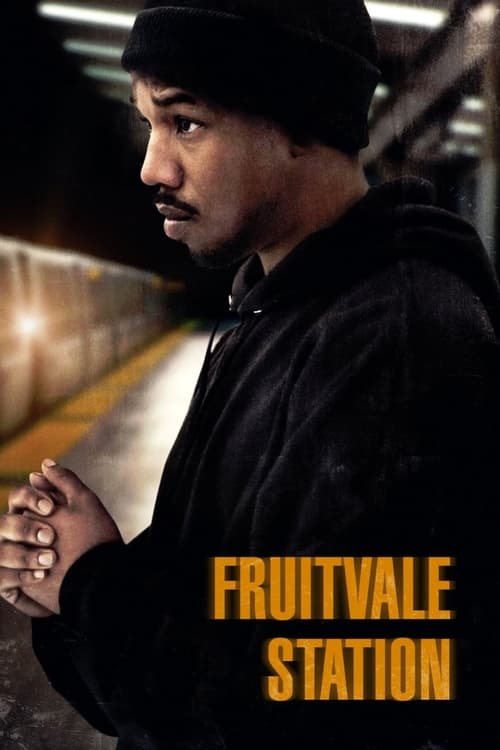
I remember watching Fruitvale Station for the first time while sitting in a horribly squeaky IKEA desk chair that groaned every time I leaned forward. By the time the credits rolled, I hadn't moved an inch, and the silence in my room felt heavy enough to choke on. It’s one of those rare cinematic experiences that doesn't just ask for your attention—it hijacks your nervous system.
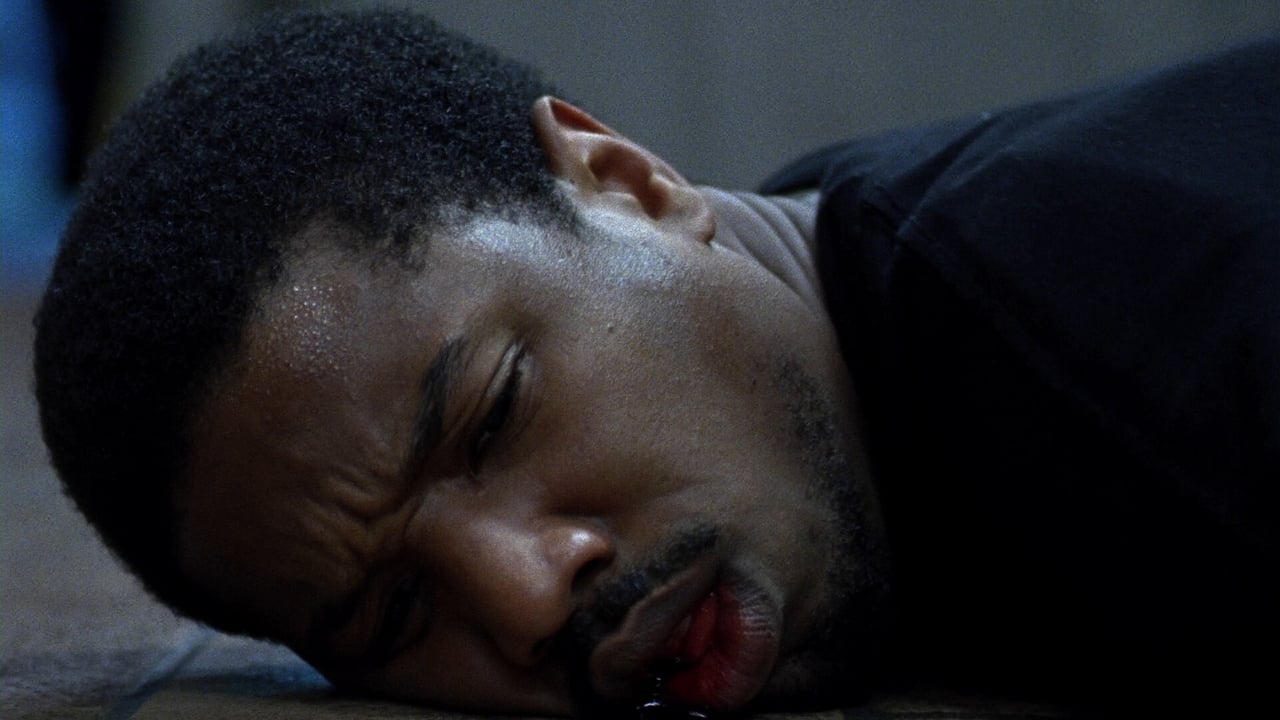
Released in 2013, this was the "big bang" moment for the partnership between director Ryan Coogler and actor Michael B. Jordan. Before they were redefining the superhero genre with Black Panther or revitalizing boxing tropes in Creed, they were two young artists from the Bay Area trying to tell a story that felt like a localized wound. It’s a film that sits perfectly in that transition era of cinema, where digital cameras were becoming the norm, but Coogler chose to shoot on Super 16mm film to give the image a gritty, home-movie texture that feels impossibly intimate.
The Art of the Mundane
The genius of the screenplay isn't in some grand, sweeping political statement. Instead, it’s a hyper-focused character study of the last 24 hours in the life of Oscar Grant. We see Oscar trying to be a better boyfriend to Sophina (Melonie Diaz), a better son to Wanda (Octavia Spencer), and a better father to his daughter. He’s not a saint; he’s a guy who has made mistakes, who has a temper, and who is desperately trying to navigate the "hustle" of Oakland life.
Michael B. Jordan delivers a performance so lived-in that it’s easy to forget he’s "acting." He captures that specific brand of youthful charisma that masks a deep-seated anxiety about the future. Watching him help a stranger at a grocery store or play with his daughter on the floor, you aren't thinking about the headlines from 2009. You’re just hanging out with a guy you probably know. If you don’t feel like your chest is being sat on by a literal elephant during the final twenty minutes, you might actually be a robot.
Making a Million Look Like a Masterpiece
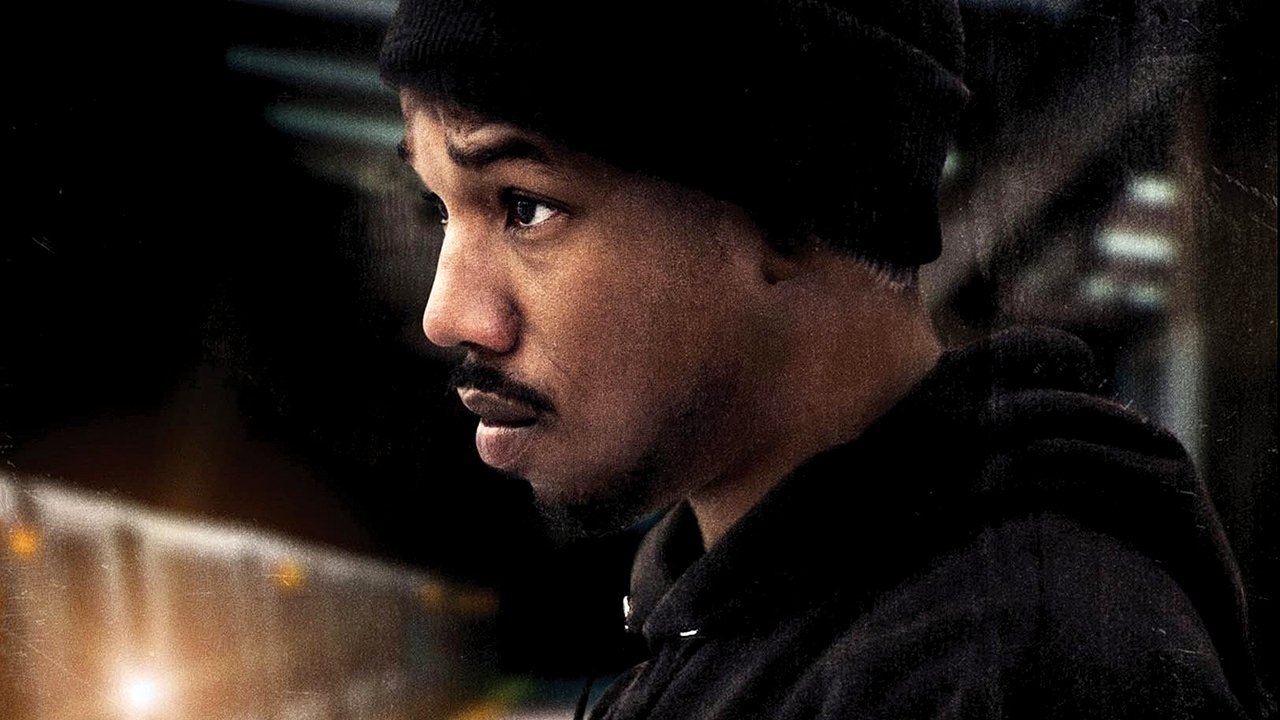
From a production standpoint, Fruitvale Station is the ultimate poster child for indie resourcefulness. Produced by Forest Whitaker (the legend behind The Last King of Scotland), the film was shot on a shoestring budget of roughly $900,000. In Hollywood terms, that’s basically the catering budget for a single week on a Marvel set.
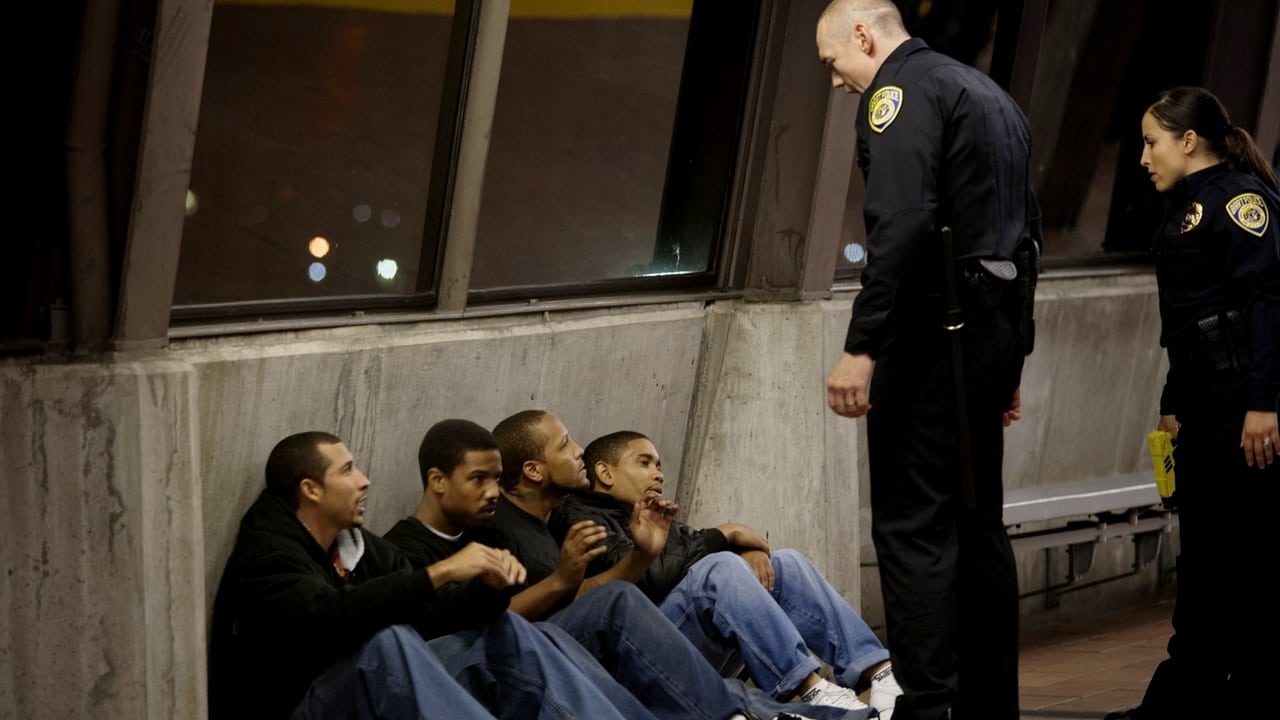
The crew had to move fast—they shot the entire movie in just 20 days. To save money and add authenticity, they filmed at the actual Fruitvale BART station where the events took place, working through the night during the few hours the trains weren't running. You can feel that pressure in the cinematography by Rachel Morrison (who later became the first woman nominated for an Oscar in cinematography for Mudbound). The camera is often handheld, hovering just over Oscar’s shoulder, making us feel like an uninvited ghost haunting his final day. This movie proves that a $900k budget and a clear vision will beat a $200 million blockbuster with a committee-written script every single time.
A Snapshot of a Changing World
Looking back from over a decade later, the film feels like a time capsule. It captures the early 2010s perfectly—the chunky cell phones, the specific fashion of the Bay Area, and the dawn of the "viral video" era. The movie actually opens with the real-life grainy cell phone footage of the incident at the station. In 2013, this was a relatively new phenomenon; today, it’s our daily reality.
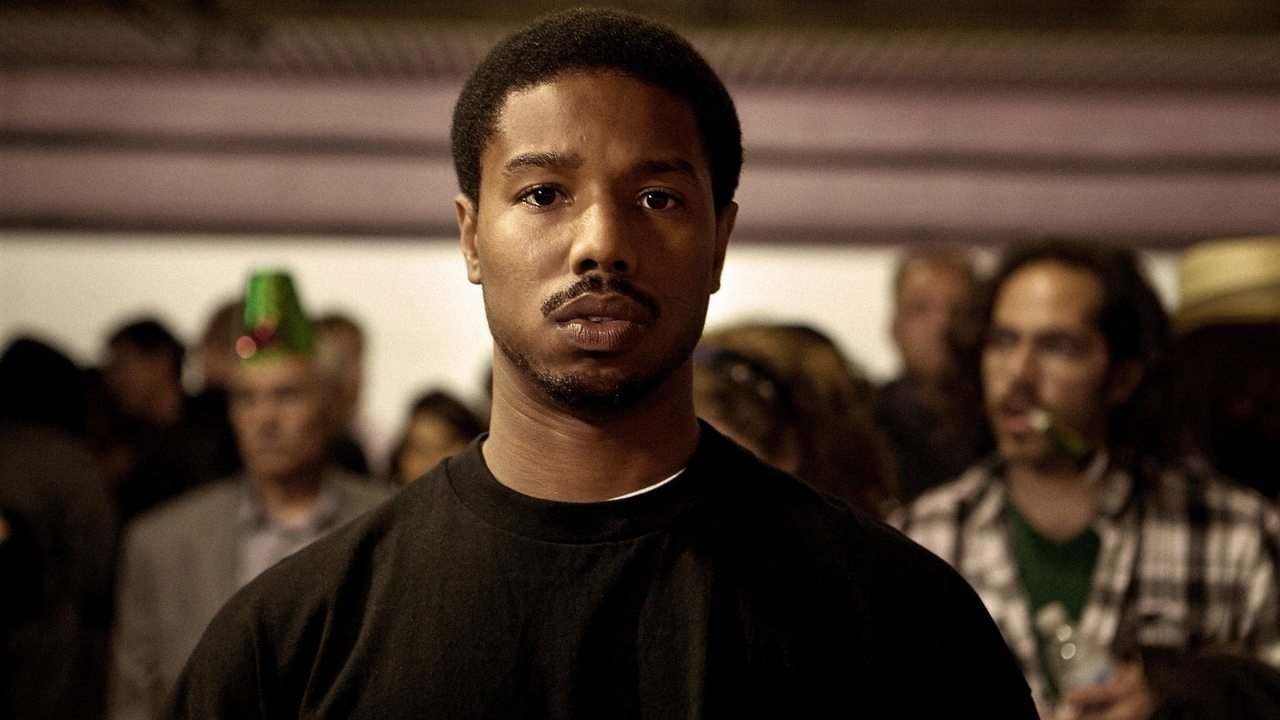
The score by Ludwig Göransson (who would go on to win Oscars for Oppenheimer and Black Panther) is hauntingly understated. He uses ambient sounds—the screech of train brakes, the muffled roar of the city—and weaves them into a low-thrumming electronic pulse. It keeps you on edge even during the "happy" scenes because the film never lets you forget the ticking clock. It’s a masterclass in how to use sound to build dread without being manipulative.
The supporting cast deserves their flowers, too. Octavia Spencer, fresh off her Oscar win for The Help, brings a quiet, devastating dignity to the role of Oscar’s mother. There is a scene in the hospital toward the end where she doesn't even have to speak; her face tells the entire history of a mother’s worst nightmare. It’s a reminder that drama doesn't need to be loud to be powerful.
Fruitvale Station isn't an easy watch, but it is an essential one. It avoids the trap of turning Oscar Grant into a flawless martyr, choosing instead to show him as a flawed, breathing human being. By the time the sun rises on New Year’s Day, you aren't just mourning a statistic; you’re mourning a person you feel like you spent the day with. It’s a landmark of independent cinema that launched two of the biggest careers in modern Hollywood, and it remains just as shattering today as it was on the night I broke my IKEA chair.
Keep Exploring...
-
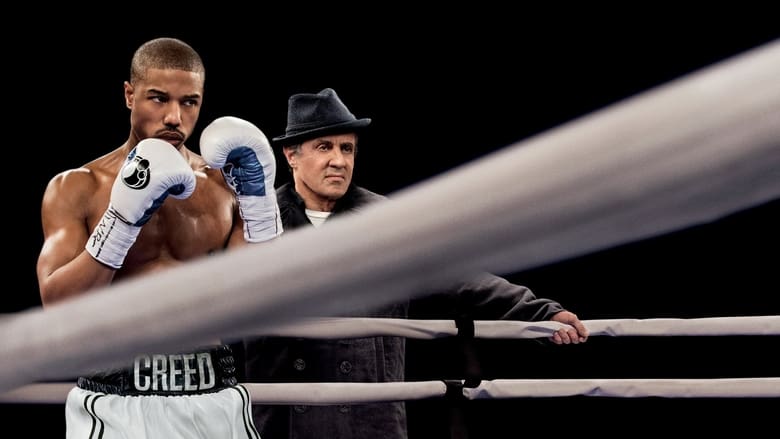
Creed
2015
-
Felon
2008
-

Blood and Bone
2009
-
Blue Valentine
2010
-

Super
2010
-
The Kids Are All Right
2010
-
Undisputed III: Redemption
2010
-
Winter's Bone
2010
-
Beginners
2011
-
Margin Call
2011
-
Beasts of the Southern Wild
2012
-

Robot & Frank
2012
-
The First Time
2012
-
Before Midnight
2013
-

Short Term 12
2013
-

The Kings of Summer
2013
-
The Spectacular Now
2013
-
The Way Way Back
2013
-

Boyhood
2014
-
Camp X-Ray
2014