Gangster Squad
"Justice doesn't wear a badge; it wears a fedora."
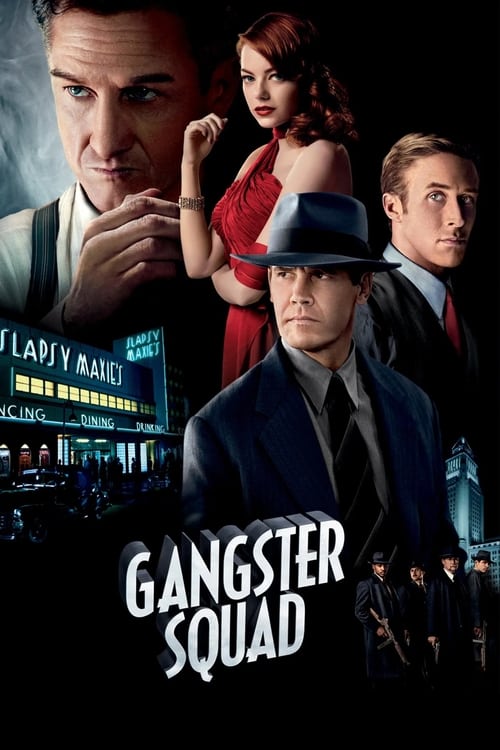
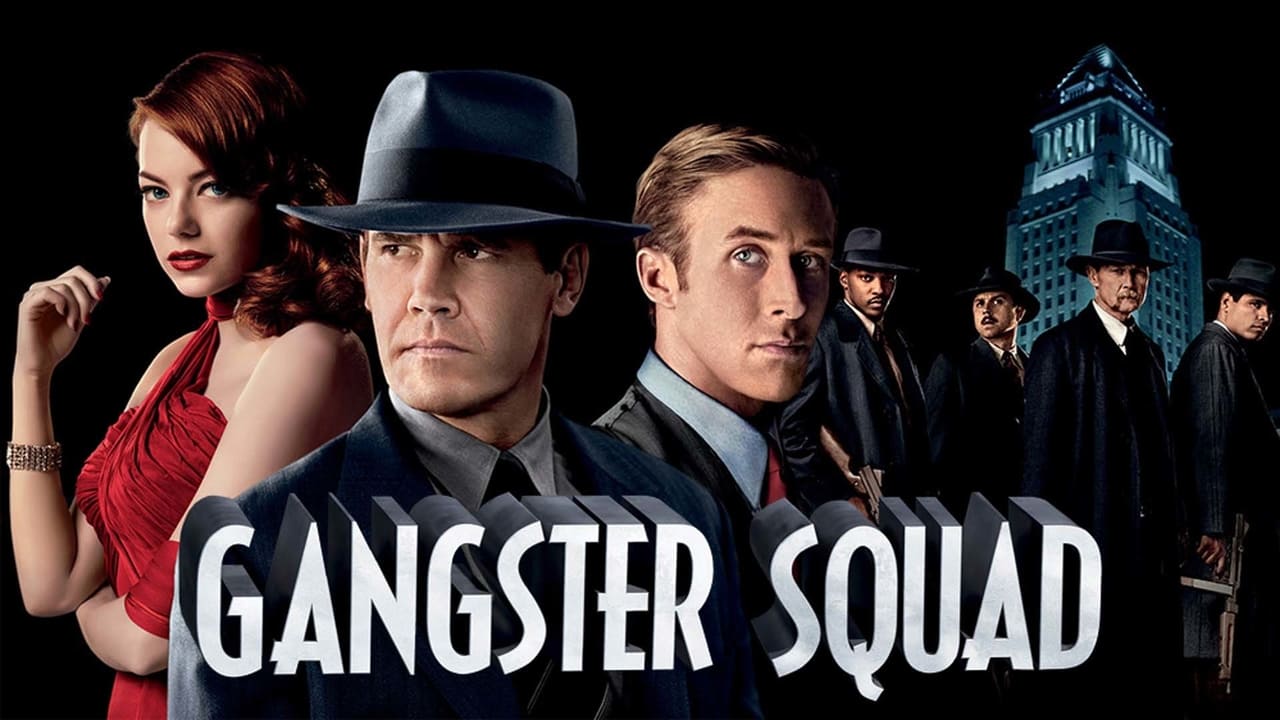
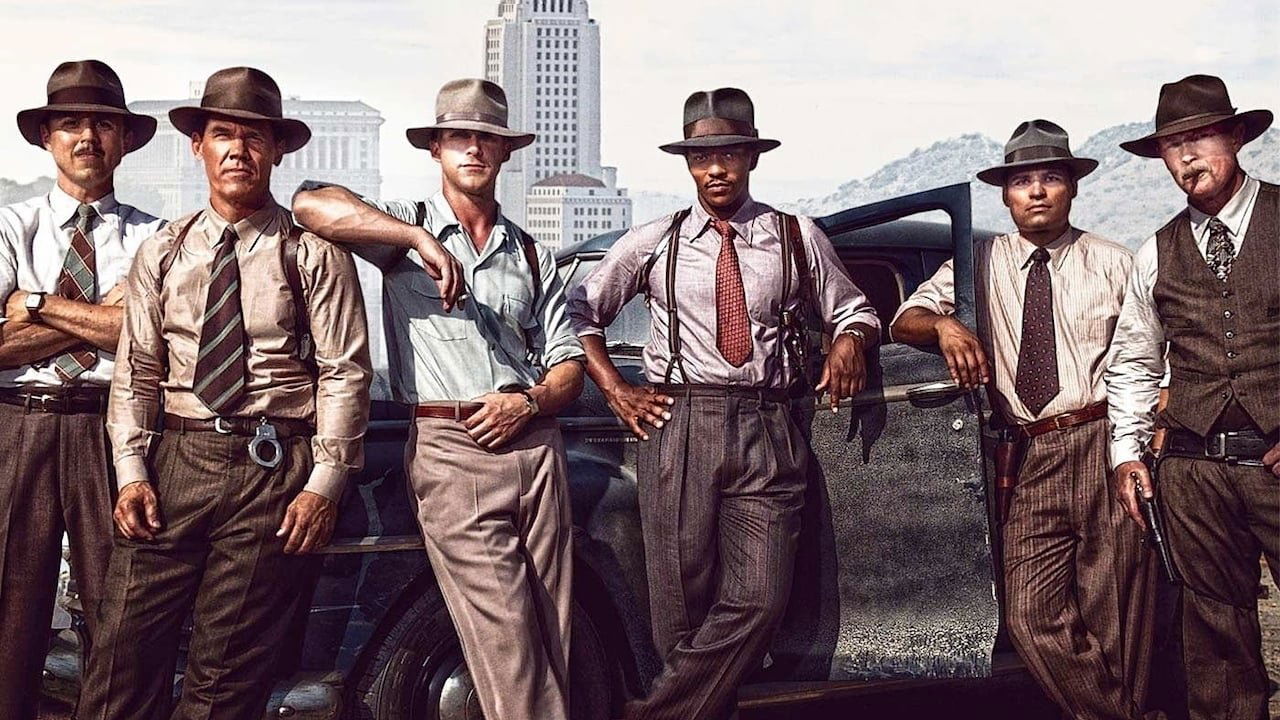
If you took a 1940s comic book, dipped it in neon paint, and fed it a steady diet of action movie tropes from the early 2000s, you’d get Gangster Squad. It’s a film that looks like it was shot through a filter of expensive scotch and cigar smoke, but the digital crispness reminds you exactly when it was made. By 2013, the "Modern Noir" was trying to find its footing between the gritty realism of the Dark Knight era and the stylized hyper-reality of 300. This movie doesn't just walk that line; it sprints across it while firing a Tommy gun in each hand.
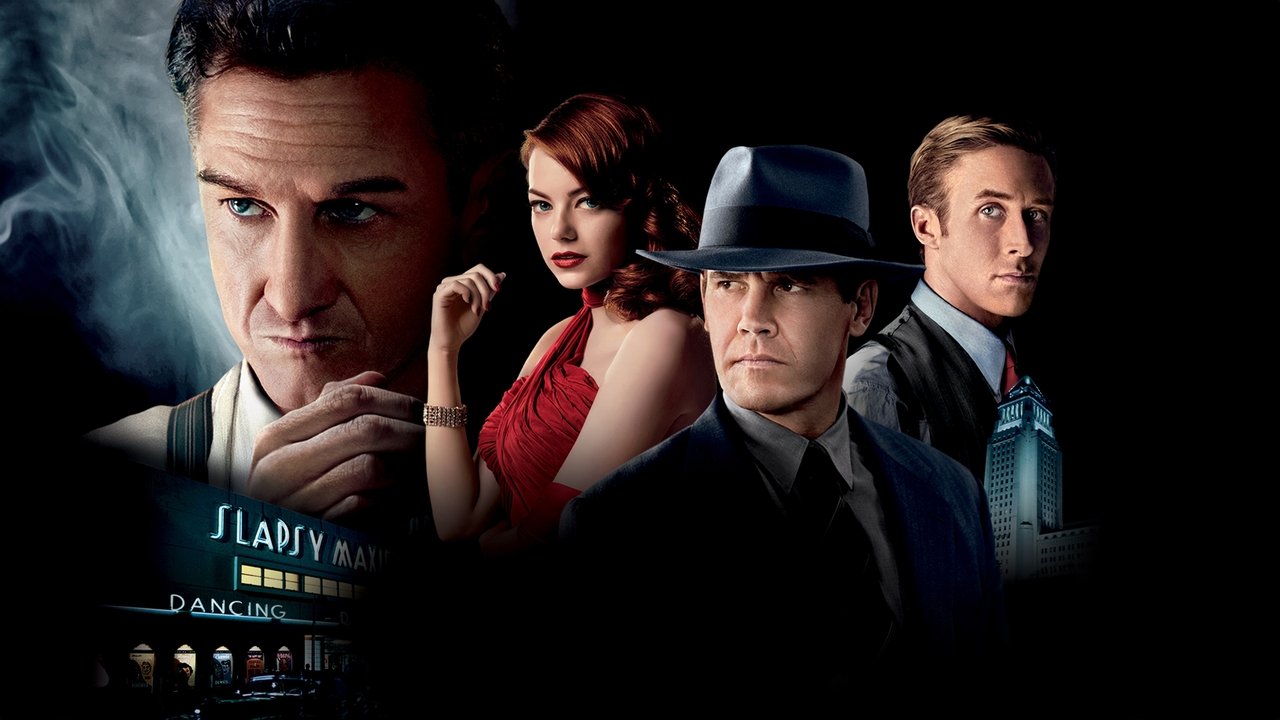
I watched this recently on a Tuesday afternoon while my neighbor was power-washing his driveway, and the rhythmic thrum of the water actually synced up perfectly with the staccato rhythm of the shootout sequences. It made the whole experience feel strangely immersive, like 4D cinema for the budget-conscious.
The Scenery-Chewing Champion
At the center of this stylish chaos is Sean Penn, playing mob kingpin Mickey Cohen. Penn isn't just playing a villain; he’s playing a man who seems to be trying to eat the very air around him. With a face layered in prosthetics that make him look like a disgruntled bulldog made of granite, he snarles his way through every scene. It’s the kind of performance that critics usually scoff at for being "too much," but for a cult favorite, it’s exactly the right amount of "too much."
Opposing him is Josh Brolin as John O’Mara, a man whose moral compass is so rigid it’s a wonder he can bend his knees. Brolin (who previously channeled that same gruff stoicism in No Country for Old Men) is the perfect foil for Penn. While Penn is exploding, Brolin is imploding. Then you have Ryan Gosling as Sgt. Jerry Wooters, using a high-pitched, breathy register that makes him sound like he’s constantly sharing a secret. His chemistry with Emma Stone (reunited here after Crazy, Stupid, Love) provides the film’s heartbeat, even if that heart is often obscured by a cloud of cigarette smoke.
A Delayed Reckoning and Digital Sheen
Looking back, Gangster Squad is a fascinating relic of the early 2010s production cycle. It famously faced a massive delay and significant reshoots following the tragic theater shooting in Aurora, Colorado. The original cut featured a climactic shootout where gangsters burst through a cinema screen into the audience—a sequence that was completely excised and replaced with a shootout in Chinatown. You can almost feel the jagged edges of that structural shift, but director Ruben Fleischer (who gave us the infinitely rewatchable Zombieland) keeps the momentum so high that you barely have time to notice the stitches.
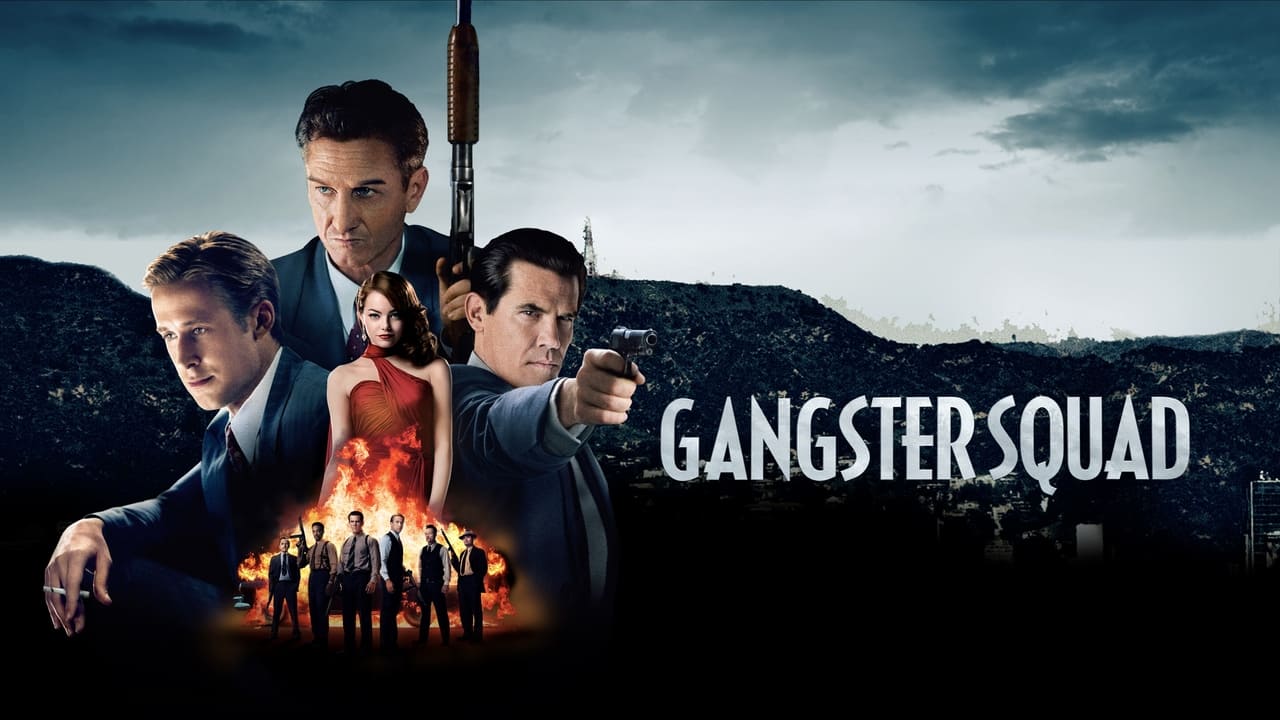
The film marks a specific moment in the digital revolution. Cinematographer Dion Beebe (the man behind the digital grit of Michael Mann’s Collateral) opted for a clean, high-definition look rather than the grainy, film-noir aesthetic of the 1940s. This choice is still polarizing. Some say it makes the sets look like theme park attractions; I think it makes the movie feel like a vivid, violent dream. It’s basically a $60 million game of dress-up where the guns are loud and the stakes feel lower than a limbo bar. That lack of weight is exactly why it has found a second life on streaming—it’s the ultimate "dad movie" to have on in the background while you’re doing something else.
Tommy Guns and Trivia
What keeps the Popcornizer crowd coming back to this one isn't the plot—which is a fairly standard "cops playing dirty to catch the bad guy" routine—but the fetishistic attention to the stuff of the genre. The way the light hits a Zippo lighter, the snap of a brimmed hat, and the sheer volume of spent shell casings.
There’s some great "stuff you didn't notice" buried in here, too:
Sean Penn spent three hours in the makeup chair every morning just for that nose. Ryan Gosling actually researched the real-life Jerry Wooters and discovered the cop really did have that distinctive, high-pitched voice, much to the initial confusion of the crew. The "Gangster Squad" was a real, top-secret unit of the LAPD called the "Secret Development Unit," and they were every bit as controversial in 1949 as they are depicted here. Nick Nolte, playing Bill Parker, looks and sounds like he’s been gargling gravel, which is historically accurate for a man who had to run a department as corrupt as the mid-century LAPD. * Anthony Mackie’s character, Coleman Harris, brings a much-needed perspective on the racial dynamics of the era, even if the script only skims the surface of that particular well.
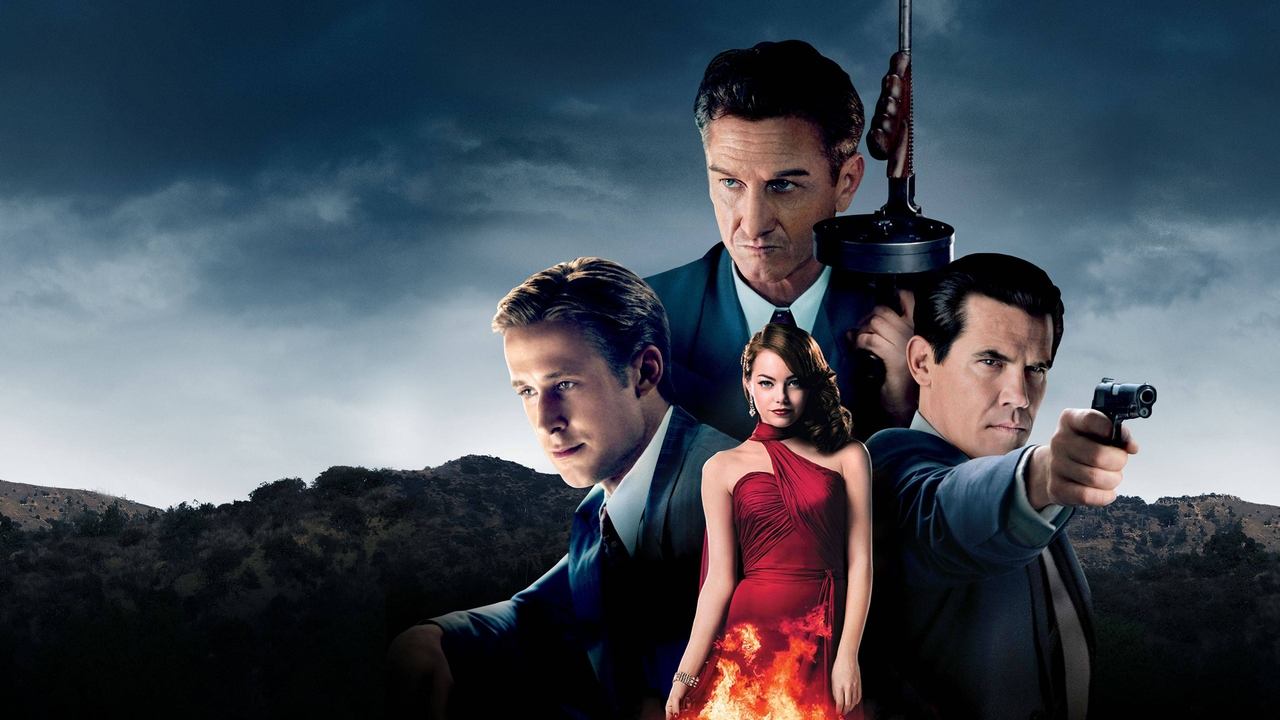
The action choreography by the second unit is surprisingly brutal. There’s a car chase involving a grenade that feels like it belongs in a Fast & Furious prequel, and the final brawl between Brolin and Penn has a physical crunch that modern CGI-heavy brawls often lack. It’s practical, messy, and loud.
Ultimately, Gangster Squad is a movie that knows exactly what it is: a stylish, violent, slightly hollow tribute to the golden age of tough guys. It doesn't have the soul of L.A. Confidential or the grit of Chinatown, but it has more energy than both of them combined. It’s a film that prioritizes the "cool factor" over historical accuracy or deep character studies, and sometimes, that’s exactly what you need for a 5-minute break from reality.
It’s a flashy, neon-soaked romp that works best if you don’t think too hard about the physics or the logic. Grab a drink, dim the lights, and enjoy the sound of the 1940s being rewritten by the 2010s. It might not be a masterpiece, but it’s a hell of a lot of fun to watch Sean Penn try to punch the atmosphere.
Keep Exploring...
-
Contraband
2012
-
Faster
2010
-
Colombiana
2011
-

The Negotiator
1998
-

The Fast and the Furious: Tokyo Drift
2006
-
Oldboy
2013
-
Sabotage
2014
-
Cellular
2004
-
Fast & Furious
2009
-
Jack Reacher
2012
-
Need for Speed
2014
-
Basic
2003
-
Felon
2008
-
Street Kings
2008
-
Vantage Point
2008
-

Blood and Bone
2009
-
Takers
2010
-
Batman: Year One
2011
-
The Lincoln Lawyer
2011
-
End of Watch
2012