Gravity
"In the void, there is no rescue."
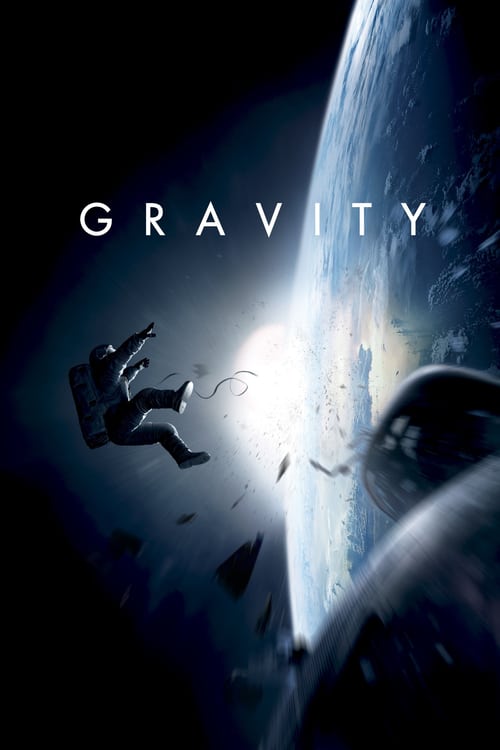
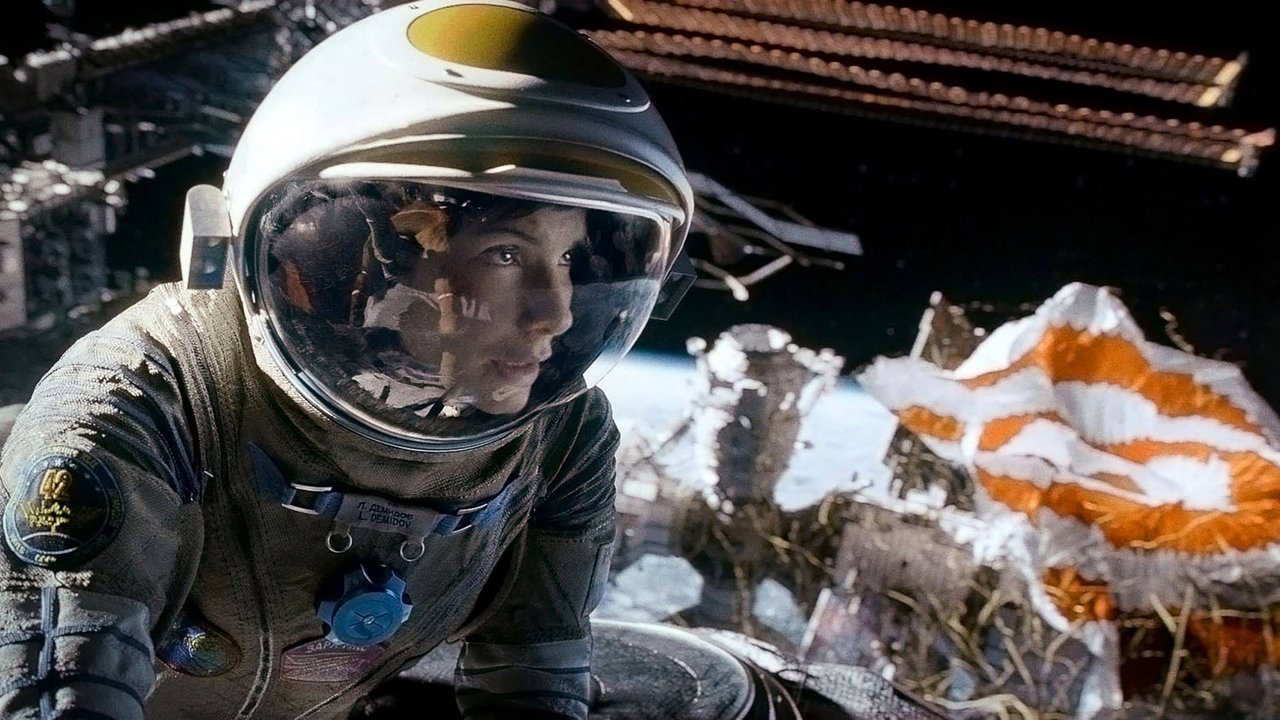
Space in the movies is usually a playground for laser swords or a backdrop for existential philosophy, but when the first wave of debris hits the Explorer in Gravity, it feels like a physical assault. There is no sound in the vacuum, a fact Alfonso Cuarón exploits to terrifying effect. You don’t hear the impact; you see the jagged metal shredding the shuttle like wet tissue paper while the silence screams at you. It’s a moment of pure, unadulterated panic that stripped the breath from my lungs back in 2013, and it hasn't regained any air since.
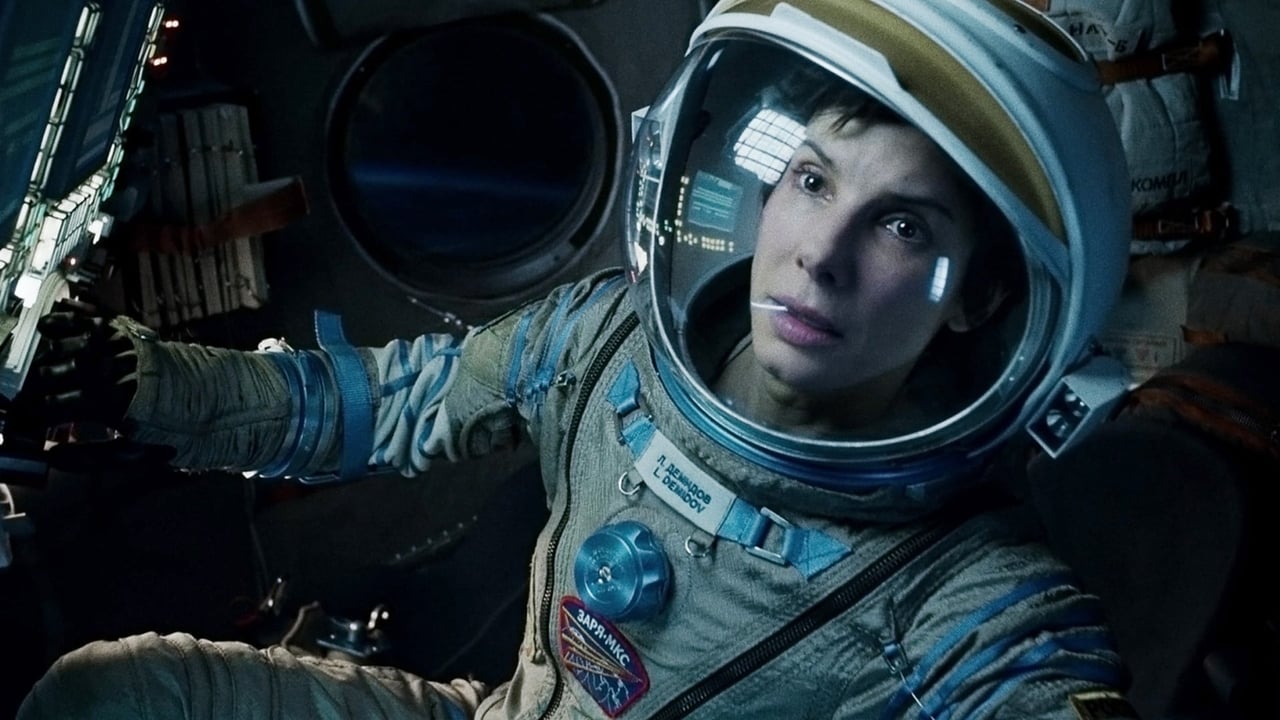
I watched this film on a Tuesday night while wearing socks with holes in them, which felt strangely appropriate for a movie where a single punctured suit is a death sentence. That’s the beauty of this film: it takes the massive, incomprehensible scale of the cosmos and shrinks it down to the diameter of an oxygen gauge.
The Digital Frontier and the Light Box
Looking back, Gravity arrived at a fascinating crossroads for modern cinema. We were moving away from the gritty, handheld realism of the mid-2000s and into an era where digital effects could finally achieve a "photographic" reality that didn't look like a video game. Alfonso Cuarón, fresh off the technical wizardry of Children of Men, teamed up with cinematographer Emmanuel Lubezki (who also shot The Tree of Life) to create something that felt less like a movie and more like a documentary shot on location in low Earth orbit.
The production was a logistical nightmare that changed how we think about lighting. They built a "Light Box"—a hollow cube lined with over 600,000 tiny LED lights—to simulate the way sunlight bounces off the Earth and onto an astronaut’s face. Sandra Bullock spent months inside this rig, often isolated from the crew, being tilted and spun to match the digital camera's movements. This wasn’t just a green screen job; it was a high-tech torture chamber designed for art. It’s the kind of transition-era filmmaking where the tech finally caught up to the imagination, allowing for those signature long takes that make the audience feel like they’re tethered to a spinning centrifuge with no "stop" button.
A Solo Act in the Abyss
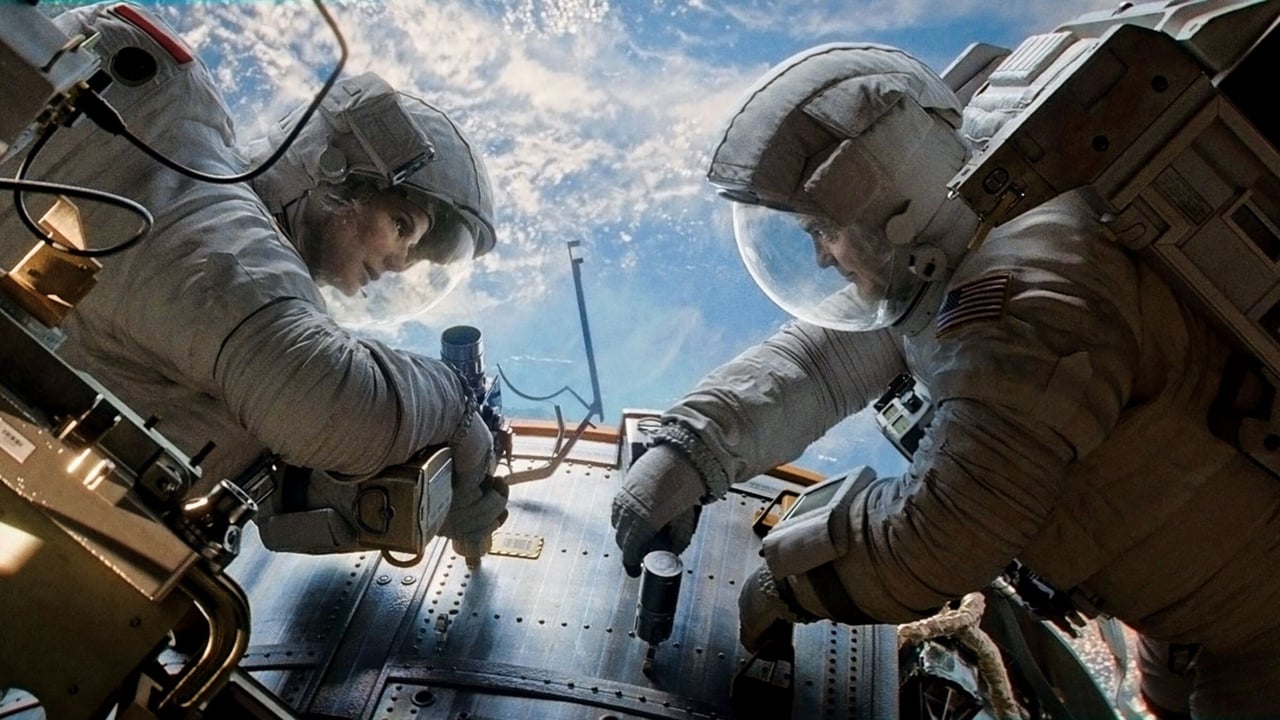
While the tech is the engine, Sandra Bullock is the heart. As Dr. Ryan Stone, she carries the film through a grueling gauntlet of physical and emotional trauma. This isn't the "America's Sweetheart" we saw in The Blind Side or Miss Congeniality. She’s stripped of her charm, playing a grieving mother who has buried her emotions so deep that the vacuum of space feels like a natural habitat. Her performance is about the eyes—the way they dart in terror behind a visor, tracking the dwindling oxygen percentages.
Then you have George Clooney as Matt Kowalski. He’s essentially playing "Space Clooney," radiating a level of calm that feels almost predatory. He’s the veteran who tells jokes while the world ends, and his chemistry with Bullock—even when they are just voices in each other’s headsets—is the only thing keeping the film from descending into pure, nihilistic dread. Clooney provides the levity, but Bullock provides the survival instinct. It’s a masterly pairing that grounds the CGI spectacle in human stakes. I’ve always felt that the International Space Station looks like a poorly maintained IKEA showroom once the debris starts flying, and seeing these two try to navigate the wreckage is as tense as any thriller ever made.
The $700 Million Panic Attack
When we talk about blockbusters, we usually mean franchises or superheroes. Gravity was a different beast. With a budget of $105 million, it was a massive gamble on a high-concept survival story with only two visible actors. The gamble paid off to the tune of $723 million worldwide, proving that audiences were hungry for original, high-stakes drama that utilized 3D for something other than throwing things at the screen. James Cameron famously called it the best space film ever made, and for once, he wasn't just being a hype man.
The film’s legacy is tied to its sound design and Steven Price’s score. Because there’s no sound in space, the music has to act as the atmosphere. It pulses, hums, and occasionally explodes into a wall of noise that mimics the internal pressure of a panic attack. It’s a reminder of a time when the "event movie" could be 91 minutes of lean, mean storytelling without ten post-credit scenes and a prequel hook.
Gravity is a rare example of a film that uses cutting-edge technology to tell an ancient story: the struggle to keep breathing when the universe wants you to stop. It’s an intense, often exhausting experience that manages to find a sliver of hope in the coldest environment imaginable. Looking back from a decade later, the CGI holds up remarkably well because it’s rooted in physical reality—the weight of a suit, the momentum of a spin, and the terrifying fragility of a glass helmet.
While the ending leans a bit heavily into the symbolic "rebirth" imagery, the journey there is so harrowing that I’m willing to forgive a little bit of Hollywood sentimentality. It’s a film that demands your full attention and rewards it with a persistent sense of awe. If you haven't revisited it since the theater, turn off the lights, put on your best headphones, and prepare to hold your breath. Just make sure your socks don't have any holes in them—you'll feel the draft.

Keep Exploring...
-

Children of Men
2006
-
Rise of the Planet of the Apes
2011
-
Dawn of the Planet of the Apes
2014
-
I Am Legend
2007
-

The Hunger Games
2012
-
Chronicle
2012
-

Outbreak
1995
-

Signs
2002
-

Black Swan
2010
-
The Town
2010
-
Limitless
2011
-
Argo
2012
-

The Dark Knight Rises
2012
-

The Impossible
2012
-
Zero Dark Thirty
2012
-

Captain Phillips
2013
-
The Maze Runner
2014
-

Strange Days
1995
-
Terminator 2: Judgment Day
1991
-
Unbreakable
2000