Horns
"The devil is in the confessions."

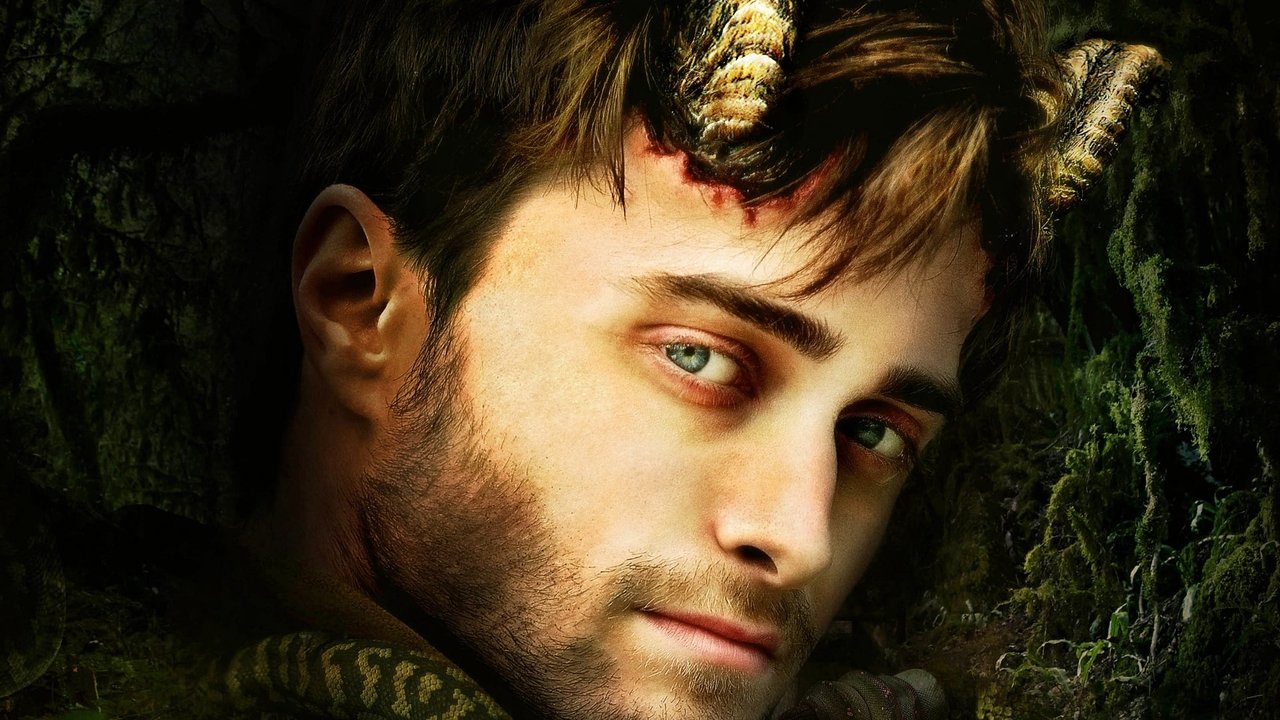
Imagine the collective whiplash of a global audience seeing the world’s most famous boy wizard suddenly sprout calcified keratin from his forehead. In 2013, we were right in the thick of Daniel Radcliffe attempting to exorcise the ghost of Harry Potter, and Horns was the weirdest, jaggedest stake he could have driven into the ground. It arrived during that fascinating pocket of modern cinema where mid-budget "high concept" indies were still swinging for the fences before every weird idea got swallowed by the streaming-service maw.
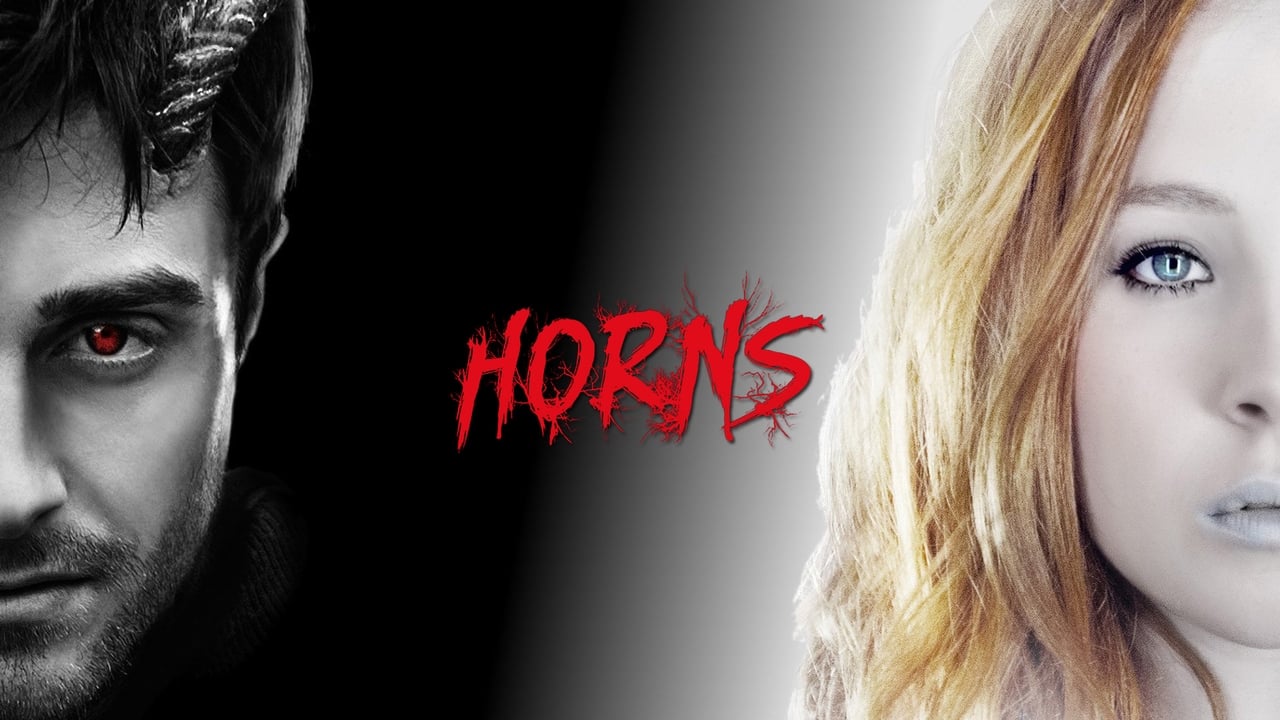
I watched this while drinking a lukewarm mug of Earl Grey that had a single, stubborn leaf floating in it, and honestly, the bitterness suited the film’s cynical heart perfectly. Based on the novel by Joe Hill (who, as we all eventually learned, is the son of Stephen King), Horns is a tonal car crash that somehow works if you’re in the right frame of mind. It’s part murder mystery, part supernatural satire, and part "grief-stricken-man-becomes-the-devil" fable.
The Boy Who Lived (to Suffer)
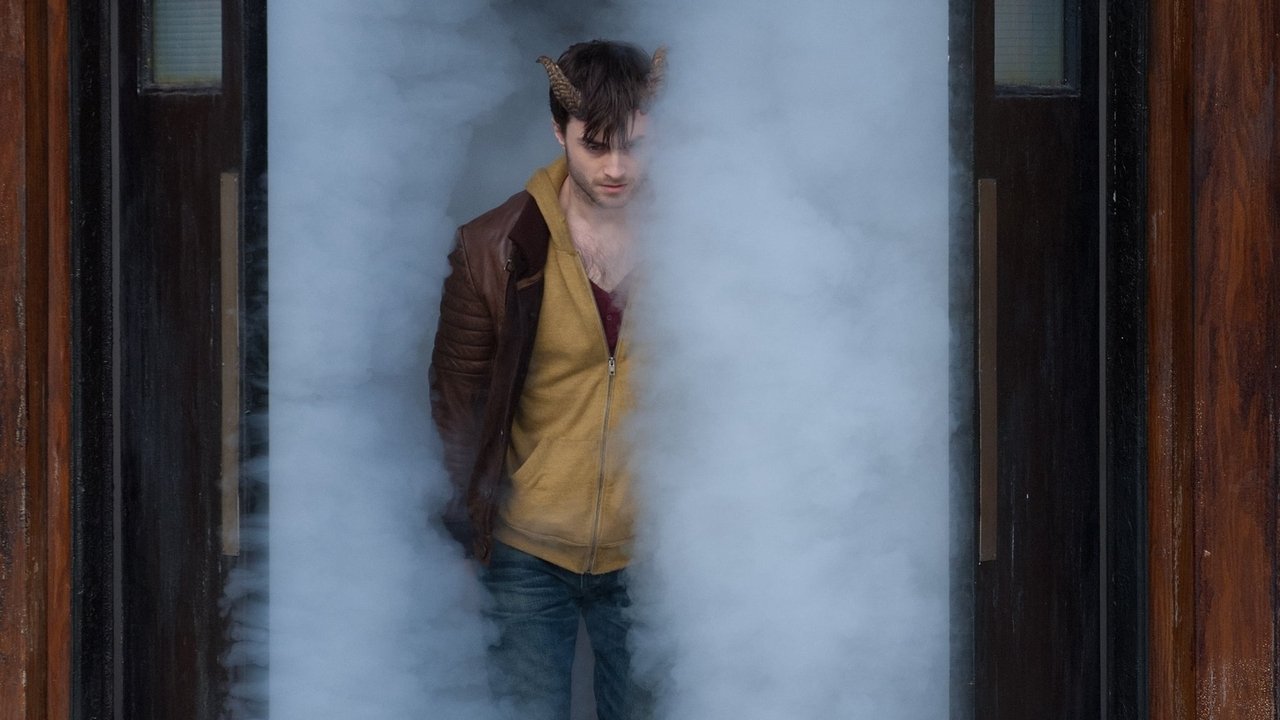
The story follows Ig Perrish (Daniel Radcliffe), a guy whose life is in the toilet after his childhood sweetheart, Merrin (Juno Temple), is found murdered. The whole town thinks he did it. Then, after a night of drunken sacrilege, he wakes up with horns that possess a peculiar power: they compel anyone in his presence to blurt out their darkest, most hedonistic secrets.
Daniel Radcliffe gives a performance that is wonderfully unhinged and vulnerable. You can feel him leaning into the "dirtbag" aesthetic—greasy hair, leather jacket, and a perpetual look of "I’m too sober for this nonsense." He had to carry the movie’s shifting moods on his back, and he does it with a grit that proved he was more than just a franchise face. Juno Temple, meanwhile, plays the "lost girl" in flashbacks with an ethereal quality that makes the central tragedy actually hurt. It’s their chemistry that keeps the film from floating away into pure absurdity.
The supporting cast is a 2010s "who’s who" of talent. Max Minghella (later of The Handmaid's Tale) plays the loyal best friend/lawyer Lee, and Joe Anderson shows up as Ig’s brother, a character who basically embodies the 'tortured musician' trope so hard it’s a miracle he doesn’t dissolve into a puddle of gin and sheet music.
Aja’s Beautiful, Bloated Vision
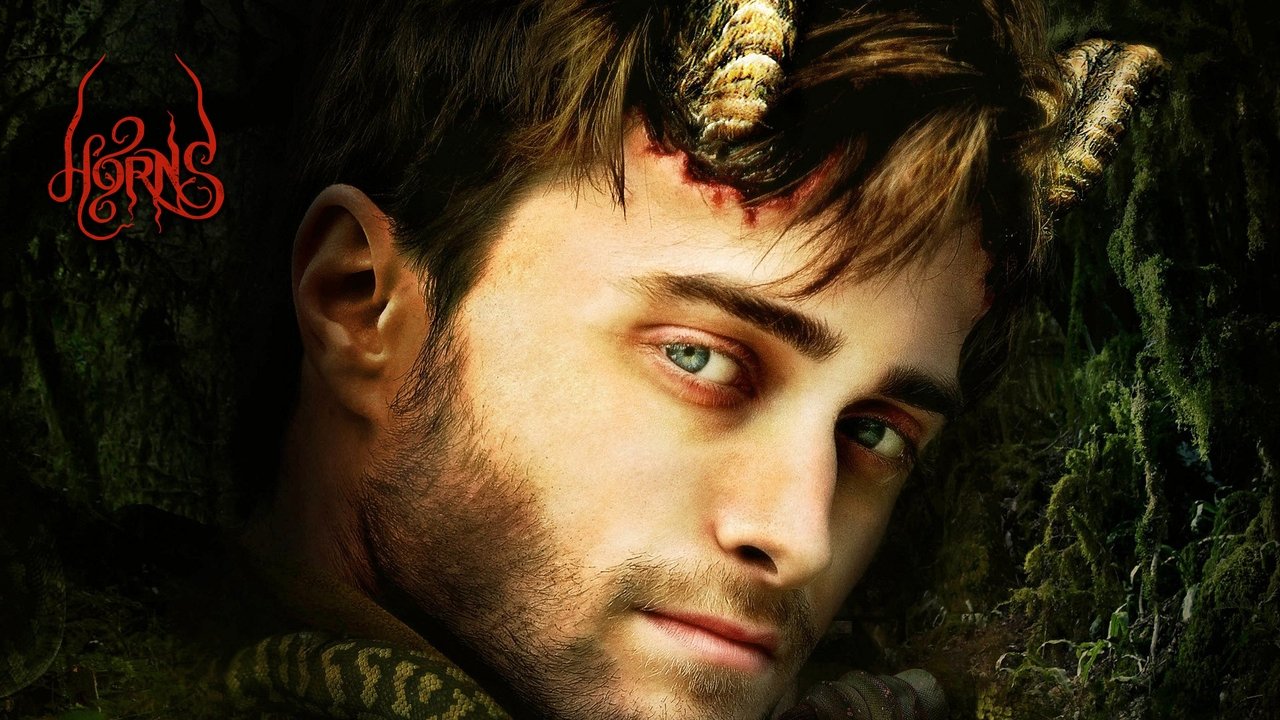
Director Alexandre Aja—the man who gave us the ultra-violent High Tension (2003) and the delightfully toothy Piranha 3D (2010)—was an inspired choice here. He brings a "French Extremity" sensibility to the American Pacific Northwest. The film looks gorgeous thanks to cinematographer Frederick Elmes (who shot Blue Velvet), capturing a lush, damp world where the green of the trees feels almost oppressive.
But let’s be real: the movie has the structural integrity of a Jenga tower during an earthquake. It tries to be a romantic tragedy, a pitch-black comedy, and a CGI-heavy horror flick all at once. There’s a scene involving two cops that is pure slapstick, followed immediately by a heartbreaking flashback to childhood trauma. It’s messy. Yet, looking back at the 2013 landscape, this messiness is what makes it a cult favorite today. It wasn’t sanded down by a dozen studio focus groups. It was allowed to be weird.
Apparently, the production was just as colorful. Turns out, Shia LaBeouf was originally attached to the role of Ig before Daniel Radcliffe stepped in. While LaBeouf is great at "intense," I don't think he would have captured the inherent sweetness that makes the horn-induced confessions so funny. Also, if you’re wondering about those snakes Ig starts hanging out with—they were real. Radcliffe reportedly enjoyed having over a hundred live snakes on set, which is exactly the kind of "Method" energy I expect from a man trying to outrun a legacy of invisibility cloaks.
The Cult of the Confessional
Horns didn’t exactly set the box office on fire, making under $4 million against a much larger budget. It was a classic "Sundance buzz" movie that struggled to find a mainstream lane. Was it a horror movie? Not really. A drama? Sort of. A comedy? Only if you find people admitting they want to punch their kids funny.
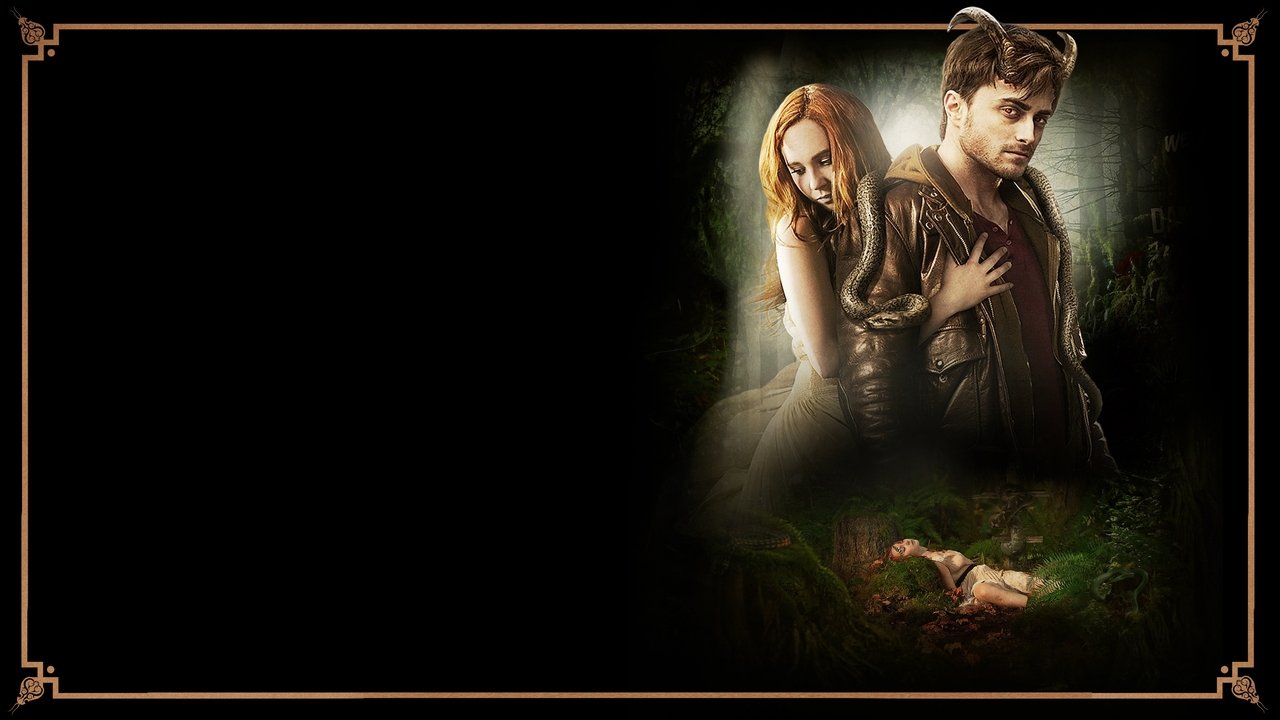
But in the years since, it has found its people. Fans of Joe Hill’s writing appreciate that the film kept the book's "everyone is a secret monster" philosophy. The makeup effects, which took three hours a day to apply to Radcliffe, hold up surprisingly well because they used a mix of practical prosthetics and digital touch-ups. It’s a testament to that transitional era where CGI was becoming the standard, but directors like Aja still respected the craft of a physical prop.
The film captures a specific post-9/11 anxiety about the "evil next door"—the idea that our neighbors, parents, and friends are all one supernatural nudge away from being demons. It’s a cynical view, but Horns wraps it in enough style and genuine heartbreak that it doesn't feel like a total downer. It’s a movie about the truth, and as Ig finds out, the truth usually smells like sulfur.
If you can handle the tonal whiplash, Horns is a rewarding, strange trip into a very specific kind of dark fantasy. It’s a movie that rewards you for sticking with its eccentricities, even when the ending threatens to go full "CGI-hellscape." It’s the perfect flick for a rainy Tuesday when you’re feeling a little bit like the world is against you and you wouldn't mind seeing some people get what's coming to them. Just don't blame me if you start looking at your neighbors' foreheads a little too closely afterward.
Keep Exploring...
-
Dorian Gray
2009
-

Red Riding Hood
2011
-

The Hills Have Eyes
2006
-
The Hurt Locker
2008
-
Kill Your Darlings
2013
-
Byzantium
2013
-
The Spiderwick Chronicles
2008
-
Valkyrie
2008
-
A Christmas Carol
2009
-
The Lovely Bones
2009
-
The Time Traveler's Wife
2009
-
Underworld: Rise of the Lycans
2009
-
127 Hours
2010
-
Faster
2010
-
Green Zone
2010
-
The Next Three Days
2010
-
Beastly
2011
-
Colombiana
2011
-
Contagion
2011
-
Sucker Punch
2011