How I Live Now
"The end of the world is a private matter."
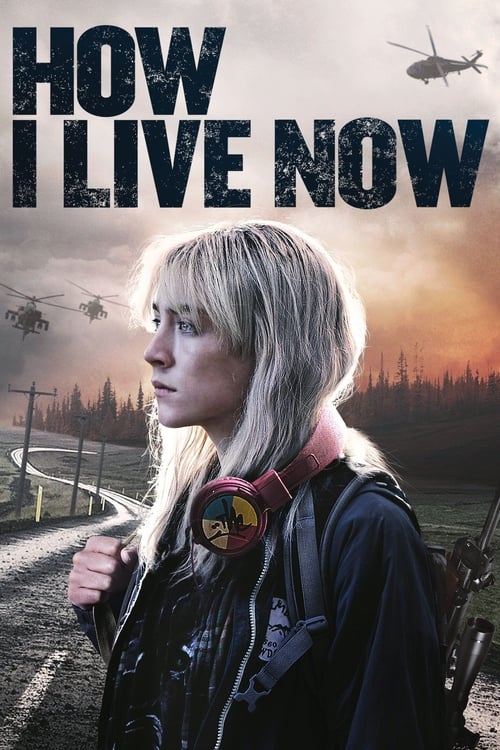
If you looked at the poster for How I Live Now back in 2013, you probably assumed it was just another entry in the Great YA Sweepstakes. We were neck-deep in The Hunger Games and Divergent clones, and here was a movie featuring a prickly teenager, a pastoral English setting, and a hint of forbidden romance. But then the wind shifts, a literal mushroom cloud blooms on the horizon, and the film pivots into something much more jagged and unforgiving. It’s the kind of movie that feels like it was whispered rather than shouted, which is likely why it slipped through the cracks of the early 2010s box office.
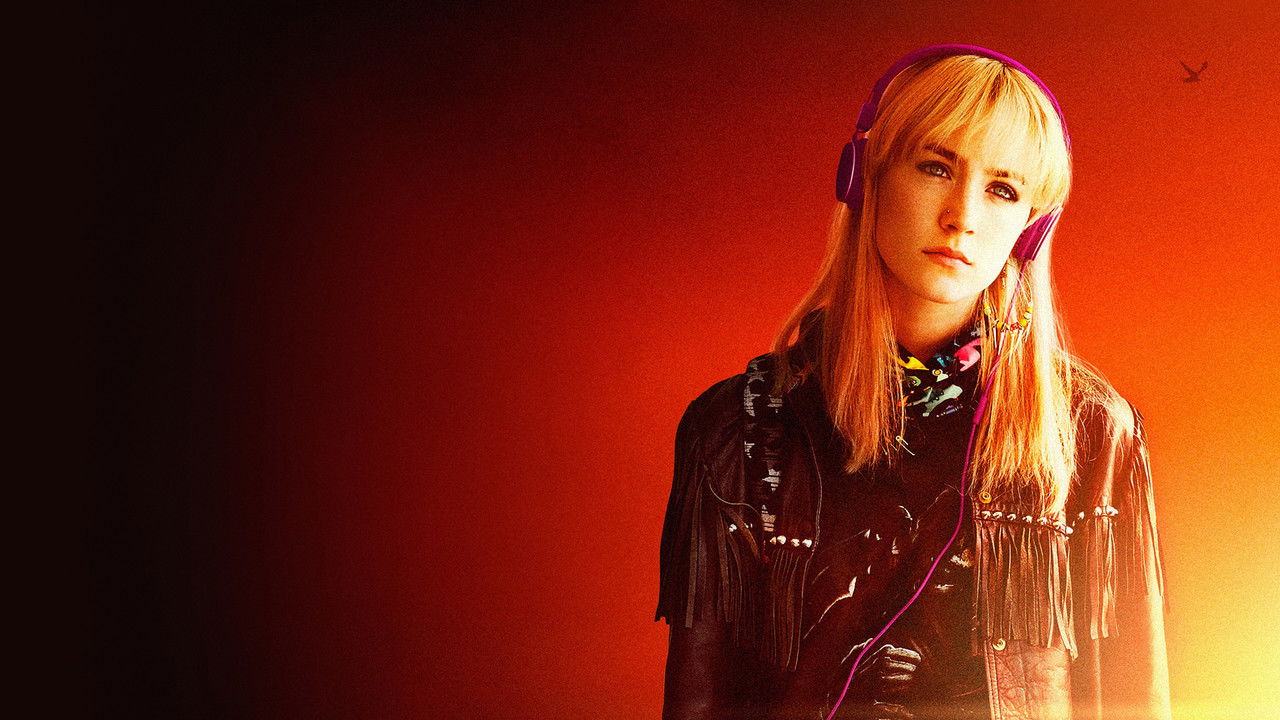
I caught this one late on a Tuesday night while nursing a lukewarm cup of peppermint tea that had a single, lonely film of oil floating on top, and honestly, that slightly bitter, domestic vibe suited the movie perfectly. Directed by Kevin Macdonald (The Last King of Scotland), this isn't a "save the world" epic. It’s a "save your soul while the world rots" story.
The Pastoral Apocalypse
The film starts with Daisy (Saoirse Ronan), a New Yorker with enough neuroses and eyeliner to power a mid-2000s emo band, arriving at a remote English farmhouse to stay with cousins she’s never met. It’s all very Secret Garden at first. We meet the dreamy Eddie (George MacKay), the eccentric Isaac (Tom Holland), and the young Piper (Harley Bird). Ronan is spectacular here; she plays Daisy with a defensive prickliness that makes her genuinely unlikeable for the first twenty minutes. She looks like she’s trying to pick a fight with a blade of grass.
Then, the world breaks. An unnamed enemy sets off a nuclear device in London. The electricity dies. The military moves in. The transition from a sun-drenched, bohemian summer to a gray, terrifying military occupation is handled with a subtlety that modern blockbusters usually lack. Macdonald opts for a grounded, claustrophobic perspective. We don’t see the "War Room" or the generals; we only see what these kids see—the sudden disappearance of adulthood and the terrifying silence of a world without a dial tone.
Action in the Mud and Shallows
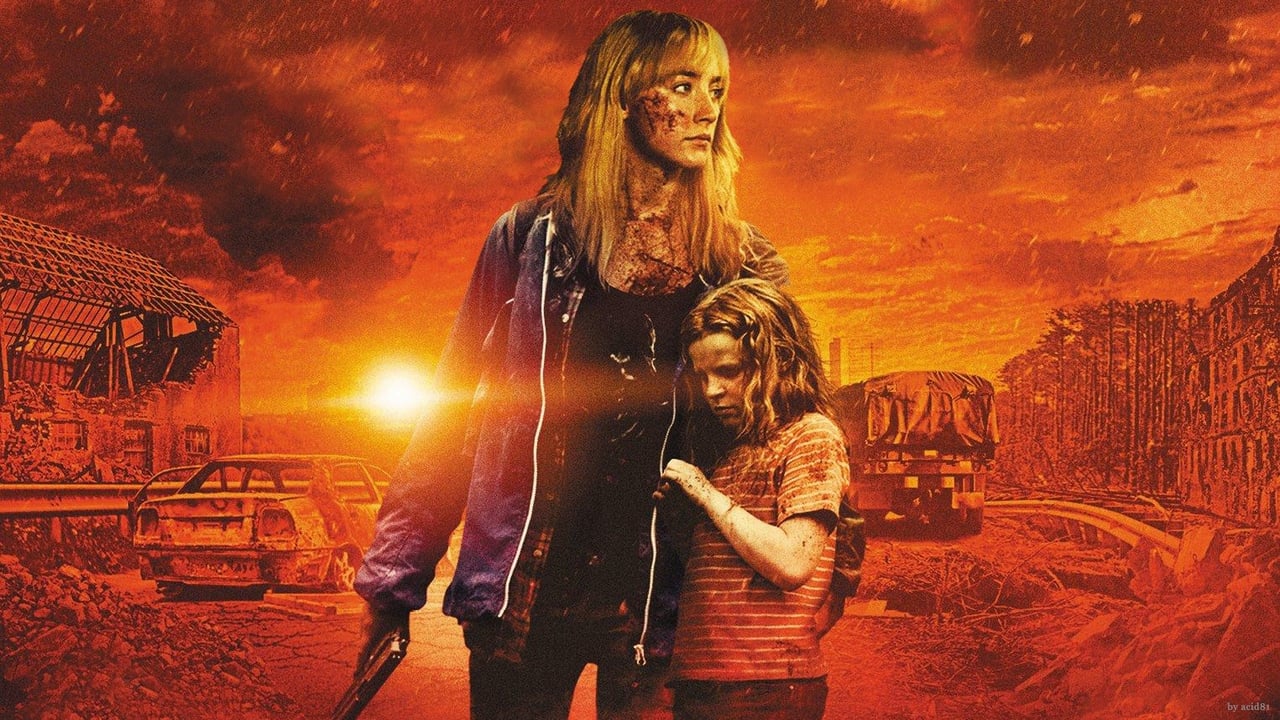
When the cousins are eventually separated by the military, the film shifts into a survival thriller. This is where the "Action" genre tag earns its keep, but not in the way you’d expect from a Tom Holland movie today. There are no web-shooters here. The action is frantic, wet, and desperately unglamorous. When Daisy and Piper have to navigate the wilderness to get back home, the "choreography" is just the sound of heavy breathing, the snapping of twigs, and the sickening thud of boots on mud.
Franz Lustig’s cinematography captures the chaos through a handheld lens that feels urgent rather than nauseating. There’s a particular sequence involving a run through the woods that feels less like a movie set-piece and more like a fever dream. The violence, when it happens, is sudden and traumatic. It reminds me of the post-9/11 anxiety that bled into films like Children of Men (2006)—that nagging feeling that the structures we rely on are actually quite fragile. Macdonald treats the war as a natural disaster rather than a political event, which makes the stakes feel incredibly personal.
Why Did We Forget This One?
Looking back, How I Live Now was a victim of its own refusal to play by the rules. It was too dark for the "Team Edward" crowd and perhaps too focused on teenage longing for the hardcore "war is hell" audience. It also arrived right as the digital revolution was fully taking hold of the mid-budget film. The CGI is used sparingly—mostly for that haunting, distant mushroom cloud—but the film lives in its practical locations. The farmhouse feels lived-in, the forests feel damp, and the sweat on George MacKay’s forehead is definitely real.

It’s also a fascinating time capsule of talent. Seeing a pre-Spider-Man Tom Holland as a nerdy, bespectacled kid and George MacKay before he became the go-to guy for "harrowing historical runs" (1917) is a treat. They bring a level of sincerity to the material that prevents the central romance from feeling like a trope. It’s a messy, slightly incestuous, desperate kind of love that feels earned because it’s the only thing left standing when the bombs go off.
Cool Details
The Sound of Silence: The score by Jon Hopkins is a masterclass in atmospheric tension. Instead of swelling orchestras, he uses glitchy, electronic hums that mimic Daisy’s internal anxiety and the literal hum of a world failing. The Source Material: The film is based on Meg Rosoff’s 2004 novel. The screenplay by Tony Grisoni (Fear and Loathing in Las Vegas) strips away the book's internal monologue and replaces it with visual grit. * Realism over Spectacle: The production deliberately avoided showing the "enemy." By keeping the antagonists faceless and nameless, the film leans into the terrifying reality of civilian life during an invasion.
How I Live Now is a beautiful, jagged little pill of a movie. It’s not a comfortable watch, and it doesn’t offer the easy catharsis of a standard action flick, but it stays with you. It’s a testament to a time when mid-budget cinema was still allowed to be weird, bleak, and deeply human. If you missed it during the YA boom, it’s well worth a retrospective spin, if only to see Saoirse Ronan prove, once again, that she’s been the best actor of her generation since the very beginning. It’s a film about how we find our way back to ourselves when the map of the world is literally being redrawn.

Keep Exploring...
-
'71
2014
-
Black Sea
2014
-
Crimson Tide
1995
-
Behind Enemy Lines
2001
-
Green Zone
2010
-
The Eagle
2011
-

Harry Brown
2009
-
Defiance
2008
-
Mesrine: Killer Instinct
2008
-
Mesrine: Public Enemy #1
2008
-
Street Kings
2008
-
Carriers
2009
-
Cell 211
2009
-
Takers
2010
-
Batman: Year One
2011
-
Seeking Justice
2011
-
Act of Valor
2012
-

Get the Gringo
2012
-
Dead Man Down
2013
-

Captain Phillips
2013