Human Capital
"Everyone has a price, and the math is cold."

Money doesn’t just talk in the icy, high-end suburbs of Northern Italy; it performs a cold-blooded autopsy on the soul. Most films that tackle the "wealth gap" fall into the trap of being either too preachy or too enamored with the luxury they’re supposed to be critiquing. But when I sat down to watch Paolo Virzì’s Human Capital (Il capitale umano) on a gray Tuesday afternoon with a cup of espresso that had gone stone cold, the chill from the screen felt perfectly synced with the room. This isn't a "lifestyle" movie; it’s a ledger of human worth.

The film opens with a hit-and-run on a snowy night. A cyclist is clipped off the road by a luxury SUV, and as he lies dying in a ditch, the narrative fractures. We see the events leading up to and following the accident through three different perspectives: the social climber, the trophy wife, and the rebellious daughter. It’s a Rashomon-style structure that felt very much of its era—the early 2010s loved a good non-linear puzzle—but Virzì uses it to peel back the layers of a society that has commodified everything, including grief.
The Desperation of the Middle Class
The first chapter follows Dino Ossola, played by Fabrizio Bentivoglio with a performance that is essentially the cinematic equivalent of a guy bringing a toothpick to a drone strike. Dino is a real estate agent who is so desperate to be "in" with the elite that he puts his family’s entire future at risk to invest in a hedge fund run by a cold-eyed billionaire.
Looking back at this film from 2024, Dino’s arc feels like a precursor to the "hustle culture" anxieties that would eventually explode on social media. He isn't a villain; he’s just pathetic. He’s the guy who thinks a firm handshake and a fake-it-til-you-make-it attitude can bypass the reality of class warfare. Bentivoglio nails the sweaty, frantic energy of a man who realizes the ladder he’s climbing is actually a greased pole. I found myself cringing at his every move—especially when he tries to use a family tragedy as leverage. It’s ugly, it’s honest, and it’s deeply uncomfortable to watch.
The Gilded Cage of the Elite
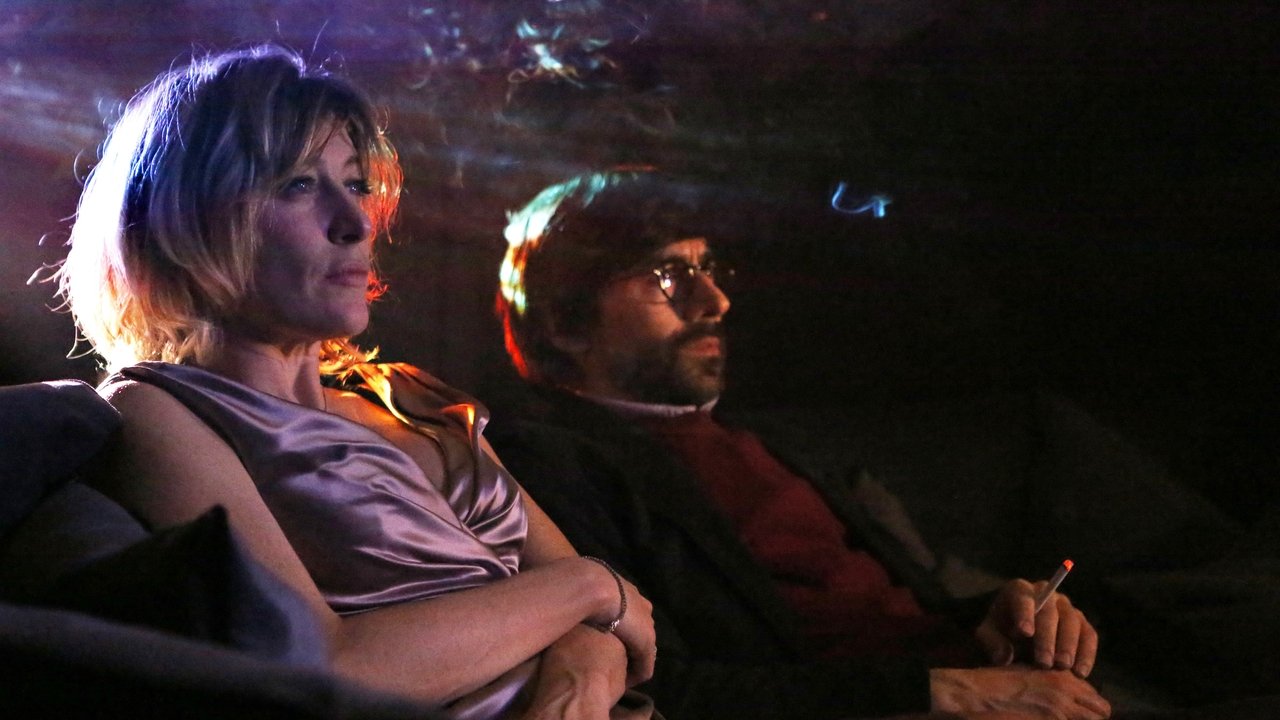
The perspective then shifts to Carla Bernaschi, the billionaire's wife, played by the incomparable Valeria Bruni Tedeschi. If Dino is the film’s motor, Carla is its bruised heart. She’s a former actress living in a mansion that feels more like a mausoleum, trying to find purpose by restoring a local theater. Bruni Tedeschi has this incredible ability to look like she’s about to shatter into a thousand pieces at any moment.
There’s a specific scene where she realizes her husband, played with a terrifying, quiet arrogance by Fabrizio Gifuni, views her theater project as nothing more than a tax write-off. The look on her face is devastating. It highlights one of the film's sharpest points: even the people at the top are just assets to be managed. Interestingly, Paolo Virzì took a bit of a risk with this setting. The film is based on an American novel by Stephen Amidon, originally set in Connecticut. By moving it to Brianza, a wealthy district in Lombardy, Virzì actually sparked a bit of a local controversy. The residents of Brianza weren't exactly thrilled to be portrayed as a bunch of soul-crushing materialists, but that friction gives the film a lived-in, biting authenticity.
A Relic of the Financial Crisis
Human Capital arrived toward the tail end of the 1990-2014 era, and you can feel the post-2008 recession bitterness in every frame. It was Italy's official entry for the Best Foreign Language Film at the 87th Academy Awards, and it’s easy to see why. The cinematography by Jérôme Alméras (who also worked on In the House) avoids the sun-drenched cliches of Italian cinema. Instead, we get a palette of steely blues and murky greys.
What makes the film stick in my craw—in a good way—is the final reveal of what the title actually means. "Human capital" isn't a metaphor here; it’s a specific insurance formula used to calculate the monetary value of a person's life based on their age, earning potential, and family ties. When the math is finally done for the victim of the hit-and-run, the number is shockingly low. It’s a moment of pure, cynical clarity that justifies the entire three-act structure. It makes you realize that while the characters were busy playing a drama, the system was just doing a math problem.
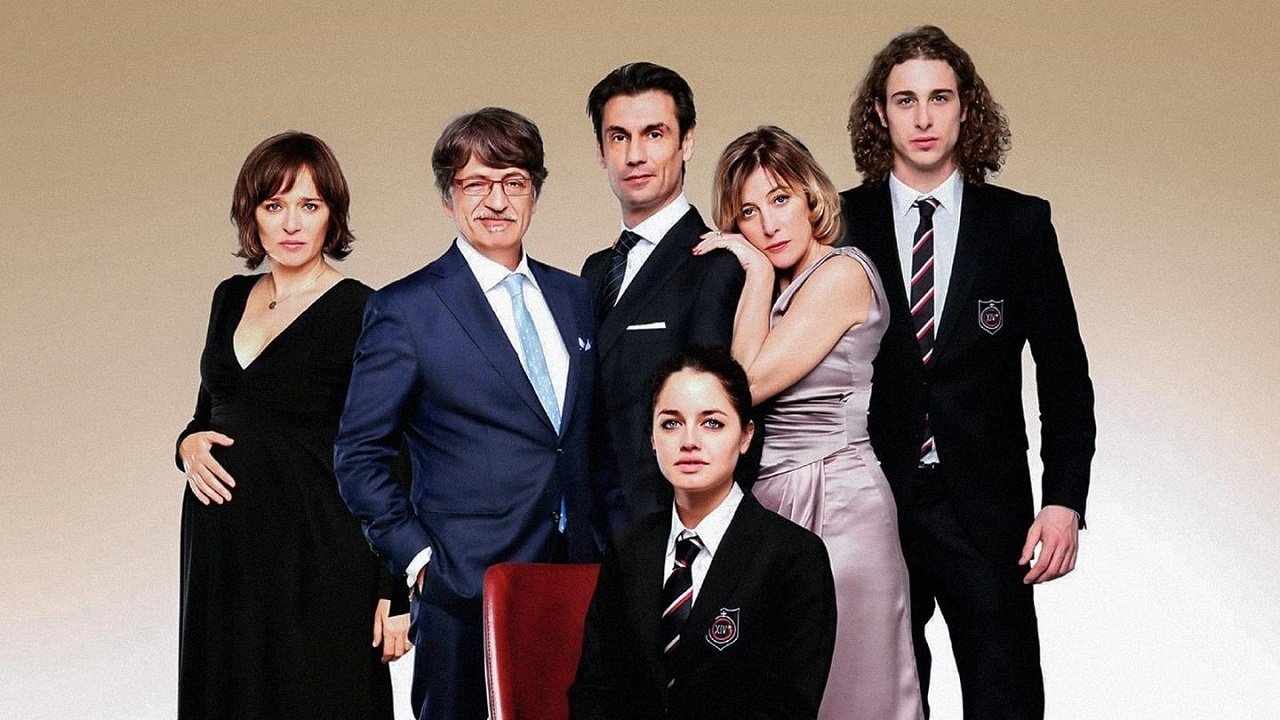
The film handles its ensemble cast with a deftness that keeps the pace from flagging, even when the "mystery" of the accident takes a backseat to the character studies. Valeria Golino also puts in solid work as Dino’s pregnant, psychologist wife, providing the only real moral compass in a story full of people who have lost their North Star. It’s a sharp, sophisticated drama that manages to be a thriller without ever feeling like it’s trying too hard. If you've ever felt like just another number in someone else’s bank account, this film is going to resonate in a way that’s both cathartic and deeply haunting.

Keep Exploring...
-
Like Crazy
2016
-

A Prophet
2009
-

22 Bullets
2010
-

Enter the Void
2010
-
The Round Up
2010
-
This Must Be the Place
2011
-
Amour
2012
-

Rust and Bone
2012
-

Yves Saint Laurent
2014
-
Appaloosa
2008
-
Blindness
2008
-
Defiance
2008
-
Doubt
2008
-
Frost/Nixon
2008
-
Ghost Town
2008
-
Il Divo
2008
-
Mesrine: Killer Instinct
2008
-
Mesrine: Public Enemy #1
2008
-
Street Kings
2008
-
Synecdoche, New York
2008