Hummingbird
"A stolen life, a debt to pay."
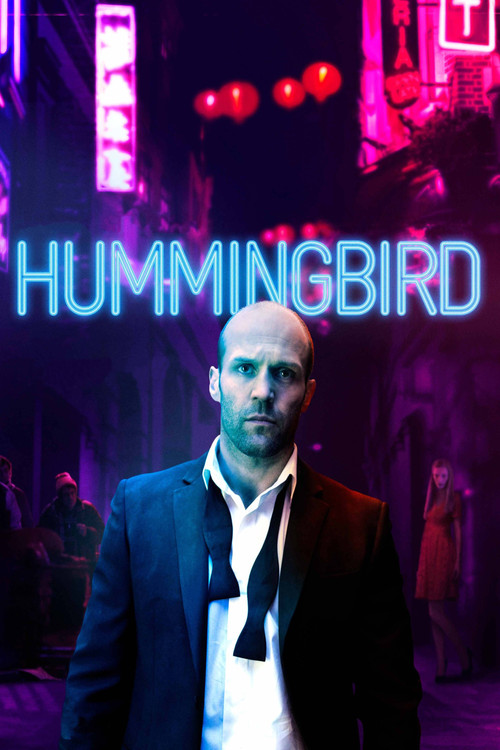
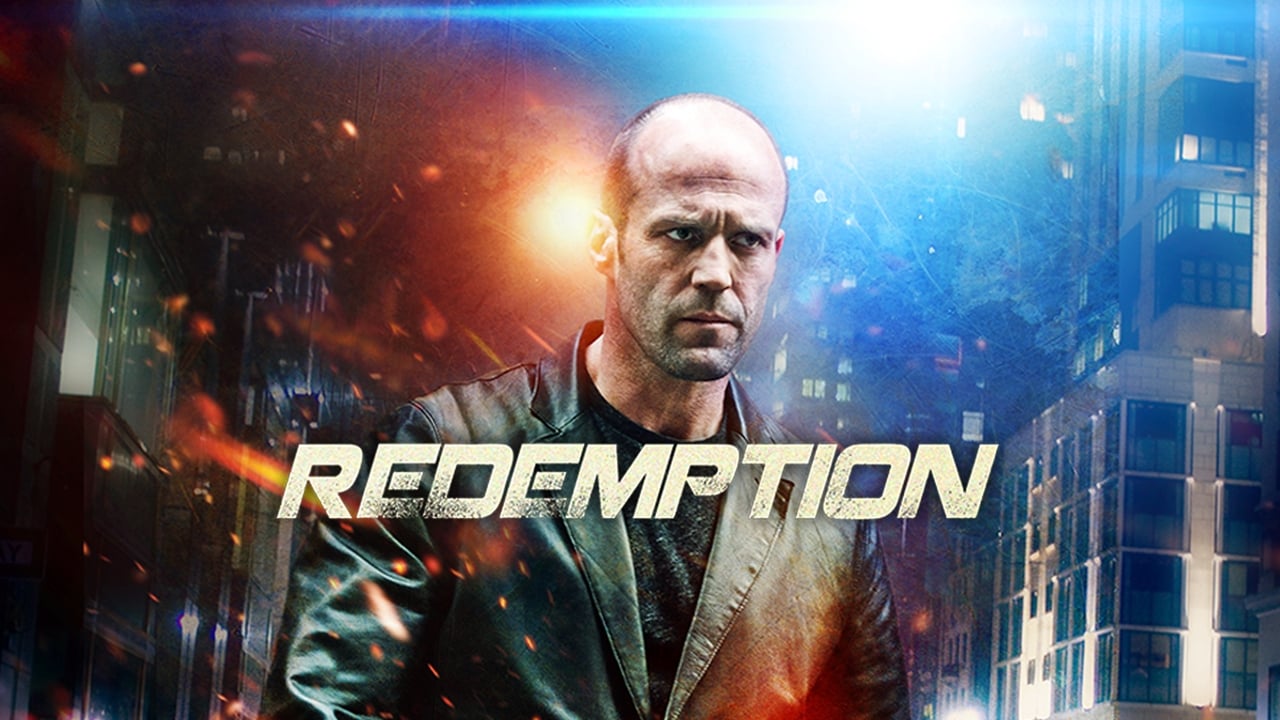
The year was 2013, and the world had a very specific, very profitable idea of what a Jason Statham movie was supposed to be. You’d get a sleek suit, a high-performance car, and a series of roundhouse kicks that defied the laws of physics and tailoring. Then came Hummingbird (unceremoniously retitled Redemption in the US), a film that arrived like a somber, rain-slicked hangover after a decade of high-octane partying. It’s a movie where the protagonist spends more time grappling with his own soul than he does snapping necks, and for that unforgivable sin of being "thoughtful," it was largely ignored by the box office.
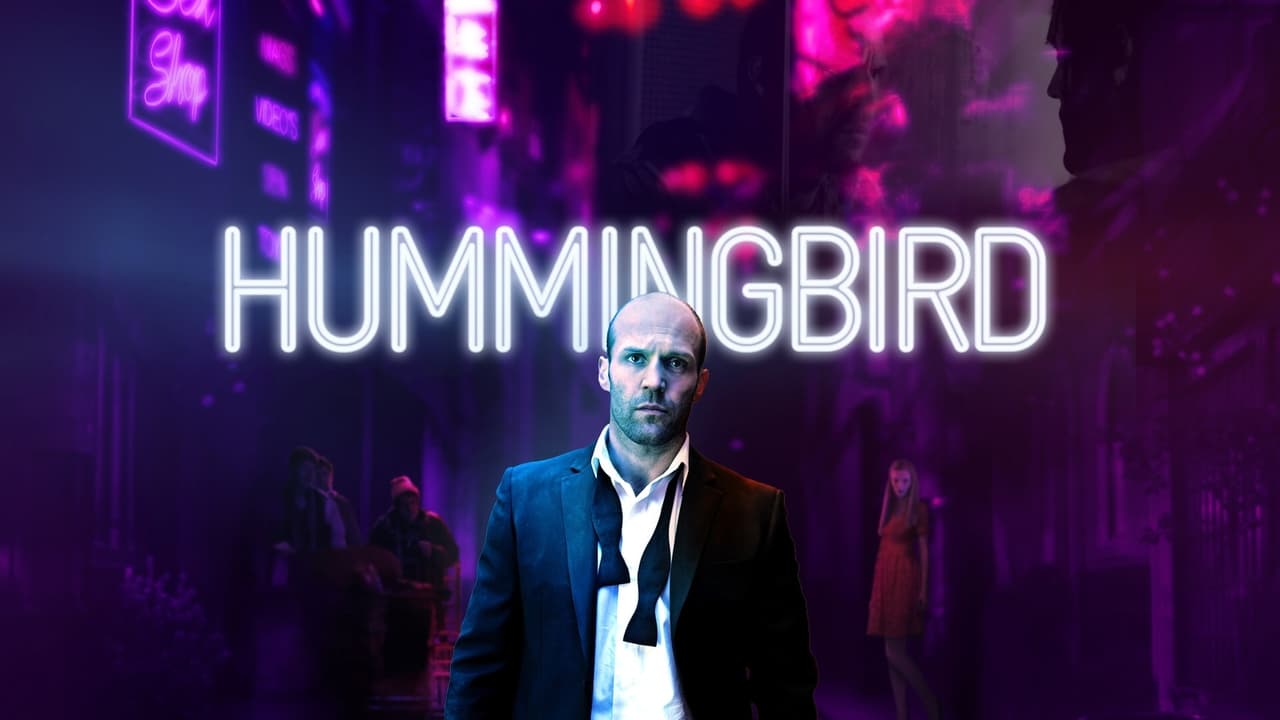
I caught this one late on a Sunday night, huddled under a blanket while my neighbor’s dog barked incessantly at a literal ghost. I expected a standard "Statham smashes the triads" flick, but what I got was a hauntingly shot character study that feels more like a 1940s noir than a modern blockbuster. It’s the kind of film that makes you realize how much we’ve pigeonholed one of our most charismatic action stars into a box of "Punchy-McKick-Man."
Statham’s Quiet Revolution
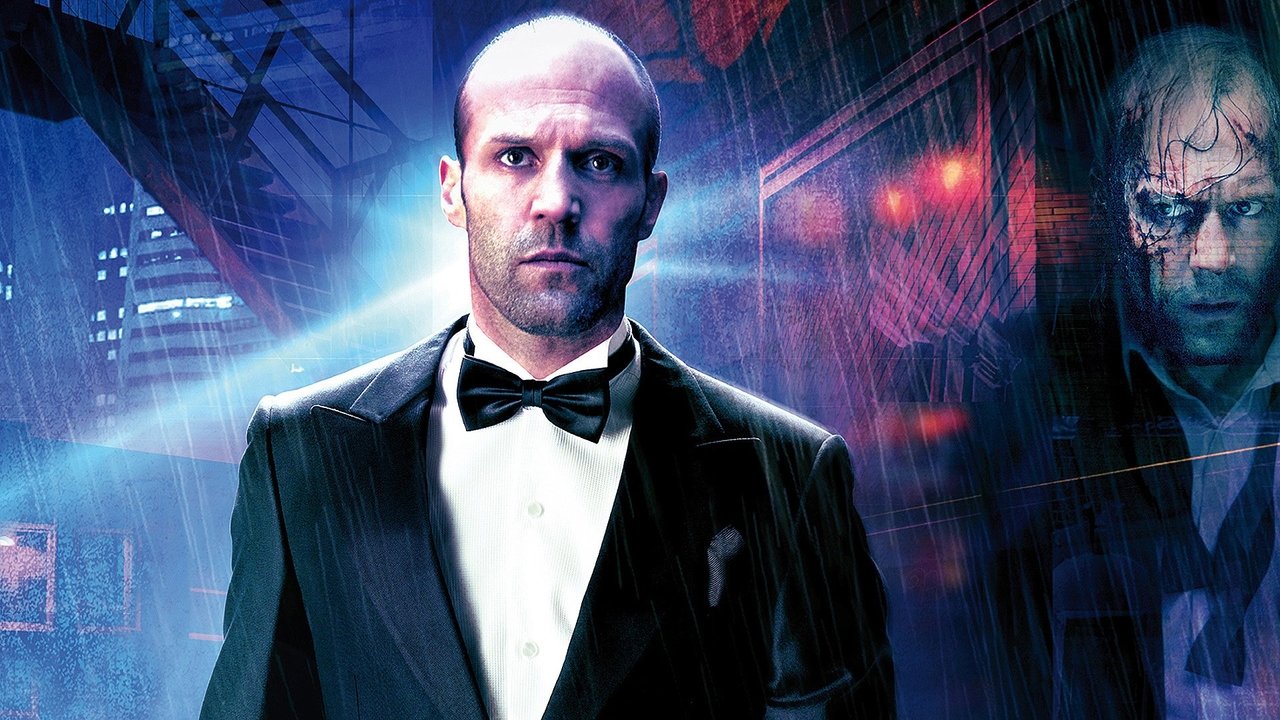
In the early 2010s, we were seeing the tail end of the "indie-fied" action movie—films like Drive had made it cool to be quiet and brooding again. Steven Knight, the mastermind behind Peaky Blinders and the screenplay for Eastern Promises, clearly wanted to see if Jason Statham could actually carry a dramatic weight. As Joey, a deserting Special Forces soldier living on the streets of London, Statham is stripped of his usual swagger. He’s dirty, he’s hallucinating hummingbirds (a PTSD manifestation from his time in Afghanistan), and he’s genuinely vulnerable.
When Joey stumbles into a posh, empty penthouse while fleeing a pair of thugs, he doesn't just find a place to hide—he finds a new identity. He steals the life of the wealthy photographer who owns the place, cuts his hair, puts on the suit, and starts working as an enforcer for Benedict Wong’s Mr. Choy. But here’s the twist: he isn't doing it for the money. He’s doing it to fund his own penance, funneling his illicit earnings back to the soup kitchen that fed him when he was a ghost on the pavement. This movie is basically 'The Transporter' if Frank Martin had a soul and a serious case of clinical depression.
The Nun and the Neon Noir
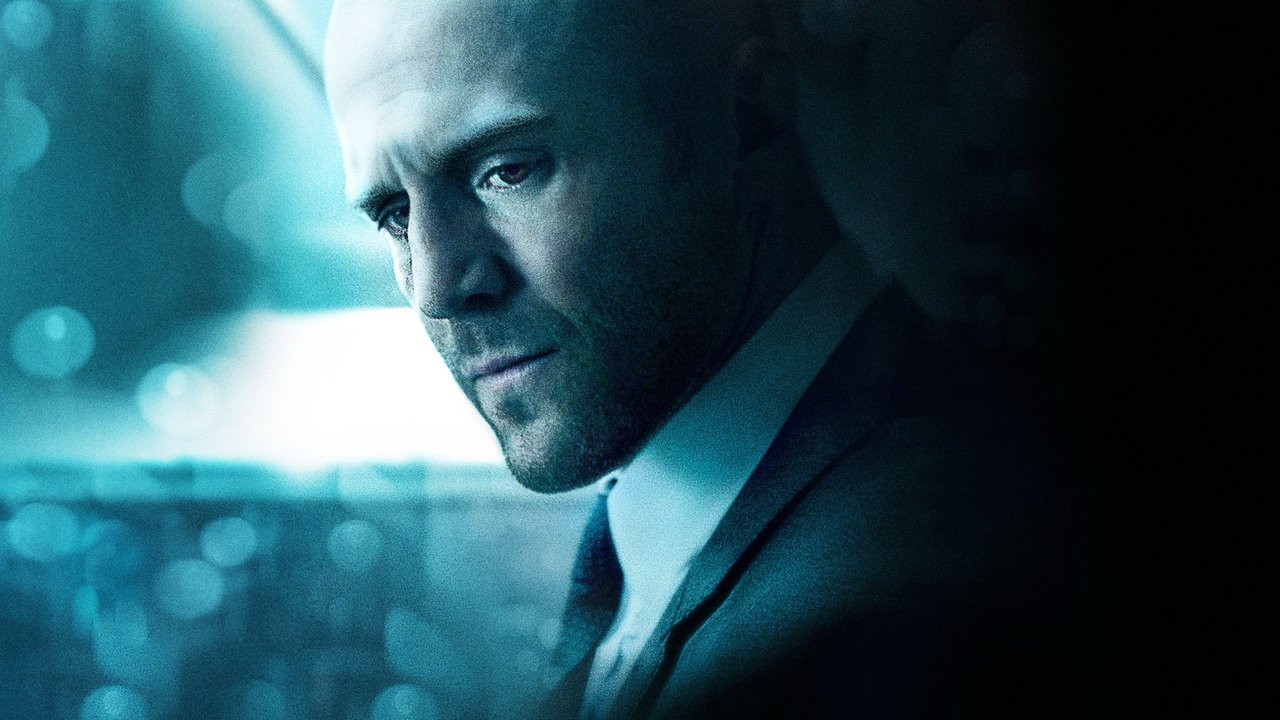
The real heart of the film, and the part that likely confused the marketing teams at Lionsgate, is the relationship between Joey and Sister Christina, played by Agata Buzek. She’s the nun running the soup kitchen, and their bond is one of the strangest, most fragile connections I’ve seen in a genre film. Buzek is incredible here; she has a face that looks like it was carved out of a very elegant piece of driftwood, and she brings a quiet intensity that matches Statham’s growl.
They are both damaged people hiding behind uniforms—his a stolen suit, hers a habit. Their conversations aren't about the next set piece; they’re about whether a person who has done terrible things can ever truly be "good." It’s heavy stuff for a movie that was sold to audiences as a "revenge thriller." The cinematography by the legendary Chris Menges (The Killing Fields) elevates London into a neon-soaked purgatory. It’s beautiful, damp, and lonely. Every time the action does happen, it feels heavy and consequential, not like a choreographed dance. When Joey hits someone, you feel the weight of his guilt as much as his fist.
Why This One Fell Through the Cracks
So, why did a $20 million movie starring one of the biggest action stars in the world only make $8 million? Looking back, it’s a classic case of identity crisis. The US title, Redemption, is generic enough to be forgotten by the time you finish saying it. The UK title, Hummingbird, was too "art-house" for the crowd that wanted to see Jason Statham drive a car through a building.
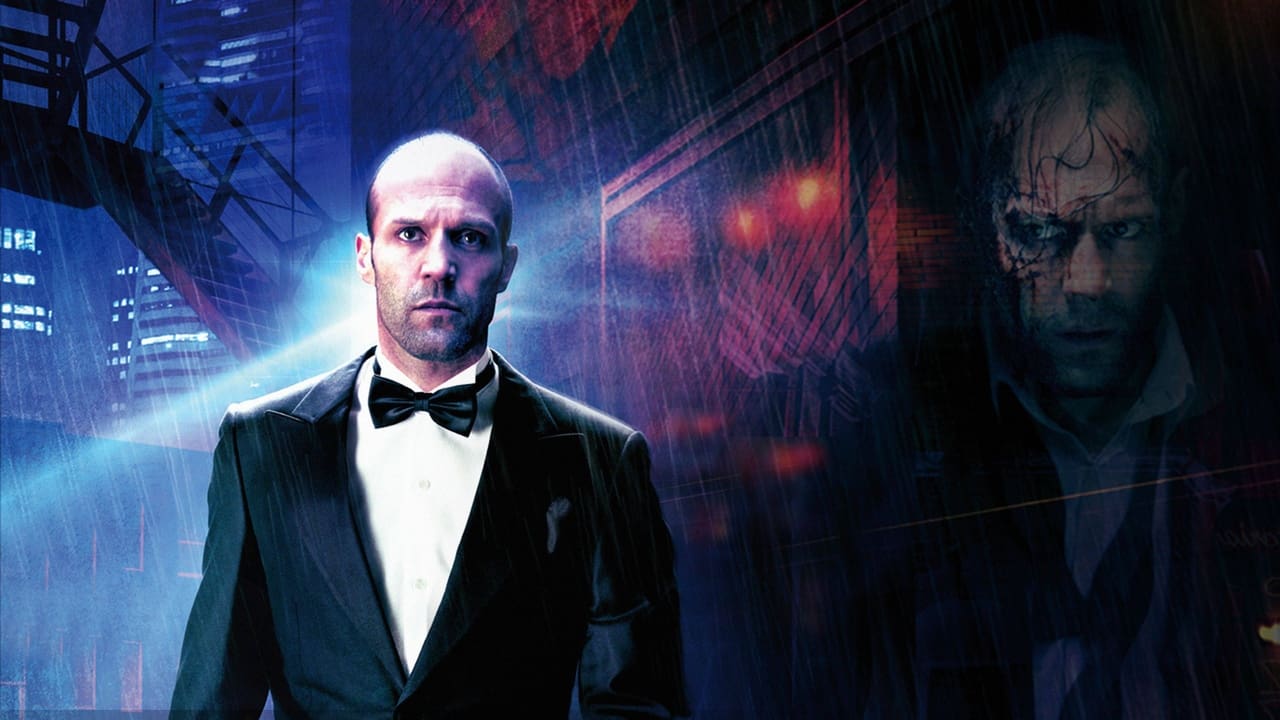
This was also the era when the mid-budget adult thriller was starting to die out, being squeezed into the "straight-to-VOD" bargain bin by the burgeoning MCU. It’s a shame, because Hummingbird shows a path Statham could have taken more often—the path of the "actor-star" rather than just the "brand." The action choreography is deliberately messy and brief. There are no wire-work stunts or CGI explosions. It’s just a man using the only skills he has to try and buy back a shred of his humanity. The stunt work is minimal because the real acrobatics are happening inside Joey’s fractured psyche.
If you’re looking for a film where Jason Statham does a backflip off a motorcycle, keep scrolling. But if you want to see a forgotten gem that captures the grimy, beautiful desperation of London at 3:00 AM, this is your stop. It’s a film that respects the genre enough to subvert it, and it gives Statham the best performance of his career.
Hummingbird isn't a perfect movie—it leans a bit too hard into its own melancholy at times—but it is a deeply sincere one. It’s a reminder of a time, only a decade ago, when we still took chances on mid-budget character pieces led by action icons. It didn't find its audience in 2013, but it’s sitting there on streaming right now, waiting for someone to appreciate its rainy-night soul. Give it a chance next time you’re in the mood for a thriller that actually has something to say.
Keep Exploring...
-
Blitz
2011
-
Locke
2014
-
Death Race
2008
-
Crank: High Voltage
2009
-
The Mechanic
2011
-
Safe
2012
-

Homefront
2013
-
Doomsday
2008
-
Street Kings
2008
-
Cirque du Freak: The Vampire's Assistant
2009
-

Death Race 2
2010
-
Takers
2010
-
The Losers
2010
-

Haywire
2011
-
Machine Gun Preacher
2011
-
Seeking Justice
2011
-

Act of Valor
2012
-

Get the Gringo
2012
-
Stand Up Guys
2012
-

Dead Man Down
2013