Ida
"The heaviest secrets are the ones kept in silence."
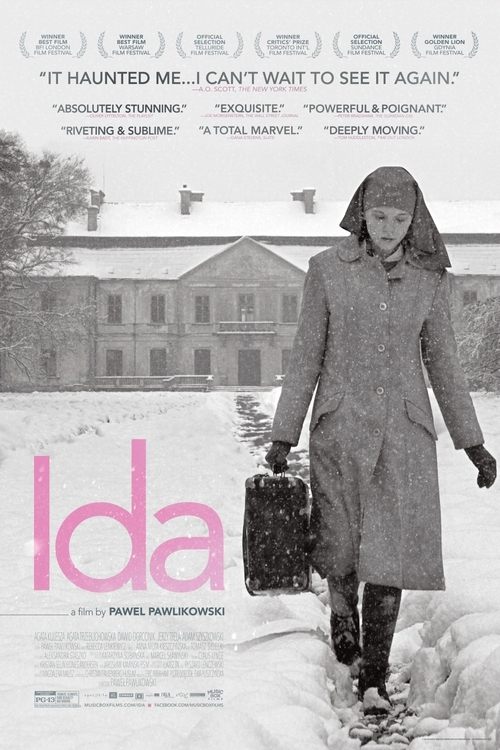
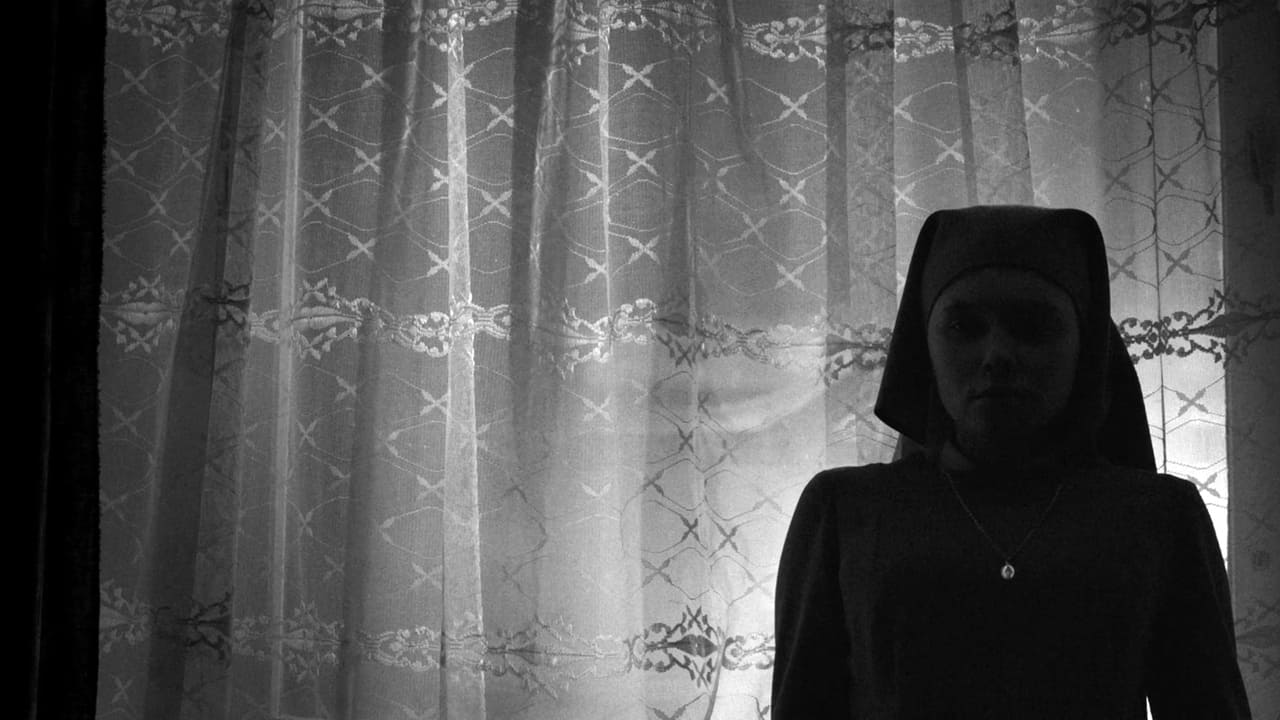
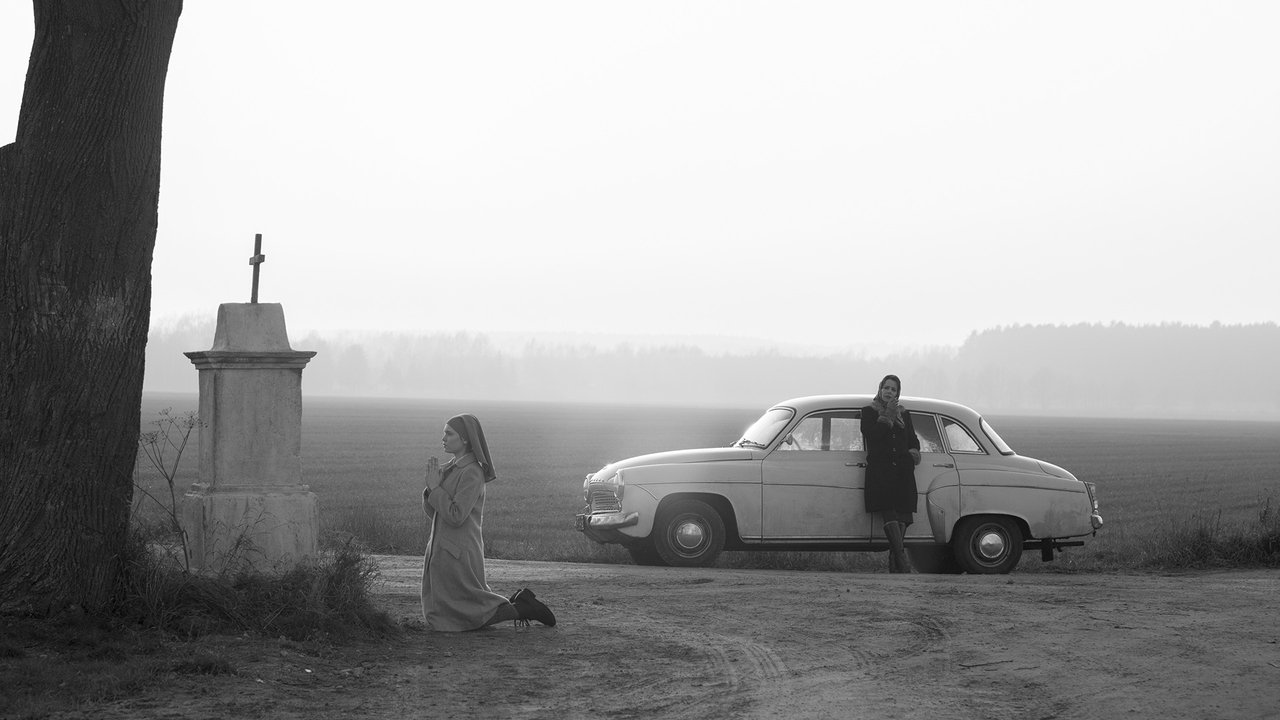
Most directors spend their entire careers trying to fill every square inch of the screen with "stuff"—explosions, witty banter, or enough CGI to make a supercomputer sweat. But when I first sat down to watch Paweł Pawlikowski’s Ida, I was struck by how much he leaves out. He uses a boxy 4:3 aspect ratio, the kind you remember from your grandmother’s old cathode-ray tube TV, and he leaves massive, echoing gaps of empty space above his characters' heads. It’s as if the weight of the Polish sky is physically pressing them down toward the bottom of the frame. I watched this while my neighbor was loudly practicing the tuba, and somehow the contrast between the film’s agonizing silence and that clumsy brassy honking next door made the ending hit even harder.
A Road Trip Into the Shadows
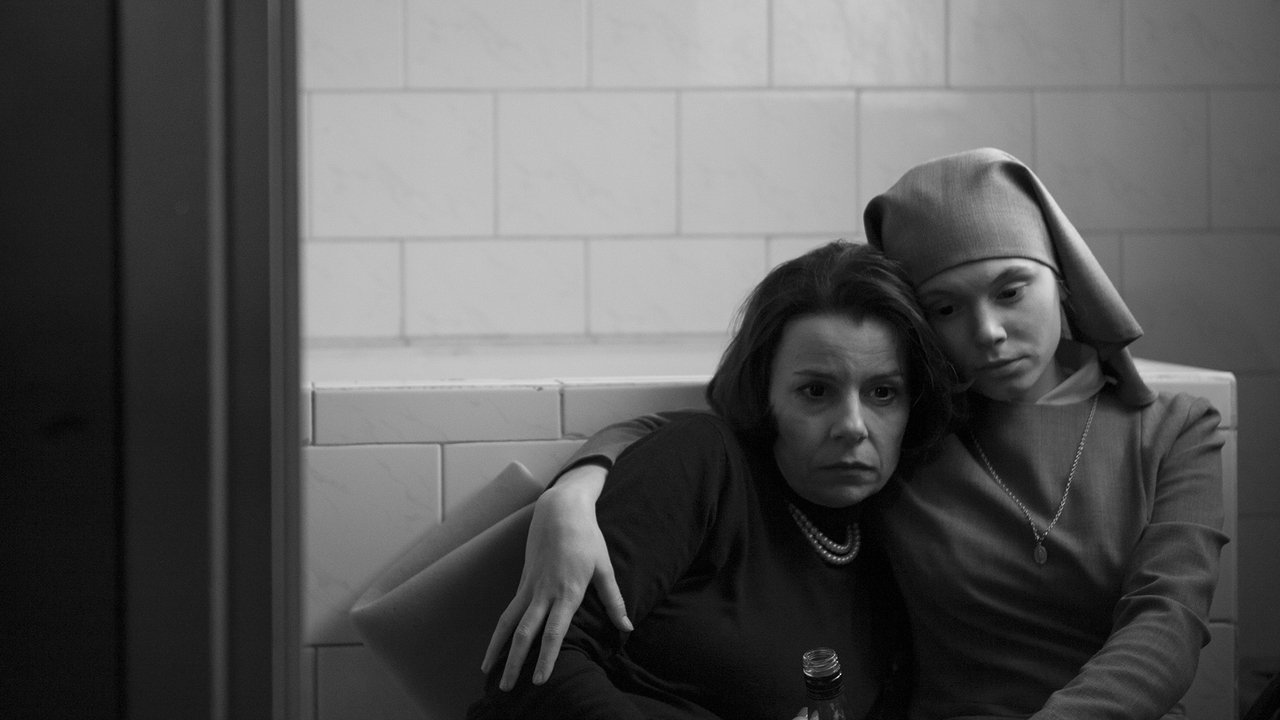
Set in 1962 Poland, the story follows Anna (Agata Trzebuchowska), a young, wide-eyed novitiate who has lived in a convent since she was an orphaned infant. Just before she takes her vows, the Mother Superior (Halina Skoczyńska) insists she visit her only living relative: her aunt Wanda (Agata Kulesza). When they finally meet, it’s a collision of two entirely different universes. Anna is a silent vessel of faith; Wanda is a hard-drinking, chain-smoking state judge with a past as a revolutionary prosecutor known as "Red Wanda."
Wanda wastes no time dropping a bombshell: Anna’s real name is Ida Lebenstein. She’s Jewish, and her parents were murdered during the German occupation. What follows isn't your typical Hollywood road trip. There are no wacky hijinks or singalongs. Instead, it’s a quiet, devastating journey into the countryside to find where Ida’s parents are buried. Wanda is the most fascinating "hot mess" in cinema history, carrying the kind of cynical, bone-deep exhaustion that only comes from serving a regime that broke your soul.
The Art of the Indie Gamble
From a production standpoint, Ida is a miracle of the 2010s indie scene. It was made for a measly $1 million—essentially the catering budget for a Marvel movie—and went on to rake in over $15 million and an Oscar for Best Foreign Language Film. Looking back, it’s wild to think that Paweł Pawlikowski (who later gave us the equally stunning Cold War) had to fight to film it in black and white. Investors usually run for the hills the moment a director mentions "monochrome" and "subtitles," but the lack of color is exactly why it works.
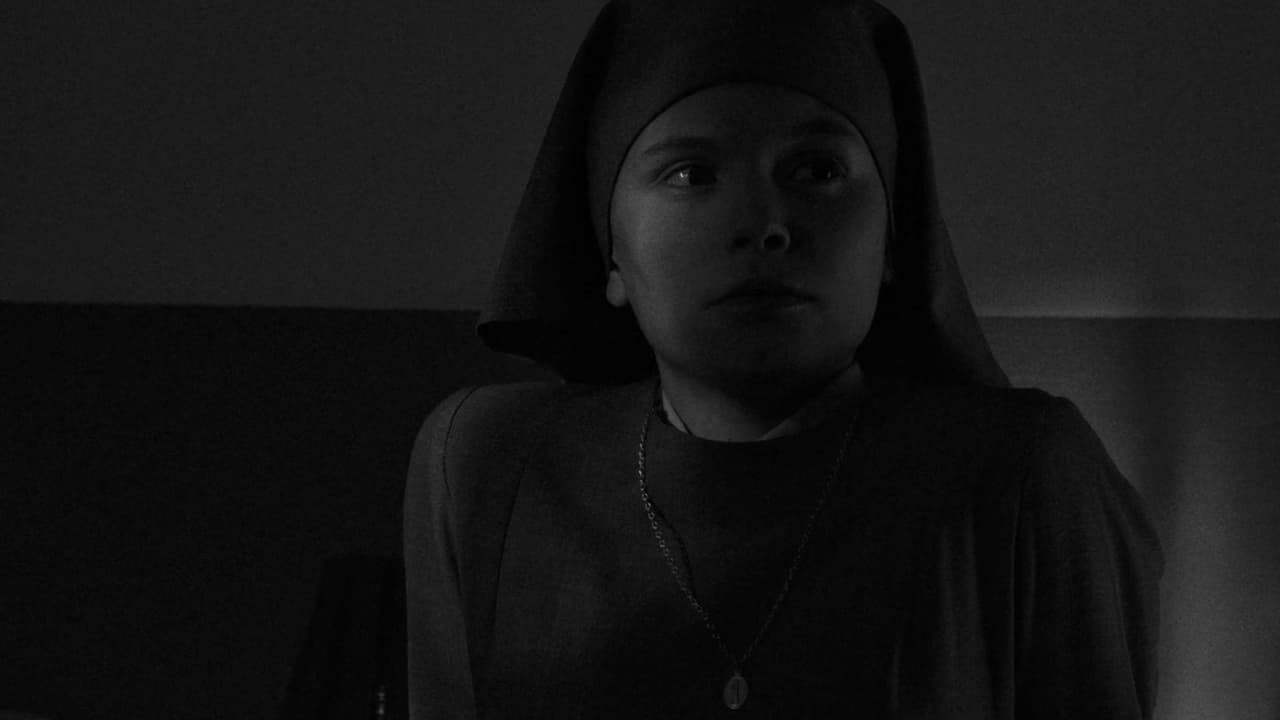
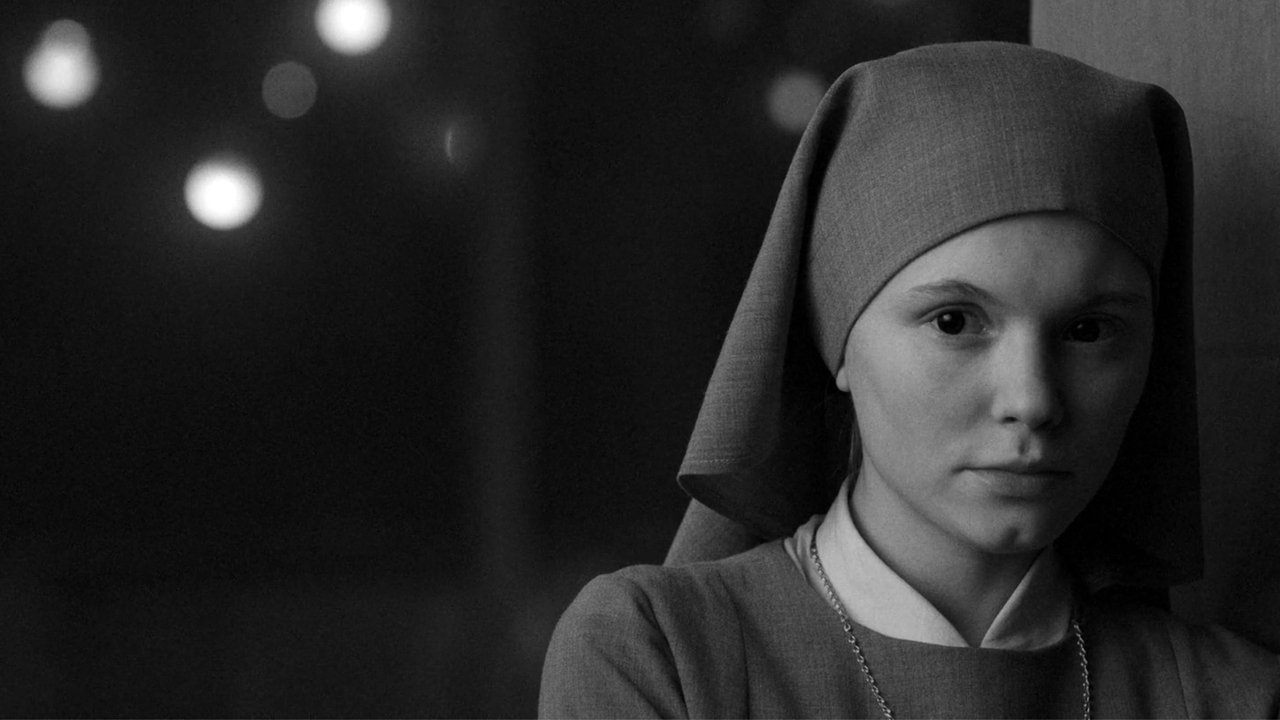
The cinematography by Łukasz Żal and Ryszard Lenczewski doesn't just look "old"—it looks like a memory that’s been scrubbed clean of distractions. They used the Arri Alexa digital camera but framed it with such precision that every shot feels like a high-art photograph you’d see in a gallery in Paris. Interestingly, the lead actress, Agata Trzebuchowska, wasn't even an actress. Pawlikowski's friend spotted her in a Warsaw café reading a book and realized she had the exact "timeless" face the film needed. She was a philosophy student who had no interest in acting, which is probably why her performance feels so startlingly unforced. She doesn't "act" so much as she "is."
Silence is the Loudest Soundtrack
The film also captures a very specific 1960s mood—the "Small Stabilization" period in Poland where the grimness of the Stalinist era was starting to give way to a flicker of Western influence. We see this through Lis (Dawid Ogrodnik), a charming saxophone player the women pick up along the road. The soundtrack is basically just silence and a jazz saxophone, and it's better than any Hans Zimmer score. It highlights the tension between Ida’s religious calling and the secular world of music, sex, and Coltrane that she never knew existed.
What I love about Ida is that it doesn't over-explain. In an era where modern dramas feel the need to narrate every character's internal trauma via a five-minute monologue, Pawlikowski trusts his audience. He lets the camera linger on a face or a patch of dirt, and we feel the history there. It’s a film about the scars of the Holocaust and the Cold War, but it approaches those massive topics through the smallest, most intimate moments. It asks if you can truly be "pure" if you don't know who you are, and if the truth is always better than a comfortable lie.
Ida is the kind of movie that stays in your marrow long after the credits roll. It’s short—barely 80 minutes—but it feels more substantial than most three-hour epics. Whether you’re a fan of historical dramas or just someone who appreciates a perfectly composed shot, this is essential viewing. It’s a stark reminder that you don’t need a massive budget to create a masterpiece; you just need a clear vision and the courage to let the silence speak.
Keep Exploring...
-
Cold War
2018
-
Defiance
2008
-
Frost/Nixon
2008
-
Hunger
2008
-
Ip Man
2008
-

Milk
2008
-
Red Cliff
2008
-
The Boy in the Striped Pyjamas
2008
-
The Duchess
2008
-
Agora
2009
-
Coco Before Chanel
2009
-
Invictus
2009
-
Public Enemies
2009
-
The Young Victoria
2009
-
Ip Man 2
2010
-
The King's Speech
2010
-
The Round Up
2010
-
The Way Back
2010
-
A Royal Affair
2012
-
Anna Karenina
2012