Inside Llewyn Davis
"Success isn't for everyone."
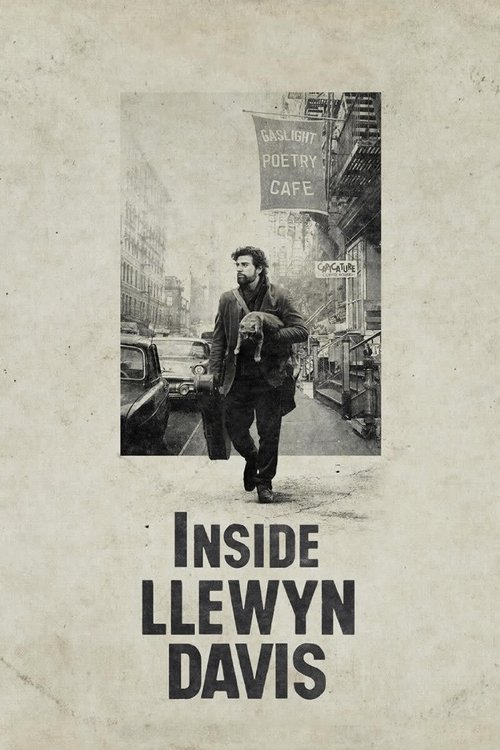
The film begins and ends with a punch to the face in a dark alleyway behind the Gaslight Cafe. It’s a fitting bookend for a story that isn't about the "overcoming" we usually see in musical biopics. In fact, it’s the anti-biopic. While most movies of the 2010s were busy building cinematic universes or chronicling the meteoric rise of icons, Joel and Ethan Coen decided to look at the guy who was standing just five minutes too far to the left of history.
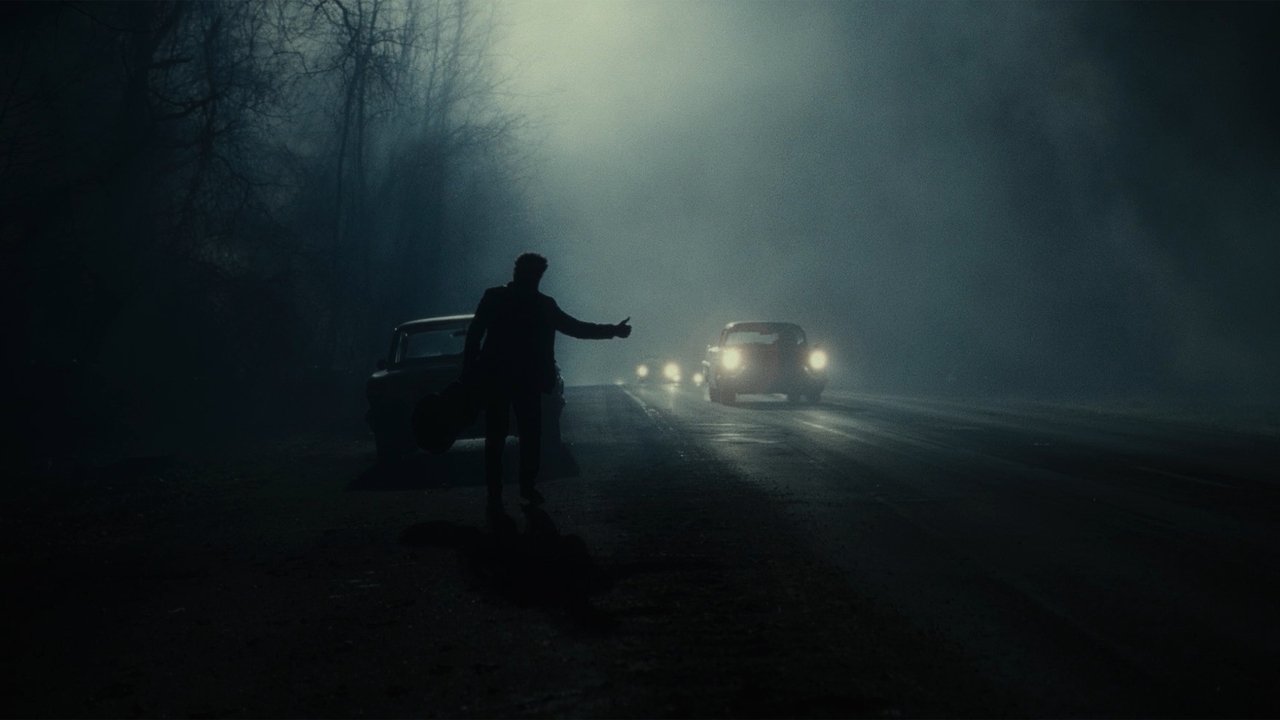
I watched this on a Tuesday night while eating a bowl of cereal that had gone slightly soggy, and honestly, the dampness of the flakes matched the New York slush on screen perfectly. There’s a specific kind of cold you feel in Inside Llewyn Davis—not the festive, snowy kind, but the grey, wet, "my socks are never going to be dry again" kind. It’s a masterpiece of mood that captures the precise moment before the 1960s exploded into a cultural revolution.
The Art of Being Your Own Worst Enemy
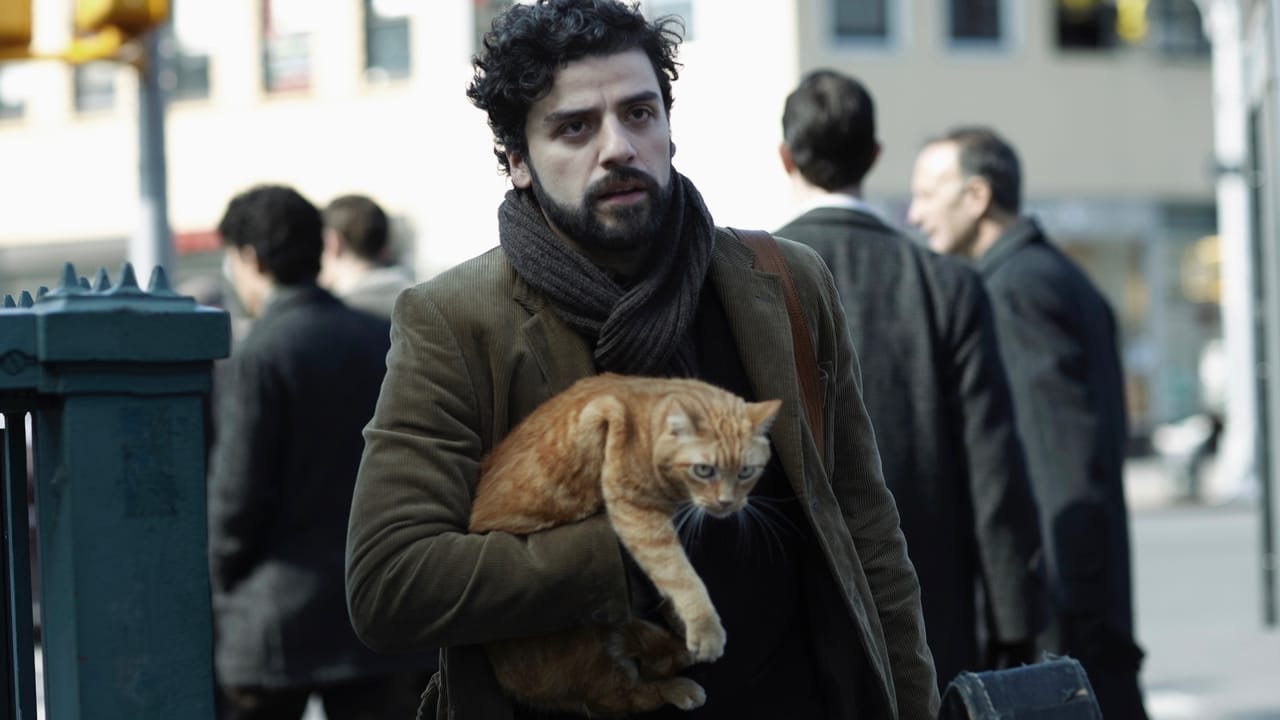
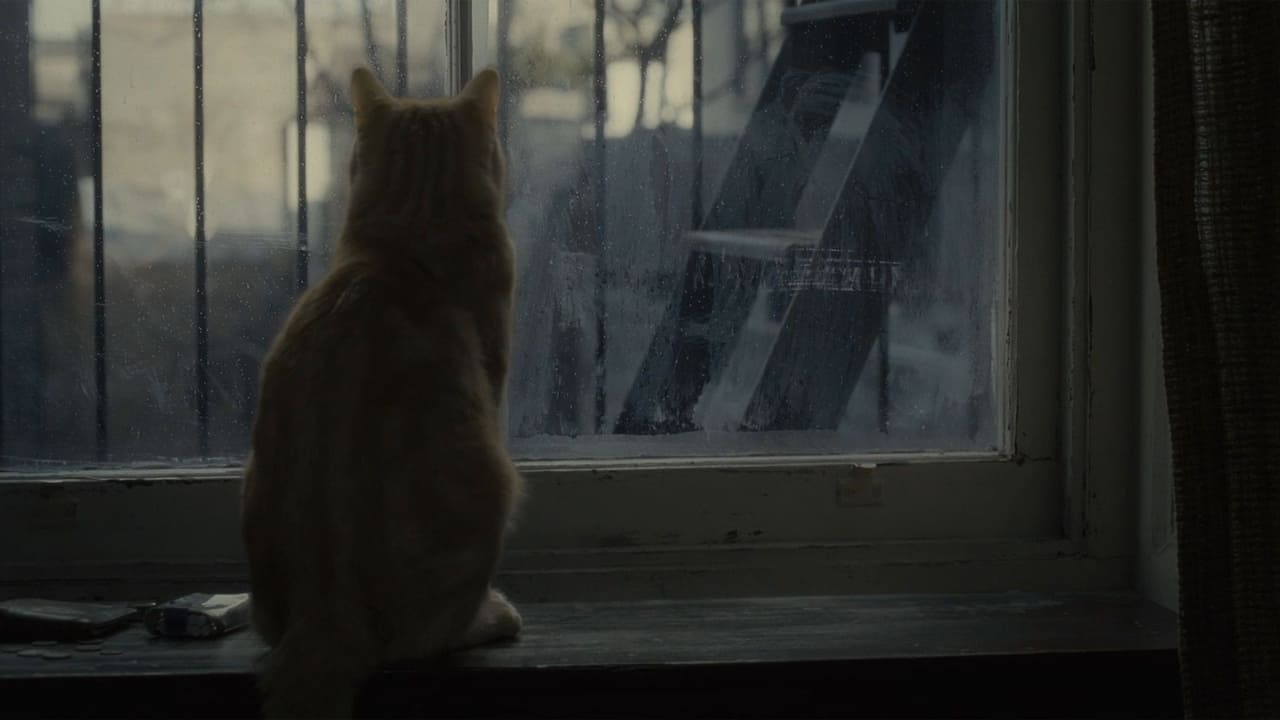
At the center of this orbit is Oscar Isaac, delivering a performance that I’d argue is one of the most soulful of the 2010s. Before he was pilot-shooting TIE fighters or brooding under a cowl, Oscar Isaac was Llewyn Davis, a man who is undeniably talented but fundamentally incapable of getting out of his own way. He’s grieving the suicide of his singing partner, he’s broke, and he’s carrying around a ginger cat that isn't even his.
What makes this drama so compelling is that the Coens don't ask you to pity him. Llewyn is often arrogant and occasionally cruel, particularly to Carey Mulligan’s Jean, who spends most of her screen time rightfully screaming at him. Carey Mulligan is a firecracker here; her chemistry with Oscar Isaac is built entirely on a foundation of shared history and current resentment. You get the sense that these people have been having the same argument for three years, and they'll probably keep having it until the folk scene dries up.
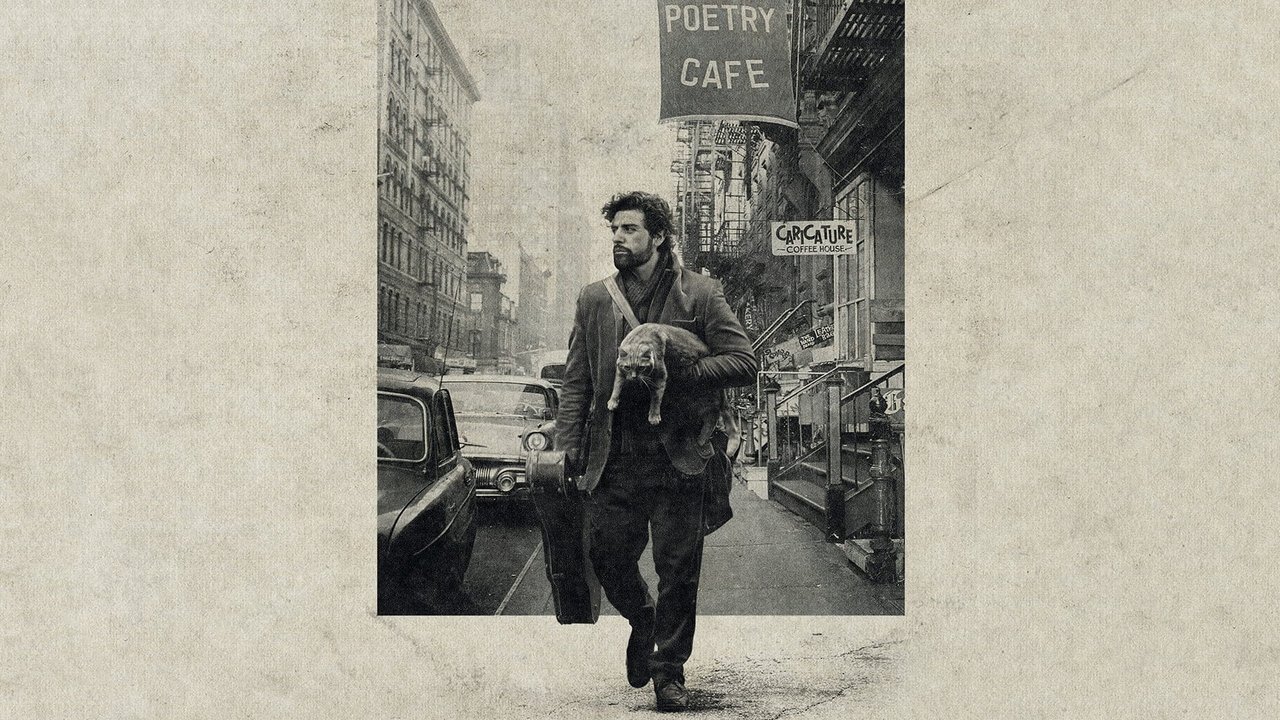
The film excels in its "Modern Cinema" context by eschewing the slick, digital perfection that started to plague the early 2010s. Instead, cinematographer Bruno Delbonnel (who also lensed Amélie) creates a desaturated, foggy look inspired by the cover of the The Freewheelin' Bob Dylan album. It looks like a memory that’s starting to fade around the edges.
A Soundtrack That Actually Plays
We need to talk about the music, because this isn't a "musical" in the traditional sense. There are no break-out dance numbers. The songs are performed in their entirety, and Oscar Isaac played and sang every note live on set. This was a massive risk, but it pays off because you can see the effort in his neck muscles and the genuine weariness in his voice.
One of the funniest, most bizarre highlights is the recording of "Please Mr. Kennedy." Watching Oscar Isaac’s soul slowly leave his body as he tries to maintain his "serious artist" dignity while Justin Timberlake (playing the relentlessly earnest Jim) and a pre-fame Adam Driver (making incredible "outer space" noises) sing a goofy pop-folk song is comedy gold. It’s the Coen brothers at their best: the funniest moments in their movies always happen when someone’s dignity is being slowly crushed like a soda can.
The Curse of the "Almost" Famous

The cult status of Inside Llewyn Davis has only grown since 2013 because it speaks to anyone who has ever tried to make something and failed. In an era where "hustle culture" was starting to take over our social feeds, this film arrived to say: sometimes you work hard, you have the talent, and you still end up back in the same alleyway.
Apparently, the production used three different cats to play Ulysses (the ginger tabby), and the Coens famously joked that the cat was the most difficult actor they’d ever worked with because cats don’t follow directions. There’s a bit of trivia that fans obsess over: the film is loosely based on the life of Dave Van Ronk, a real pillar of the Greenwich Village scene. The title of the film even mirrors Van Ronk’s album Inside Dave Van Ronk, and the Gorfeins' apartment is modeled after the real-life home where folkies used to crash.
Another detail that always kills me: the music was produced by T-Bone Burnett, who also did the soundtrack for O Brother, Where Art Thou?. But where that film was a celebratory, foot-stomping success, this one is a lonely, haunting echo. It turns out that Oscar Isaac actually played music in a ska-punk band called the Blinking Underdogs before he became an actor, which explains why he looks so comfortable clutching that Gibson L-1 guitar.
Inside Llewyn Davis is the kind of movie that feels different every time you watch it. Some years, it feels like a tragedy about grief; other years, it’s a pitch-black comedy about a guy who just can't catch a break. It’s a beautiful, frustrating, circular journey that reminds me that the "almost" stories are often more interesting than the "success" stories. It’s a film that stays with you long after the final notes of "Fare Thee Well" fade out, leaving you just as cold and haunted as its protagonist.
Keep Exploring...
-

A Serious Man
2009
-
The Ballad of Buster Scruggs
2018
-
Burn After Reading
2008
-
True Grit
2010
-

Miller's Crossing
1990
-
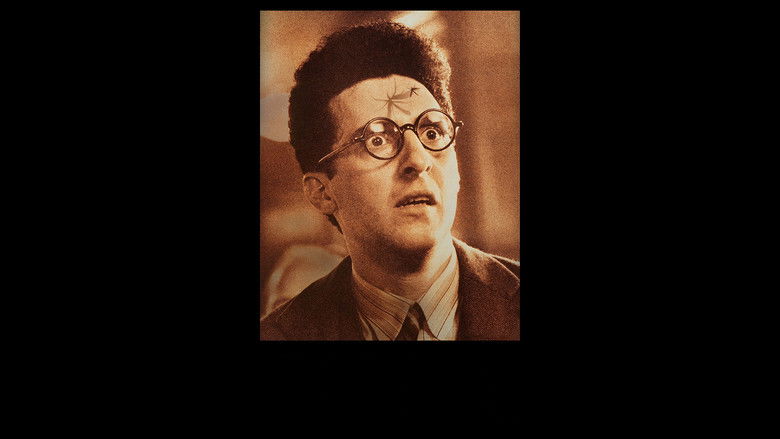
Barton Fink
1991
-
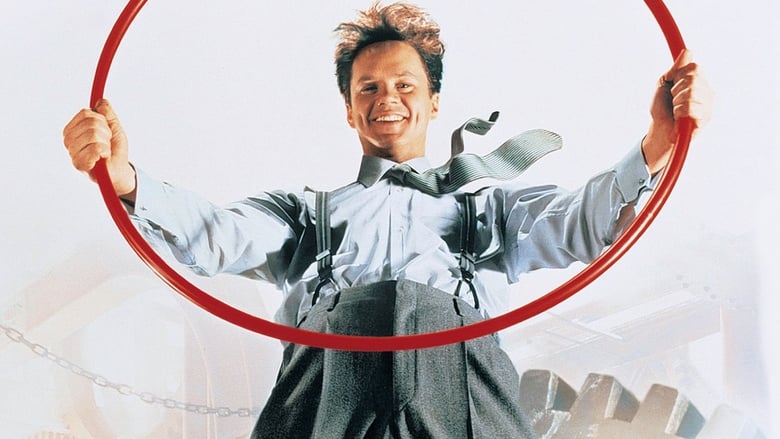
The Hudsucker Proxy
1994
-
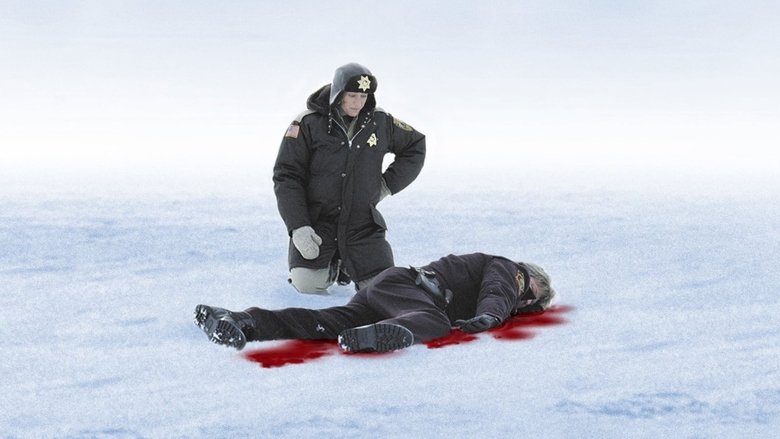
Fargo
1996
-
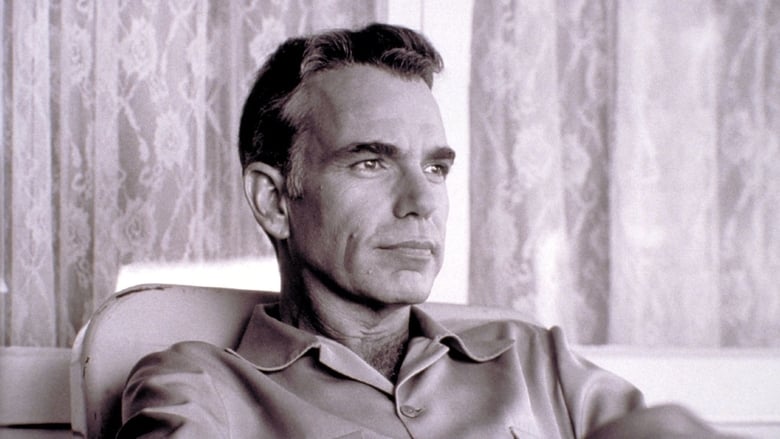
The Man Who Wasn't There
2001
-

Begin Again
2014
-
The Big Lebowski
1998
-

O Brother, Where Art Thou?
2000
-

The Bélier Family
2014
-
High Fidelity
2000
-

August Rush
2007
-

High School Musical 2
2007
-

Unbroken
2014
-
Almost Famous
2000
-

High School Musical 3: Senior Year
2008
-

Nick and Norah's Infinite Playlist
2008