Insidious: Chapter 2
"The Further hasn't finished with them yet."
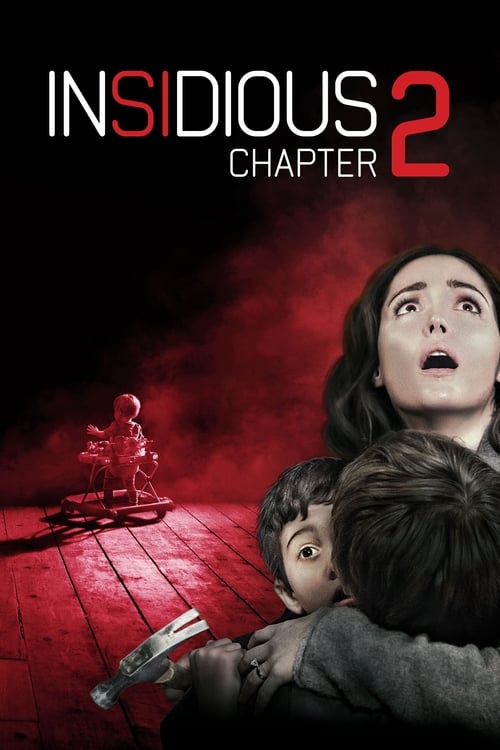
There’s a specific kind of dread that comes with realizing the person sitting across from you at the breakfast table isn't actually your husband, but a Victorian-era spirit with a penchant for domestic homicide. By the time 2013 rolled around, James Wan had already established himself as the architect of modern nightmare fuel, having just released The Conjuring a few months prior. But while The Conjuring felt like a polished, prestige ghost story, Insidious: Chapter 2 felt like Wan and writer Leigh Whannell were inviting us into their personal toy box of weirdness. It’s a sequel that doesn’t just double down on the scares; it decides to go on a bizarre, time-bending scavenger hunt through its own mythology.
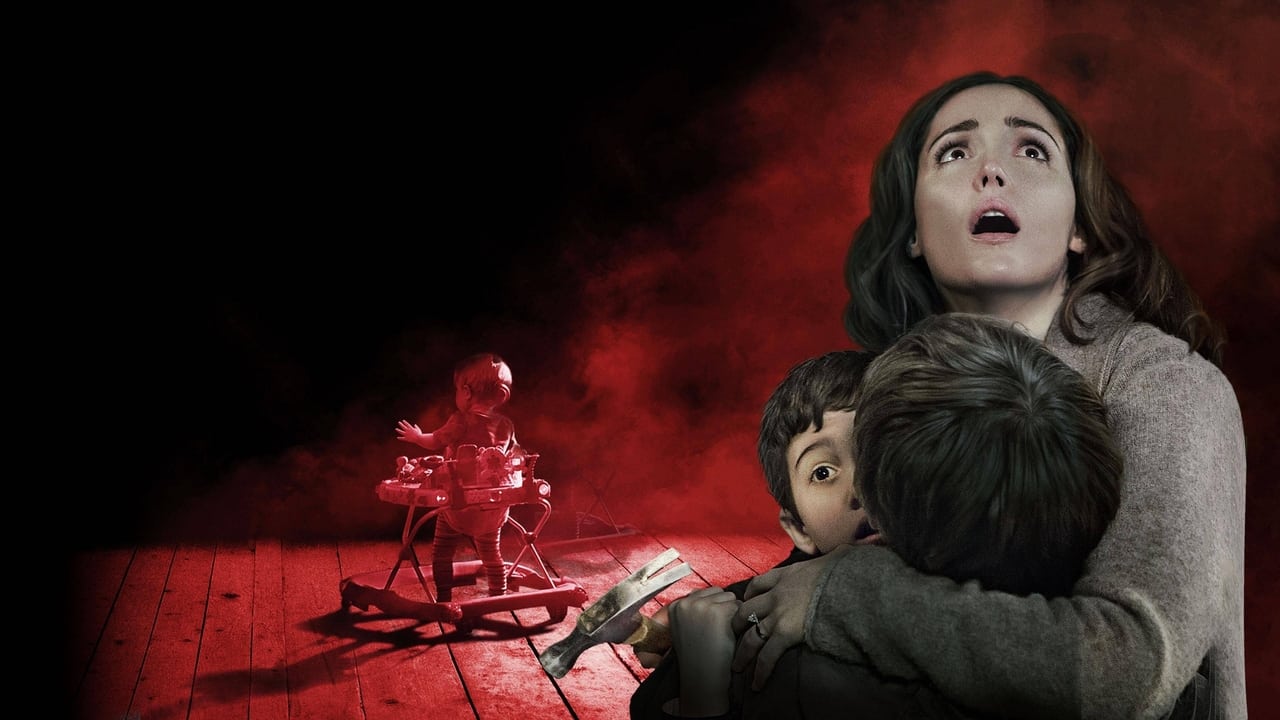
I remember watching this on a laptop with one broken speaker while my neighbor was aggressively power-washing their driveway at 10:00 PM. Somehow, that industrial mechanical hum outside my window made the "Further"—the film's signature purgatory—feel even more metallic and alien. It’s that kind of movie; it bleeds into your surroundings because it focuses so heavily on the sounds of a house that just won’t stay quiet.
A Masterclass in the "Blumhouse Model"
Looking back, Insidious: Chapter 2 is a quintessential artifact of the early 2010s "Blumhouse Era." This was a time when the industry was shifting away from the high-budget "torture porn" of the mid-2000s and toward high-concept, low-budget supernatural thrillers. Produced for a measly $5 million, the film went on to rake in over $160 million worldwide. That’s not just a success; it’s a total heist.
The film picks up exactly where the first one left off, which was a bold move in an era where most horror sequels were just lazy retreads. Instead, Leigh Whannell wrote a script that functions almost like Back to the Future Part II, but with more screeching violins and dead grandmothers. We see the events of the first film from new angles, filling in gaps we didn't even know existed. It turned the Lambert family's trauma into a sprawling, multi-generational ghost story. While some critics at the time found the plot a bit "convoluted," I’ve always appreciated a sequel that actually tries to expand the world rather than just resetting the clock.
The Lambert Family and the Art of the "Evil Grin"
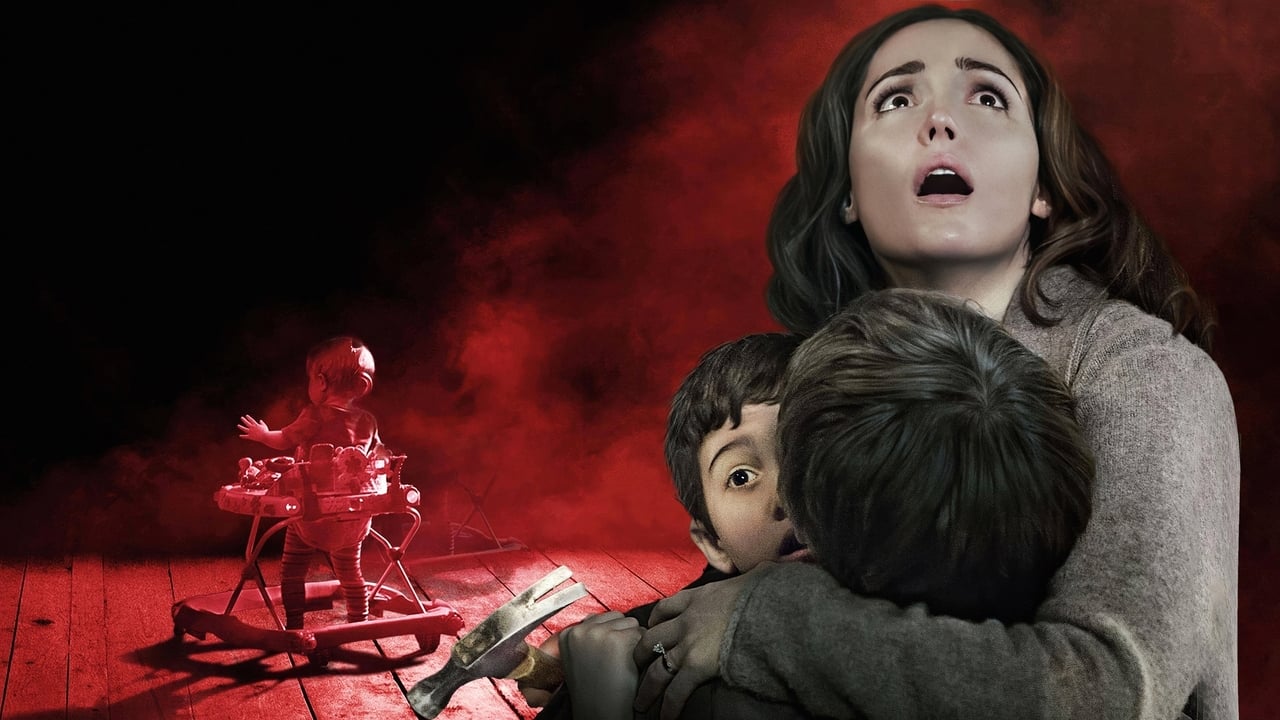
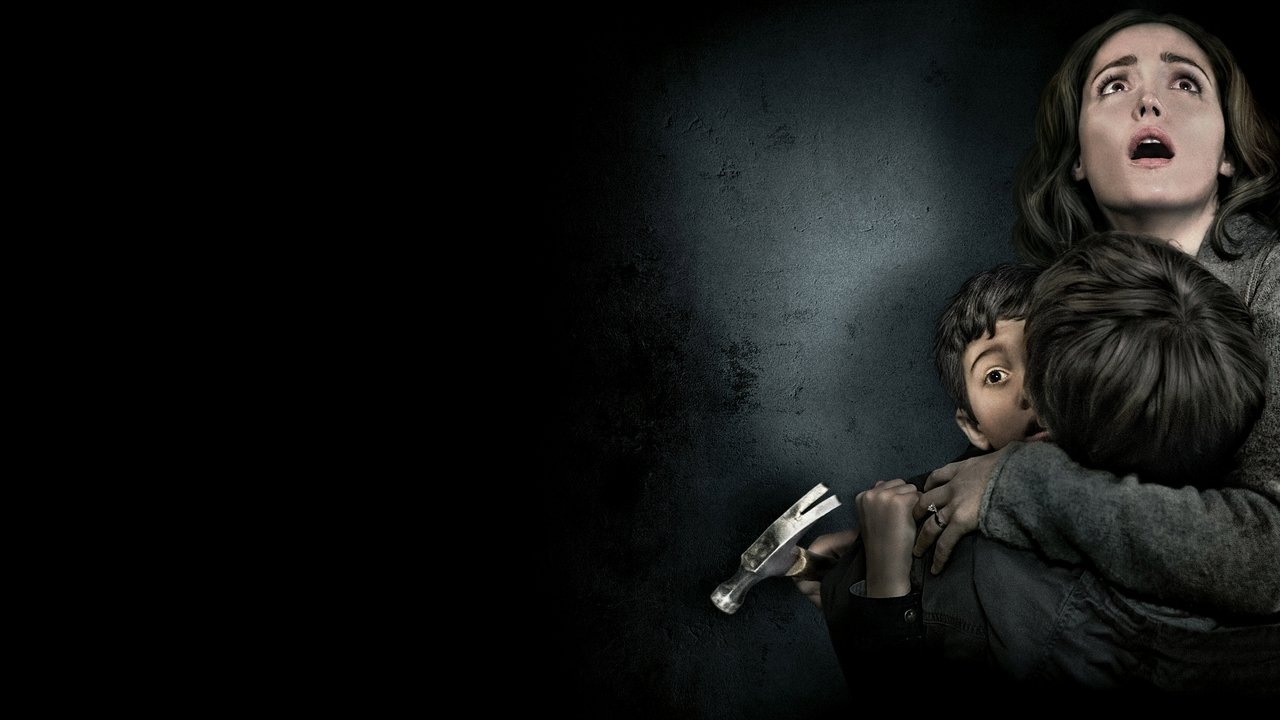
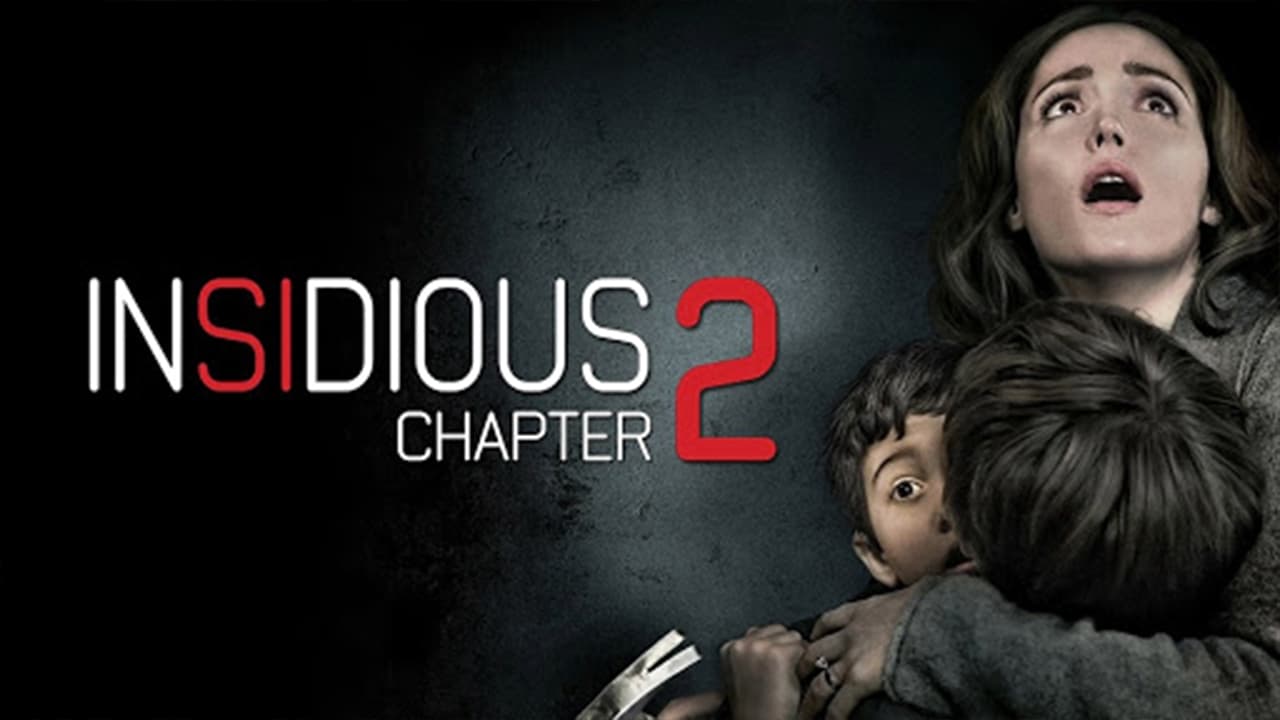
Patrick Wilson is the MVP here. In the first film, he was the skeptical, "I’ll protect my family" dad. Here, he gets to have a blast playing Josh Lambert-but-not-really. There’s a scene where he’s losing teeth and his skin is turning a sickly grey, and Patrick Wilson’s ‘evil’ face looks like he’s trying to remember if he left the oven on while simultaneously plotting your demise. It’s a fun, campy performance that balances the more grounded, frantic energy of Rose Byrne.
Rose Byrne is often the unsung hero of this franchise. She does the "terrified mother" role better than almost anyone in the business, making the supernatural stakes feel heavy and real. Then you have the return of Lin Shaye as Elise and the introduction of Steve Coulter as Carl. Seeing these older actors lead the charge against the paranormal gave the Insidious series a unique flavor—it wasn't just about teenagers in a cabin; it was about parents, grandparents, and the heavy weight of family history. Barbara Hershey also returns as Lorraine Lambert, providing the much-needed exposition with a gravitas that only a veteran of the genre could pull off.
Crafting a Nightmare on a Budget
What I love about this era of James Wan films is the reliance on practical ingenuity. In a time when CGI was becoming the default for every ghost and ghoul, Insidious: Chapter 2 used makeup, lighting, and camera movements to build its world. The "Bride in Black" (played by Tom Fitzpatrick) remains one of the most striking character designs of the decade precisely because it’s so simple—a tall figure in a veil, standing in the corner of a room.
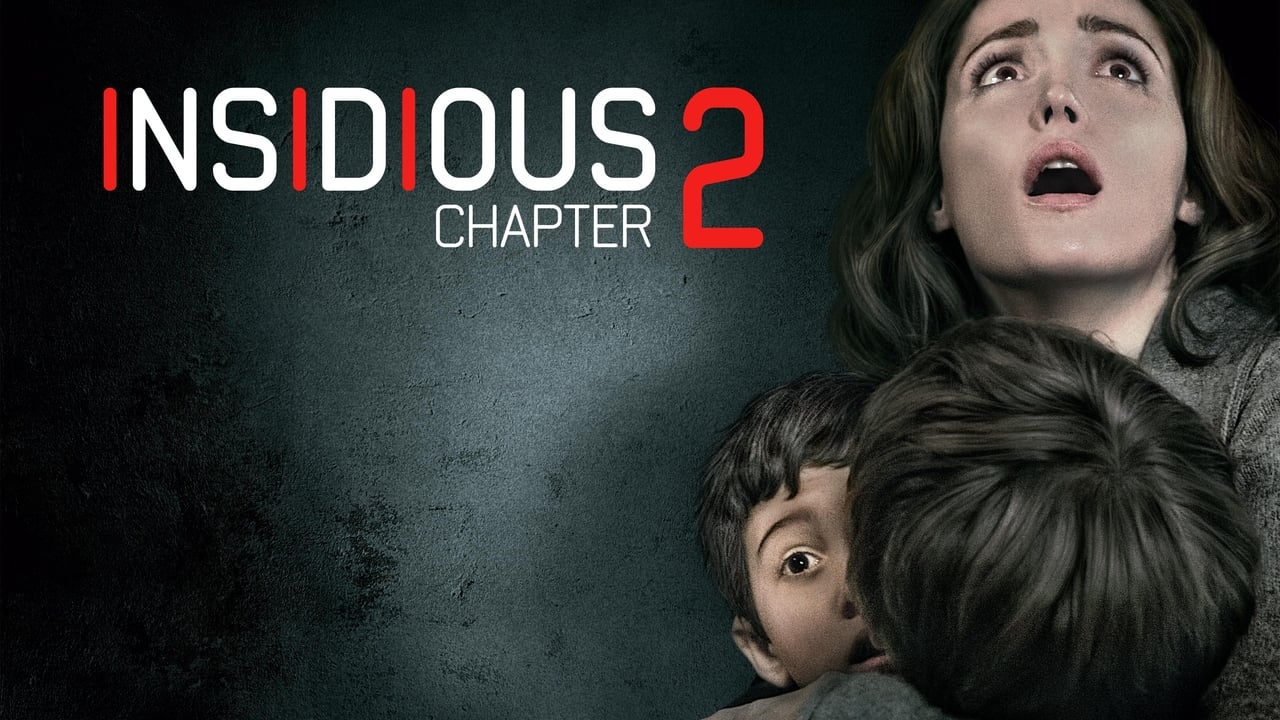
The score by Joseph Bishara is essentially its own character. It’s not a "soundtrack" in the traditional sense; it’s a collection of jagged, dissonant stings that feel like they’re trying to saw through your eardrums. It’s aggressive and unapologetic, much like the film’s jump scares. Are they "cheap"? Maybe. But James Wan is the king of the "false start" scare, and he uses the geography of the Lambert house (and that creepy hospital location) to keep you looking at the wrong side of the frame.
Interestingly, the crew actually filmed at the Linda Vista Community Hospital in Los Angeles, a location famous among paranormal investigators. Apparently, the cast and crew felt genuinely unsettled there, which I’m sure helped the performances. It’s that authentic "shabby-scary" aesthetic that defined the franchise before it eventually moved into more polished territory.
Insidious: Chapter 2 is a rare sequel that manages to be just as much fun as the original, even if it trades some of the initial mystery for a wilder, more chaotic energy. It’s a bridge between the indie-spirit horror of the early 2000s and the massive franchise machines we see today. If you're looking for a film that balances genuine chills with a weirdly satisfying "ah-ha!" plot structure, this one holds up surprisingly well. Just make sure your neighbors aren't power-washing their driveways when you hit play.
Keep Exploring...
-
Insidious
2011
-
Insidious: Chapter 3
2015
-

Insidious: The Last Key
2018
-
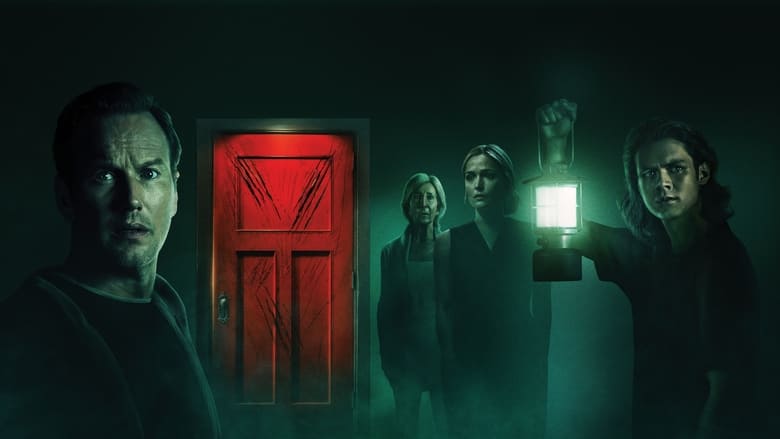
Insidious: The Red Door
2023
-
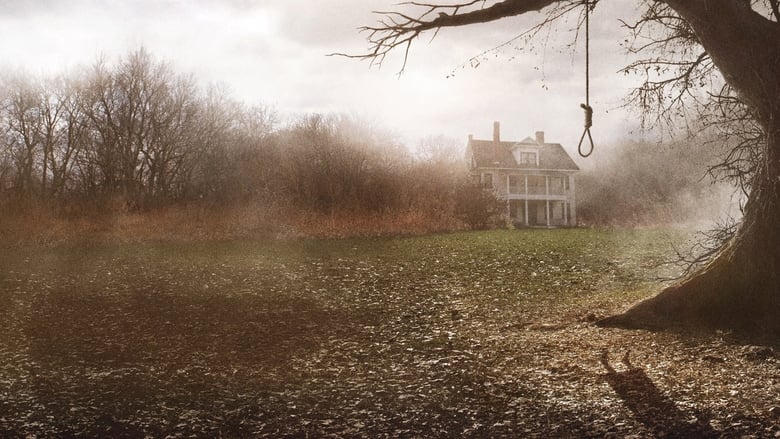
The Conjuring
2013
-
Saw
2004
-
Saw III
2006
-
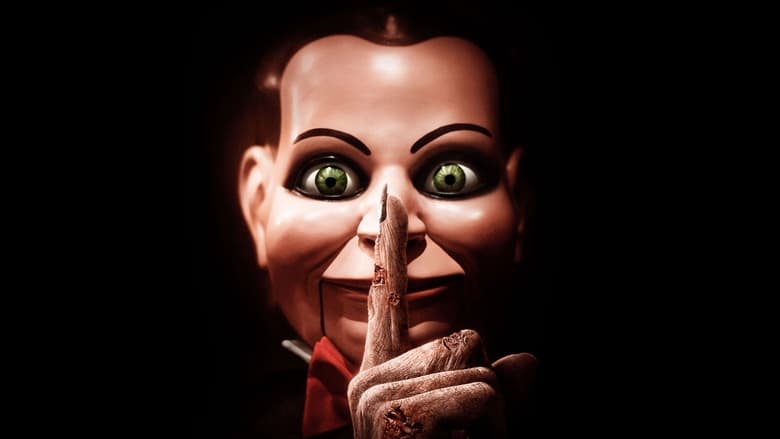
Dead Silence
2007
-

Saw V
2008
-
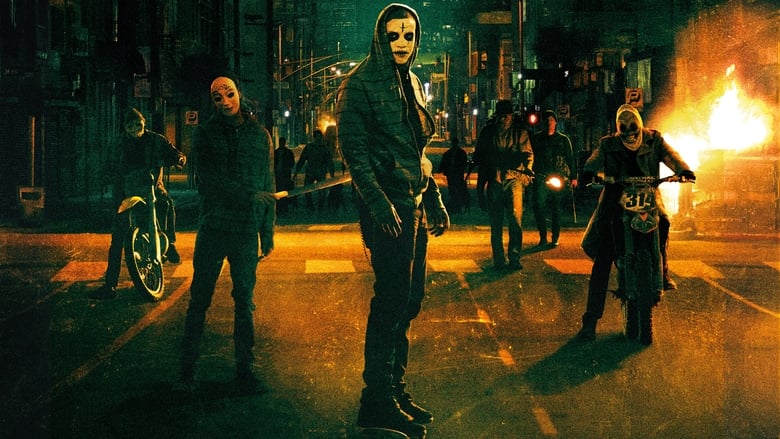
The Purge: Anarchy
2014
-
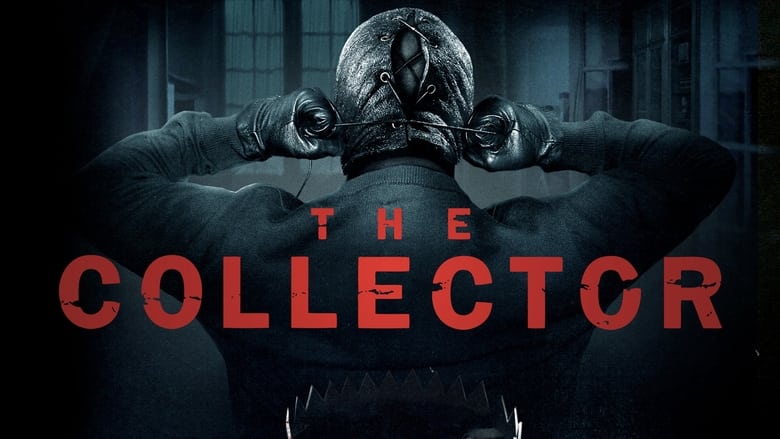
The Collector
2009
-
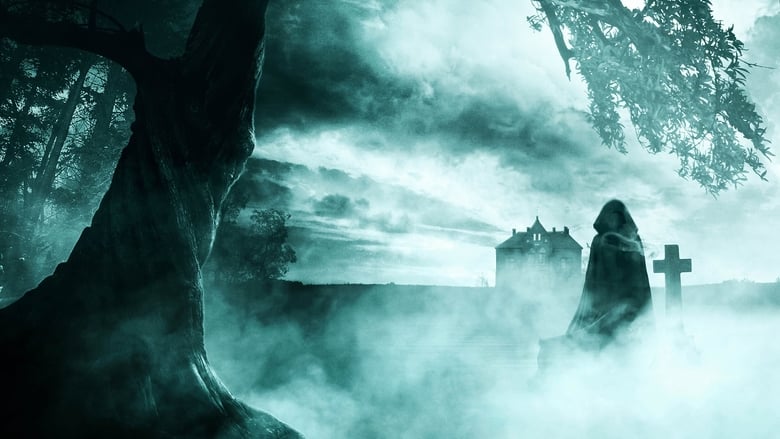
The Woman in Black
2012
-
I Know What You Did Last Summer
1997
-
The Cell
2000
-
The Others
2001
-
Gothika
2003
-
The Grudge
2004
-
The Exorcism of Emily Rose
2005
-
Saw IV
2007
-
Black Swan
2010