Kick-Ass 2
"High school is hell. Vigilantism is worse."
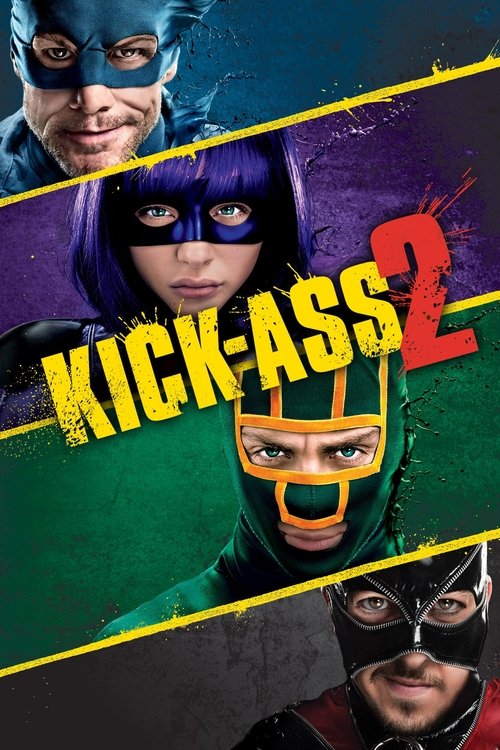
In 2013, the superhero landscape was starting to look a little too clean. The MCU was hitting its stride with Iron Man 3, and the "polished" look of digital cinematography was becoming the industry standard. Then came Kick-Ass 2, a movie that essentially looked at the soaring heroism of the Avengers and decided to throw a brick through its window. It didn't just want to subvert the genre; it wanted to show you the staph infection you’d get from wearing a wet scuba suit in a dumpster fire.

I watched this film for the first time while my college roommate was frantically trying to fix a leaky sink in the background. The smell of PVC glue and stagnant water actually felt like 4D cinema—it perfectly matched the grimy, DIY aesthetic of Dave Lizewski’s world. While the first film (directed by Matthew Vaughn) felt like a slick, hyper-violent fever dream, this sequel, helmed by Jeff Wadlow, feels much more like a street-level brawl. It’s messier, meaner, and arguably more honest about how much it would actually suck to be a "real-life" superhero.
The Growing Pains of Justice Forever
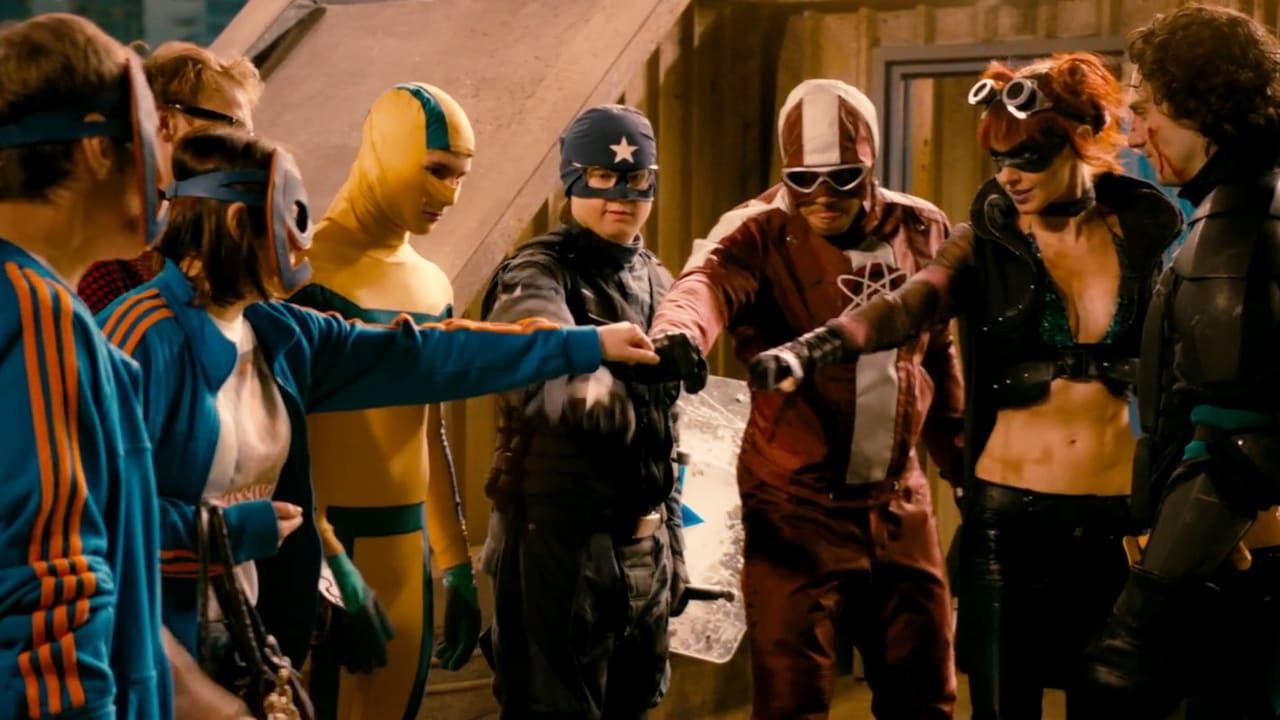
The story finds Aaron Taylor-Johnson (who looked way too buff to be a "loser" anymore, having clearly spent his Godzilla training sessions well) joining "Justice Forever," a motley crew of amateur heroes. Leading them is Colonel Stars and Stripes, played by Jim Carrey in a performance that is genuinely transformative. Carrey, sporting a prosthetic jaw and a gravelly voice, is the heart of the film’s middle act. It’s fascinating to look back at his performance now, knowing he famously disowned the film’s violence shortly before its release following the Sandy Hook tragedy. You can see the conflict on screen; he plays the Colonel with a sense of reformed-sinner gravity that anchors the otherwise cartoonish chaos.
Then there’s the villain. Christopher Mintz-Plasse evolves from Red Mist into "The Motherfucker," and honestly, he looks like a reject from a mid-2000s Hot Topic clearance rack. He trades his father’s legacy for a gimp suit and a mission to become the world’s first real supervillain. While the first film was a coming-of-age story, the sequel is more of a "refusing to grow up" story. The Motherfucker represents the toxic side of fandom—someone who has all the toys and none of the soul.
Hit-Girl’s High School Nightmare
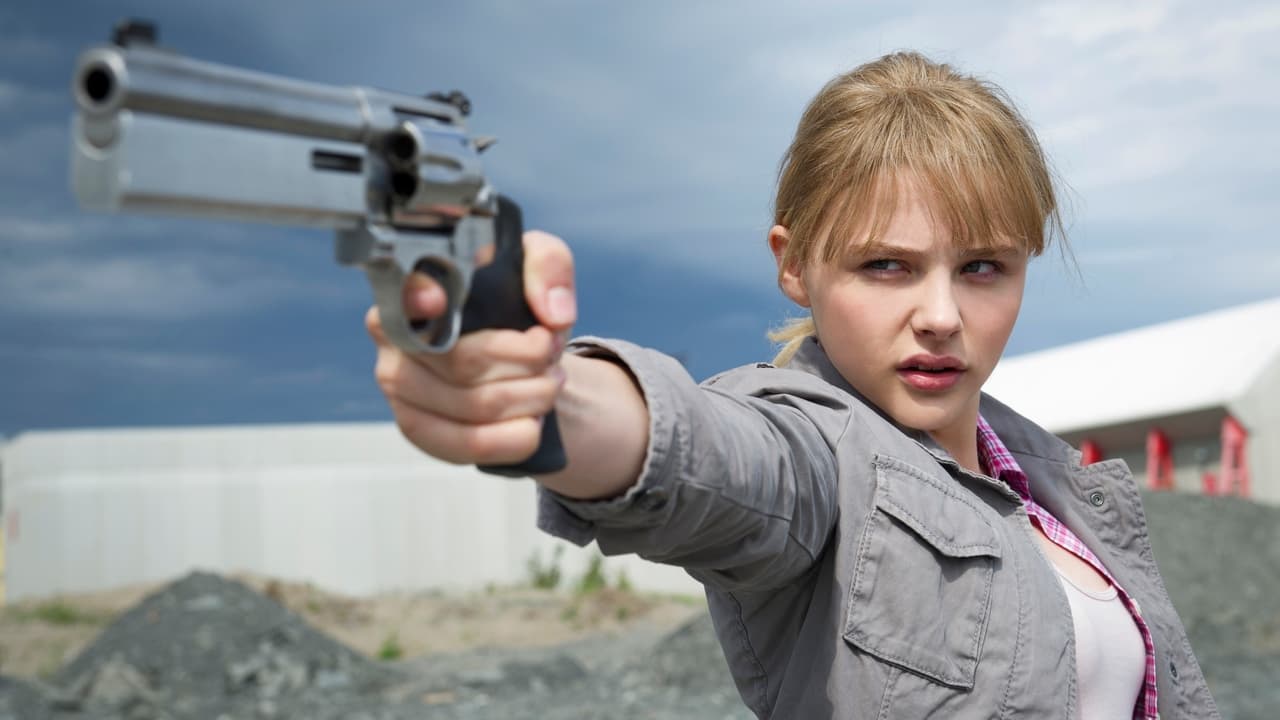
The real heavy lifting, however, is done by Chloë Grace Moretz. Her Mindy Macready is trying to navigate the one environment more dangerous than a drug lord’s warehouse: an American high school. This subplot feels like Mean Girls directed by Quentin Tarantino. There’s a specific kind of era-appropriate cringe in seeing Hit-Girl try to join a dance squad to the tune of "Union J," but it works because it highlights the tragedy of her character. She’s a killing machine who doesn't know how to be a person.
Wadlow’s direction lacks some of Vaughn’s kinetic flair—there’s nothing quite as iconic as the "banana split" sequence from the first film—but the action here feels heavier. When people get hit, they don't just fly back; they crumble. The climactic battle in a suburban mansion is a chaotic, cramped mess of spandex and blood. It’s not "cool" action; it’s desperate. Looking back, the sequel is actually more honest about the consequences of vigilantism than the original, even if it loses some of that "comic book come to life" magic in the process.
Stuff You Didn't Notice
If you look closely at the background of the Justice Forever headquarters, you’ll see the DIY spirit wasn't just for the cameras. The production team reportedly raided local hardware stores to build the sets on a budget, giving it that authentic "parent’s basement" vibe.
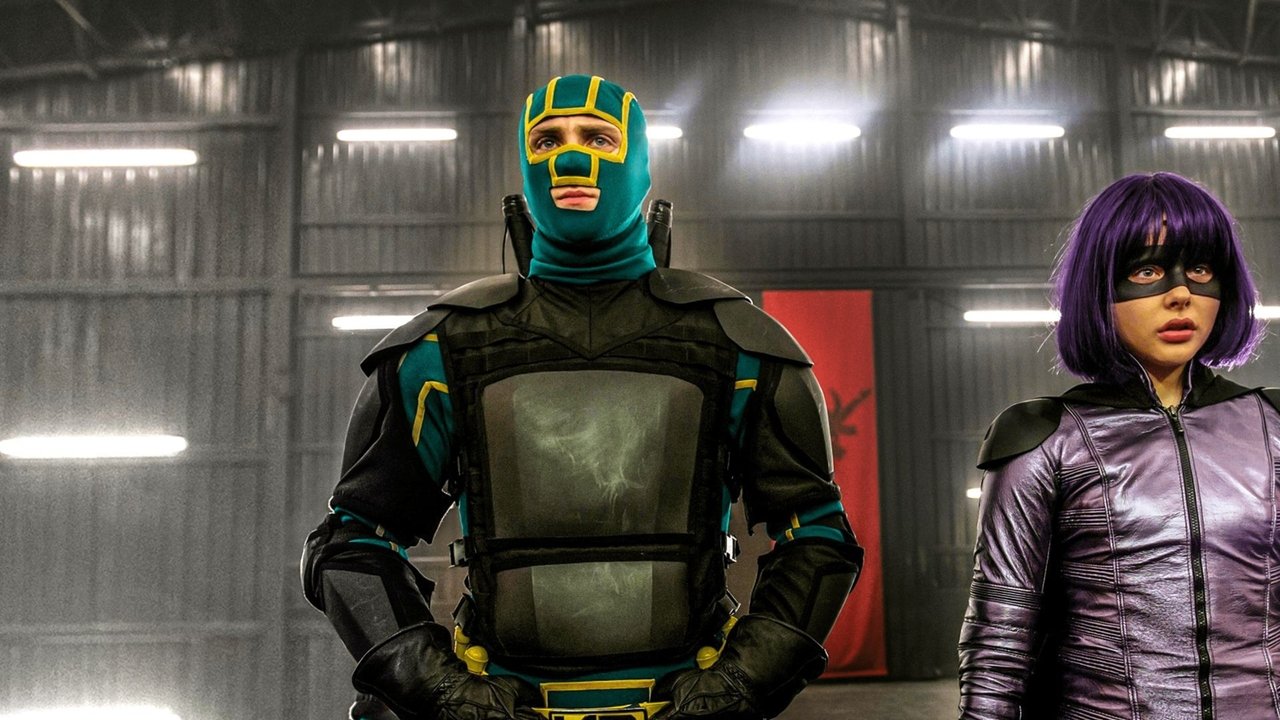
Another fun detail: Aaron Taylor-Johnson had grown so much muscle between the two films that they had to use specific camera angles and baggy clothing to make him look like a lanky teenager again. Meanwhile, the stunt team included several real MMA fighters to ensure the hand-to-hand combat felt uncomfortably grounded. And for the comic book purists, keep an eye out for Uncle Ralph, played by Iain Glen (better known as Ser Jorah from Game of Thrones), who brings a weirdly Shakespearean weight to a movie that features a shark in a penthouse tank.
The film has since earned a bit of a "cult" reputation, mostly because it refuses to play by the rules of modern franchise building. It doesn't set up ten more movies; it just burns the house down and leaves you in the ashes. It’s a snapshot of that 2013 transition period where movies were still trying to figure out if they wanted to be "gritty" like The Dark Knight or "fun" like The Avengers. Kick-Ass 2 chose a third option: being incredibly loud and slightly offensive.
Ultimately, this is a sequel that struggles to capture the lightning-in-a-bottle shock of its predecessor, but it succeeds as a brutal, cynical deconstruction of what happens after the "origin story" ends. It’s not always pleasant, and it’s certainly not for everyone, but it has a punk-rock energy that feels increasingly rare in today's landscape of focus-grouped blockbusters. If you can stomach the "Sick-Stick" and the sheer meanness of the high school bullies, there’s a surprisingly soulful story here about finding your family in the strangest places. Just don't expect any of them to make it out in one piece.

Keep Exploring...
-
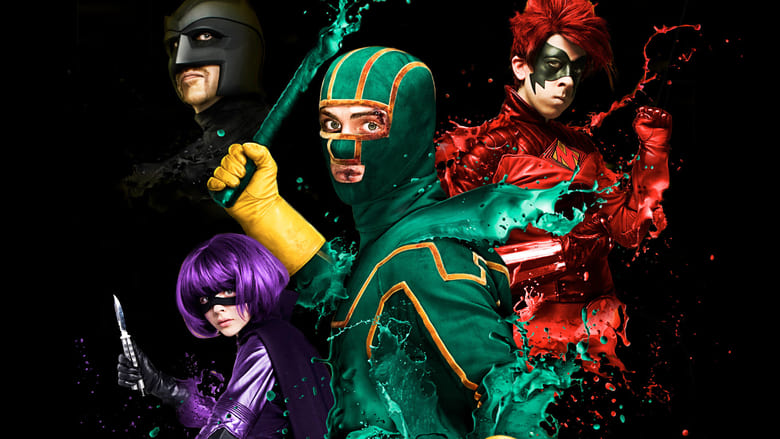
Kick-Ass
2010
-

Sherlock Holmes: A Game of Shadows
2011
-

Never Back Down
2008
-
RoboCop 2
1990
-
Quantum of Solace
2008
-
The Jackal
1997
-
Lethal Weapon 4
1998
-

Taxi
1998
-

16 Blocks
2006
-
The Losers
2010
-

RED
2010
-
I Am Number Four
2011
-
Journey to the Center of the Earth
2008
-

Star Wars: The Clone Wars
2008
-
9
2009
-
Crank: High Voltage
2009
-
Faster
2010
-
Colombiana
2011
-

Hanna
2011
-
Season of the Witch
2011