Kill Your Darlings
"Before the legend, there was a crime."

There is a specific kind of shadow that only exists in the wood-paneled libraries of Ivy League schools—a gloom that smells of wet wool, stale cigarettes, and an almost violent urge to be important. I first watched Kill Your Darlings on a laptop with a dying battery while my radiator hissed like a disgruntled snake, and honestly, that drafty, cramped atmosphere felt like the perfect way to meet the young Allen Ginsberg.

Released in 2013, this film arrived at a very specific crossroads in modern cinema. We were right in the thick of the "Post-Potter" era, watching Daniel Radcliffe (who showed his range in The Woman in Black) desperately try to incinerate his boy-wizard image by diving into the most un-Hogwarts roles imaginable. Here, he plays Ginsberg not as the bearded icon of the counterculture, but as a stuttering, repressed freshman at Columbia University in 1944, caught in the tractor beam of a charismatic, dangerous boy named Lucien Carr.
The New Vision and the Old Guard
The film captures that frantic, mid-40s energy where the world was at war and a group of college kids decided the real battlefield was the English department. It’s a drama that masquerades as a thriller, or perhaps a thriller that’s too obsessed with meter and rhyme to remember to check the locks. Director John Krokidas does a fantastic job of making poetry feel like a heist. When Ginsberg, Carr, and a delightfully eccentric Ben Foster (playing William Burroughs) break into the library to replace "boring" books with banned ones, it’s shot with the tension of a bank robbery.
What I love about looking back at this 2013 gem is how it anchors itself in a transition. It’s a film about the birth of the "New Vision," but it was filmed during a time when indie cinema was shifting. You can feel the influence of the digital revolution in the way Reed Morano (who later directed The Handmaid’s Tale) captures the cinematography. It’s dark, moody, and occasionally frantic, eschewing the bright, polished look of 1940s biopics from the previous decade. It’s a gritty, handheld version of history.
A Masterclass in Doomed Chemistry
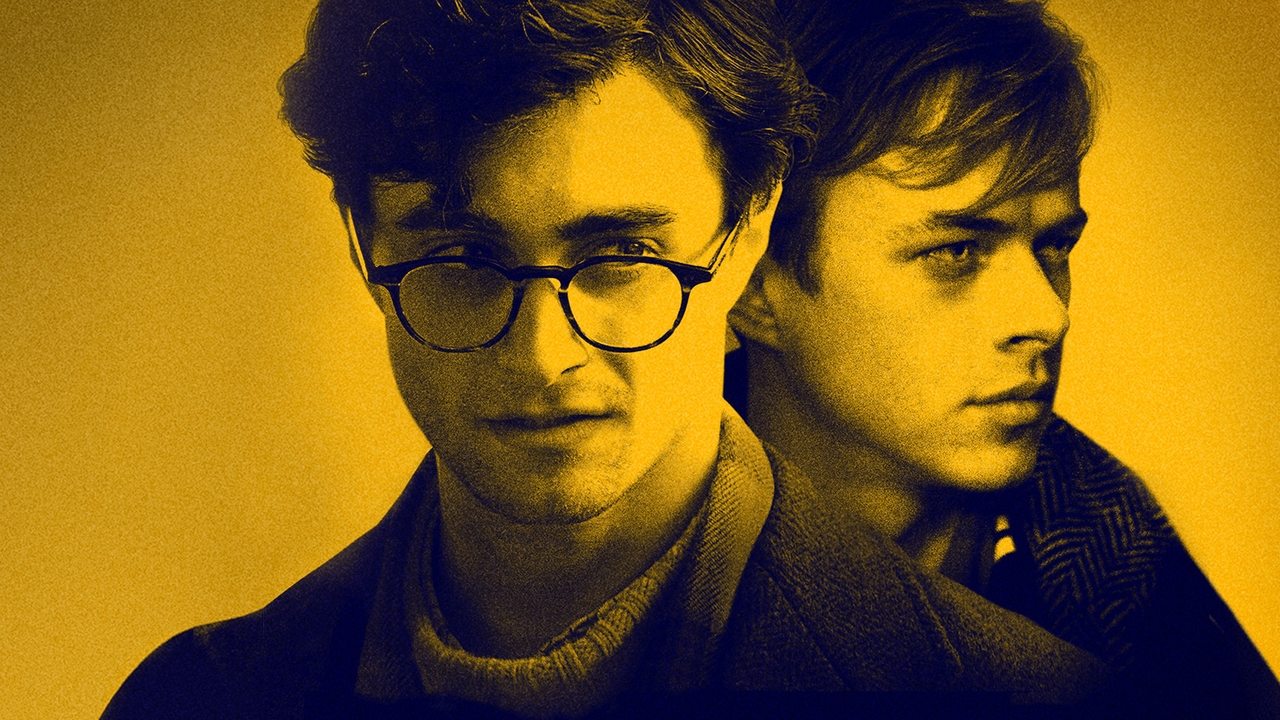
The heart of the movie isn't the writing; it’s the obsession. Dane DeHaan as Lucien Carr is a revelation. He has these heavy, translucent eyes that look like they’ve seen the end of the world and found it mildly amusing. He plays Carr as a man who is brilliant at inspiring others but lacks the soul to create anything himself. He’s a "vampire of talent," and the chemistry between him and Radcliffe is electric and deeply uncomfortable.
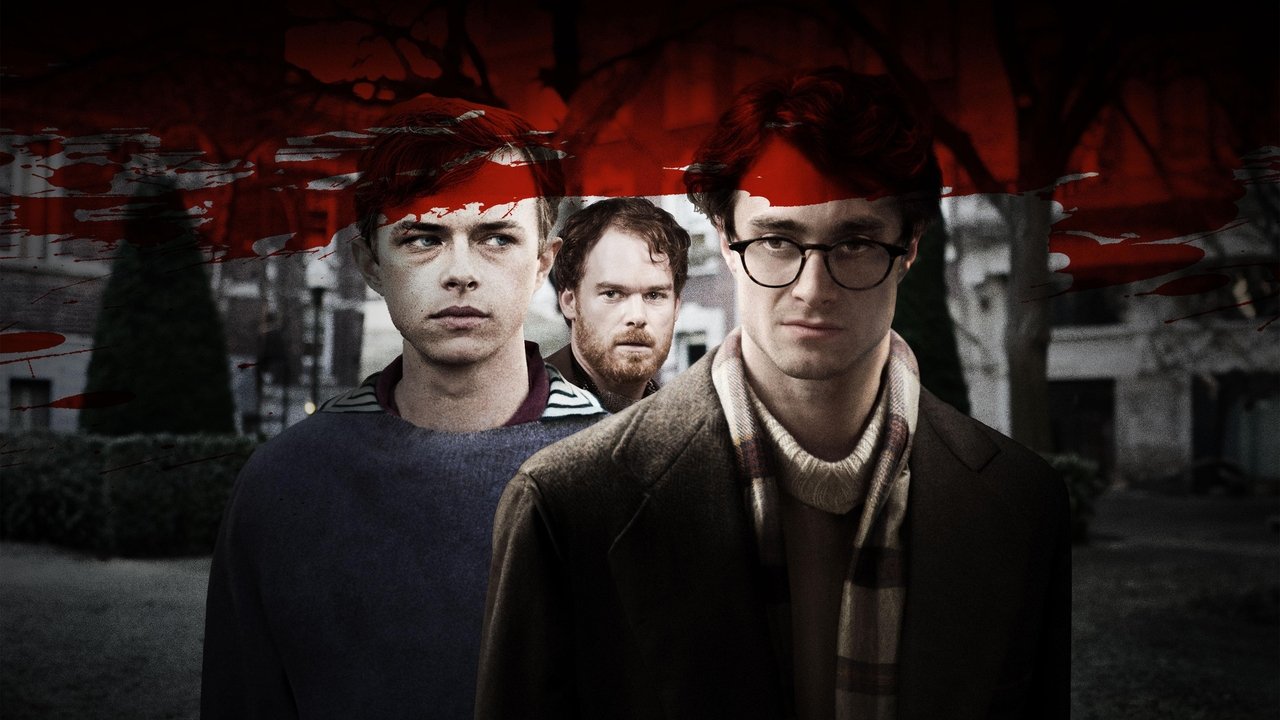
Then there’s the dark side of the Beat legend that history books often gloss over: David Kammerer. Played with a haunting, pathetic desperation by Michael C. Hall (fresh off his run in Dexter), Kammerer is an older man obsessed with Carr, stalking him through the streets of New York. The film doesn't shy away from the toxicity of this circle. It portrays the "Beats" not just as geniuses, but as selfish, drug-fueled, and occasionally cruel young men. Jack Huston (from Boardwalk Empire) rounds out the group as Jack Kerouac, bringing a rugged, athletic energy that contrasts beautifully with Ben Foster’s droll, aristocratic Burroughs. Foster’s performance is so lived-in it practically smells of ether.
The Mystery of the Missing Audience
Despite the star power and the pedigree of Christine Vachon’s Killer Films, Kill Your Darlings basically vanished after its release. It made about $1.6 million against a $5 million budget—a box office casualty in a year dominated by the likes of Gravity and The Wolf of Wall Street. It’s a shame because it’s one of the few biopics that actually understands that creative geniuses are often nightmares to be around.
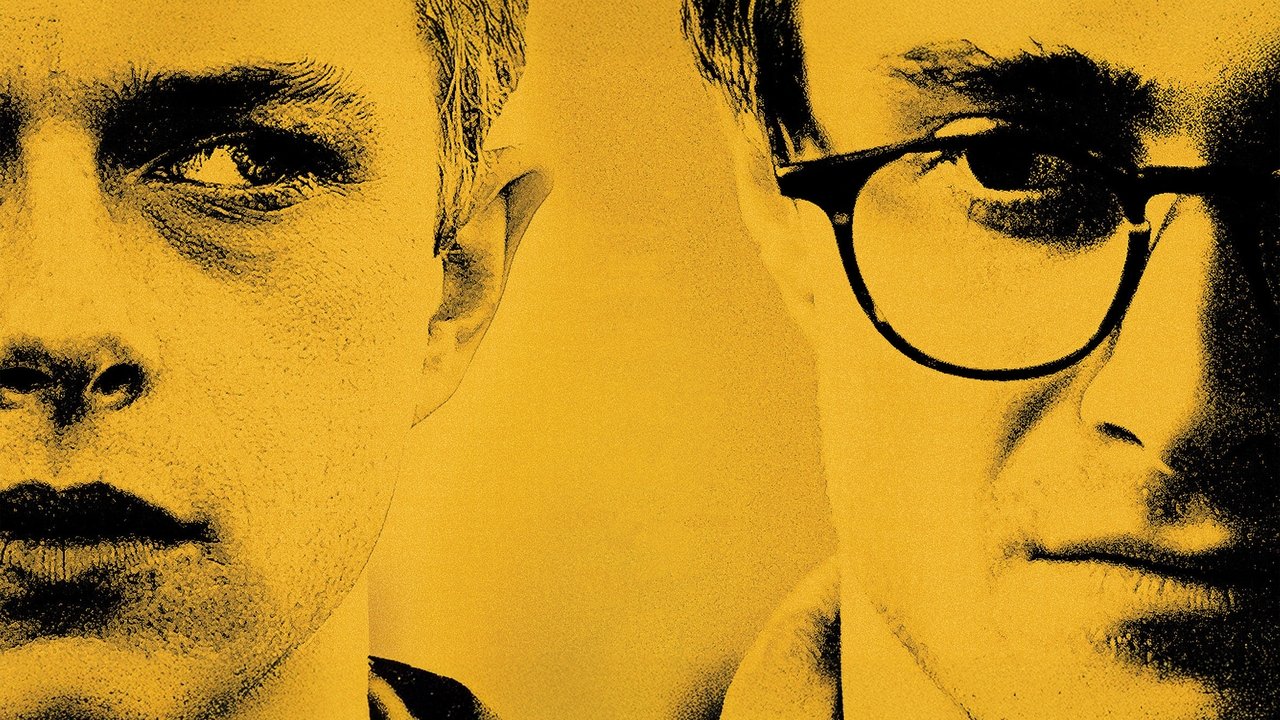
The movie suffered from a bit of an identity crisis in its marketing. Was it a gay romance? A murder mystery? A literary biopic? In 2013, the "Harry Potter as a Beat poet" hook wasn't enough to pull people away from the burgeoning MCU or the massive blockbusters of the era. However, seeing it now, it feels like a crucial piece of the puzzle for this cast. This was the film that proved Radcliffe could carry a heavy, R-rated drama, and it solidified DeHaan as the go-to guy for "troubled youth."
I’ve always felt that the best films about writers aren't about the act of writing—which is boring to watch—but about the friction that forces the words onto the page. This movie is pure friction. It’s about the moment you realize your idols are broken and that tragedy is often the quickest shortcut to an adjective.
If you’re looking for a cozy, respectful history lesson, look elsewhere. Kill Your Darlings is a jagged, smoke-filled, and deeply moody look at the messiness of youth. It manages to make the 1940s feel as immediate and dangerous as a dark alleyway in 2024. It’s a film that earns its intensity, proving that even the most celebrated literary movements usually start with a lot of bad decisions and at least one very sharp knife.
It’s the kind of movie that makes you want to go out, buy a typewriter, and ruin your life for art—or at least, it makes you glad someone else did it first. Looking back, it remains a standout of the early 2010s indie boom, a "forgotten" film that absolutely deserves a second look on a rainy Tuesday night.
Keep Exploring...
-
Labor Day
2013
-
The Next Three Days
2010
-
The Phantom of the Opera
2004
-
Take Shelter
2011
-

Disconnect
2013
-
Ghost
1990
-

Match Point
2005
-
The Illusionist
2006
-
Passengers
2008
-
The Quick and the Dead
1995
-
Original Sin
2001
-
Confessions of a Dangerous Mind
2002
-
Mesrine: Killer Instinct
2008
-
Mesrine: Public Enemy #1
2008
-
Cell 211
2009
-
Thirst
2009
-
Batman: Year One
2011
-

Miller's Crossing
1990
-
Wild at Heart
1990
-
Barton Fink
1991