Killing Season
"Old wounds bleed fresh in the Smokies."
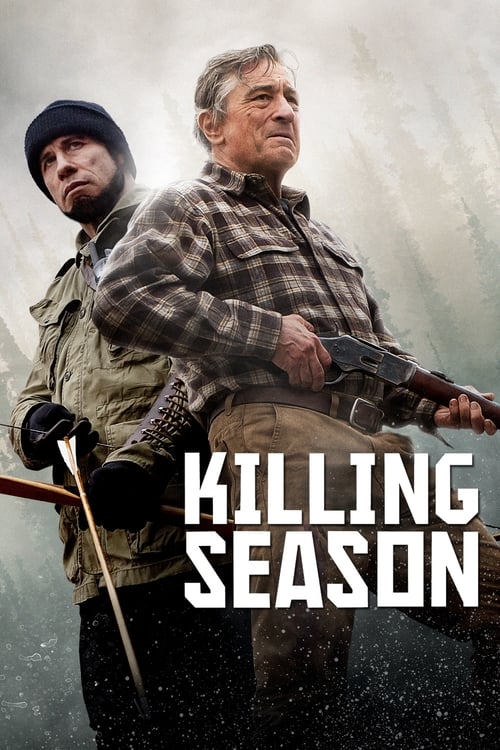
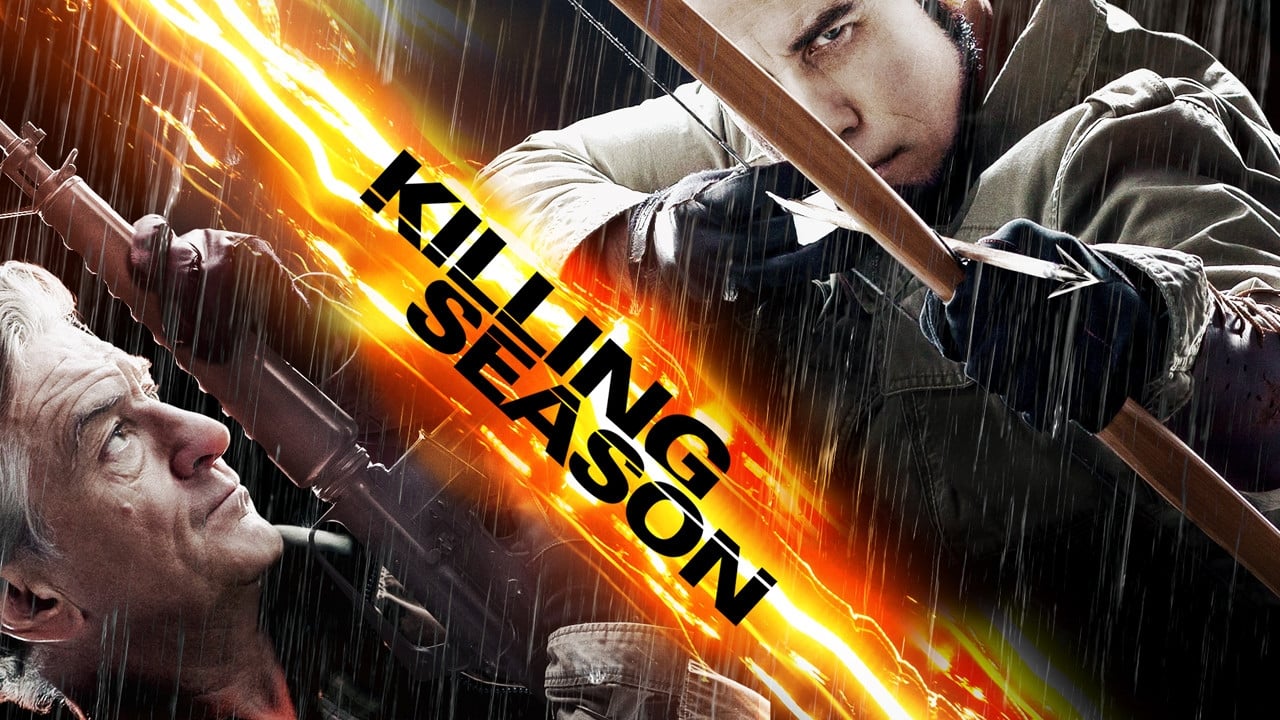
There is a specific, surreal brand of "Redbox Gold" that populated the early 2010s—movies featuring Mount Rushmore-level stars that seemed to bypass the cultural consciousness entirely. I remember seeing the poster for Killing Season at a gas station while buying a bag of salt-and-vinegar chips and thinking it was a fever dream. Robert De Niro and John Travolta in a backwoods survival thriller? This should have been a seismic event, the kind of heavyweight bout we’d been waiting for since the 90s. Instead, it’s a bizarre, clunky, and weirdly intimate piece of Appalachian-noir that feels like a forgotten B-side from a legendary rock band.
I finally sat down to watch it on a Tuesday afternoon while my neighbor was power-washing his driveway for four straight hours, and the rhythmic drone of the water actually served as a decent metronome for the film’s slow-burn tension.
Legends in the Leaves
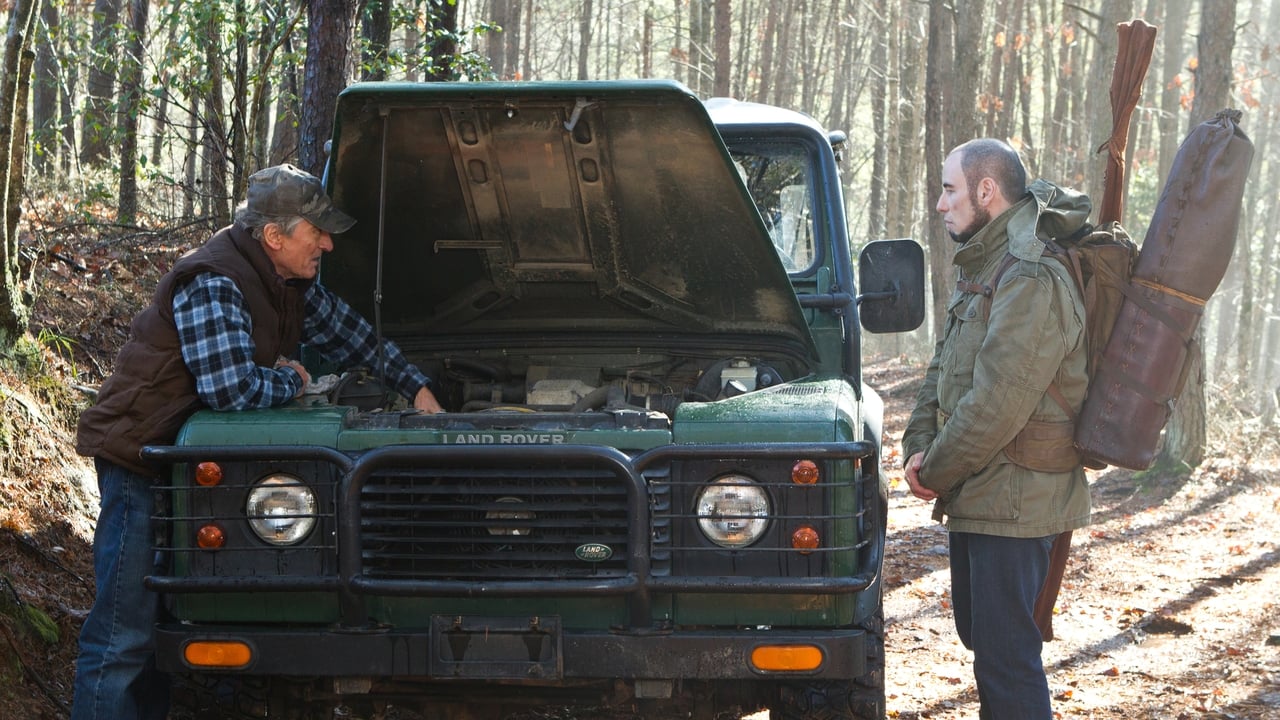
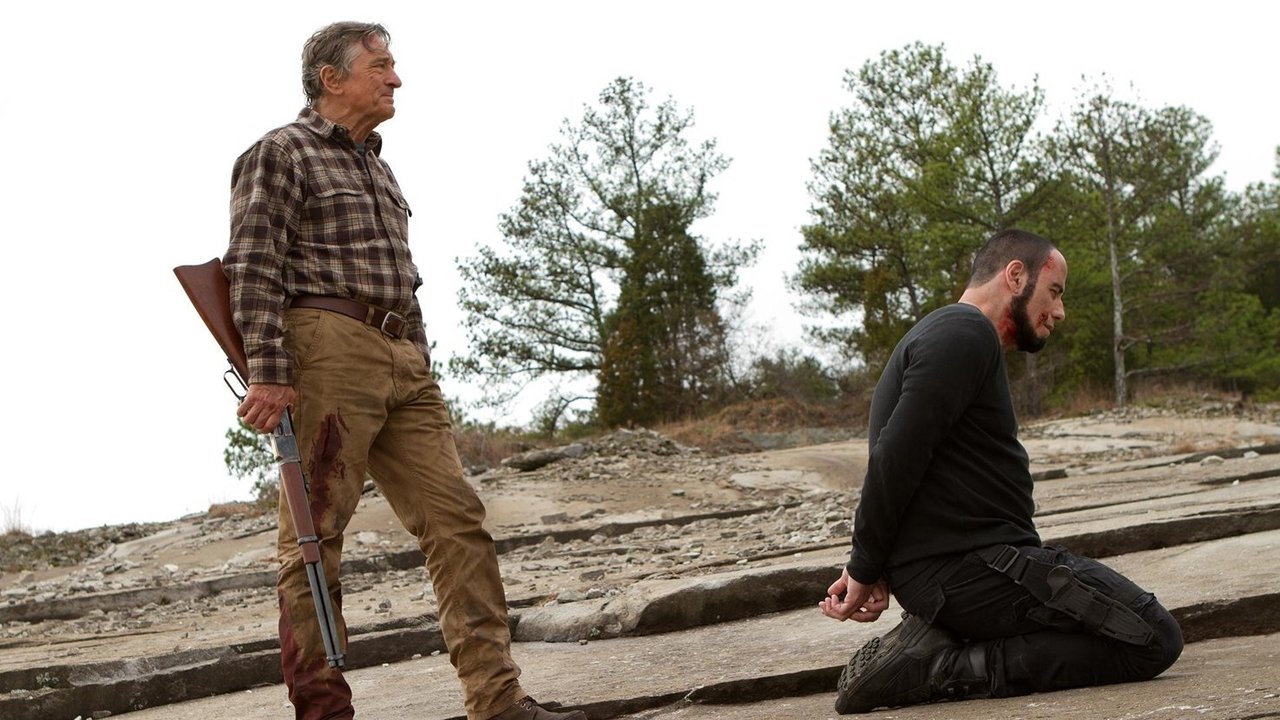
The setup is pure genre pulp. Robert De Niro plays Benjamin Ford, a retired American colonel living in a remote cabin in the Smoky Mountains to escape the ghosts of the Bosnian War. He’s a man of few words, heavy pauses, and a limp that suggests a history he’d rather forget. Enter John Travolta as Emil Kovac, a former Serbian soldier who shows up under the guise of a friendly hiker with a broken-down car and a very, very distracting chin beard.
What follows isn’t the sprawling action epic the names might suggest, but a claustrophobic game of cat-and-mouse. When the truth comes out—that Kovac is there to exact revenge for a war crime Ford committed decades prior—the movie shifts into a series of capture-and-torture cycles that are surprisingly mean-spirited for a film starring a guy who once played the Pope.
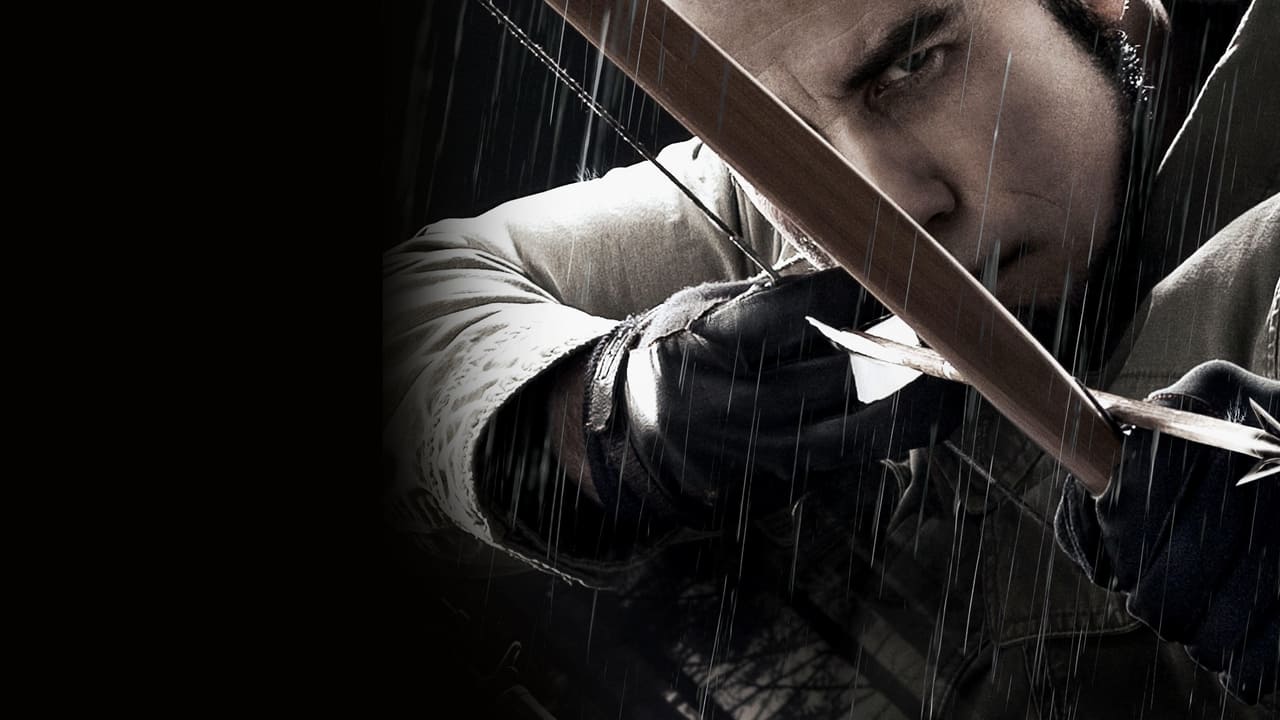
John Travolta is doing a lot here. His Serbian accent is a fascinating piece of performance art that oscillates between "Eastern European villain" and "guy who has spent too much time at a Renaissance Fair." He’s leaning into the theatricality of the role, contrasting sharply with De Niro, who seems to be trying to disappear into his flannel shirt. Seeing them together is jarring; it’s like watching a Method actor try to have a conversation with a cartoon character.
The Art of the Appalachian Duel
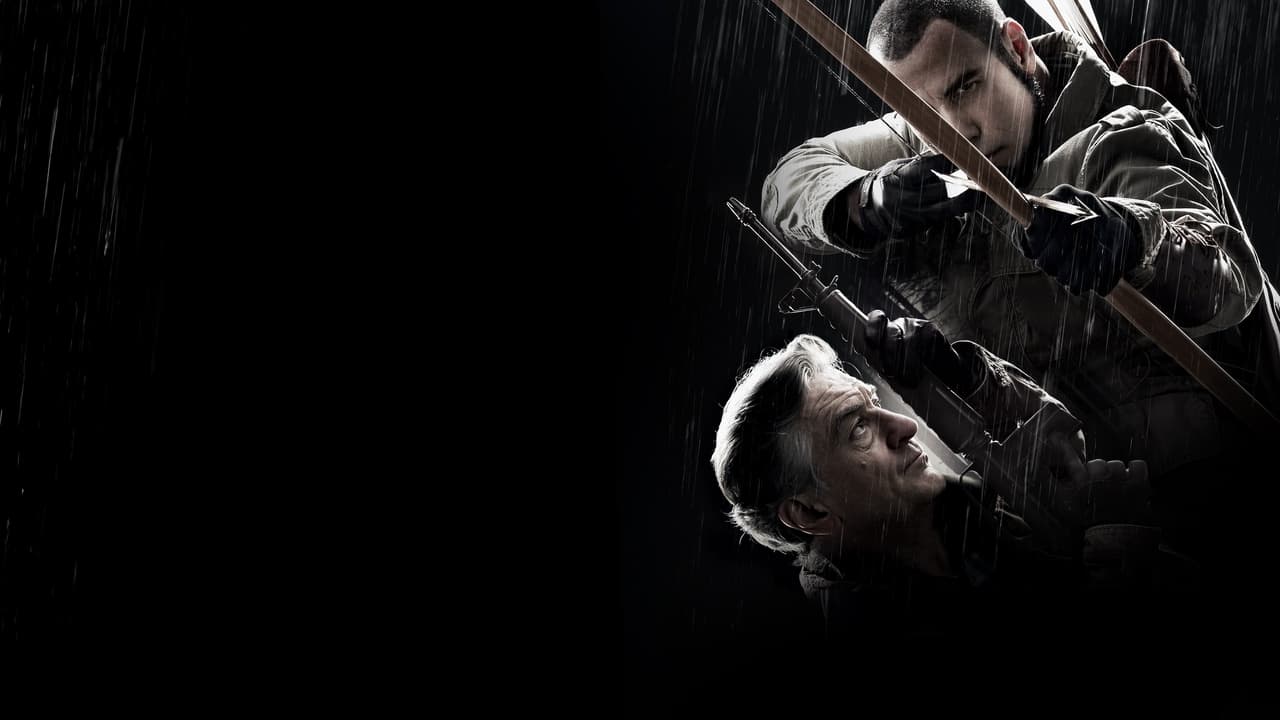
Director Mark Steven Johnson—the man behind the early-2000s Daredevil and Ghost Rider—brings a certain comic-book stylization to the violence. This isn't the grounded, gritty realism of The Revenant. Instead, we get stylized archery, elaborate traps, and a torture scene involving a lemon that made me physically wince. The cinematography by Peter Menzies Jr. (Die Hard with a Vengeance) makes the most of the Georgia wilderness (standing in for the Smokies), capturing a damp, grey atmosphere that feels appropriately somber for a story about two old men refusing to let go of their hatred.
The action choreography is more about the physical toll of age than the grace of combat. When these two fight, it looks painful. It’s messy, slow, and desperate. I actually appreciated that the film didn't try to turn these sixty-somethings into John Wick. They’re tired. They’re hurting. The fight scenes look like two angry bears trying to solve a crossword puzzle.
There’s a strange, post-9/11 anxiety hovering over the whole production. Written by Evan Daugherty, the script tries to tackle the moral ambiguity of war and the way violence begets violence. It’s heavy-handed, sure, but in the context of 2013—a time when we were starting to look back at the interventions of the 90s through a more cynical lens—it carries a bit more weight than your average direct-to-video thriller.
Why Did This Ghost Disappear?
Looking back, it’s easy to see why Killing Season evaporated. It was released during that awkward transition where "star power" was no longer enough to carry a mid-budget thriller to the box office. Audiences were moving toward franchises, and a grim two-hander about the Bosnian War was a tough sell.
Interestingly, this was originally intended to be a Face/Off reunion. The project, then titled Shrapnel, was set to star John Travolta and Nicolas Cage with John McTiernan (Predator) directing. When that fell through, De Niro stepped in, and the tone shifted from "high-octane insanity" to "somber character study." I can’t help but wonder what the Cage version would have looked like—probably a lot more screaming—but what we got is a fascinatingly odd artifact of late-career experimentation.
The film earned a measly $39,881 at the box office. That’s not a typo. It essentially didn't exist in theaters. Yet, there’s something about it that warrants a look for the curious cinephile. It’s the kind of movie you’d find on a dusty DVD shelf in a vacation rental and end up talking about for the rest of the trip because of Travolta’s facial hair alone.
Killing Season is far from a masterpiece, but it’s a compelling curiosity for anyone who misses the era of mid-budget adult thrillers. It’s worth the price of admission just to see two icons of the 70s and 90s try to out-act each other in the mud. It’s a messy, occasionally preachy, but undeniably unique experience that reminds us that sometimes, the biggest stars end up in the smallest stories. If you have 90 minutes and a high tolerance for questionable accents, give it a shot. Just don't expect a "Best Actor" snub.
Keep Exploring...
-
Ghost Rider
2007
-
Doomsday
2008
-
Carriers
2009
-
Cirque du Freak: The Vampire's Assistant
2009
-
Race to Witch Mountain
2009
-

The International
2009
-

Death Race 2
2010
-
Takers
2010
-
The Losers
2010
-
Blitz
2011
-
Drive Angry
2011
-

Haywire
2011
-
Seeking Justice
2011
-
Act of Valor
2012
-
Bullet to the Head
2012
-
Red Dawn
2012
-
Stand Up Guys
2012
-
Dead Man Down
2013
-

Hummingbird
2013
-
Machete Kills
2013