Last Vegas
"Four legends, one city, zero dignity remaining."
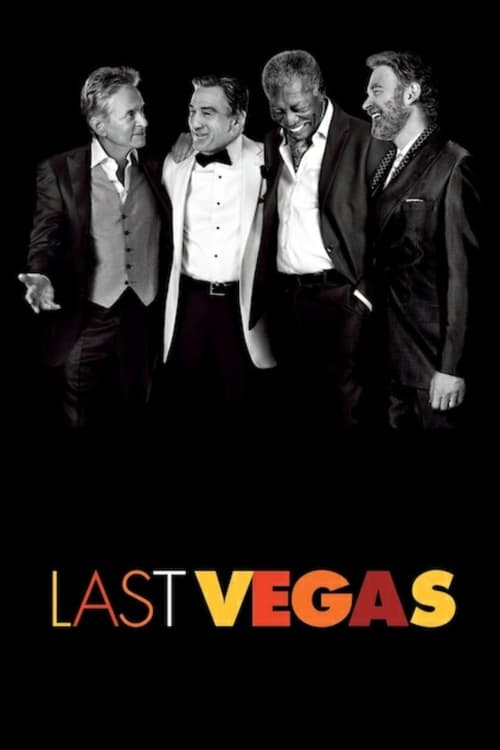
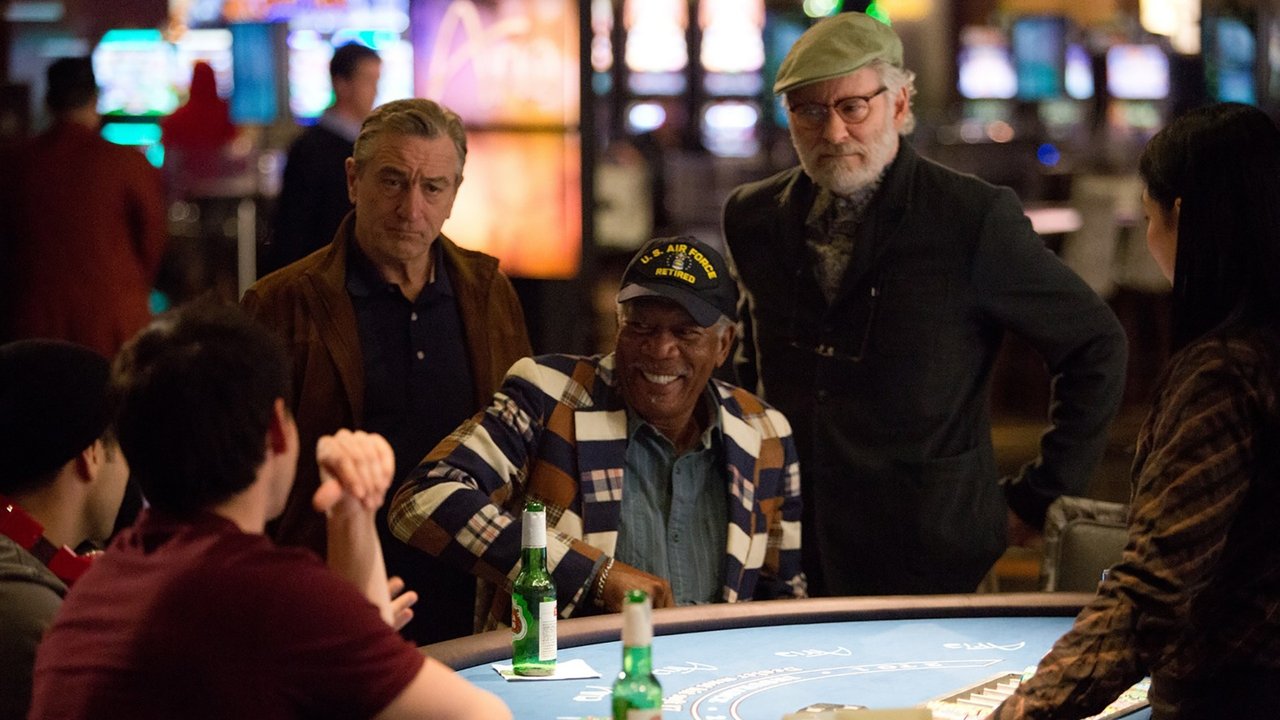
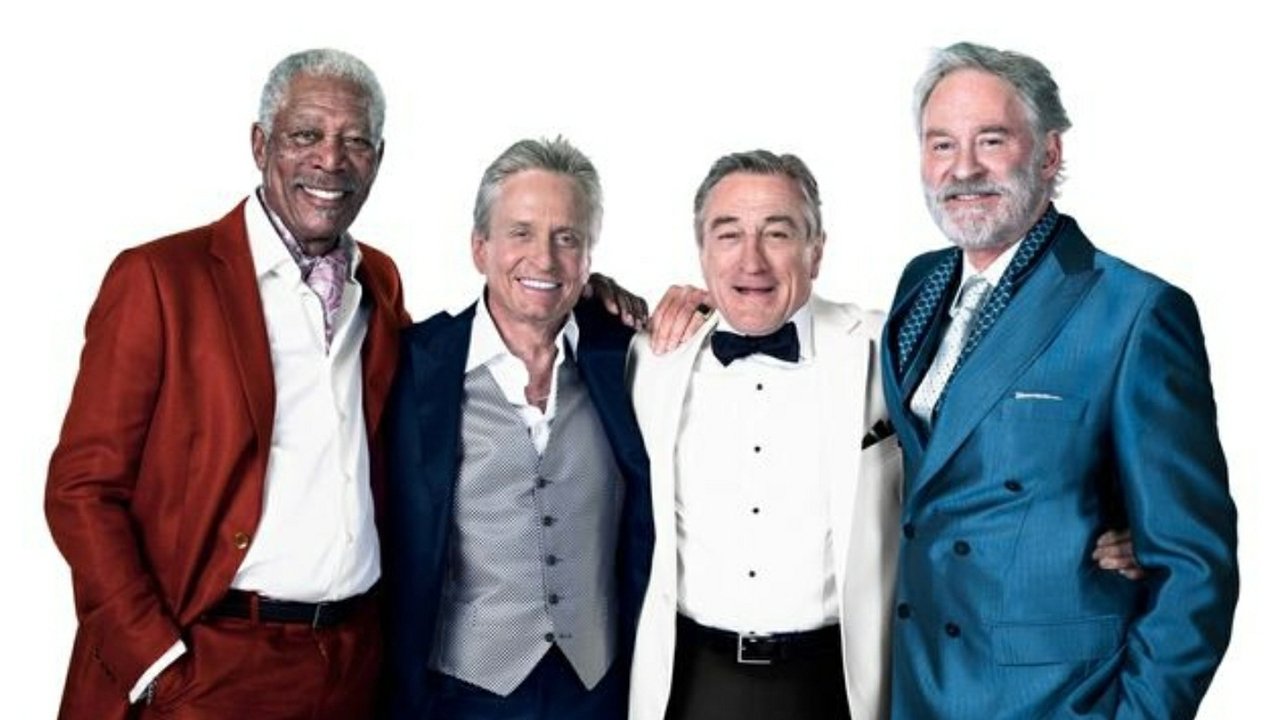
There is a specific kind of magic in watching four men with a combined six Oscar wins argue over the logistics of a bachelor party. When Last Vegas hit screens in 2013, it was easy to dismiss it as "The Hangover with hip replacements," but that reductive take misses the point entirely. Seeing Robert De Niro, Morgan Freeman, Michael Douglas, and Kevin Kline share a frame isn't just a casting gimmick; it’s a cinematic victory lap for an era of leading men that simply doesn't exist anymore.
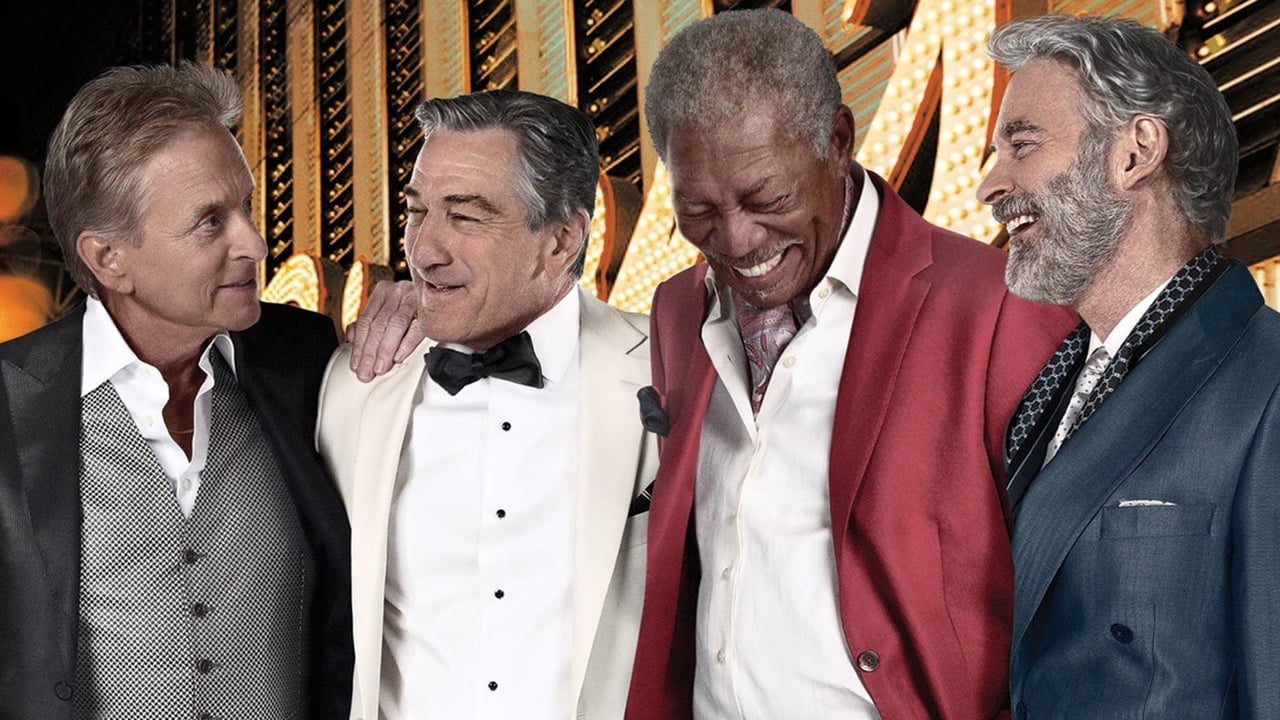
I remember watching this for the first time on a Sunday afternoon while nursing a slightly burnt tongue from a microwave burrito, and honestly, the low-stakes comfort of the film was the perfect salve. My left foot had fallen asleep about twenty minutes in, and I spent the middle act "pins-and-needles-ing" my way through a lukewarm soda, which felt ironically youthful given the onscreen subject matter.
The Mt. Rushmore of Bachelor Parties
The premise is straightforward "Modern Cinema" comfort food. Billy (Michael Douglas), the eternal bachelor of the group, is finally marrying a woman half his age. He summons his childhood pals—the "Flatbush Four"—to Las Vegas for one last hurrah. We have Paddy (Robert De Niro), the grieving, grumpy widower who hasn't forgiven Billy for a funeral-related slight; Archie (Morgan Freeman), who is being "smothered with love" by his overprotective son; and Sam (Kevin Kline), who has been given a "free pass" and a blue pill by his wife to make the most of the weekend.
What makes the comedy work isn't the script’s reliance on "I’m old" tropes—though there are plenty of jokes about prostates and early-bird specials—but the sheer professional rhythm of the ensemble. "Last Vegas is basically The Hangover for people who actually remember where they parked." These actors have spent decades anchoring masterpieces like Raging Bull (1980) or Wall Street (1987), and seeing them lean into the absurdity of a bikini contest judged by Redfoo is a treat. They aren't "slumming it"; they’re having a blast.
Kevin Kline is the film’s secret weapon. While Douglas plays the tan, sleek version of himself and De Niro does his trademark "mumbled irritation," Kline brings a physical, airy wit to Sam that keeps the movie from sinking into pure sentimentality. His delivery of a line regarding his wife’s "gift" is a masterclass in comic timing—proving that you don't need a high-concept premise if you have a guy who knows exactly how to use his eyebrows.
High Stakes and Cheap Thrills
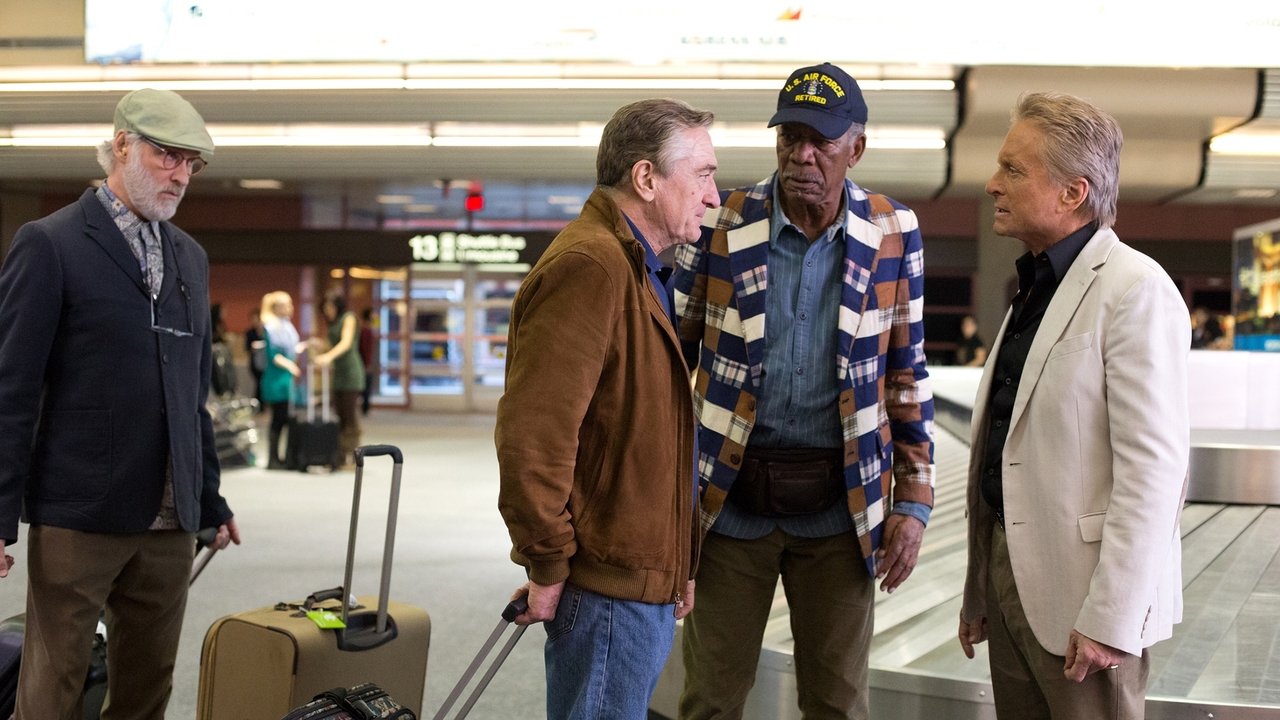
Director Jon Turteltaub, who previously gave us the delightfully earnest National Treasure (2004), treats Las Vegas exactly as it was in 2013: a neon-soaked playground of corporate luxury. The film was largely shot at the Aria Resort & Casino, and it serves as a fascinating time capsule of that transition period in Vegas history. We see the shift from the "Rat Pack" nostalgia the characters crave to the EDM-fueled, bottle-service reality of the modern Strip.
The screenplay by Dan Fogelman (who would later go on to create This Is Us) manages to balance the slapstick with some genuine weight. The rivalry between Paddy and Billy over a girl from their childhood gives the movie a backbone. It’s not just about four old guys getting drunk; it’s about the realization that the world has moved on, and your oldest friends are the only ones who still see the kid you used to be.
Mary Steenburgen enters the fray as Diana, a lounge singer who becomes the catalyst for the group's emotional reckoning. She is arguably the most "grounded" thing in the movie, offering a performance that feels like it belongs in a much more serious indie drama, yet she fits perfectly. Her chemistry with both Douglas and De Niro provides the necessary "adult in the room" energy that keeps the bachelor party shenanigans from feeling too pathetic.
A Box Office "Old-School" Victory
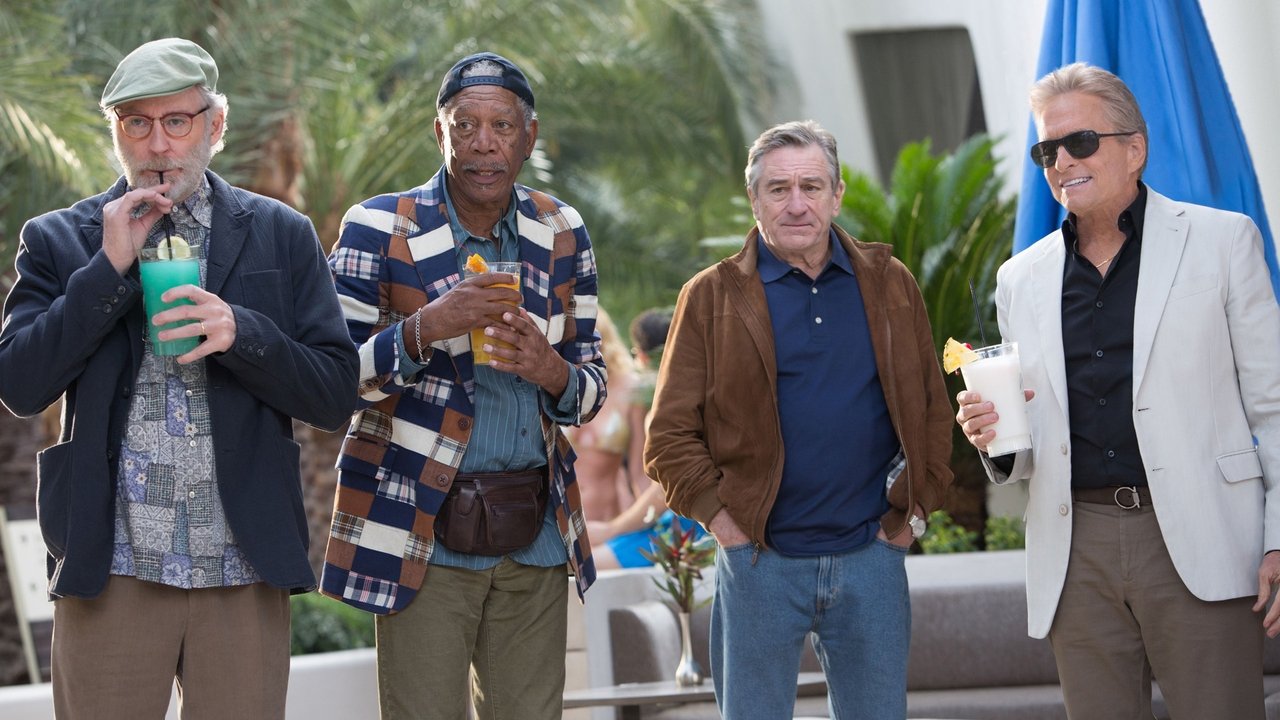
In retrospect, Last Vegas was a significant commercial win for a mid-budget comedy. Produced for about $28 million, it raked in over $134 million worldwide. This was 2013, a time when a star-driven comedy could still dominate the "watercooler talk" without needing a superhero cape or a multi-film universe attached to it. It appealed to the very demographic the film depicts—an audience often ignored by the summer blockbuster machine.
Apparently, this was the first time Robert De Niro and Michael Douglas ever worked together, which feels like a statistical impossibility given they’ve both been at the top of the food chain since the 1970s. Turns out, the camaraderie on set was so high that much of the banter in the opening scenes was improvised. You can feel that genuine warmth; it’s the difference between a studio-mandated "buddy cop" vibe and the relaxed shorthand of legends. "Watching this movie is like wearing a pair of expensive slippers: it’s not exactly a fashion statement, but God, does it feel better than a pair of Louboutins."
Last Vegas doesn't reinvent the wheel, nor does it try to. It’s a film that knows exactly what it is: a vehicle for four of the greatest actors of all time to poke fun at their own legacies while reminding us why they became stars in the first place. It captures that early 2010s optimism before comedies almost entirely migrated to streaming services. If you’re looking for a film that feels like a warm hug punctuated by the occasional sharp jab at the ribs, this is your ticket. It's a reminder that while the neon lights of the Strip might change, a good friendship—and a well-timed joke—is timeless.
Keep Exploring...
-
Cool Runnings
1993
-

While You Were Sleeping
1995
-
The Kid
2000
-
The Proposal
2009
-
No Strings Attached
2011
-

Phenomenon
1996
-
Grudge Match
2013
-
The Family
2013
-

RED
2010
-

National Treasure
2004
-
Cars
2006
-
National Treasure: Book of Secrets
2007
-

27 Dresses
2008
-
Burn After Reading
2008
-

Forgetting Sarah Marshall
2008
-

High School Musical 3: Senior Year
2008
-
Pineapple Express
2008
-
What Happens in Vegas
2008
-

17 Again
2009
-

Bride Wars
2009