Lone Survivor
"The cost of a single decision on a mountain with no exit."

I watched Lone Survivor for the first time in a theater where the guy two seats over was aggressively snacking on a massive bag of peppered beef jerky. Normally, that kind of olfactory assault would ruin my night, but here, the smell of cured meat and the sound of frantic chewing weirdly synchronized with the hyper-masculine, survivalist energy on screen. It felt like I was trapped in a hunting lodge that was slowly catching fire.

By 2013, the American public was supposed to be "over" the War on Terror at the multiplex. We’d had the cynical thrillers and the elegiac dramas, and the box office was increasingly being swallowed whole by the neon colors of the burgeoning MCU. Then Peter Berg dropped this—a movie that effectively functions as a horror film disguised as a military tribute—and it cleared $149 million. It proved that despite the fatigue, there was still a massive audience for "boots on the ground" stories, provided they were told with enough bone-crunching intensity to make you forget your popcorn.
The Gravity of the Fall
The plot is famously straightforward: four Navy SEALs head into the Hindu Kush to take out a Taliban leader. They find themselves in a moral stalemate involving three goat herders, make a decision that prioritizes their rules of engagement over their safety, and then the mountain falls on them.
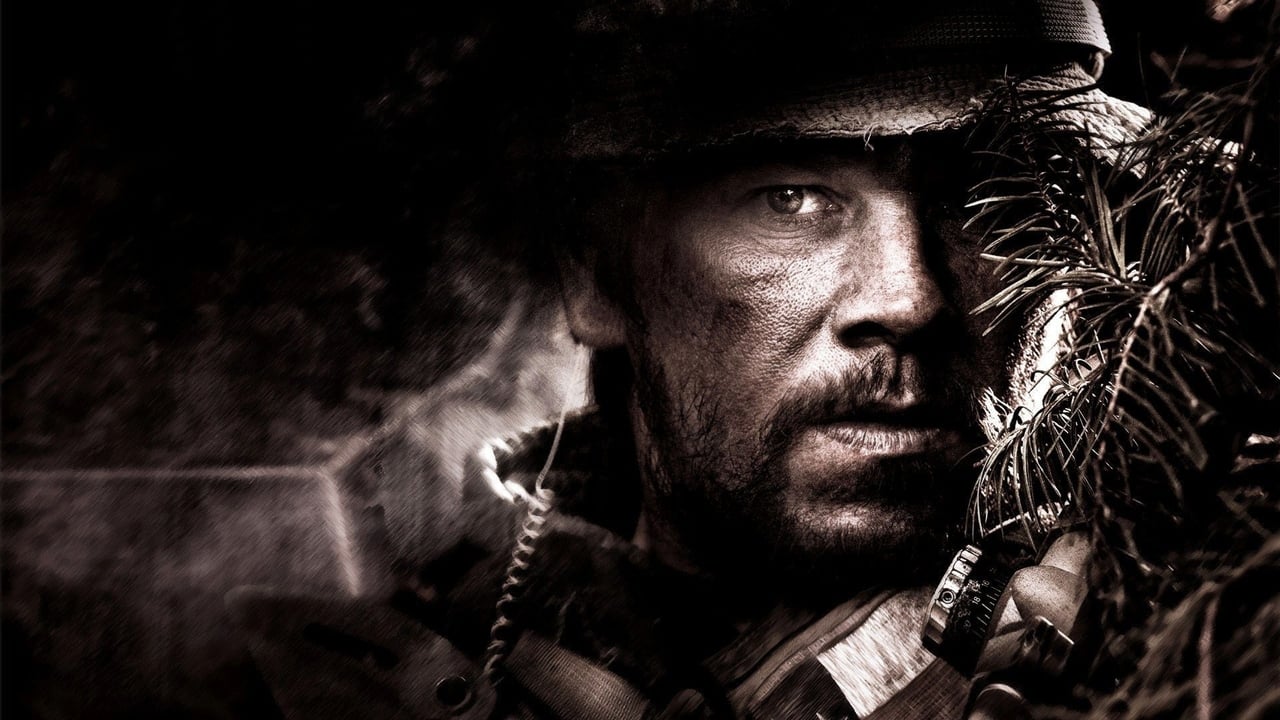
What struck me most on a rewatch is how Peter Berg uses the environment as an antagonist. Most action movies treat a hillside as a cool backdrop for a stunt; here, the mountain is actively trying to kill these men before the bullets even find them. When Mark Wahlberg (playing Marcus Luttrell), Taylor Kitsch, Emile Hirsch, and Ben Foster are forced to literally hurl themselves off cliffs to escape flanking fire, the camera doesn’t look away.
These aren't clean, Hollywood tumbles. They are messy, jagged, and terrifyingly long sequences where you hear every rib snap and see every impact against a pine trunk. It’s a masterclass in making the audience feel the physical weight of the characters. The movie’s title is the ultimate spoiler, but the sheer physics of the action makes you forget everyone is going to die anyway. You find yourself rooting for them to survive a fall that clearly should have ended the movie forty minutes early.
Pushing the Digital Limit

Technically, Lone Survivor sits at a fascinating crossroads of the Modern Cinema era. It’s a $40 million film that looks like it cost three times that much because of how smartly Berg balanced digital photography with practical torture. By 2013, digital cameras had finally lost that plastic, "soap opera" sheen that plagued the mid-2000s, allowing the filmmakers to use lightweight rigs in actual high-altitude locations.
The sound design is where the movie truly earns its keep. In an era where many action films were becoming wall-to-wall orchestral noise, Lone Survivor leans into the terrifying "crack" of a high-velocity round passing a human ear. During the primary firefight, which lasts nearly forty minutes, the music often drops out entirely. You’re left with the rhythmic thud of suppressed rifles and the desperate, heaving breath of four guys who realize they’ve run out of mountainside. It’s an exhausting experience, but it’s a brilliant use of aural space to create a sense of claustrophobia in a wide-open landscape.
The Realism Behind the Ranks
The production went to extreme lengths for authenticity, which was a hallmark of the 2010s "prestige action" wave. The actors didn't just go to a weekend boot camp; they were embedded with SEALs, and the real Marcus Luttrell was on set as a consultant (and even has a blink-and-you'll-miss-him cameo). This wasn't just about learning how to hold a Mk12 rifle; it was about the shorthand, the "gunfighter talk," and the way these men interact when the situation goes south.
Ben Foster is the standout for me here. While Wahlberg provides the emotional anchor, Foster brings a quiet, vibrating intensity to Matthew "Axe" Axelson that makes the eventual tragedy feel much more personal. And let’s talk about Eric Bana—appearing as the commanding officer in the base. It’s a role that could have been a cardboard cutout, but he brings a weary, frantic energy to the botched rescue attempt that highlights the "everything that can go wrong, will go wrong" theme of Operation Red Wings.
A Blockbuster with Scars
Looking back, Lone Survivor feels like one of the last great mid-budget hits that didn't need a cape or a multiversal portal to get people into seats. It relied on a "True Story" hook and the promise of seeing A-list stars put through a literal meat grinder. It was a cultural touchstone that sparked endless debates about the rules of engagement and the reality of modern warfare, but as a piece of cinema, it remains a staggering achievement in pacing and tension.
It’s not a movie I can watch every week. It’s too heavy for that. It leaves you feeling dusty, dehydrated, and deeply unsettled by the arbitrary nature of survival. But in terms of pure, craft-driven action that refuses to let you catch your breath, it remains a high-water mark for the genre.
The film doesn't offer the easy comfort of a traditional "hero" narrative; instead, it provides a grueling look at the endurance of the human spirit under impossible pressure. By the time the credits roll with photos of the real-life men who lost their lives, you realize that the movie wasn't trying to entertain you in the traditional sense. It was trying to make you remember them, and in that, it succeeds entirely.


Keep Exploring...
-

Fury
2014
-

Legends of the Fall
1994
-
Patriots Day
2016
-
Red Cliff
2008
-
The Last Samurai
2003
-
Letters from Iwo Jima
2006
-
The Kingdom
2007
-
Rise of the Planet of the Apes
2011
-
The Wind Rises
2013
-
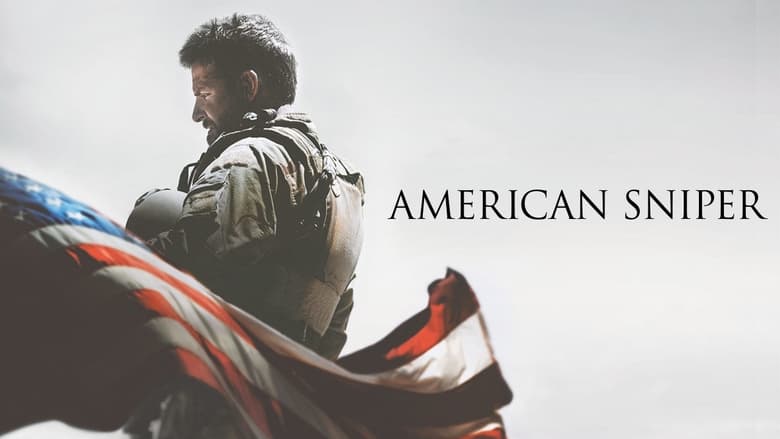
American Sniper
2014
-
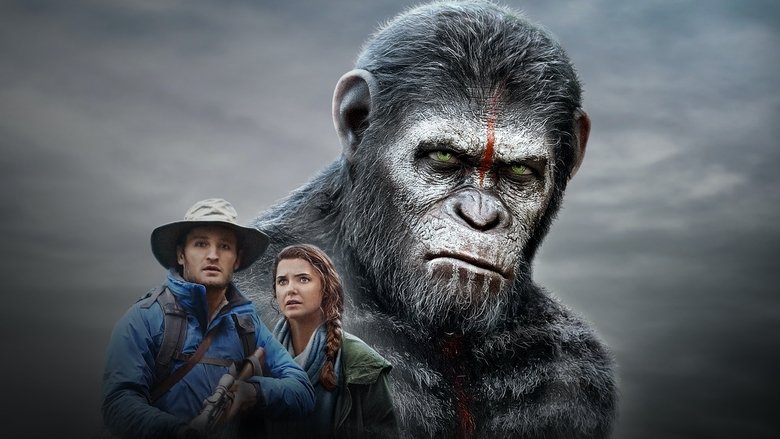
Dawn of the Planet of the Apes
2014
-

Braveheart
1995
-
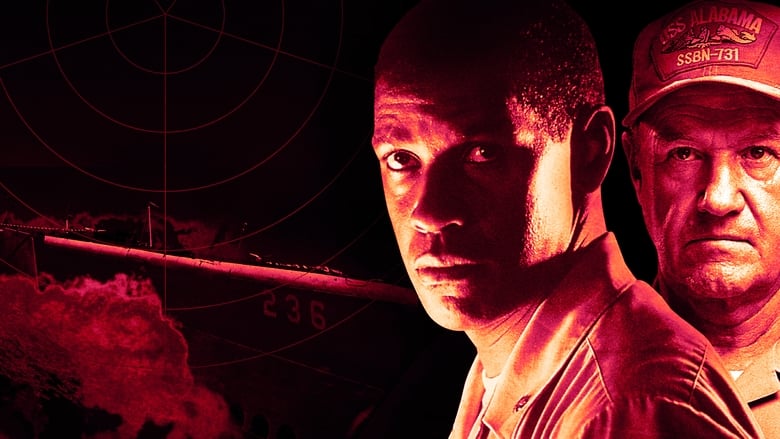
Crimson Tide
1995
-
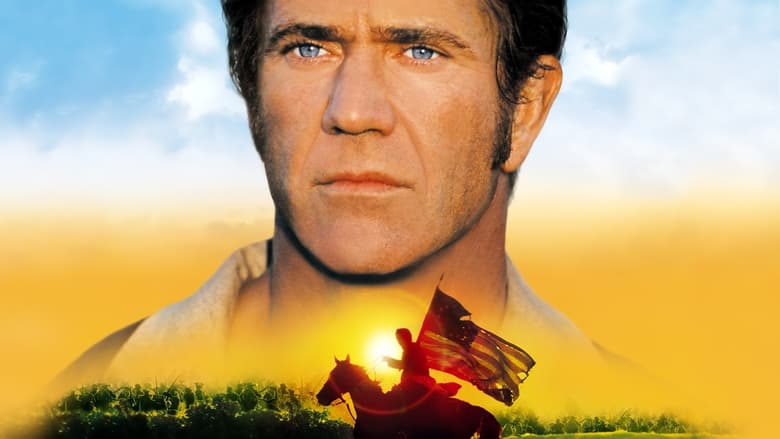
The Patriot
2000
-
Kingdom of Heaven
2005
-
The Fugitive
1993
-

The English Patient
1996
-
Shooter
2007
-
Defiance
2008
-

The Dark Knight Rises
2012