Machete Kills
"Danny Trejo doesn't text. He kills."

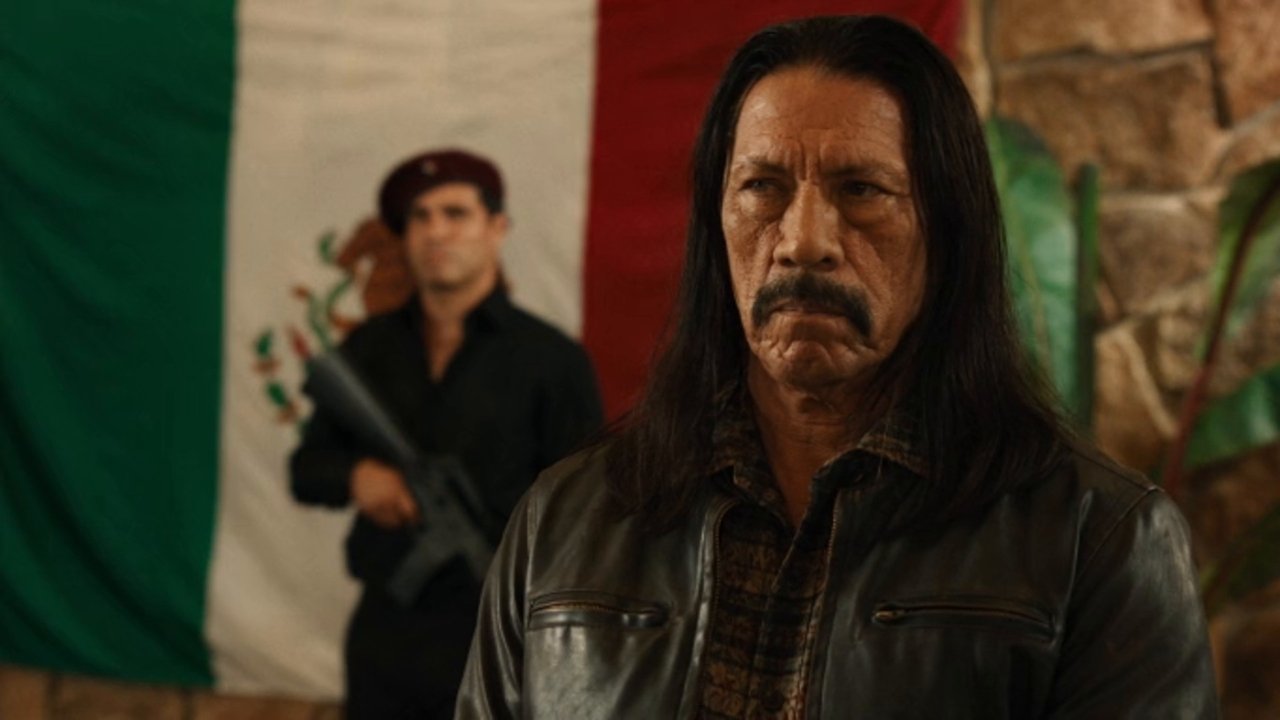
I remember sitting in a half-empty theater in 2013, clutching a bag of salt-and-vinegar chips that were so acidic they were literally peeling the skin off the roof of my mouth. Every time Danny Trejo swung a machete on screen, I felt a matching sting on my tongue. It was a sensory experience I didn’t ask for, but looking back, it was the only appropriate way to consume Machete Kills. This is a movie that doesn’t just jump the shark; it attaches a jetpack to the shark, launches it into the stratosphere, and then explodes it for no reason other than Robert Rodriguez thought it might look "cool" in a lo-fi, digital sort of way.
From Fake Trailer to Total Meltdown
The trajectory of the Machete franchise is one of the strangest "how did we get here?" stories in modern cinema. It started as a fake trailer in the middle of the Grindhouse (2007) double feature, a love letter to the scratchy, low-budget exploitation films of the 70s. But by the time we got to the sequel, the grit was gone, replaced by the glossy, green-screen aesthetic that Robert Rodriguez (the man behind Sin City and Once Upon a Time in Mexico) pioneered at his Troublemaker Studios.
The plot is a glorious, nonsensical mess. Machete is recruited by the President—played by Charlie Sheen, credited here by his birth name Carlos Estevez—to stop a revolutionary named Mendez (Demián Bichir) who has a missile pointed at Washington. The twist? The missile is wired to Mendez's heartbeat. If he dies, the world goes boom. This leads Machete to an eccentric billionaire arms dealer named Luther Voz, played by Mel Gibson, who wants to start a nuclear war so he can escape to a space station. If that sounds like a Bond movie written by a hyperactive twelve-year-old, that’s because it exactly is.
The Gibson Factor and the Green Screen
What really anchors this madness—or at least prevents it from drifting entirely into the void—is Mel Gibson. Say what you will about the man's personal history, but in 2013, he was in the "villain" phase of his career, and he is clearly having more fun here than he has in decades. He plays Voz like a man who knows he’s in a bad movie and has decided to be the best part of it. He’s charismatic, menacing, and looks genuinely thrilled to be holding a Star Wars-style landspeeder remote.
However, the film marks a weird point in the digital-to-analog transition of the early 2010s. While the first Machete felt like it had dirt under its fingernails, this sequel is basically a PlayStation 3 cutscene filmed in a garage. Rodriguez leaned so hard into his digital filmmaking process that almost nothing feels "real." The blood is CGI, the backgrounds are often flat, and the action sequences lack the physical weight of his earlier work like Desperado. It’s a movie that was born on a computer and looks like it. This wasn't a flaw to Rodriguez; it was the point. He was democratizing the blockbuster, showing that you could make a massive action epic with a $20 million budget if you just stopped caring about "realism."
Action That Defies Logic and Gravity
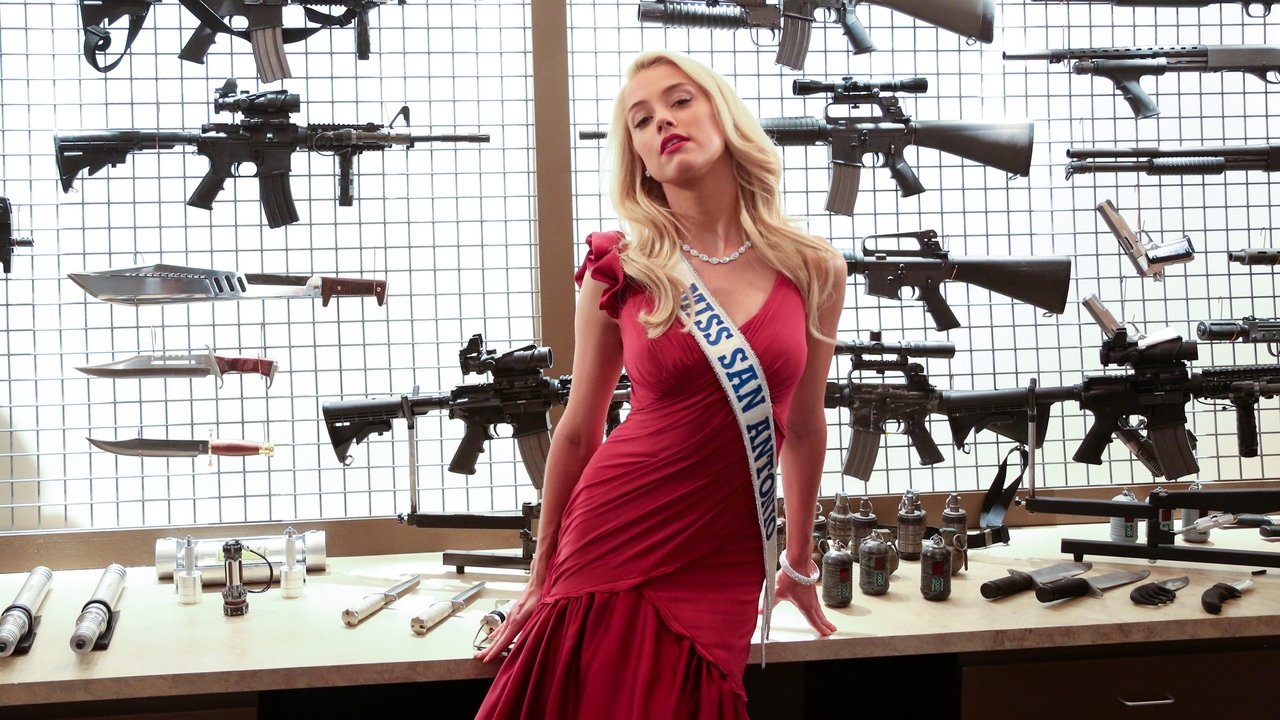
The choreography is where the fun is found, provided you turn your brain off and leave it in the lobby. We get Sofía Vergara as a madam with a double-barrel "bra-gun" (a visual I’m sure Michelle Rodriguez probably rolled her eyes at on set) and Amber Heard as a pageant queen assassin. The action sequences are edited with a frantic, rhythmic energy that mirrors the score by Rodriguez and Carl Thiel.
The film's biggest crime, and perhaps why it vanished so quickly from the public consciousness, is that it feels like a bridge to a movie that never happened. The ending is essentially a giant advertisement for the third film, Machete Kills Again... In Space. Because it spends so much time setting up the "next big thing," the actual stakes of this movie feel secondary. It’s an exploitation film that forgot to be about anything other than its own memes. It’s a feature-length inside joke that eventually runs out of breath.
Why It Vanished Into the Vaults
Machete Kills was a spectacular box office failure, making back less than 10% of its budget. It was released in an era where the "ironic B-movie" trend was starting to tire audiences. We had already seen Sharknado, and the novelty of seeing Danny Trejo as a stoic killing machine had started to wear thin. It’s a "cult classic" that doesn't quite have the cult yet—it’s too big to be a hidden gem but too weird to be a standard action flick.
Looking back, it’s a fascinating time capsule of a moment when major stars were willing to do anything for a bit of indie cred, and when Robert Rodriguez was at his most unchained. It’s overstuffed, it’s ugly, and it’s occasionally hilarious. If you’re looking for high art, keep walking. But if you want to see a man use a helicopter blade to decapitate three people at once while Lady Gaga shows up for a cameo, you’ve come to the right place.
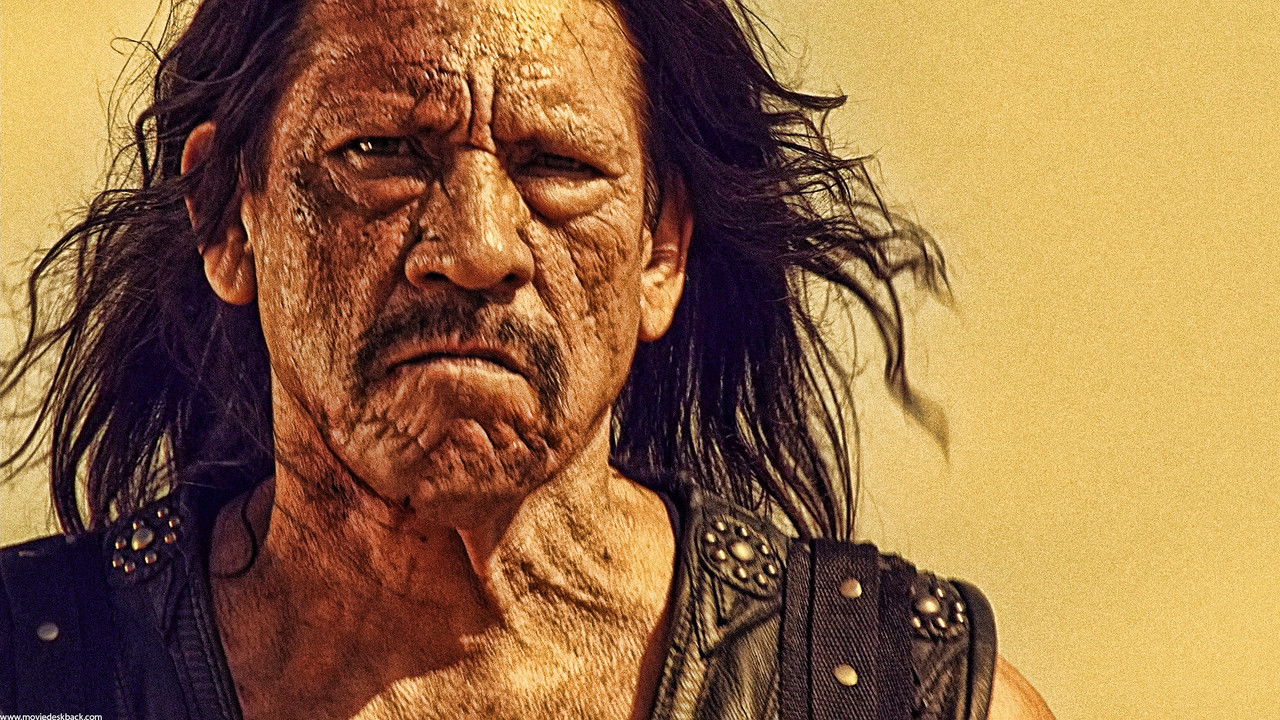
In the end, this movie is a victim of its own ambition. It wanted to be the ultimate grindhouse sequel, but it ended up being a digital fever dream that’s a bit too long for its own good. It’s worth a watch just to see Mel Gibson chew the scenery and to witness the sheer audacity of Danny Trejo's face. Just make sure you have some chips—maybe not salt-and-vinegar—to help you get through the slower parts. It’s a mess, but at least it’s a colorful one.

Keep Exploring...
-
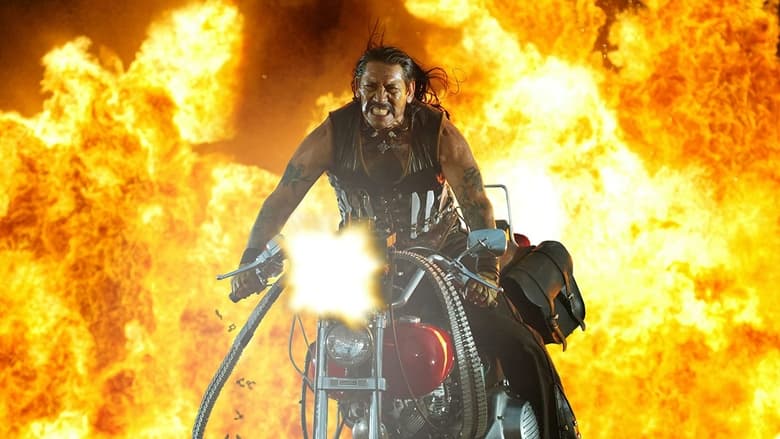
Machete
2010
-
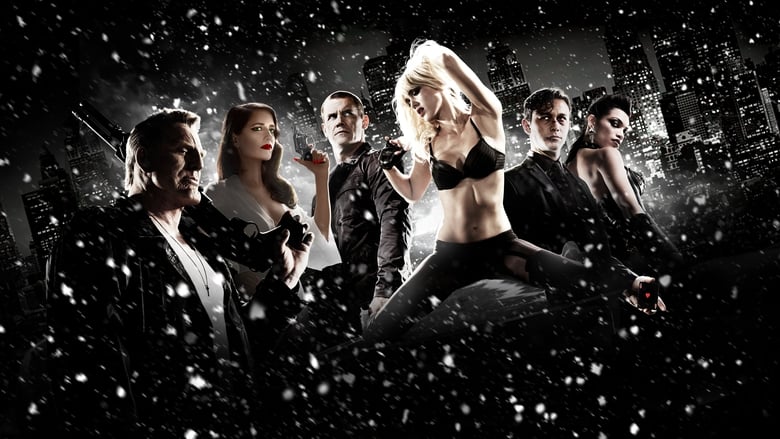
Sin City: A Dame to Kill For
2014
-
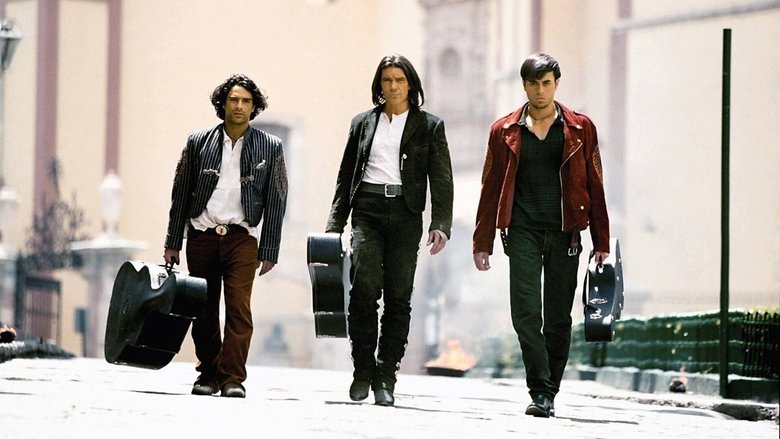
Once Upon a Time in Mexico
2003
-
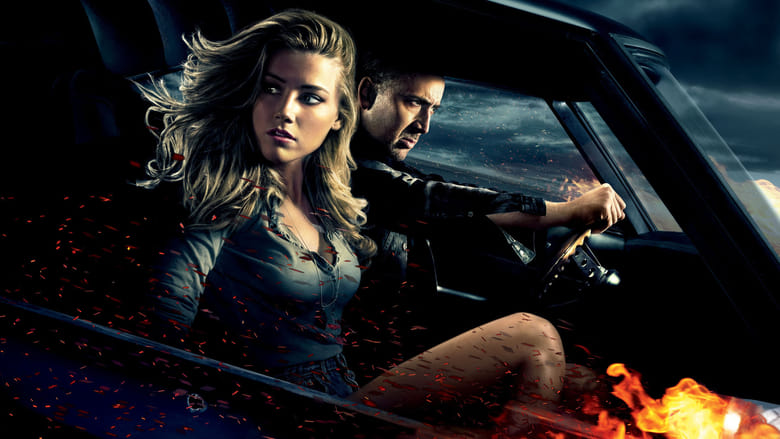
Drive Angry
2011
-
Takers
2010
-
The Losers
2010
-
Blitz
2011
-

Get the Gringo
2012
-
Stand Up Guys
2012
-
Dead Man Down
2013
-
Sabotage
2014
-
District 13: Ultimatum
2009
-

The International
2009
-
Bullet to the Head
2012
-
The November Man
2014
-
Into the Blue
2005
-

Double Impact
1991
-
Hard Target
1993
-

Hackers
1995
-

Romeo Must Die
2000