Mama
"She never lets go."
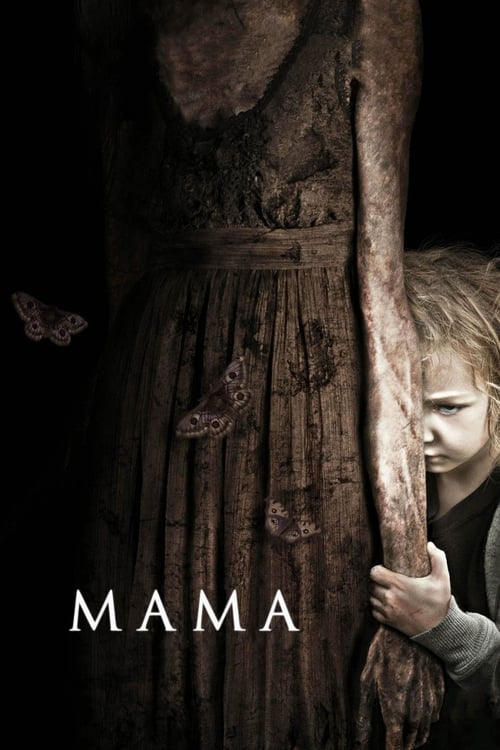
The first time I saw the original 2008 short film that inspired Mama, I nearly fell out of my desk chair. It was just a few minutes of two little girls being chased through a house by something spindly and blurred, but it had a rhythmic, stop-motion-style twitch that felt wrong in a way that bypassed my brain and went straight to my sweat glands. When I heard Guillermo del Toro was producing a full-length feature based on that nightmare, I knew I was in—even if I had to watch it while aggressively chewing on a bag of stale Haribo gummy bears to distract myself from the tension.
A Different Kind of Motherhood
What strikes me most looking back at Mama today isn't just the scares, but how much it feels like a pivot point for modern horror. Released in 2013, it landed right as the "prestige horror" wave was starting to swell, moving away from the "torture porn" of the 2000s toward something more atmospheric and emotionally grounded.
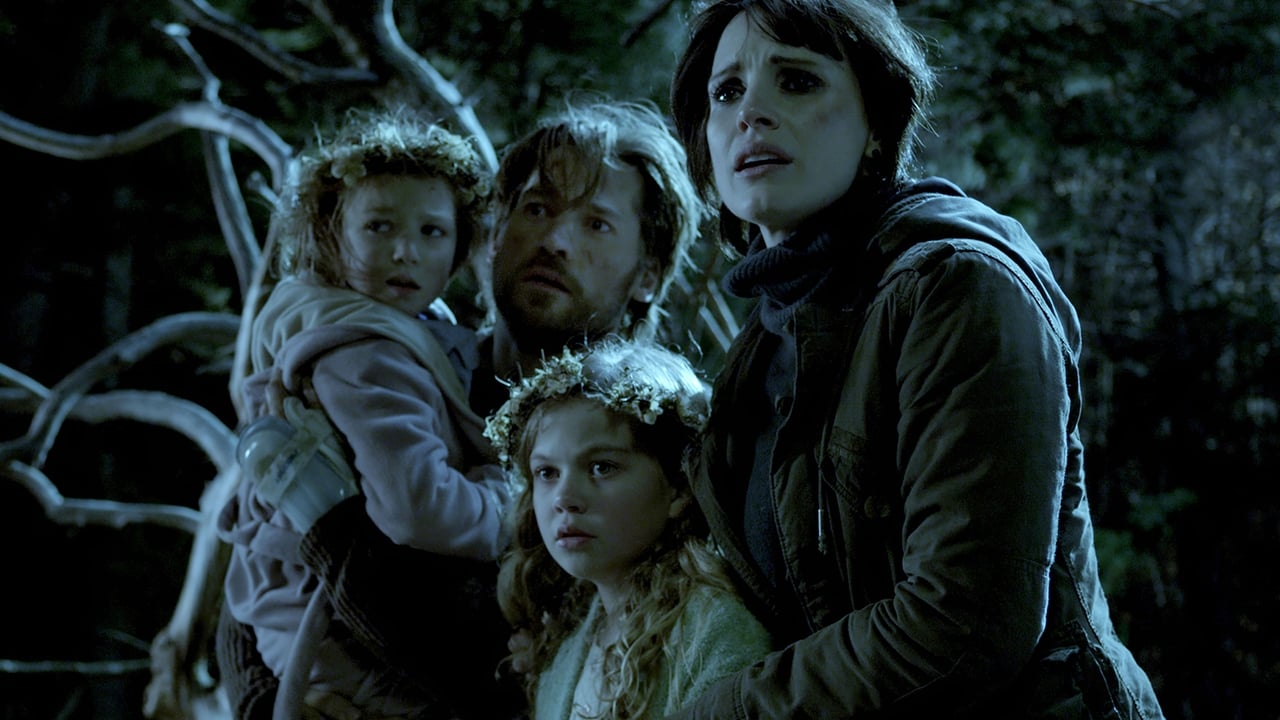
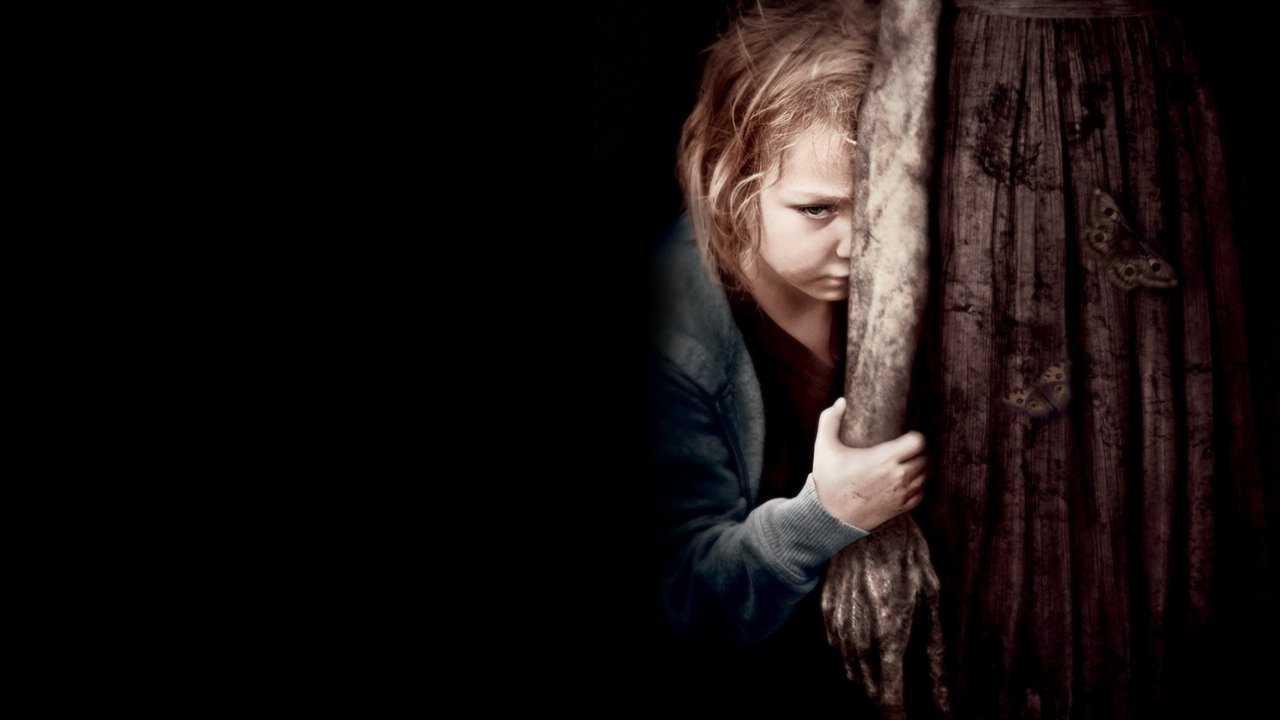
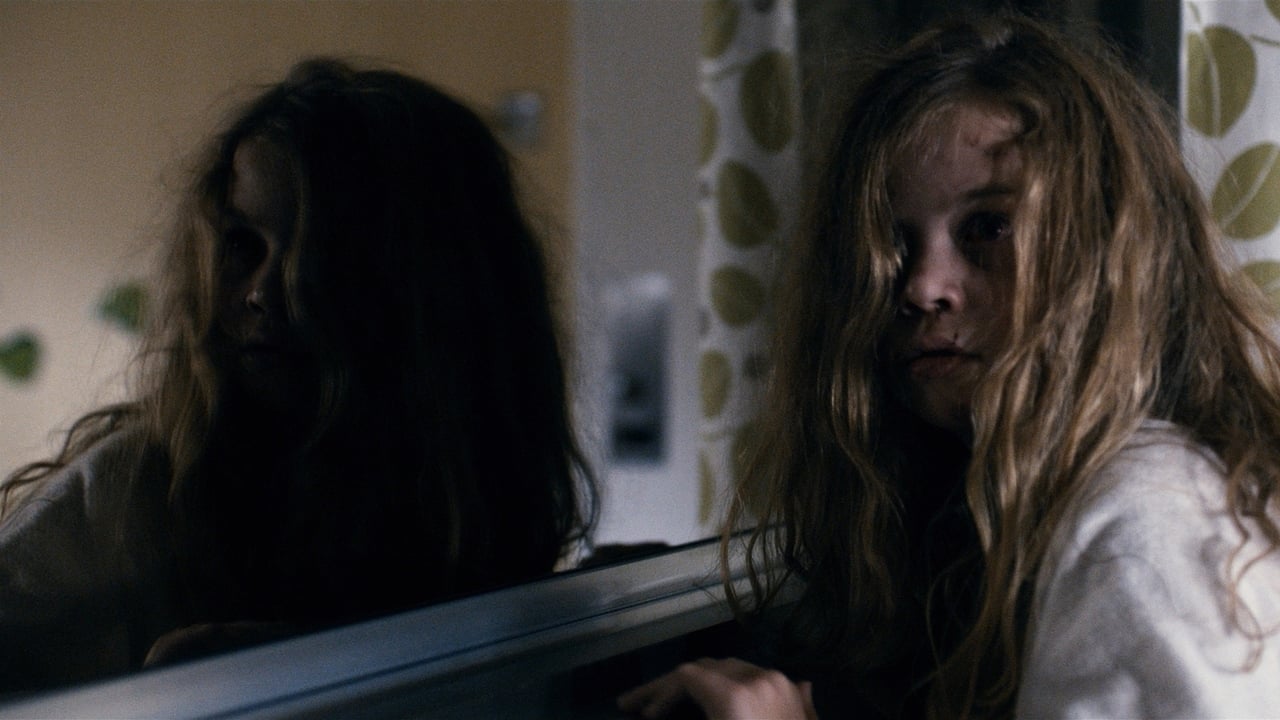
The story follows Victoria (Megan Charpentier) and Lilly (Isabelle Nélisse), two sisters abandoned in a forest cabin after their father commits a double murder-suicide. Five years later, they’re found alive but feral, having been "raised" by a protective, supernatural entity they call Mama. Their uncle, Lucas (Nikolaj Coster-Waldau, fresh into his Game of Thrones fame), and his punk-rocker girlfriend Annabel (Jessica Chastain) take them in.
I’ve always felt Jessica Chastain was the secret weapon here. Fresh off Zero Dark Thirty, she plays against type with a short black bob and a "Moth" tattoo, playing a woman who absolutely does not want kids. Her journey from detached observer to fierce protector provides the emotional spine the movie needs to keep from drifting into generic ghost territory. It’s a performance that feels grounded in a way horror movies of the previous decade often ignored.
The Man Behind the Monster
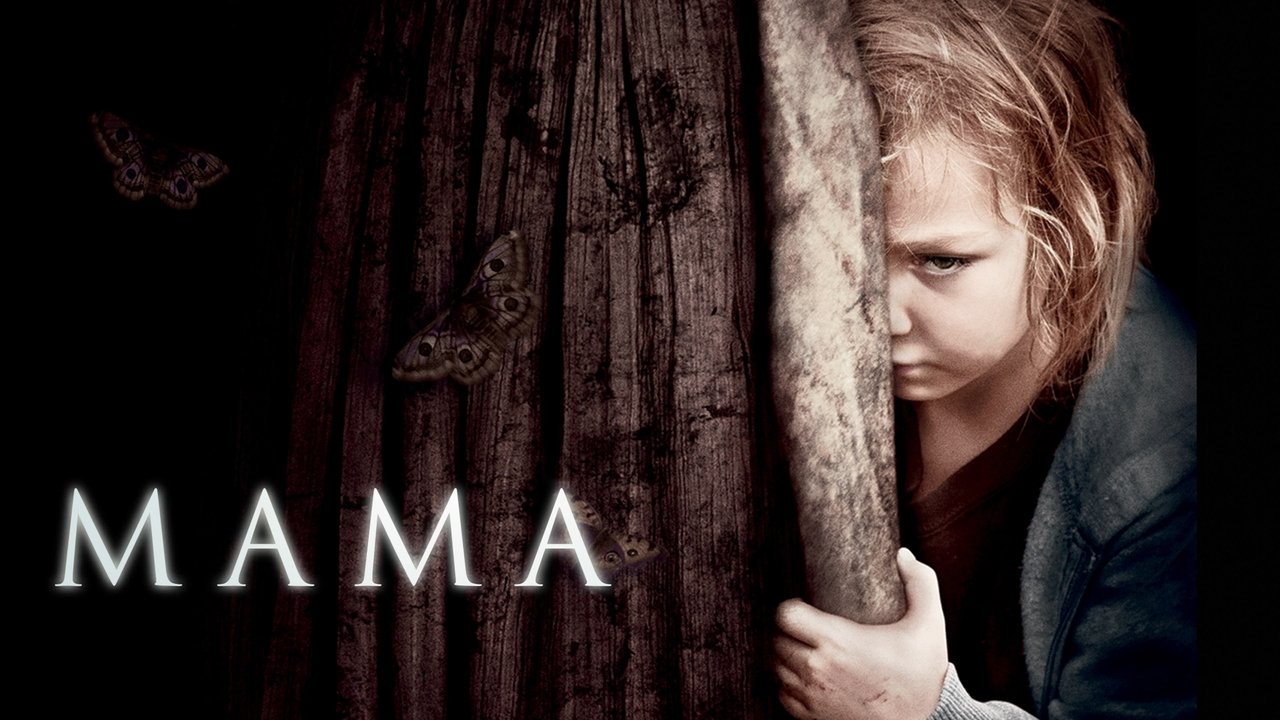
We have to talk about the creature design, because it’s where Mama both shines and occasionally stumbles. The "Mama" entity is played by Javier Botet, a name every horror fan should know. Botet has Marfan syndrome, which gives him incredibly long, thin limbs and hyper-flexible joints. His physical performance is what makes the character terrifying; that jagged, unnatural movement isn't a camera trick—that’s actually him.
However, looking at the film a decade later, you can see the growing pains of early 2010s digital effects. Director Andy Muschietti (who would go on to helm the IT remake) opted to overlay Botet’s practical performance with a lot of CGI, particularly for her hair. While the floating, underwater effect of the hair is conceptually cool, the CGI hair occasionally looks like a sentient pile of overcooked spaghetti rather than a ghostly shroud. It’s a classic example of the era's tendency to over-polish practical magic with digital gloss, often losing a bit of the "tactile" fear in the process. Still, the scene where Mama emerges from a wall remains a masterclass in using shadows to hide just enough of the monster to keep the imagination working overtime.
From Viral Short to Global Hit
The transition from a three-minute YouTube sensation to a $146 million global blockbuster is no small feat. The film was a massive win for Andy Muschietti and his producer/sister Barbara Muschietti, proving that there was a huge appetite for "dark fairy tales" that didn't rely on gore. With a lean $15 million budget, it pulled in nearly ten times its cost, cementing the "Del Toro Presents" brand as a powerhouse for scouting international talent.
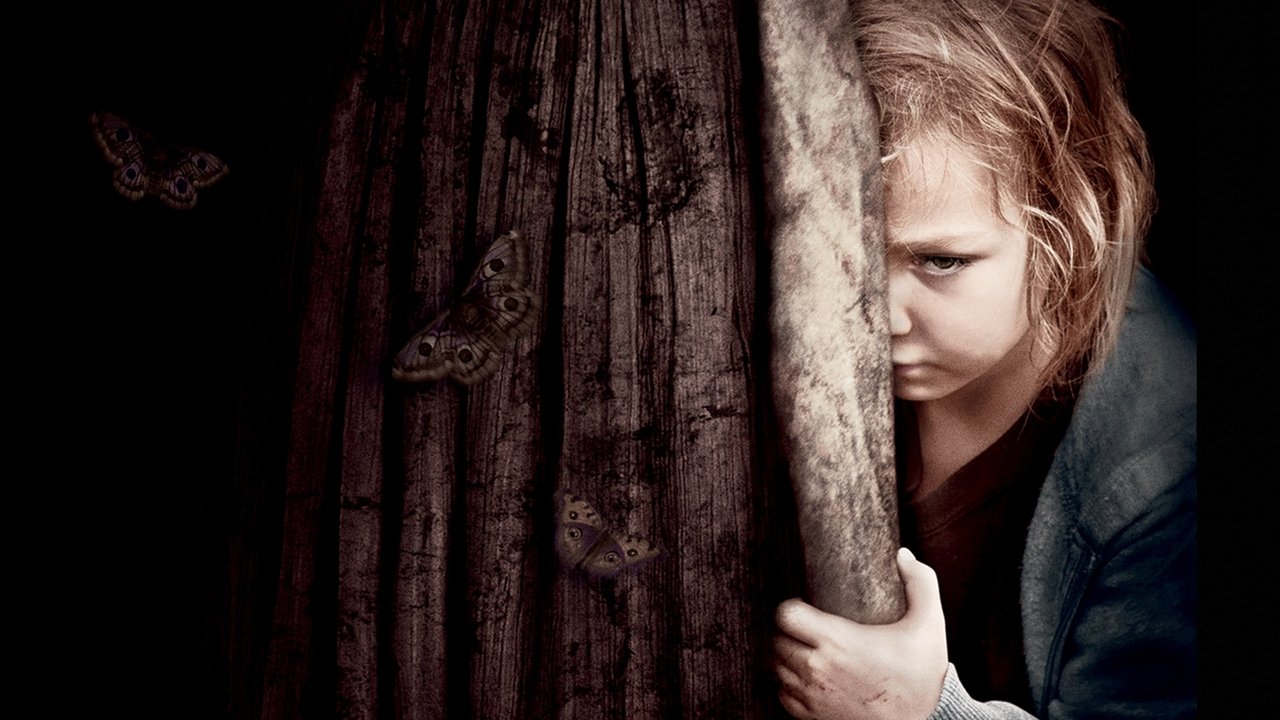
One of the coolest details I found out later was that the "Mama" look was inspired by a specific Modigliani painting. That elongated, distorted facial structure is intentional, meant to evoke a sense of melancholy as much as horror. That’s the Del Toro influence for you—making sure the monster has a soul, even if that soul is deeply murderous.
The ending remains one of the most polarizing "love it or hate it" finales in recent horror history. I won't spoil it, but I’ll say this: I respect a movie that commits to its own internal logic, even if it leaves the audience feeling a bit hollow. It trades the typical "happily ever after" for something much more poetic and unsettling, which feels right for a story that began in a lonely cabin in the woods.
Mama is a gorgeous, if slightly flawed, example of the "supernatural family drama." It relies on atmosphere and a truly haunting physical performance by Javier Botet to overcome some dated CGI and a few logic jumps in the third act. It’s the perfect "gateway horror" for people who want a good chill without the nihilism of a slasher flick. If you missed it during its initial run, it’s well worth a retrospective watch—just maybe keep some gummy bears handy for the jump scares.
Keep Exploring...
-
It Chapter Two
2019
-
It
2017
-
Saw 3D
2010
-

Saw V
2008
-
My Bloody Valentine
2009
-
The Final Destination
2009
-
Zombieland
2009
-
Final Destination 5
2011
-
Paranormal Activity 3
2011
-
The Woman in Black
2012
-
Insidious: Chapter 2
2013
-
Warm Bodies
2013
-
Annabelle
2014
-
The Purge: Anarchy
2014
-
Zero Dark Thirty
2012
-
The Collector
2009
-
Paranormal Activity 2
2010
-
Resident Evil: Afterlife
2010
-
Insidious
2011
-
Resident Evil: Retribution
2012