Man of Steel
"First contact isn't a greeting; it's an impact."
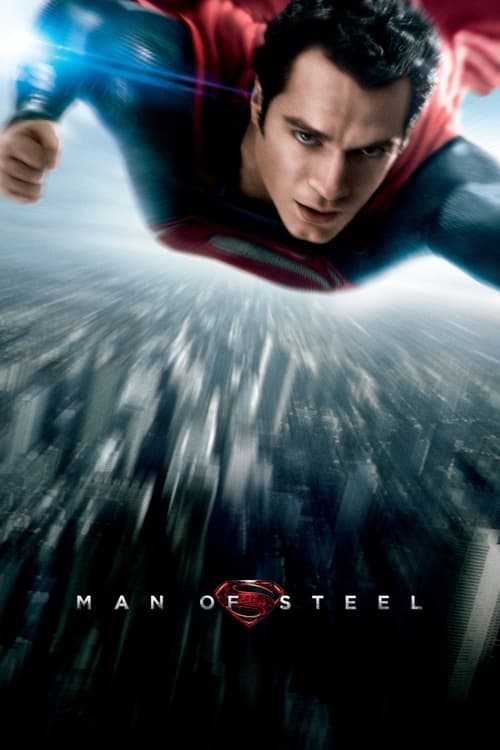
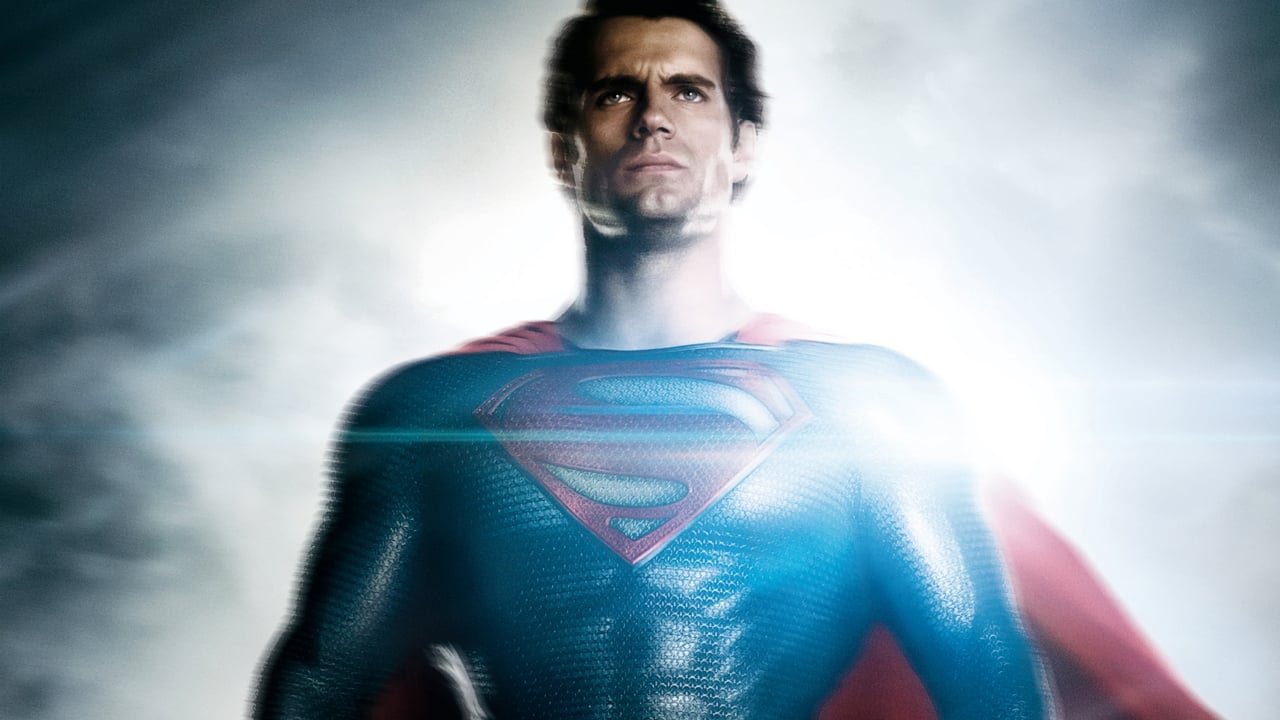
I remember sitting in a half-empty theater on a Tuesday afternoon in 2013, holding a slightly stale blue raspberry Icee that eventually turned my tongue the exact shade of Kal-El’s suit. I’d grown up with the primary-colored optimism of Christopher Reeve, so when the screen flickered to life with the jagged, volcanic landscape of Krypton and the booming, industrial heartbeat of Hans Zimmer’s score, I knew the rules had changed. This wasn't a fairy tale; it was a first-contact sci-fi epic that happened to have a cape.
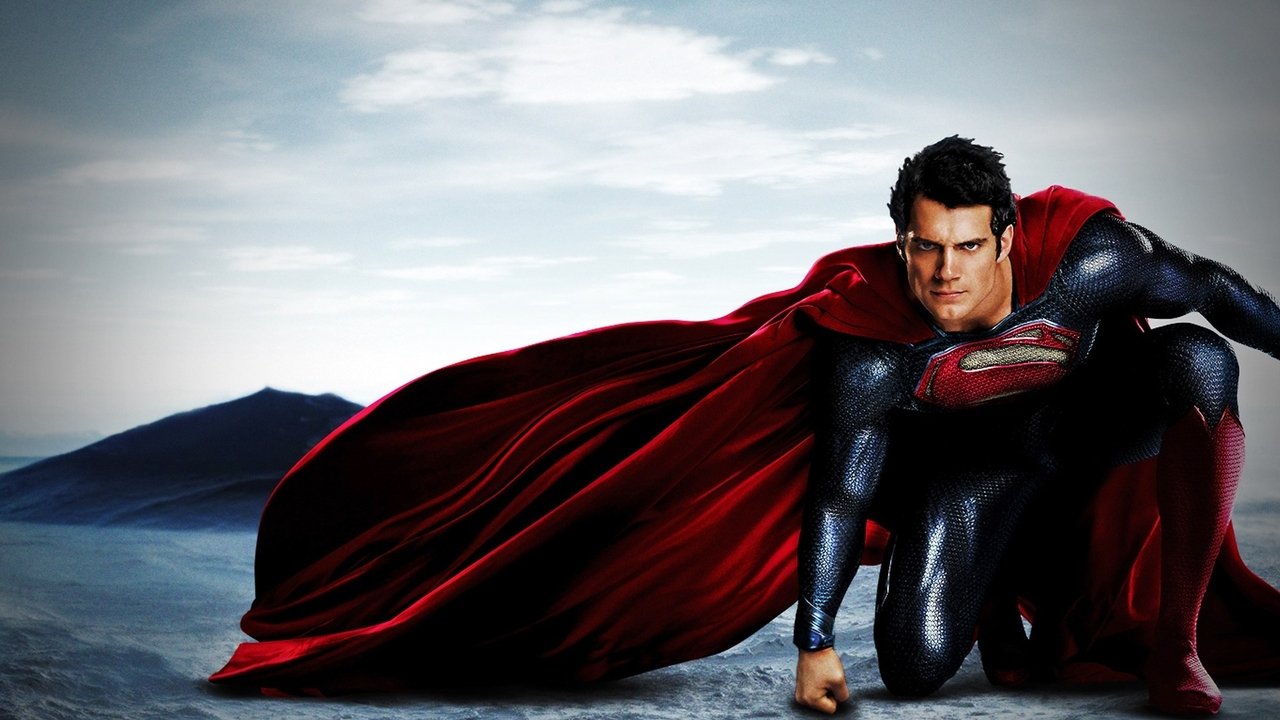
A Heavy Kind of Hope
Looking back, Man of Steel arrived at a strange crossroads in cinema. We were just coming off the high of Christopher Nolan’s The Dark Knight trilogy, and the "Nolan-ification" of the DC universe was in full swing. Zack Snyder—fresh off the hyper-stylized 300 and the dense Watchmen—was tasked with making an invulnerable god feel human. The result is a film that feels remarkably grounded for a story about an alien who can bench-press a tectonic plate.
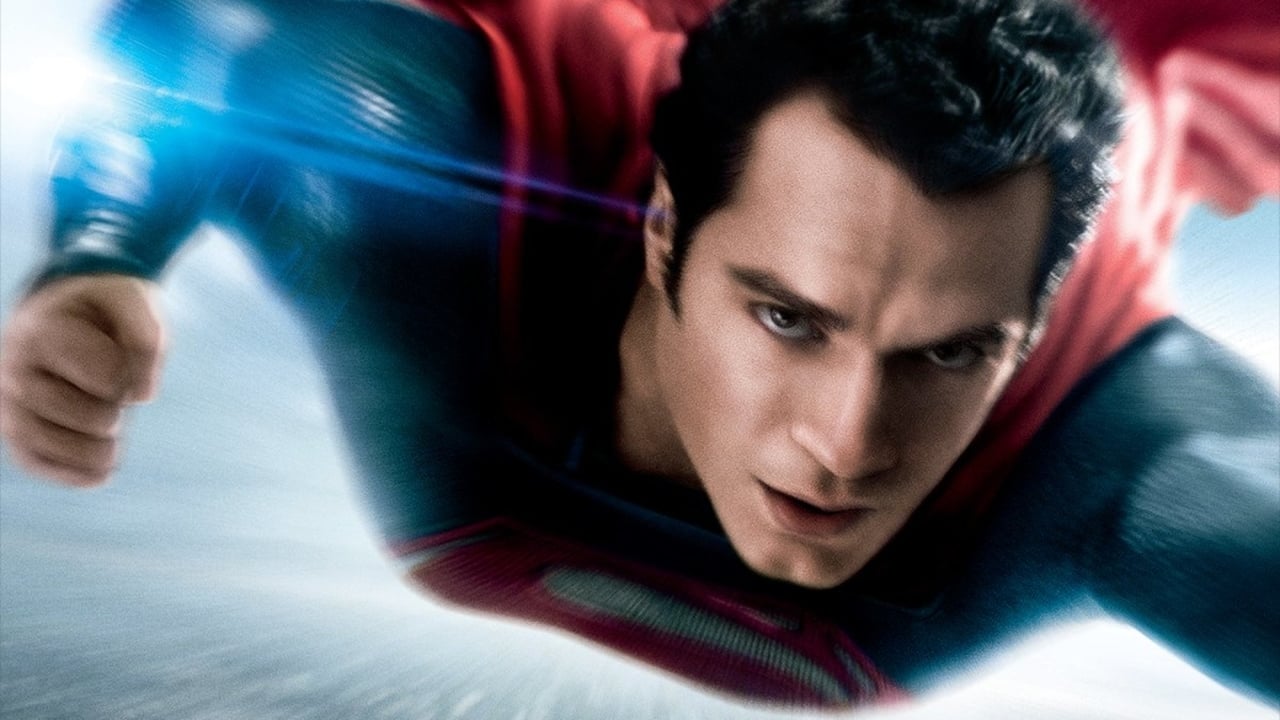
Henry Cavill is often criticized for being too stoic here, but I’ve always found his performance deeply empathetic. He plays Clark Kent as a man who has spent thirty years trying to minimize his own existence so he doesn't accidentally break the world. When he finally gets to let go, it isn't just a superhero moment; it’s a release. Apparently, Cavill was so committed to the physicality of the role that he famously missed the initial phone call from Zack Snyder telling him he got the part because he was too busy playing World of Warcraft. It’s comforting to know that Superman is just as likely to get distracted by a dungeon raid as the rest of us.
Physics, Punching, and Collateral Damage
If the 1978 Superman was about the wonder of flight, 2013's Man of Steel is about the violence of it. The action choreography here is a massive leap from the "floaty" CGI of the early 2000s. When Michael Shannon’s General Zod and his insurgents hit the ground, they hit it with the weight of falling skyscrapers. The Smallville fight is better than any battle in the MCU’s Infinity Saga, mostly because of how it uses "shaky-cam" zooms and sudden bursts of speed to simulate what it would actually look like if two gods fought in a Sears parking lot.
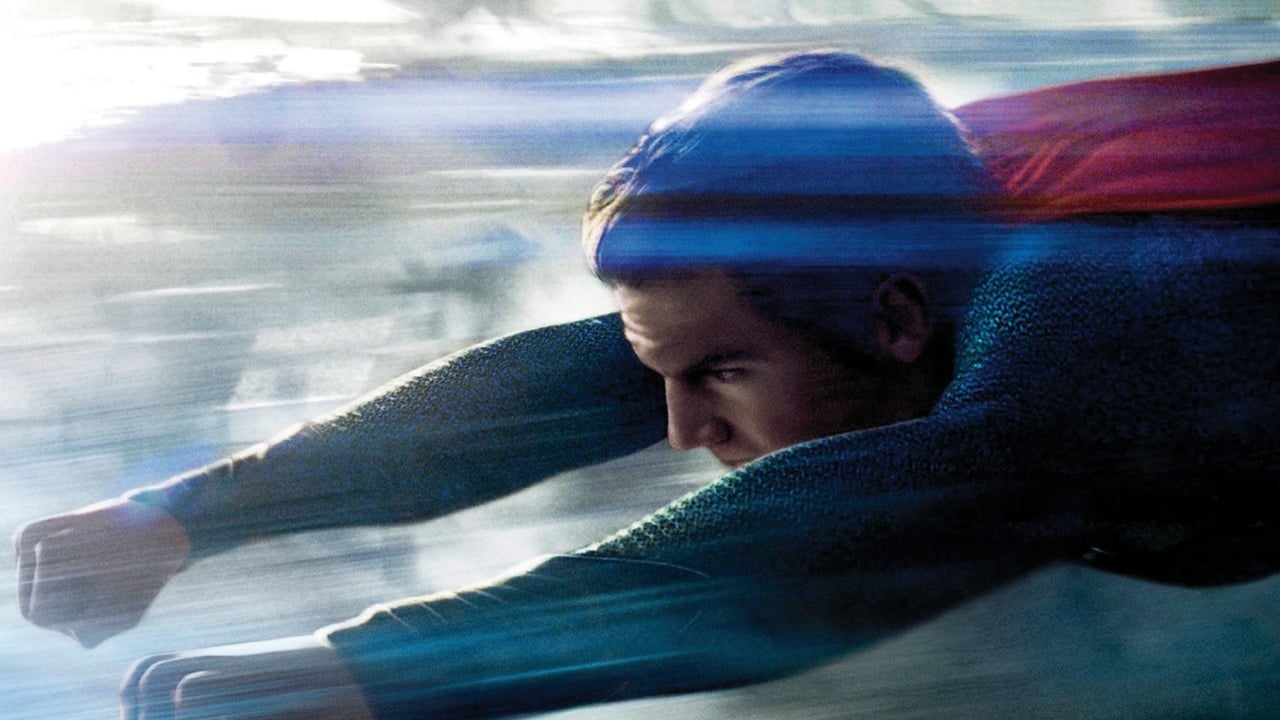
The destruction of Metropolis in the third act remains the film’s most debated element. It’s a sequence that clearly channeled the post-9/11 anxieties that permeated action cinema of that decade—the sight of dust-covered citizens wandering through collapsing towers was a raw, deliberate choice. While some felt it was too dark for the character, I think it gave the stakes a weight that most superhero films lack. These weren't just pixels exploding; it felt like a world-ending event. Interestingly, the heavy "Kryptonian" armor worn by Michael Shannon wasn't practical at all—it was entirely CGI because the actual suits were too heavy and restrictive for the actors to move in.
The Birth of a Polarizing Legacy
What’s fascinating about Man of Steel today is how it has evolved into a genuine cult classic. While it was a box office success, it didn't receive the universal praise the studio expected, yet it birthed a fiercely loyal fanbase that still deconstructs every frame a decade later. It was a film that dared to ask: "What if the world was actually terrified of Superman?"
The supporting cast does a lot of the heavy lifting to keep that question grounded. Kevin Costner as Jonathan Kent gives a performance that still breaks my heart, even if his "maybe you should have let those kids drown" line is one of the boldest, most controversial character beats in modern blockbusters. And Amy Adams brings a needed intelligence to Lois Lane, playing her as a Pulitzer-winning journalist who actually does her job and finds Clark before he ever puts on the suit. This was Adams’ third time auditioning for the role of Lois over the years (having tried for the canceled Superman: Flyby and 2006’s Superman Returns), and that persistence pays off in her chemistry with Cavill.
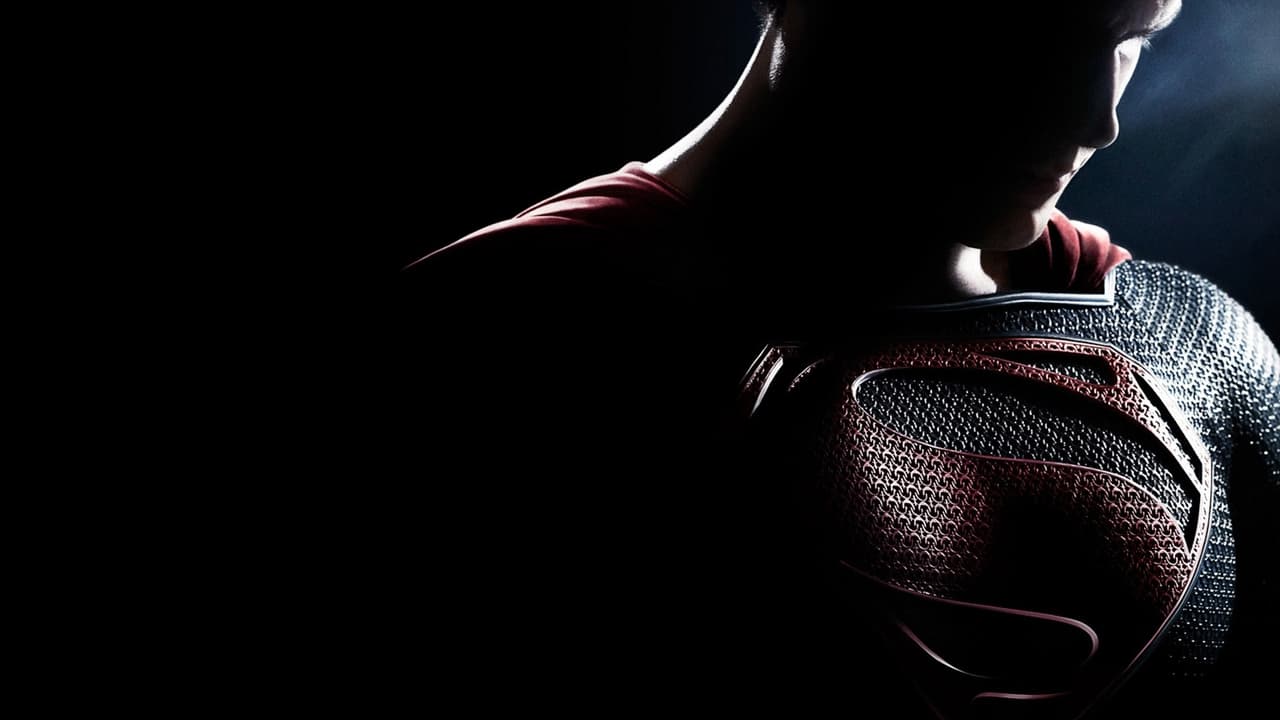
The score also deserves its own monument. To create that iconic, driving sound, Hans Zimmer assembled a "drum orchestra" of twelve world-class drummers, including Danny Carey from Tool and Pharrell Williams. They recorded simultaneously to create a percussive wall of sound that makes the action feel ancient and tribal rather than just "cinematic."
Ultimately, Man of Steel is a film that grows on you the more you move away from the expectations of what a "superhero movie" should be. It’s a beautiful, loud, and occasionally clunky meditation on choice and heritage. General Zod was 100% right from a certain point of view, and that’s what makes him terrifying. He wasn't a villain for the sake of being evil; he was a man programmed for a ghost civilization. Seeing Clark choose his adopted home over his bloodline is the definitive Superman moment, and Snyder captures it with a grandiosity that few films in the genre have matched since.
Keep Exploring...
-
Batman v Superman: Dawn of Justice
2016
-
Jumper
2008
-
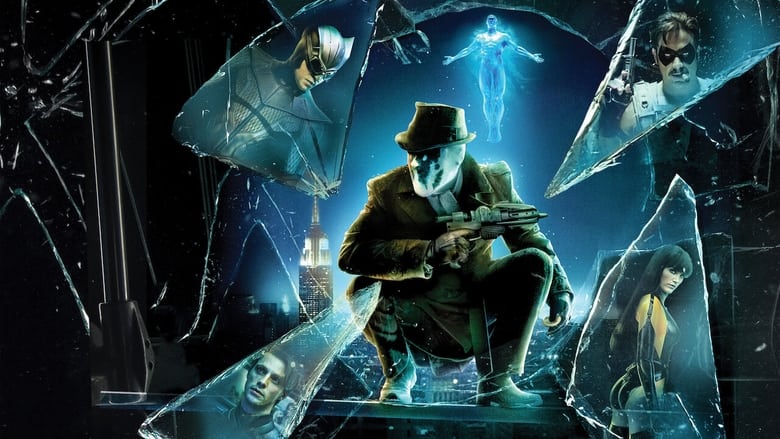
Watchmen
2009
-

Justice League
2017
-
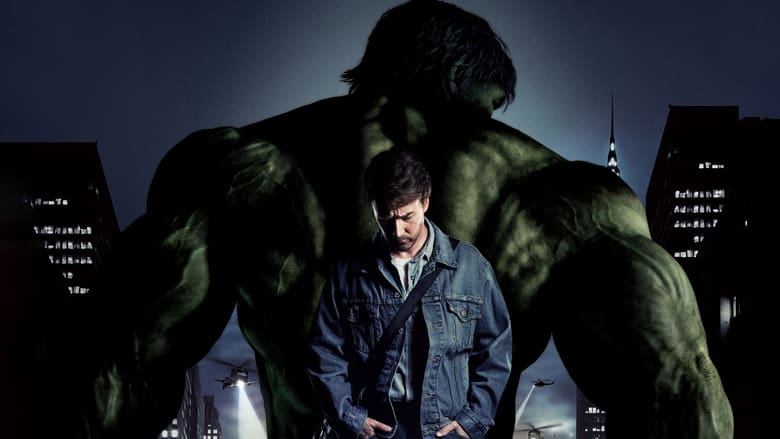
The Incredible Hulk
2008
-

G.I. Joe: The Rise of Cobra
2009
-

Star Trek
2009
-
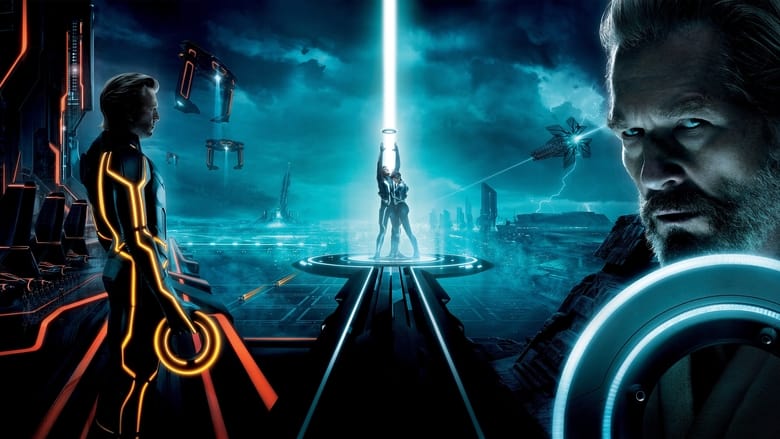
TRON: Legacy
2010
-

Captain America: The First Avenger
2011
-
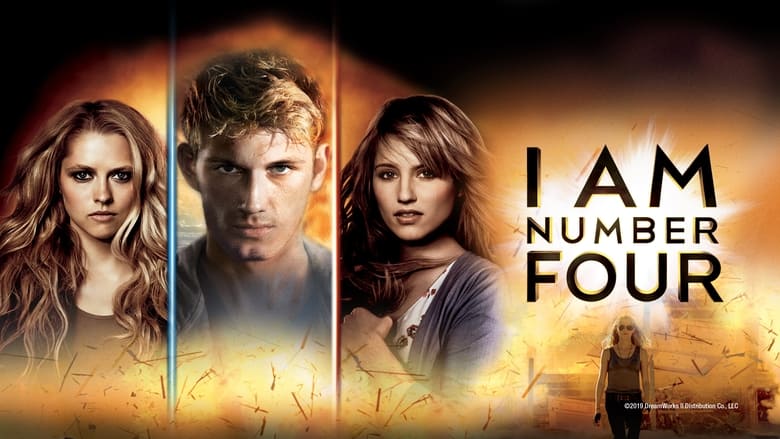
I Am Number Four
2011
-

X-Men: First Class
2011
-
John Carter
2012
-

Ender's Game
2013
-

G.I. Joe: Retaliation
2013
-
Oblivion
2013
-
Pacific Rim
2013
-
Star Trek Into Darkness
2013
-
X-Men: Days of Future Past
2014
-
The Matrix Revolutions
2003
-
Journey to the Center of the Earth
2008