Nebraska
"The million-dollar lie that buys a little dignity."
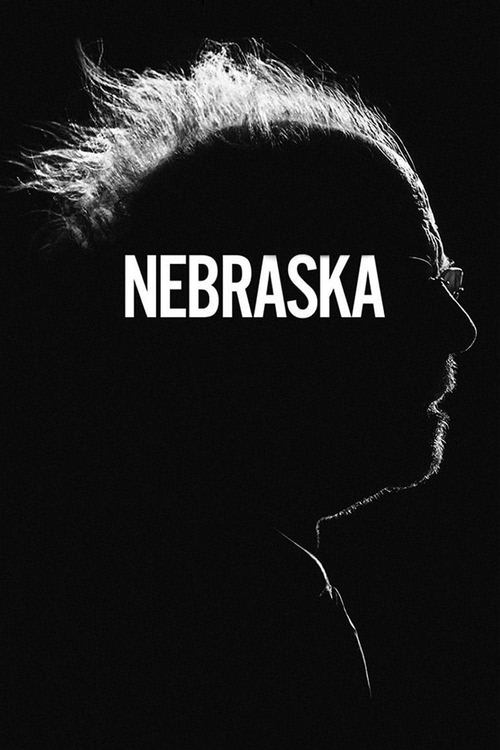
The first time I sat down with Nebraska, I was nursing a cup of lukewarm peppermint tea in a drafty apartment that felt about as desolate as the Billings outskirts. It’s a film that demands a certain level of environmental chill to truly sink in. Released in 2013, a year dominated by the bombast of Gravity and the drug-fueled roar of The Wolf of Wall Street, Alexander Payne’s monochrome road trip felt like a ghost haunting the multiplex. It didn't belong to the digital era of 4K saturation; it looked like a memory that had been left out in the rain and then dried on a radiator.
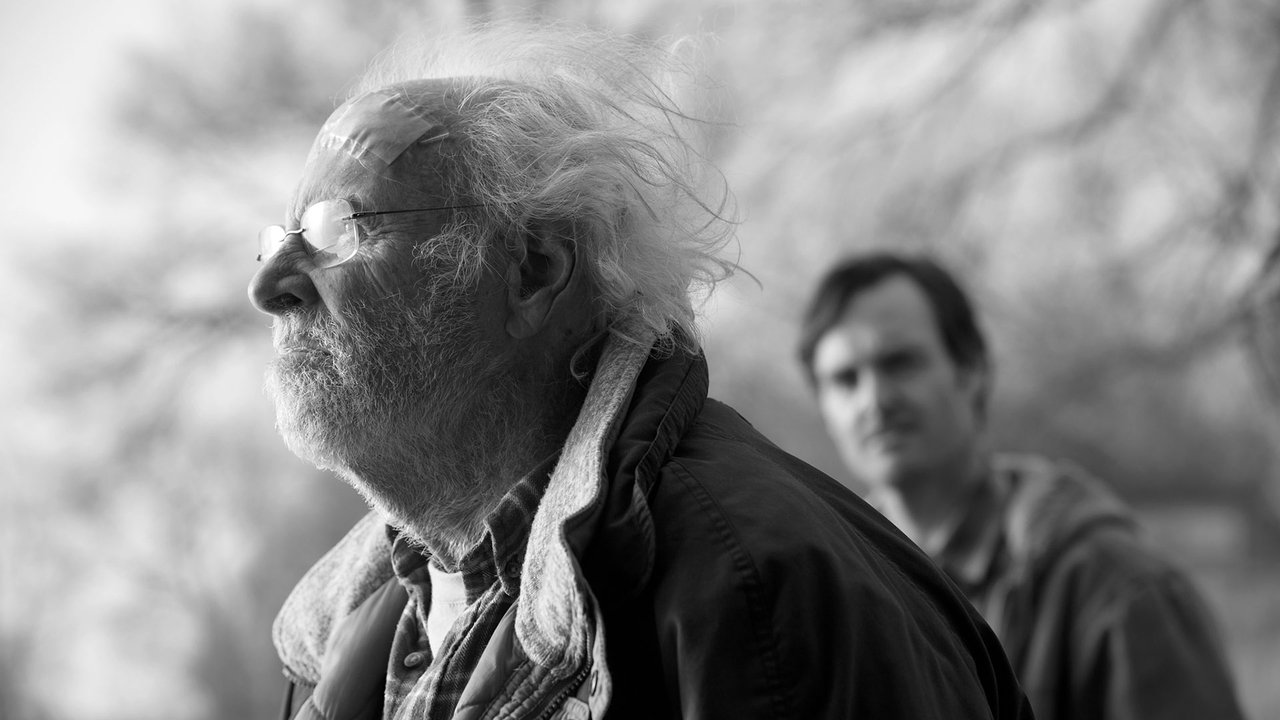
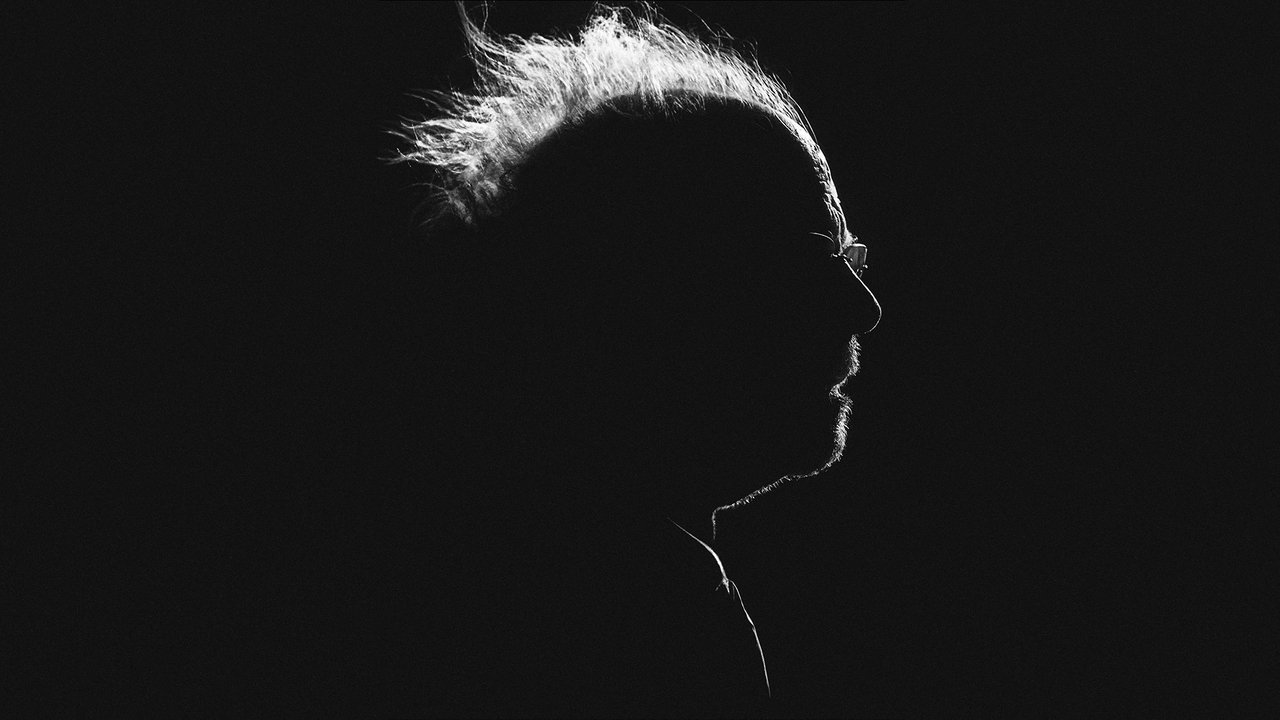
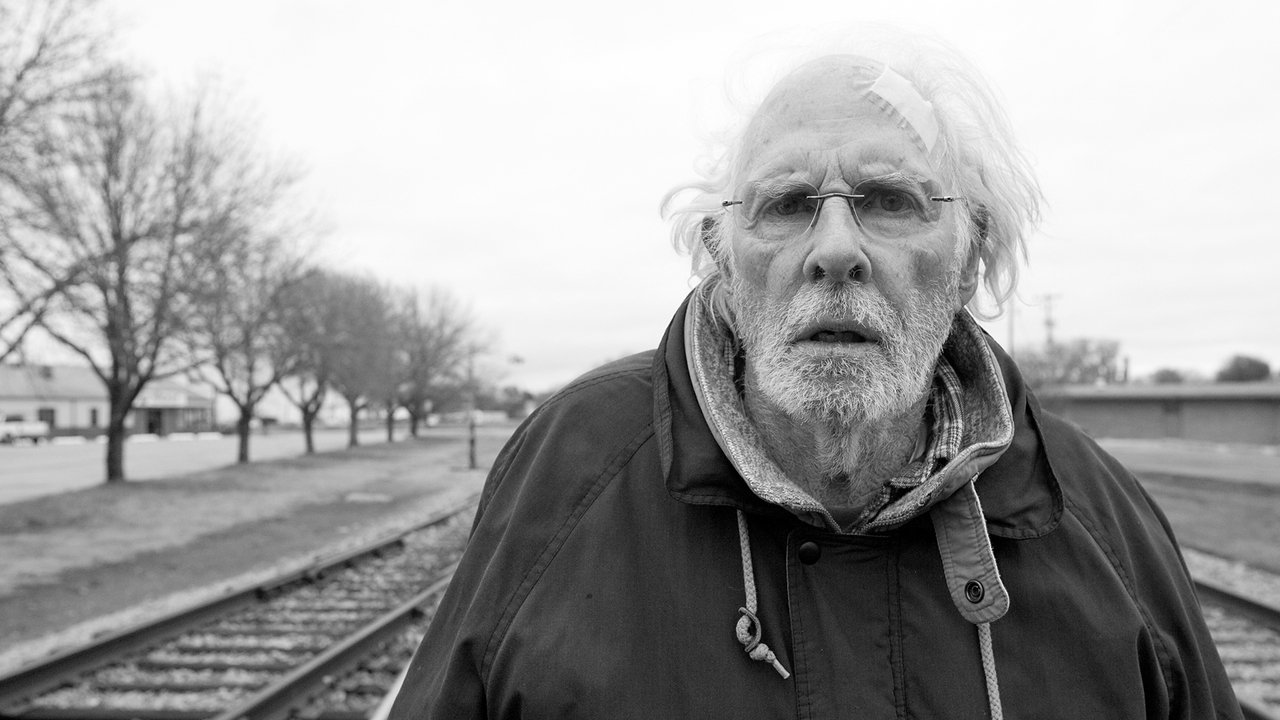
The premise is deceptively thin: Woody Grant, an aging, alcoholic curmudgeon played with haunting vacancy by Bruce Dern (whom you might know from The Cowboys or later in The Hateful Eight), receives a junk-mail sweepstakes letter. He’s convinced he’s won a million dollars and is determined to walk from Montana to Lincoln, Nebraska, to claim it. His youngest son, David, played by a surprisingly understated Will Forte, eventually agrees to drive him—not because he believes in the money, but because he realizes his father just needs something to be "about" before the clock runs out.
The Dignity of a Delusion
What I find most compelling about Nebraska isn't the "is he or isn't he" mystery of the prize—we know from minute one that the letter is trash. It’s the philosophical weight of the lie itself. In an era where cinema was increasingly obsessed with "gritty realism" or superhero escapism, Payne gave us something rarer: a meditation on the necessity of illusions. Woody is a man who has been hollowed out by a lifetime of booze and unfulfilled expectations. The million dollars isn't about greed; it’s a scorecard. It’s a way for a man who feels like a zero to finally provide something, even if that something is built on a foundation of marketing junk.
Bruce Dern delivers a performance that is mostly comprised of silence and confusion, yet he manages to make Woody’s stubbornness feel like a heroic act of rebellion against the dying of the light. On the flip side, Will Forte—at the time known primarily for the absurdist screams of MacGruber—proved that he has the saddest eyes in comedy. His David is the audience’s proxy, oscillating between exasperated pity and a burgeoning understanding that his father isn't a puzzle to be solved, but a man to be escorted.
Monochrome Landscapes and Small-Town Vultures
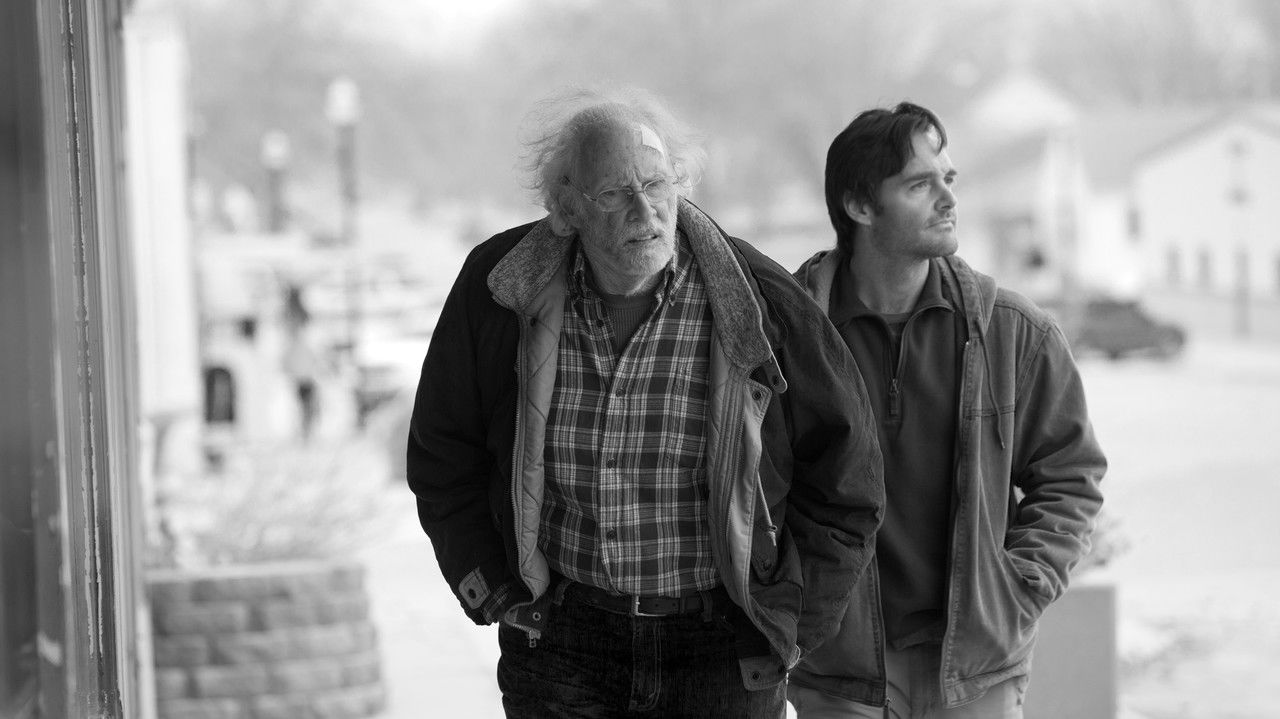
The choice to shoot in black and white was a massive point of contention during production. Paramount originally balked, wanting a color version for international markets and television. Payne, thankfully, held his ground. Looking at it now, the B&W cinematography by Phedon Papamichael (who worked with Payne on Sideways) is essential. It strips away the romanticism of the American Midwest and leaves only the bones: the flat horizons, the crumbling storefronts, and the weathered faces of people who have stayed in one place for too long.
When the duo stops in Woody’s hometown of Hawthorne, the film shifts from a quiet character study into a biting social satire. Once the news of the "millionaire" spreads, the vultures descend. Stacy Keach is deliciously oily as Ed Pegram, a former business partner who crawls out of the woodwork to claim a slice of the non-existent pie. This is where the movie gets its teeth. It captures that specific brand of small-town greed where everyone remembers a twenty-dollar debt from 1975.
However, the undisputed MVP of the film's second half is June Squibb as Kate Grant. She provides the necessary voltage to prevent the film from drifting into pure melancholy. Her scene at the cemetery, where she gives a blunt, profanity-laced history of the local dead, is a masterclass in comic timing. She reminds us that while Woody might be the dreamer, someone had to stay awake and deal with the reality of him.
A Relic of the Indie Renaissance
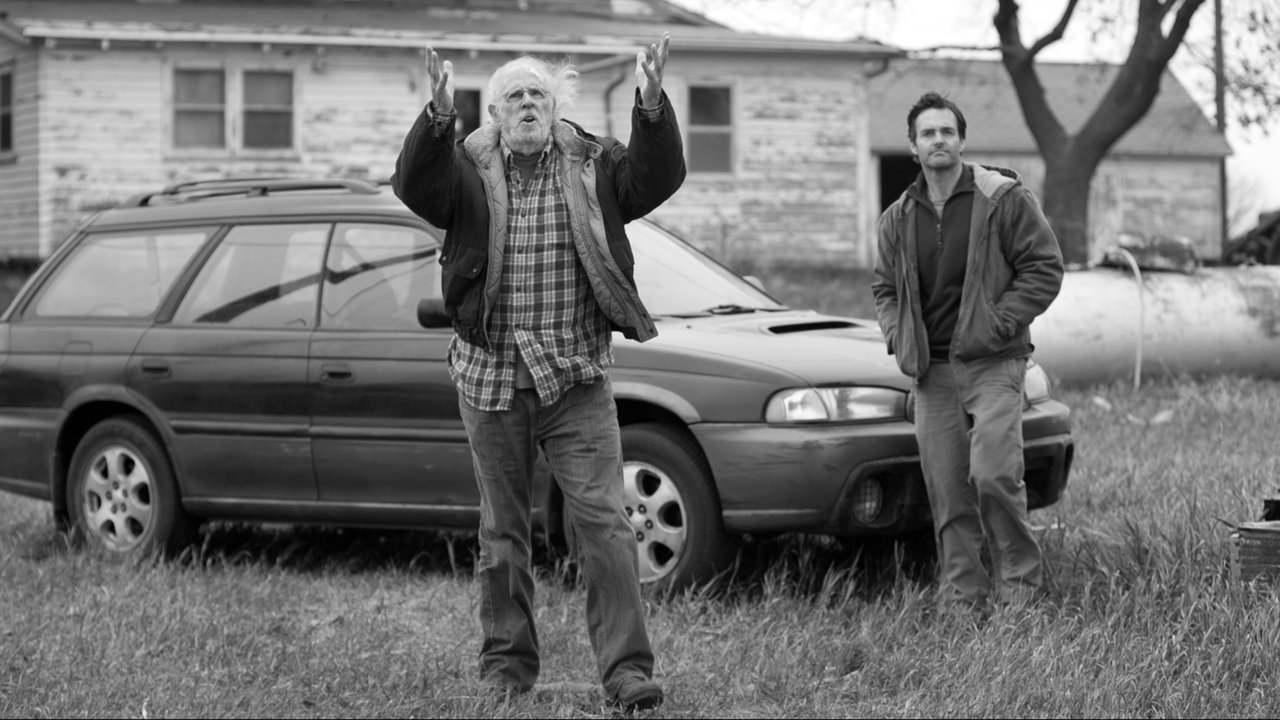
Looking back from a decade later, Nebraska feels like one of the last gasps of the mid-budget, adult-oriented "Indie Renaissance" that flourished on DVD shelves and at Sundance before the streaming giants fully pivoted to content-as-algorithm. It’s a film that trusts the viewer to sit with the silence. It doesn't use a swelling score to tell you when to feel sad; Mark Orton’s folk-infused music is sparse, acoustic, and slightly lonely.
It’s also a fascinating bridge in the career of Bob Odenkirk, who plays the older brother, Ross. He was still in the midst of his Breaking Bad fame, but here he plays a relatively "normal" guy—a local news anchor trying to maintain a veneer of success. Seeing him and Will Forte together is a treat for any fan of 90s/00s alternative comedy, yet they both play it completely straight, grounding the family dynamic in a way that feels achingly real.
Nebraska isn't a film that provides easy answers or a triumphant ending. It’s a quiet, beautiful, and often hilarious exploration of what we owe our parents and what they owe themselves. It asks us to consider if it’s kinder to tell a hard truth or to let a man drive a new truck through his hometown one last time, even if he didn't technically earn it. If you missed this one during the 2013 awards shuffle, find a quiet evening, put on a sweater, and take the trip. It’s a long road, but the view is worth it.
Keep Exploring...
-

The Fall
2006
-
Election
1999
-
The Way Back
2010
-

The Descendants
2011
-
All Is Lost
2013
-

About Schmidt
2002
-
Synecdoche, New York
2008
-
Into the Wild
2007
-
Agora
2009
-

Wizards of Waverly Place: The Movie
2009
-

13 Assassins
2010
-
The 100 Year-Old Man Who Climbed Out the Window and Disappeared
2013
-
The Physician
2013
-
The Young and Prodigious T.S. Spivet
2013
-
Alive
1993
-
The Edge
1997
-
The Count of Monte Cristo
2002
-
Holes
2003
-
Sideways
2004
-
Rescue Dawn
2007