Only God Forgives
"Silence is a weapon. Vengeance is a song."
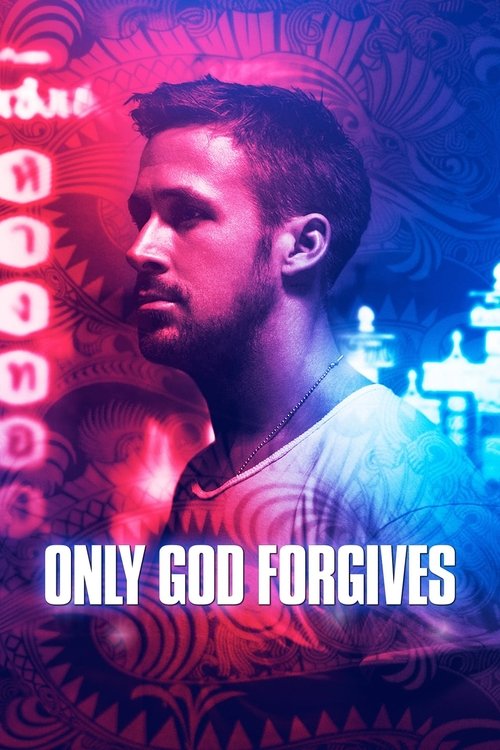
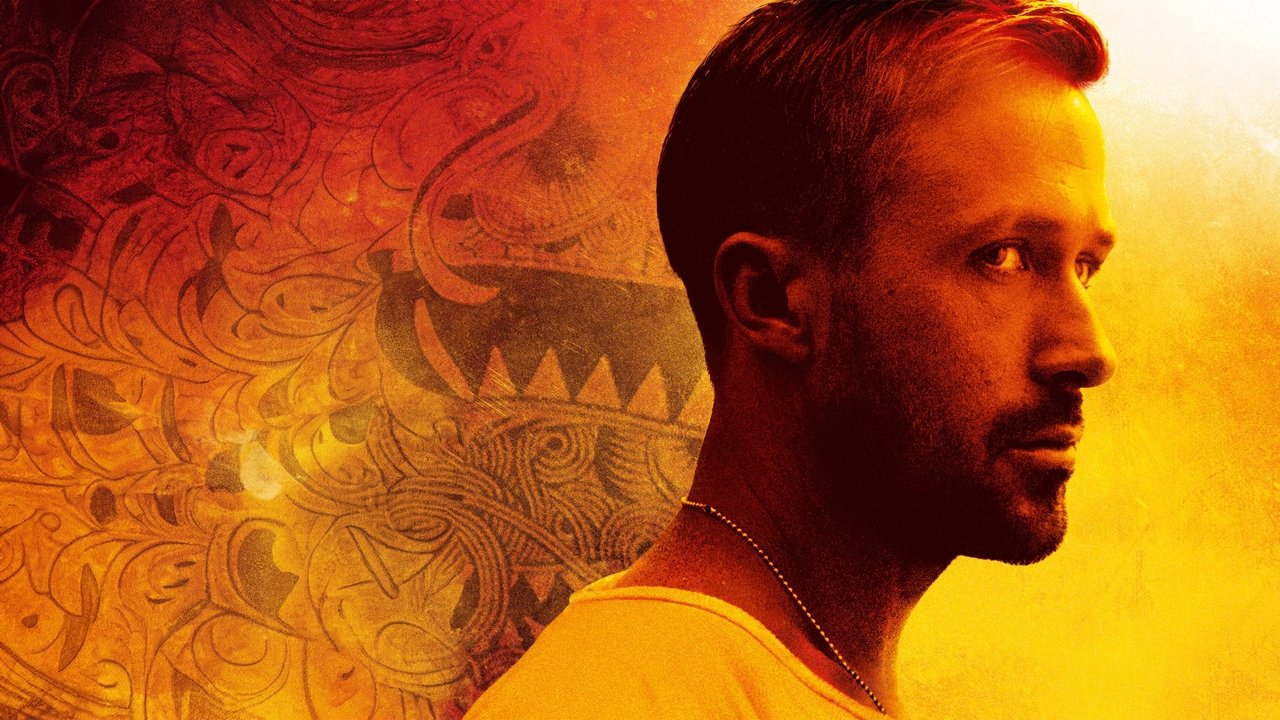
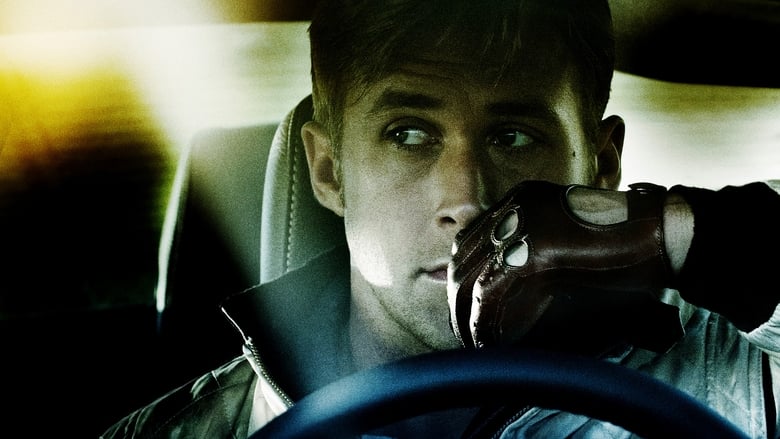
The boos at the Cannes Film Festival are usually a badge of honor, a sign that you’ve poked the bear of high-brow sensibility just hard enough to get a reaction. But when the lights came up on Only God Forgives in 2013, the reaction wasn't just a poke—it was a full-scale riot of derision. I remember the online fallout vividly; the "Gosling-aissance" was at its absolute peak, and fans who had spent the previous two years wearing satin scorpion jackets from Drive (2011) showed up expecting a high-octane sequel. Instead, they got a slow-motion, neon-drenched nightmare where the leading man barely speaks and spends most of his time looking at his own hands with existential dread.

I watched this again recently on a Tuesday night while my neighbor was practicing the accordion in the apartment above mine. The discordant, wheezing scales of a beginner musician actually synced up perfectly with the oppressive atmosphere of the film, making the whole experience feel like a cursed fever dream I couldn't wake up from.
The Auteur’s Unfiltered Ego
By 2013, the film industry was firmly in the grip of the "Trilogy Mentality." The MCU was finding its groove with Iron Man 3, and the mid-budget, director-driven drama was starting to feel like a dying breed. Into this landscape stepped Nicolas Winding Refn, fresh off his breakout success and armed with a "blank check" to do whatever he wanted. What he wanted, it turns out, was to strip cinema down to its most basic, brutal elements: color, sound, and stillness.
The film follows Julian, played by a remarkably internal Ryan Gosling. He runs a Muay Thai gym in Bangkok as a front for drug smuggling. When his brother Billy (Tom Burke) is killed after committing a heinous crime, their mother Crystal—played by a terrifyingly icy Kristin Scott Thomas—arrives to demand blood. She is essentially Lady Macbeth with a bleach-blonde blowout and a mouth like a sailor. But the man standing in her way isn't a typical gangster; it’s Chang (Vithaya Pansringarm), a police lieutenant who functions as a sort of local deity, doling out divine justice with a sword hidden behind his back.
A Masterclass in Visual Hostility
If you’re looking for a plot that moves with any kind of traditional momentum, you’re in the wrong zip code. Refn essentially made a $5 million art installation where the main character is a human punching bag. This is a film told through the eyes of the cinematographer, Larry Smith, who previously worked with Stanley Kubrick on Eyes Wide Shut (1999). You can see that Kubrickian DNA in every frame. The camera doesn't just watch the characters; it stalks them through corridors bathed in deep reds and sickly yellows.
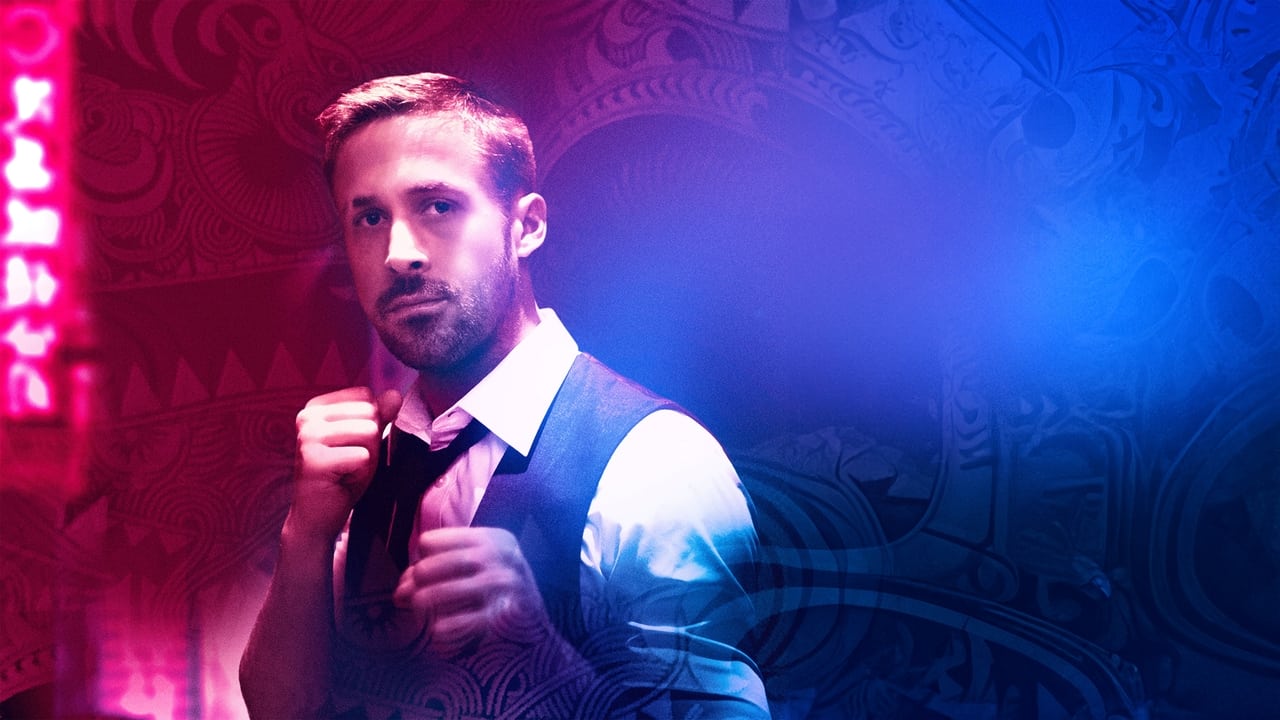
It’s important to remember that Refn is actually color-blind; he can’t see mid-tones, which explains why his films since Valhalla Rising (2009) have become increasingly high-contrast. Everything is either pitch black or burning neon. In the era of early digital cinematography, where many films looked flat or "soapy," Only God Forgives used the Arri Alexa to create something that looked like it was painted in liquid light. It’s gorgeous to look at, even when the things happening on screen—like Chang’s penchant for creative torture—make you want to look away.
Trivia from the Neon Trenches
One of the most fascinating things about the production is that Refn insisted on shooting the film in chronological order. This is a nightmare for producers and a luxury few indie films can afford, but it allows the actors to actually live through the escalating dread. Ryan Gosling reportedly spent months training in Muay Thai for the role, only for Refn to decide that Julian shouldn't actually be a good fighter. In the film's big "fight" scene, Julian doesn't land a single punch. He just gets systematically dismantled by Chang. It was a bold choice that subverted every "action hero" trope the audience expected from the guy who played the Driver.
Then there’s the Karaoke. Between bouts of extreme violence, we see Chang singing Thai pop songs to a room full of rapt policemen. It’s absurd, haunting, and deeply weird. Apparently, Vithaya Pansringarm is a kendo master in real life, and that disciplined, lethal grace carries over into every movement he makes, whether he’s swinging a blade or holding a microphone.
Why It Hurts So Good
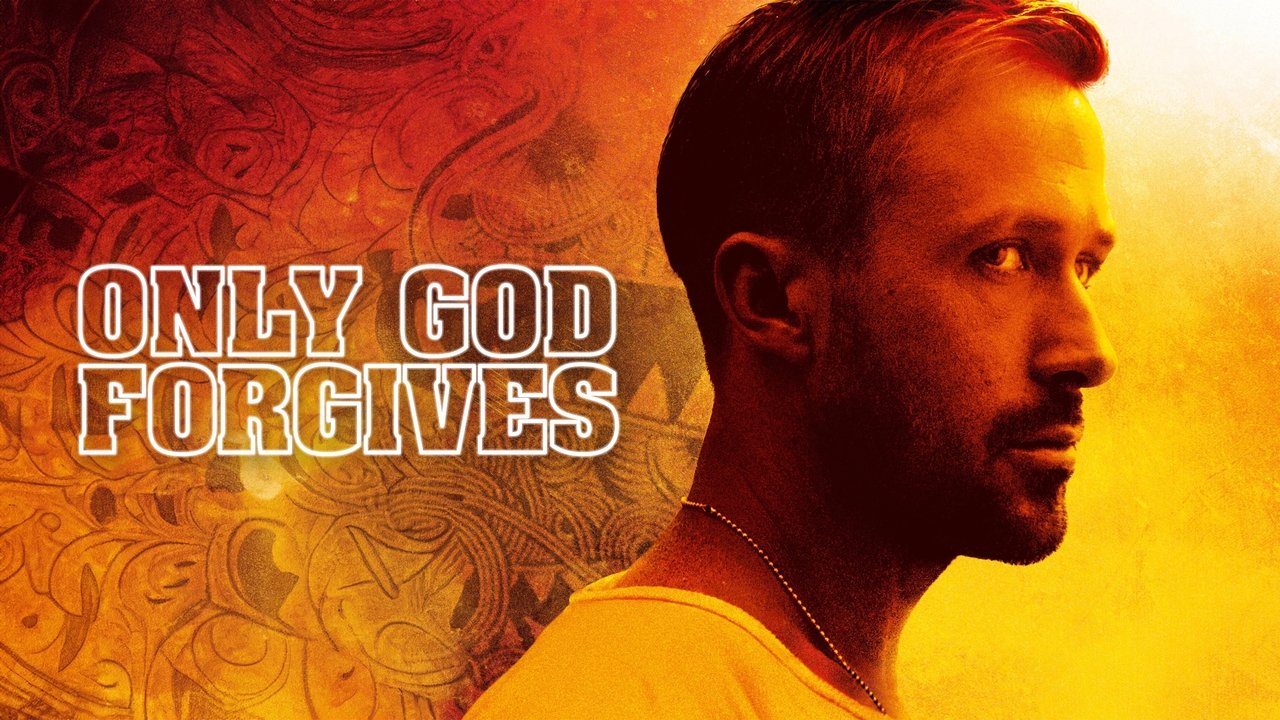
The drama here isn't found in the dialogue—Julian has maybe 20 lines in the entire 89-minute runtime. Instead, the drama is entirely Oedipal. The relationship between Kristin Scott Thomas and Gosling is the most uncomfortable thing about the movie, surpassing even the scenes of needles being pushed into ears. She emasculates him at every turn, and his silence feels less like "cool guy" stoicism and more like the paralysis of a traumatized child.
Looking back, Only God Forgives feels like a pivotal moment in the 2010s "Elevated Genre" movement. It’s a crime thriller that hates being a crime thriller. It wants to be a Greek tragedy set in a Thai nightclub. While it might be too slow for a casual Friday night watch, it's a fascinating artifact of a time when a director could still get a decent budget to make something purely, unapologetically self-indulgent.
I’ll be the first to admit this movie is an acquired taste, like a shot of something that burns all the way down and leaves a metallic tang in your mouth. It isn't "fun" in the traditional sense, but it is undeniably singular. In an age where movies are increasingly designed by committees to be as inoffensive as possible, there is something deeply refreshing about a film that is willing to be hated. It’s a vibe, a nightmare, and a visual feast that proves sometimes, the boos at Cannes are just the sound of people being forced to see something they weren't ready for.
Keep Exploring...
-
Drive
2011
-
Bronson
2009
-
Valhalla Rising
2009
-
The Hole
2001
-
Felon
2008
-

Blood and Bone
2009
-
The Girl Who Played with Fire
2009
-
Undisputed III: Redemption
2010
-

Lakeview Terrace
2008
-

Pride and Glory
2008
-
Street Kings
2008
-
Untraceable
2008
-
Vantage Point
2008
-
Fast & Furious
2009
-
Harry Brown
2009
-
The Last House on the Left
2009
-

22 Bullets
2010
-
Brooklyn's Finest
2010
-
Edge of Darkness
2010
-
Faster
2010