Out of the Furnace
"Steel breaks. Blood doesn't."

There is a specific kind of soot that settles over the Rust Belt—a mixture of iron filings, coal dust, and the evaporated dreams of three generations of steelworkers. You can almost smell it coming off the screen in the first ten minutes of Scott Cooper’s 2013 blue-collar tragedy. It’s the kind of movie that feels like it was filmed through a filter of motor oil and tears. I watched this most recently on a Tuesday night while eating a bowl of slightly burnt popcorn, and the char on the kernels actually felt like a thematic tie-in. It’s a heavy, grinding gear of a film, but there’s something undeniably magnetic about watching a cast this overqualified sink their teeth into a story this bleak.
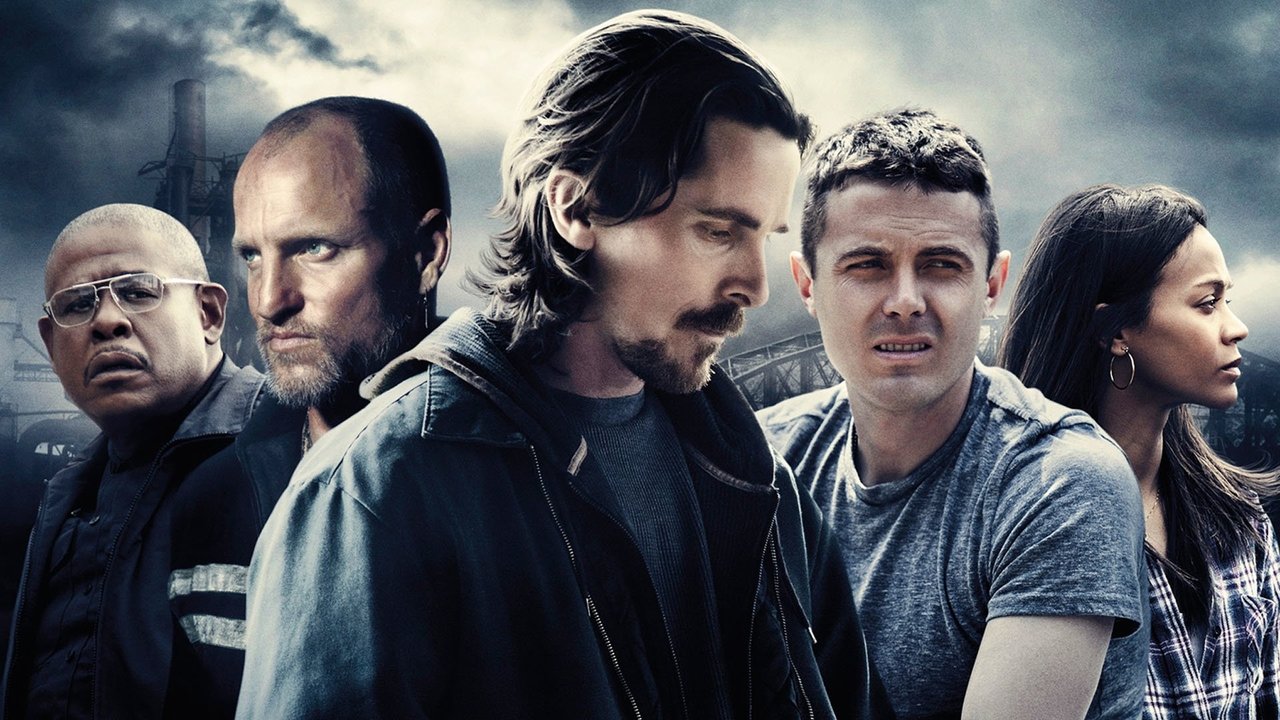
The Heavyweights in the Furnace
When I look back at the early 2010s, it feels like the last gasp of the mid-budget adult drama before everything was swallowed by the gravitational pull of the MCU. Out of the Furnace is the ultimate "how did they get all these people?" movie. You’ve got Christian Bale playing Russell Baze with a quiet, saint-like patience that makes his eventual snap feel like a tectonic shift. He spent weeks hanging out with real steelworkers in Braddock, Pennsylvania, and you can see it in the way he handles a shovel—he doesn’t look like a movie star playing dress-up; he looks like a man who hasn't had a full night's sleep since the Bush administration.
Opposite him is Woody Harrelson as Harlan DeGroat, a man who is less a character and more a localized weather event of pure malice. Apparently, Harrelson’s performance was so intense during filming that he actually unnerved the locals in the Appalachian foothills where they shot the "mountain" scenes. Woody Harrelson is essentially a human cigarette butt in this movie, and I mean that as a high compliment. He represents a specific type of post-recession villainy: the predatory kingpin of a trailer-park empire who thrives when the official economy collapses.
Then you have the supporting bench: Sam Shepard providing the grizzled moral compass, Willem Dafoe as a small-time bookie who is clearly in over his head, and Forest Whitaker as the lawman trying to keep the lid on a boiling pot. Even Zoe Saldaña finds deep, aching notes in the "girlfriend who moved on" archetype, a role that could have been a footnote but instead becomes the film’s bruised heart.
A Love Letter to a Dying Town

The real star, however, is Braddock, Pennsylvania. This wasn't some backlot in Georgia; the production took over the Carrie Furnace and the surrounding streets. You can feel the history of the place. It’s a film that captures that specific post-9/11 anxiety where the "war at home" isn't about terrorism, but about the slow, agonizing decay of the American Dream. The screenplay, co-written by Cooper and Brad Ingelsby (who later mastered this vibe with Mare of Easttown), was originally a script called The Low Dweller. It was a much more straightforward revenge flick until Cooper got his hands on it and decided to turn it into a funeral march for the industrial North.
I love a good piece of "production lore," and this one has a great one: Leonardo DiCaprio was originally supposed to star in it. Instead, he stayed on as a producer, clearing the way for Christian Bale. While I’m sure Leo would have been fine, there’s a grit to Bale’s performance—a willingness to look genuinely haggard—that fits the 2013 "Modern Cinema" era of gritty realism perfectly. This was a time when we wanted our heroes to bleed and our settings to look like they needed a tetanus shot.
Why It Became a Hard-Luck Cult Classic
When it hit theaters, Out of the Furnace did a bit of a face-plant. It made $15 million against a $22 million budget, which is a tragedy considering the level of craft on display. Critics at the time were a bit divided; some found it too dour, others thought it was a masterpiece of atmosphere. But in the years since, it has found a second life on cable and streaming. It’s the kind of movie you find at 11:00 PM on a Saturday and find yourself unable to turn off because you’re waiting to see if Russell can finally catch a break (Spoiler: he usually doesn't).
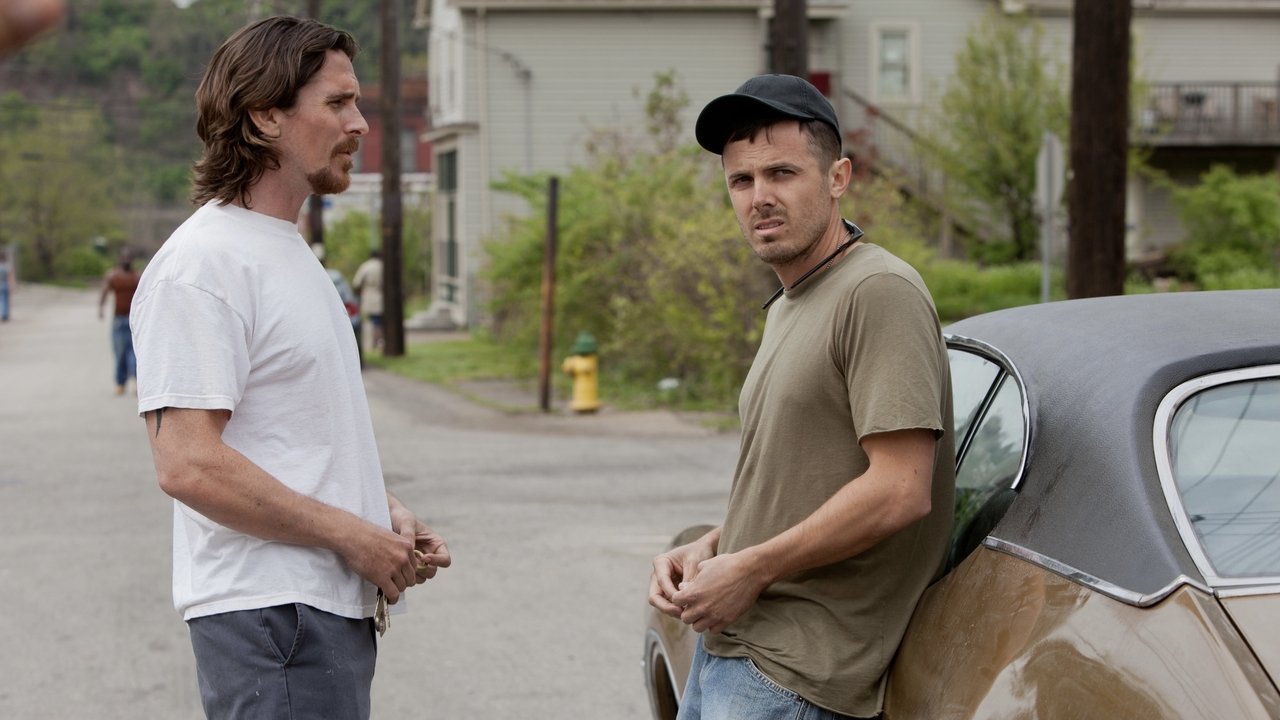
The film is punctuated by Dickon Hinchliffe’s haunting score and a recurring use of Pearl Jam’s "Release," which acts as a sort of sonic glue for the film’s emotional beats. It’s an "alpha male" movie in the best sense—not because of posturing, but because it explores the crushing weight of responsibility and the toxic cost of "doing the right thing" in a world that doesn't care. It’s a film where the violence feels heavy and consequential, not stylized or fun.
It isn't a "fun" watch, but it is a deeply rewarding one. It’s a reminder of a time when Hollywood still took swings on mid-sized stories about people who work for a living and the ghosts that haunt the places where the fire has gone out. By the time the credits rolled and I was staring at the bottom of my popcorn bowl, I felt like I’d actually been somewhere. If you're in the mood for a drama that has the texture of a rusted iron gate and the soul of a blues song, this is the one you’ve been looking for.
Keep Exploring...
-
American Psycho
2000
-
A Walk Among the Tombstones
2014
-
The Pale Blue Eye
2022
-
Vantage Point
2008
-
Crazy Heart
2009
-
Faster
2010
-
The Next Three Days
2010
-

Colombiana
2011
-
The Lincoln Lawyer
2011
-
Contraband
2012
-
End of Watch
2012
-
Savages
2012
-

Side Effects
2013
-
The Bank Job
2008
-

Law Abiding Citizen
2009
-
Gangster Squad
2013
-

Trance
2013
-
Street Kings
2008
-
Hostiles
2017
-

Falling Down
1993