Pacific Rim
"Go Big or Go Extinct."
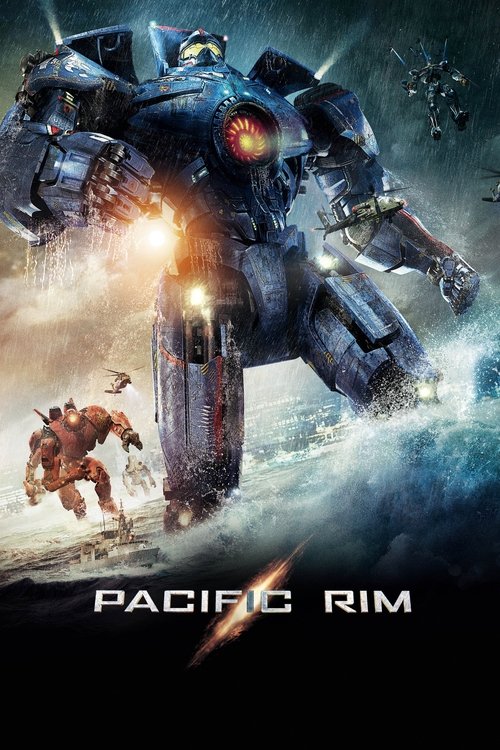
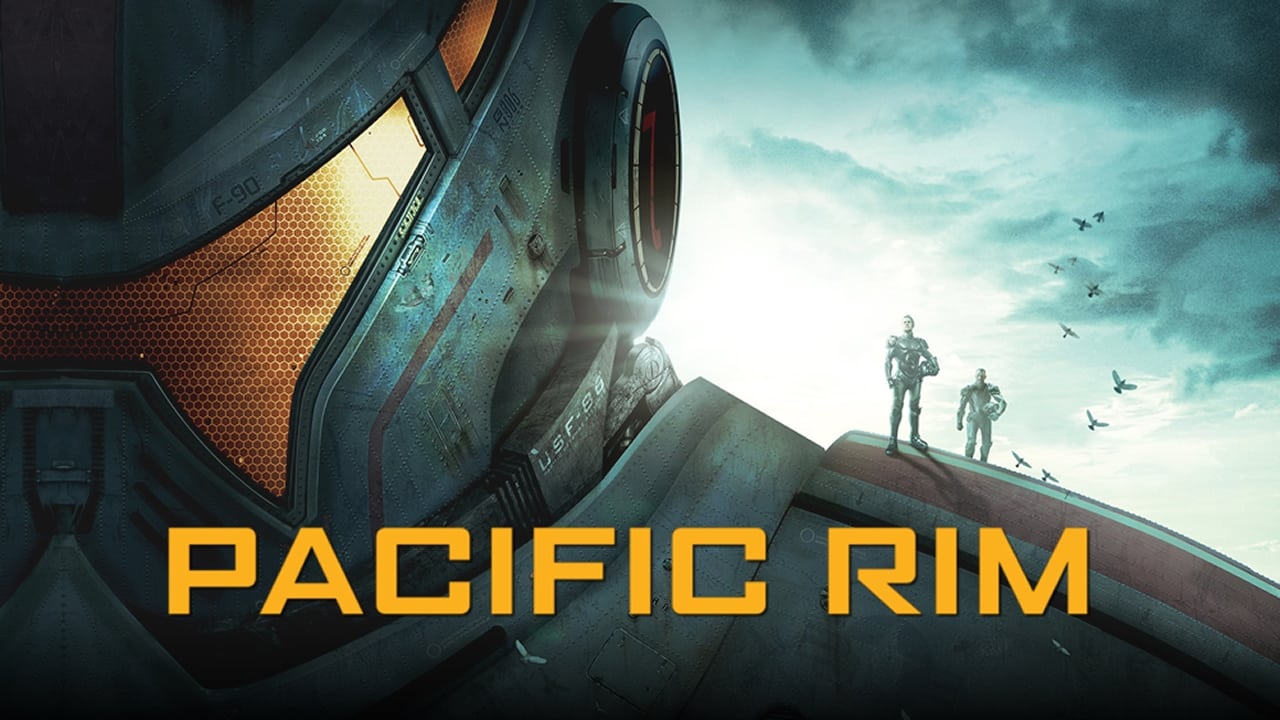
There is a specific, primal kind of joy that only comes from watching a skyscraper-sized robot hit a multi-dimensional dinosaur in the face with a container ship. It’s the kind of premise that usually belongs in the bargain bin of a 1990s VHS store, sandwiched between a Power Rangers rip-off and a monster-of-the-week disaster flick. Yet, in 2013, Guillermo del Toro—a man whose brain seems to be constructed entirely from clockwork and monster movie posters—convinced Legendary Pictures to give him $180 million to make the most glorious Saturday morning cartoon in cinematic history.
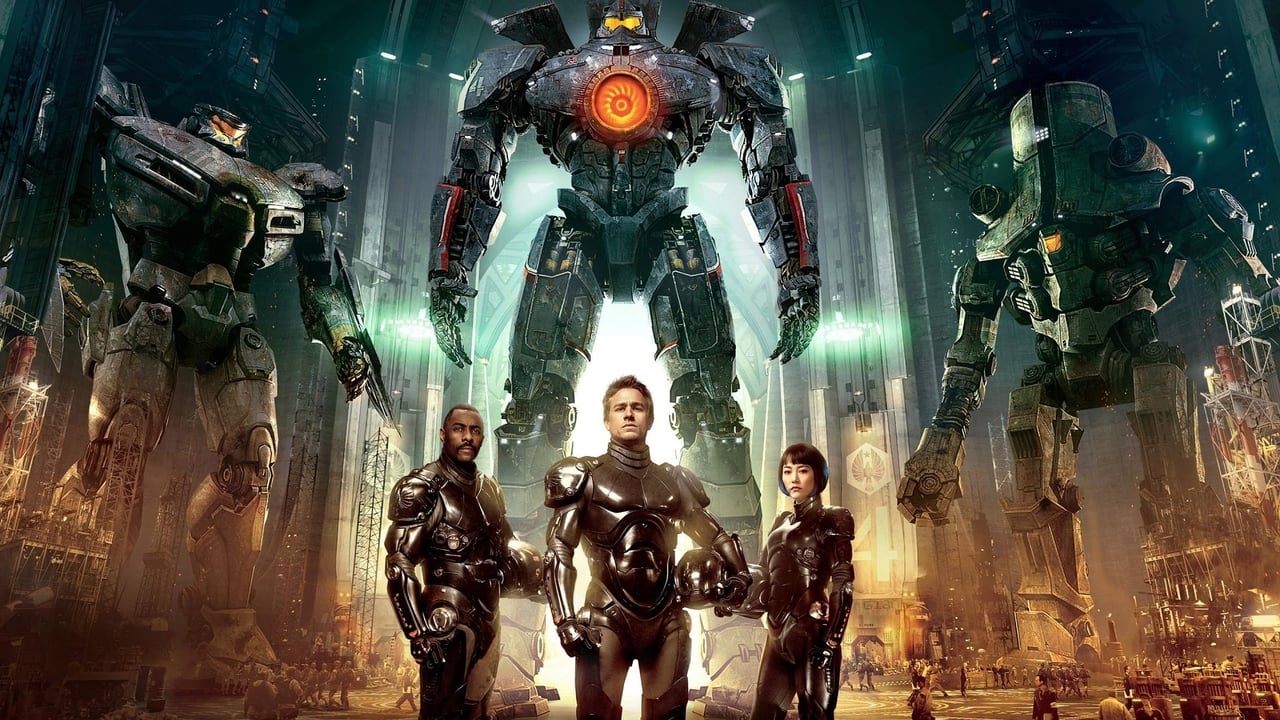
I watched this recently while sitting on a sofa that had one broken spring digging into my left thigh, and even that physical annoyance couldn't distract me from the sheer scale of what was happening on screen. While other blockbusters of the early 2010s were leaning into the "gritty realism" of the post-9/11 era or the increasingly formulaic quip-heavy style of the nascent MCU, Pacific Rim leaned into something else entirely: weight.
The Physics of the Phantasmagorical
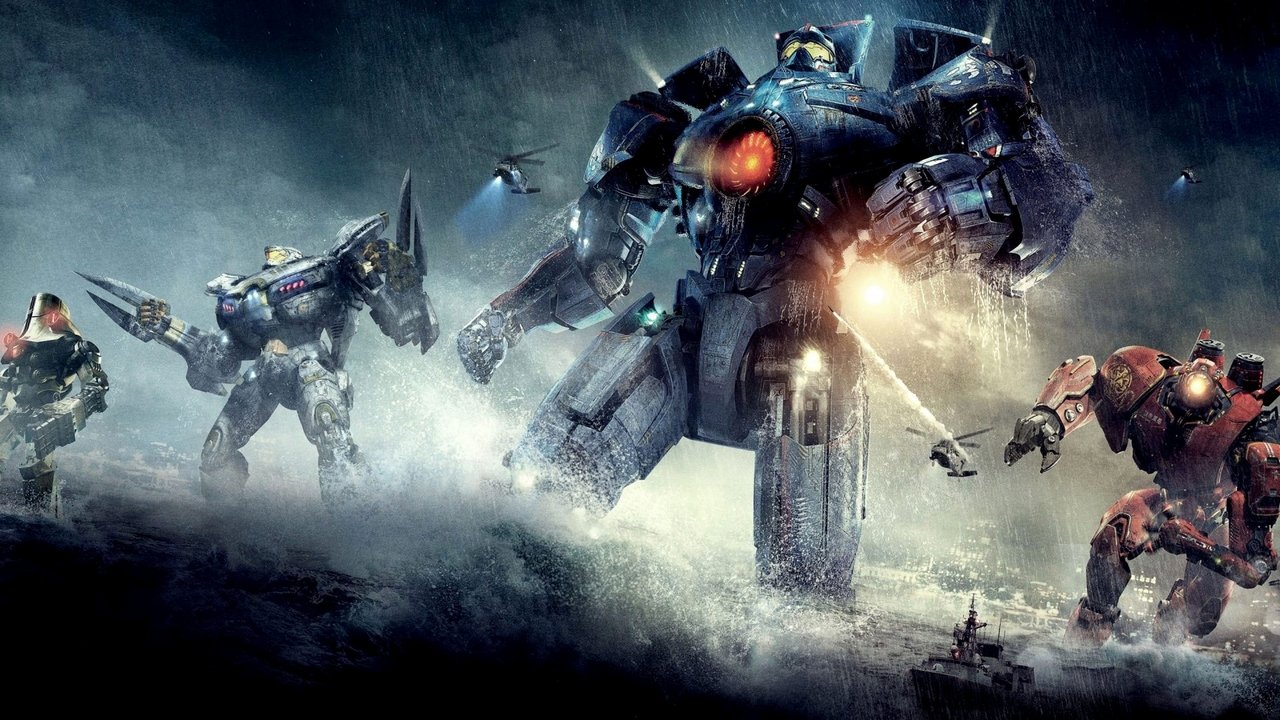
Most CGI-heavy films from this era, like the later Transformers sequels, suffered from what I call "floaty-pixel syndrome." You’d see these massive machines backflipping and zipping around like they were made of balsa wood and prayers. Guillermo del Toro and his team at ILM went the opposite direction. When a Jaeger (the film's massive piloted robots) moves, you feel the hydraulics groaning. When a foot hits the pavement, the camera shakes as if the theater itself is being evicted.
This sense of physical consequence is what makes the action choreography so effective. Take the Hong Kong harbor fight—a sequence bathed in neon blues and rain-slicked blacks that Guillermo Navarro (the cinematographer who also shot Pan's Labyrinth) turns into a living painting. It isn't just a blur of metal; it’s a heavy-weight boxing match where every punch takes three seconds to wind up. By grounding the impossible in the laws of momentum, the film avoids the "CGI soup" trap that plagued so many of its contemporaries.
The Heart in the Machine
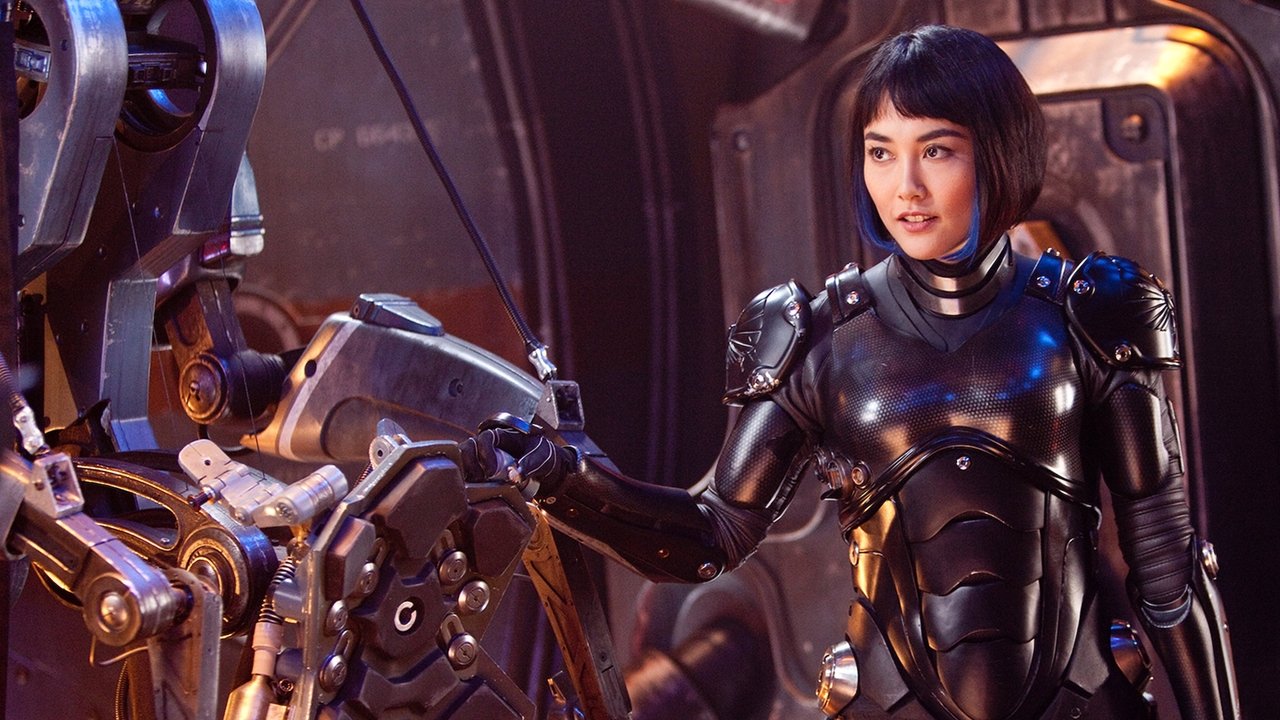
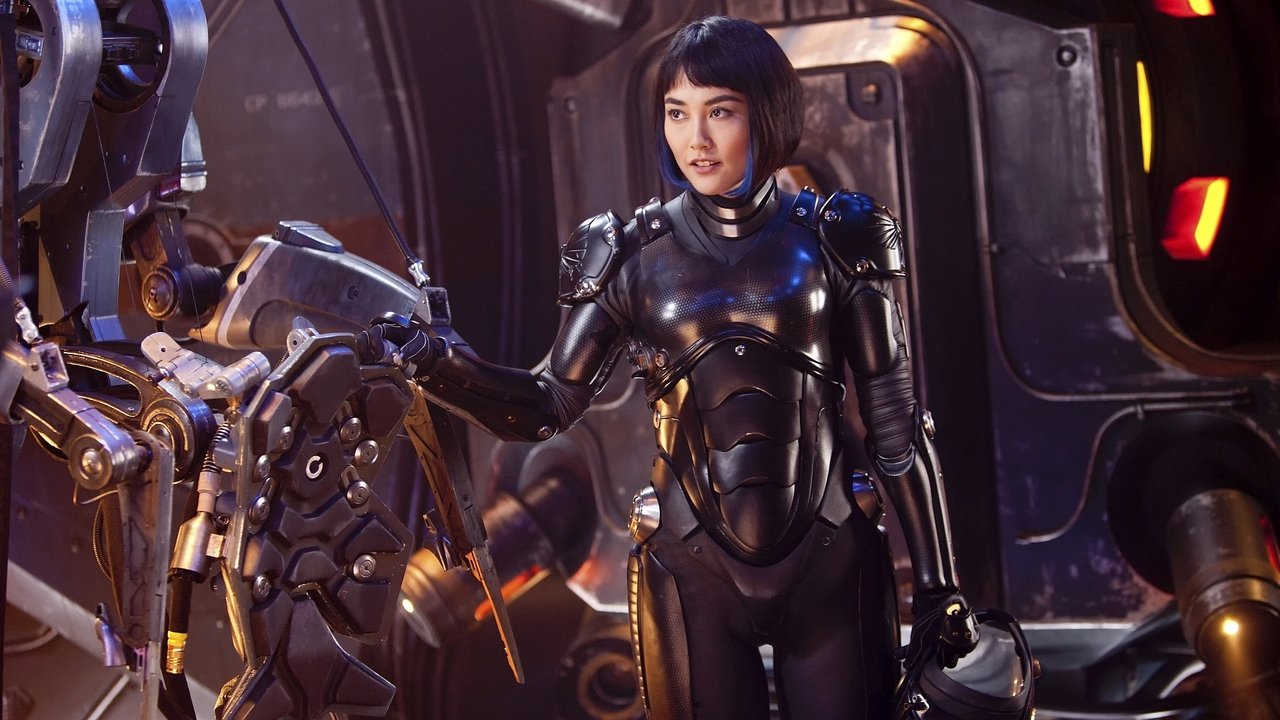
Let’s be honest: Charlie Hunnam is effectively a piece of very handsome driftwood for most of the runtime. He’s the classic "troubled pilot with a tragic past" (standard 1990s action trope #4), but the movie doesn't actually need him to be the next Olivier. The real soul of the film belongs to the partnership between his character, Raleigh, and Rinko Kikuchi’s Mako Mori.
Their connection is built through "The Drift"—a neural bridge where two pilots share memories to control the robot. It’s a brilliant narrative device that allows for character development during the action. Mako’s flashback to her childhood in Tokyo, chased by a crab-like Kaiju through a gray, ash-covered street, remains one of the most haunting images in 21st-century sci-fi. It’s pure del Toro: fairy-tale terror meets high-tech warfare.
And then, of course, there is Idris Elba. As Stacker Pentecost, a man whose name sounds like a heavy metal brand of industrial shelving, he provides the gravitas that holds the world together. When he bellows about "canceling the apocalypse," you don't just believe him; you want to go out and buy a Jaeger yourself. He treats the material with a dead-serious sincerity that prevents the film from ever winking at the audience too hard.
Cult Status and the "Analog" Future
While it did respectable numbers globally (thanks largely to the international box office), Pacific Rim became a true cult classic in the years following its release. It’s the "anti-franchise" franchise—even though it eventually got a sequel, the original feels like a singular, handcrafted object. Fans obsess over the "Gipsy Danger" stats and the custom designs of the robots from different countries, like the three-armed Crimson Typhoon or the tank-like Cherno Alpha.
The behind-the-scenes trivia is just as fun as the movie itself. To get the "Conn-Pod" (the cockpit) scenes right, the crew built a massive four-story high gimbal that actually shook and tilted the actors while 500 gallons of water were dumped on them. When you see Max Martini or Clifton Collins Jr. looking stressed, it’s because they were actually being tossed around in a giant mechanical toy.
Even the weird side-plots, like Charlie Day and Burn Gorman playing bickering scientists or Ron Perlman’s glorious turn as a Kaiju-organ harvester in gold-tipped shoes, feel like they belong in a sprawling graphic novel. It’s a movie that rewards you for paying attention to the edges of the frame—the world-building isn't just told through exposition; it’s baked into the grime on the walls and the rust on the bolts.
Looking back, Pacific Rim feels like a bridge. It’s a love letter to the practical effects of the Godzilla era, executed with the most sophisticated digital tools of the 2010s. It’s loud, it’s proud, and it’s unapologetically dorky about its own mythology. It doesn't want to be "dark and edgy"; it just wants to show you something you've never seen before, like a robot using a cargo ship as a baseball bat.
This is the kind of cinema that reminds me why I fell in love with movies in the first place. It isn't trying to set up a twenty-movie cinematic universe or deconstruct the hero’s journey into a million cynical pieces. It just wants to stand on the edge of the Pacific and roar at the monsters. If you can watch the final battle without feeling like a ten-year-old again, you might need to check your own internal hydraulics.
Keep Exploring...
-
Pacific Rim: Uprising
2018
-

Hellboy II: The Golden Army
2008
-
Jumper
2008
-
The Incredible Hulk
2008
-

Star Trek
2009
-
TRON: Legacy
2010
-

Captain America: The First Avenger
2011
-

X-Men: First Class
2011
-
John Carter
2012
-

Ender's Game
2013
-
Man of Steel
2013
-
Oblivion
2013
-
Star Trek Into Darkness
2013
-
X-Men: Days of Future Past
2014
-
Hellboy
2004
-
Journey to the Center of the Earth
2008
-
9
2009
-

The Host
2013
-
Waterworld
1995
-

Starship Troopers
1997