Philomena
"A mother’s lost son and a skeptic’s found heart."
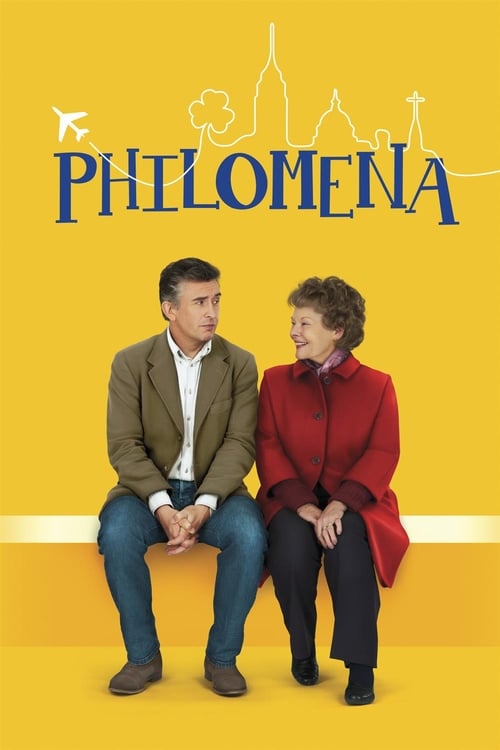
I watched Philomena on a drizzly Tuesday afternoon while nursing a slightly burnt piece of sourdough toast, and honestly, the char on the bread matched the film’s bitterness perfectly. On paper, this movie looks like the ultimate "Grandma Bait"—the kind of polite, BBC-adjacent drama that exists purely to be watched on a loop in nursing home common rooms. But beneath that cozy, cardiganned exterior lies a film with a surprising amount of bile, wit, and genuine fury.
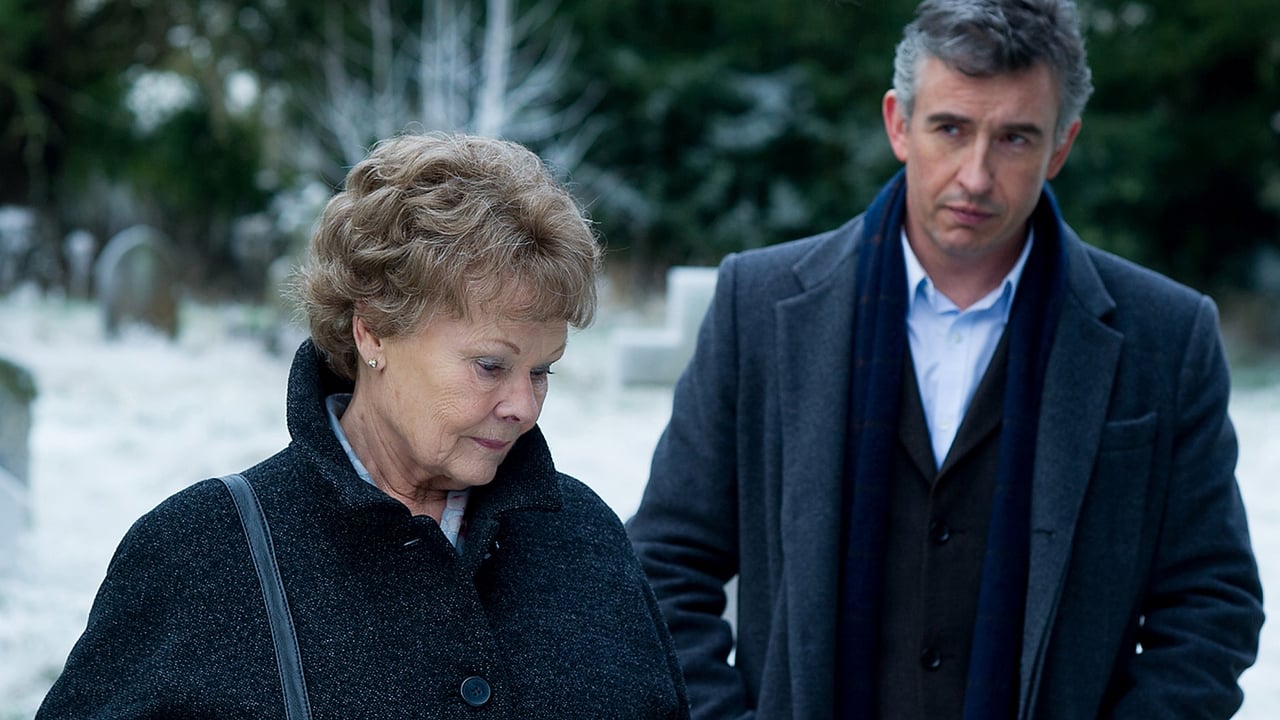
It’s easy to forget, over a decade later, just how much of a "moment" this film was. In 2013, the mid-budget adult drama was already starting to gasp for air, squeezed out by the burgeoning MCU machine. Yet, Philomena didn't just survive; it thrived. It’s a testament to the fact that sometimes, all you really need is a sharp script and two actors who look like they belong on different planets.
The Partridge and the Dame
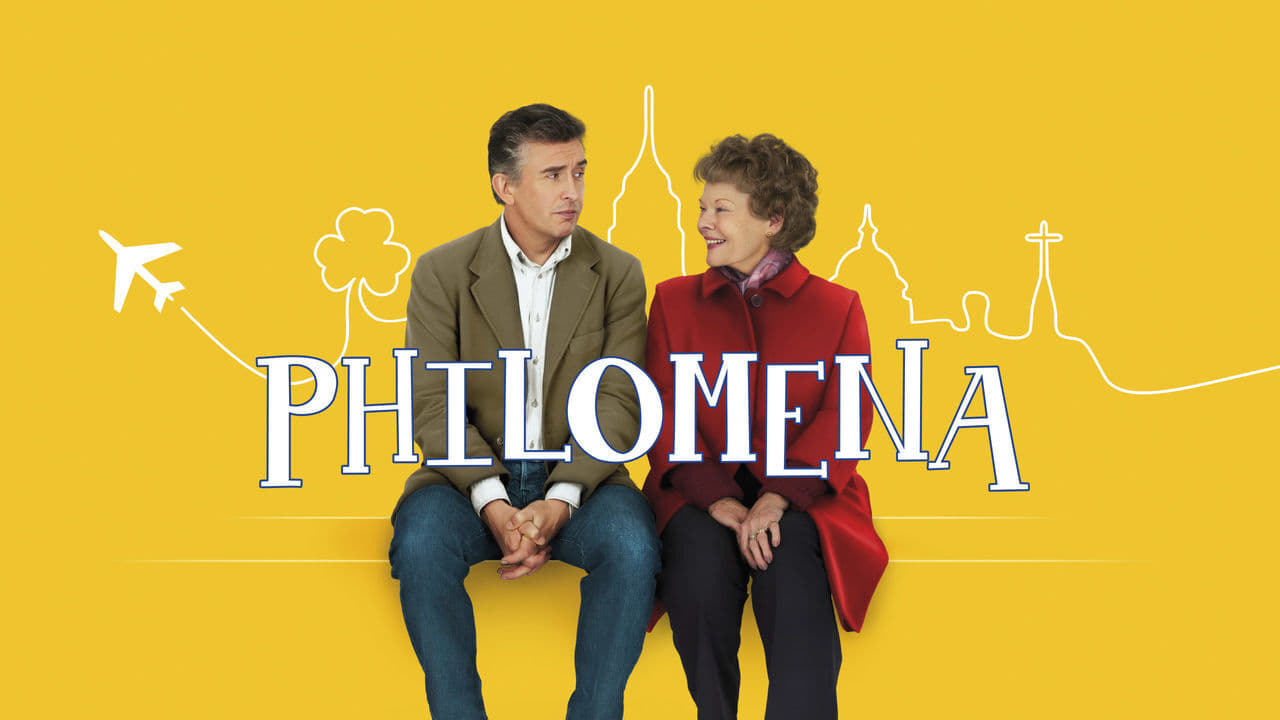
The soul of the movie is the collision between Judi Dench as Philomena Lee and Steve Coogan as Martin Sixsmith. If you only know Coogan as the bumbling, cringe-inducing Alan Partridge, his performance here is a revelation. He plays Sixsmith—a real-life journalist who’s just been unceremoniously sacked from a government job—with a prickly, intellectual arrogance that I found deeply relatable and occasionally punchable. He’s a man who reads Russian history for fun and looks down on human interest stories as "soft."
Then you have Judi Dench. She trades in her "M" authority for a permed wig and a penchant for describing the plots of romance novels in excruciating detail. It’s a performance of incredible restraint. Dench captures the specific cadence of a woman from a generation taught to keep their head down and their secrets locked away. When she finally lets the mask slip, it’s not a theatrical explosion; it’s a quiet, devastating crack.
Their chemistry works because the film doesn't try to make them best friends. They are two people stuck in a silver Vauxhall, annoyed by each other’s habits, yet bound by a quest that becomes increasingly grim. Philomena Lee is a tougher character than James Bond’s boss, mostly because she’s endured decades of shame and still chooses to look for the light.
A $100 Million Small Story
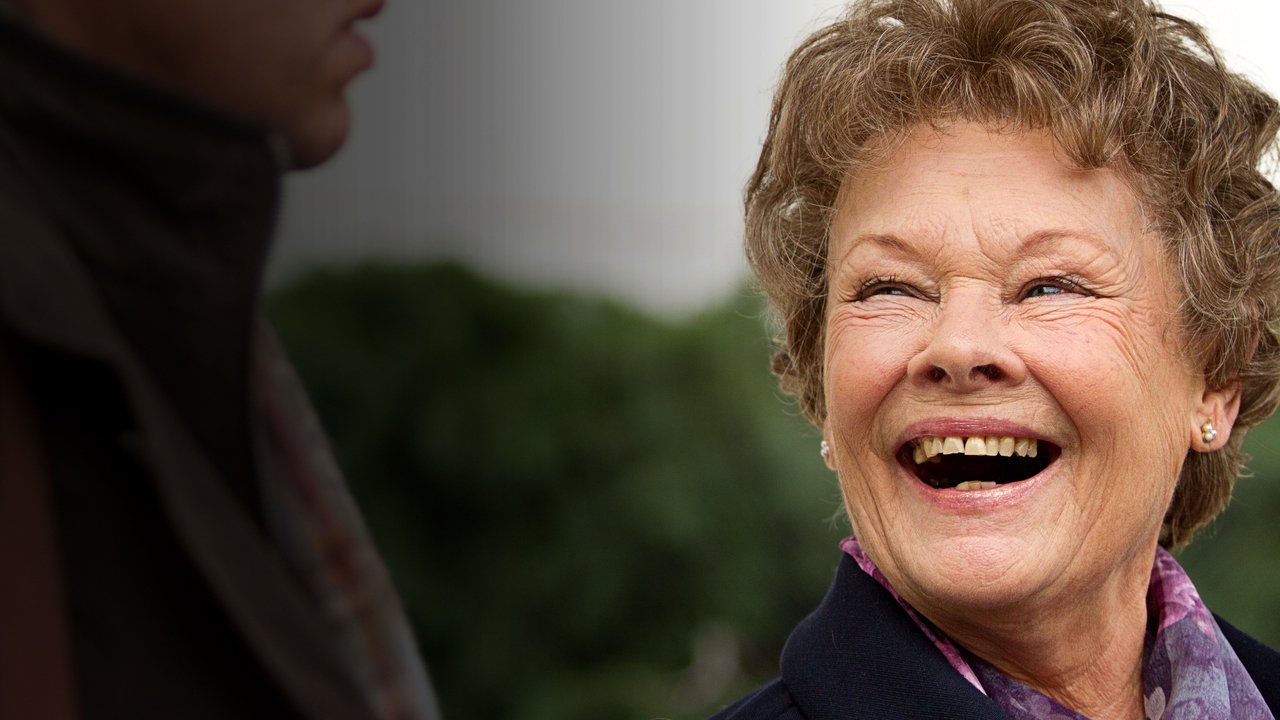
Let’s talk numbers, because the financial trajectory of Philomena is fascinating. It cost about $12 million to make—pennies in Hollywood terms—and hauled in over $100 million worldwide. That doesn't happen by accident. In the early 2010s, we were seeing the last gasp of the "DVD-literate" audience—people who still valued a well-paced 98-minute story that they could discuss over dinner.
The film struck a nerve because it’s a "true crime" story that swaps out a serial killer for a systemic one: the Catholic Church. The plot follows the duo as they track Philomena’s son, who was sold by the Irish nuns at Sean Ross Abbey to a wealthy American family in the 1950s. Director Stephen Frears avoids the trap of making this a "misery porn" flick. Instead, he treats it like a detective procedural where the clues are buried under layers of bureaucratic lies and religious gaslighting.
Looking back, the film’s success felt like a protest vote. Audiences were tired of spectacle and hungry for something that felt human. It’s the kind of movie that flourished in the era of the "Prestige DVD"—the one you’d see prominently displayed at a Barnes & Noble, promising a "transformative" experience that didn't require a green screen.
The Moral Weight of the Road Trip
The screenplay, co-written by Coogan and Jeff Pope, is surprisingly muscular. It tackles the tension between Philomena’s enduring faith and Martin’s militant atheism without being preachy. There’s a scene where Martin is absolutely fuming at the cruelty of the nuns, and Philomena simply says, "I forgive you." It’s a moment that actually made me yell at my TV because her forgiveness feels so unearned and frustrating—which is exactly the point the movie is making.
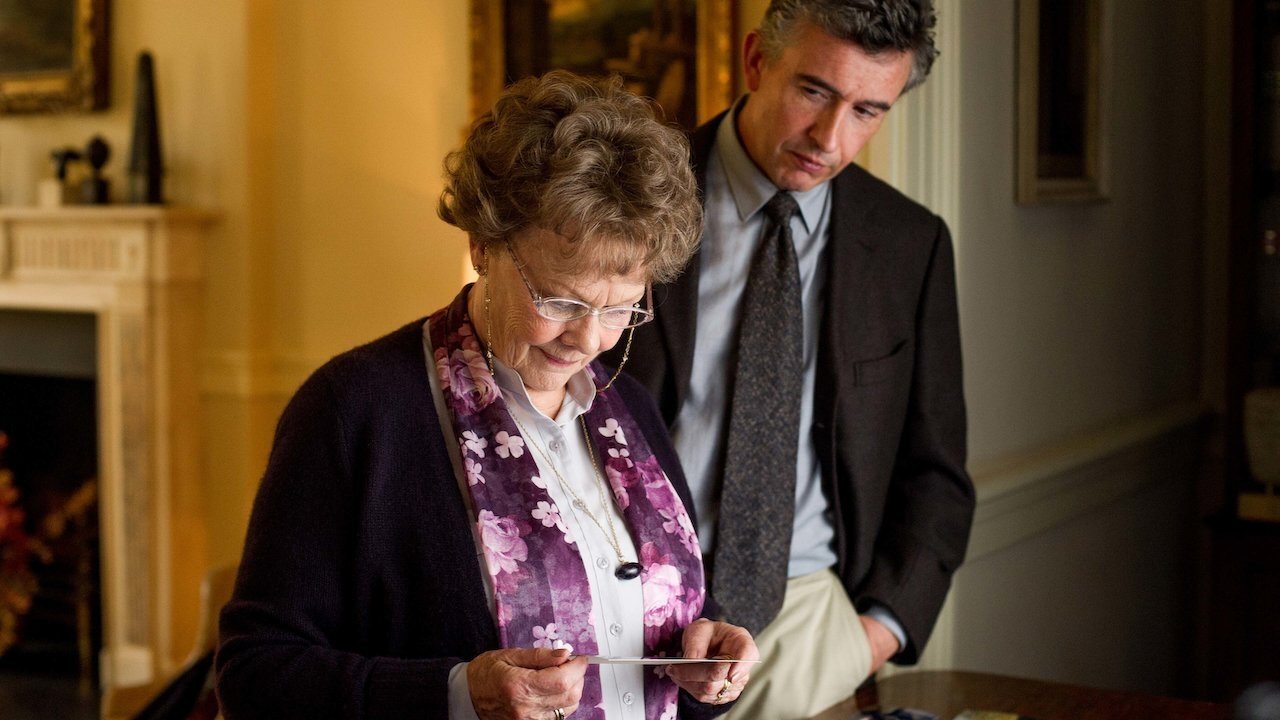
Mare Winningham turns in a brief but haunting performance later in the film that anchors the American leg of the journey, reminding us that the "happy endings" of adopted children often come with their own set of tragedies. The film doesn't offer easy catharsis. It’s messy. It’s about the things we lose that can never be replaced, even if we find the truth.
Cool Details You Might Have Missed
The Coogan Connection: Steve Coogan didn't just act in this; he was the driving force. He read the original article about Philomena Lee in a newspaper, tracked down the rights himself, and spent years developing the script. It was a massive gamble for a guy mostly known for "A-ha!" catchphrases. The Real Philomena: The real Philomena Lee actually accompanied the cast to the Venice Film Festival and the Oscars. She’s become a major advocate for adoption rights and transparency in the years since. The Scoring Touch: The score is by Alexandre Desplat, who was basically the king of the 2010s (think The Grand Budapest Hotel). He uses a recurring waltz theme that sounds like a music box, perfectly capturing the sense of a childhood stolen and frozen in time. The Budget Magic: Despite the international locations (Ireland, DC, Maryland), the production was incredibly lean. They used clever framing and tight schedules to make a $12 million budget look like a high-end studio production.
Philomena is a masterclass in how to tell a small story with massive stakes. It manages to be a scathing indictment of institutional cruelty while remaining a deeply personal character study. It’s the rare "Modern Cinema" era film that doesn't feel dated by its technology or its tropes. Whether you’re a fan of Judi Dench’s legendary range or you just want to see a cynical journalist get his worldview shaken, this is 98 minutes of your life that will leave you feeling a little more empathetic and a lot more outraged. It’s proof that the best special effect in cinema is still a close-up of a human face realizing a painful truth.

Keep Exploring...
-
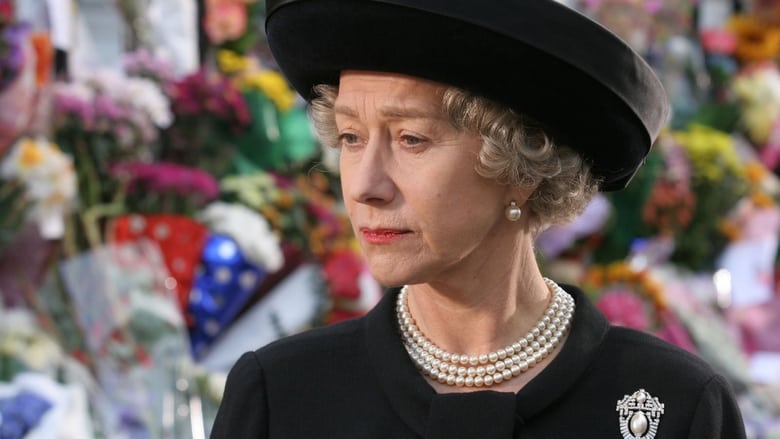
The Queen
2006
-
High Fidelity
2000
-
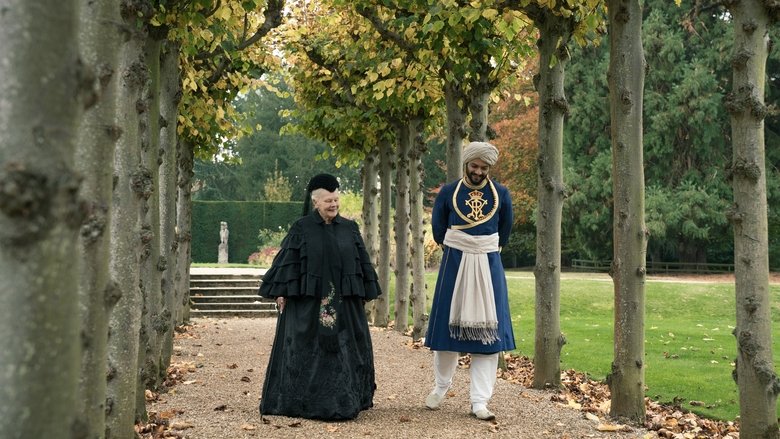
Victoria & Abdul
2017
-
Slumdog Millionaire
2008
-
The King's Speech
2010
-
The Iron Lady
2011
-

Notes on a Scandal
2006
-
21
2008
-
Burn After Reading
2008
-

Forgetting Sarah Marshall
2008
-

High School Musical 3: Senior Year
2008
-
Step Up 2: The Streets
2008
-
The Reader
2008
-
Vantage Point
2008
-
Welcome to the Sticks
2008
-

Hannah Montana: The Movie
2009
-
He's Just Not That Into You
2009
-

The Blind Side
2009
-
The Girl with the Dragon Tattoo
2009
-
The Proposal
2009