Planes
"Higher stakes, thinner air, and plenty of propellers."

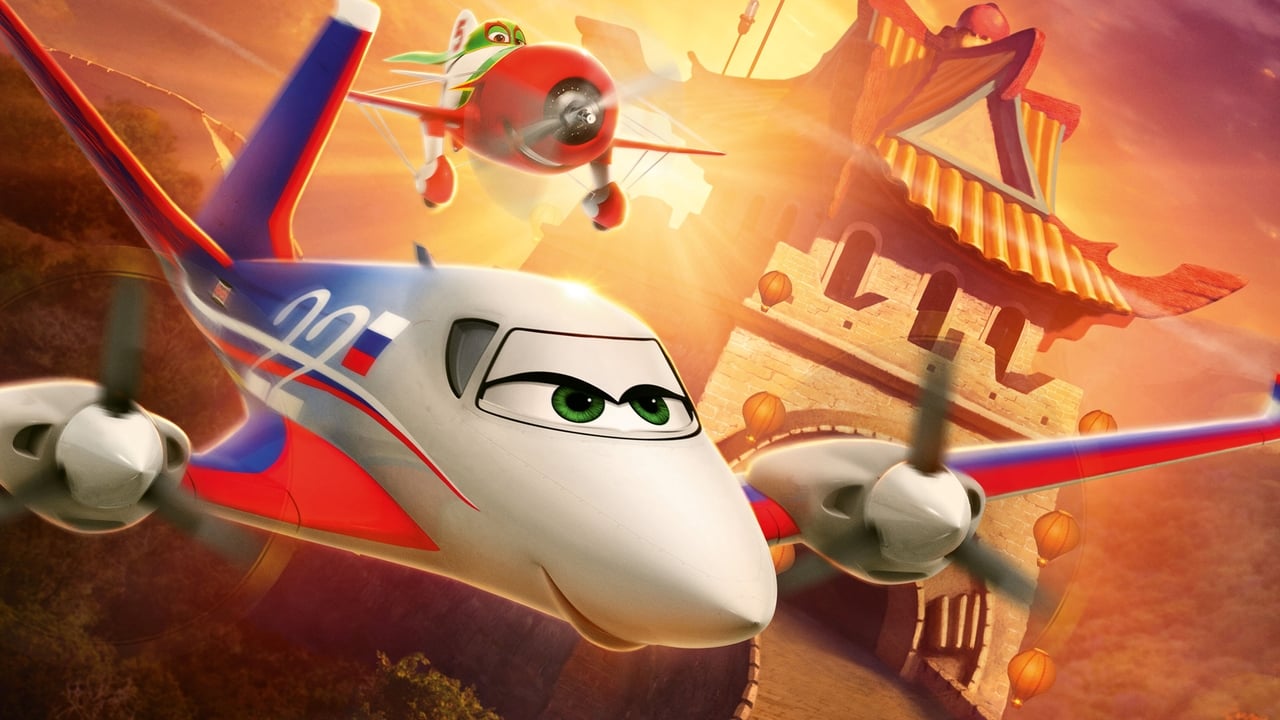
The year 2013 occupied a strange, transitional space in the animation landscape. We were well past the experimental jitters of early CGI, yet we hadn’t quite reached the hyper-realistic, hair-strand-counting fidelity of the late 2010s. It was a time when studios realized that if you had a successful "world," you didn’t just make a sequel—you built a neighborhood. Enter Planes, a film that famously exists "above the world of Cars," effectively proving that the anthropomorphic vehicle virus was officially airborne.
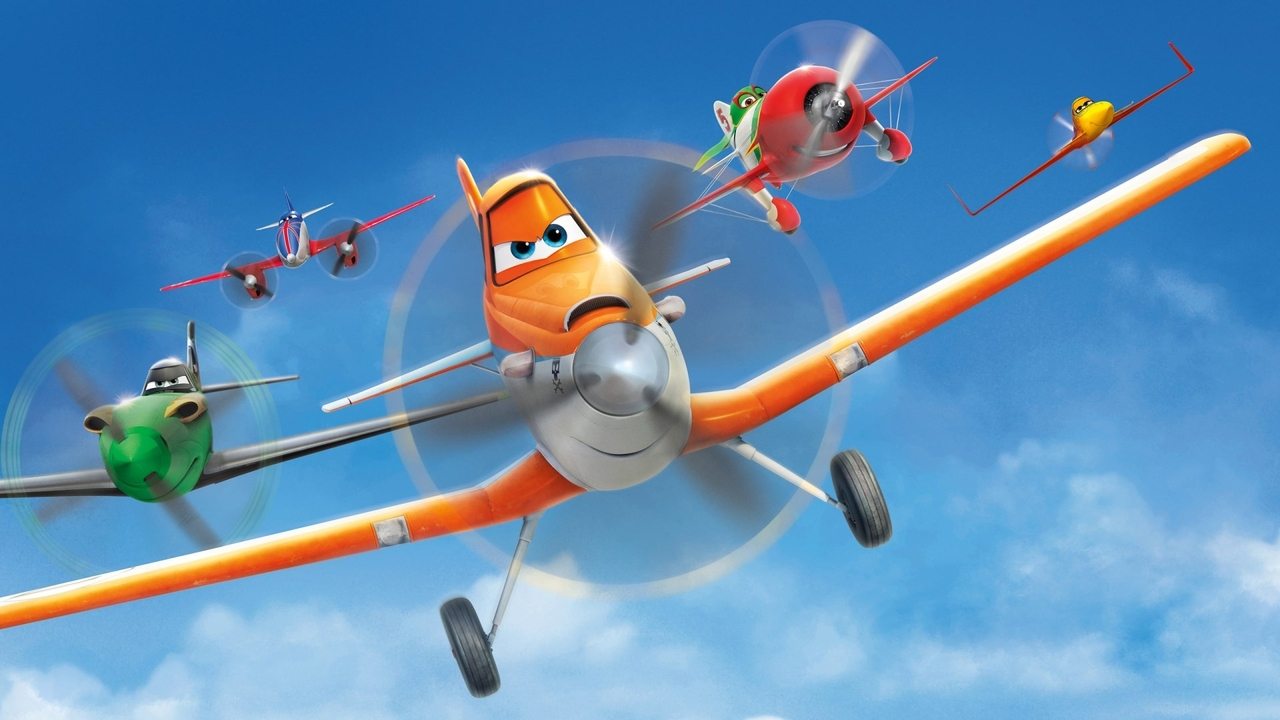
I sat down to revisit this one while nursing a lukewarm cup of peppermint tea that had a single, lonely petrified marshmallow floating in it—a fittingly sugary, if slightly hollow, accompaniment to the film itself. Looking back, Planes is a fascinating artifact of the DisneyToon Studios era, a production house usually reserved for direct-to-DVD sequels like Cinderella III that somehow found itself thrust into the bright lights of a global theatrical release.
The Upgraded Underdog
The story follows Dusty Crophopper, voiced by Dane Cook, a small-town plane with a big-time fear of heights. If that sounds familiar, it’s because the "underdog with a physical/psychological irony" is the bread and butter of mid-2000s family adventures. Dusty wants to compete in the "Wings Around the Globe" race, and he’s supported by a crusty mentor, Skipper (Stacy Keach), and a comedic sidekick, Chug (Brad Garrett, who channeled his inner Everybody Loves Raymond charm for the role).
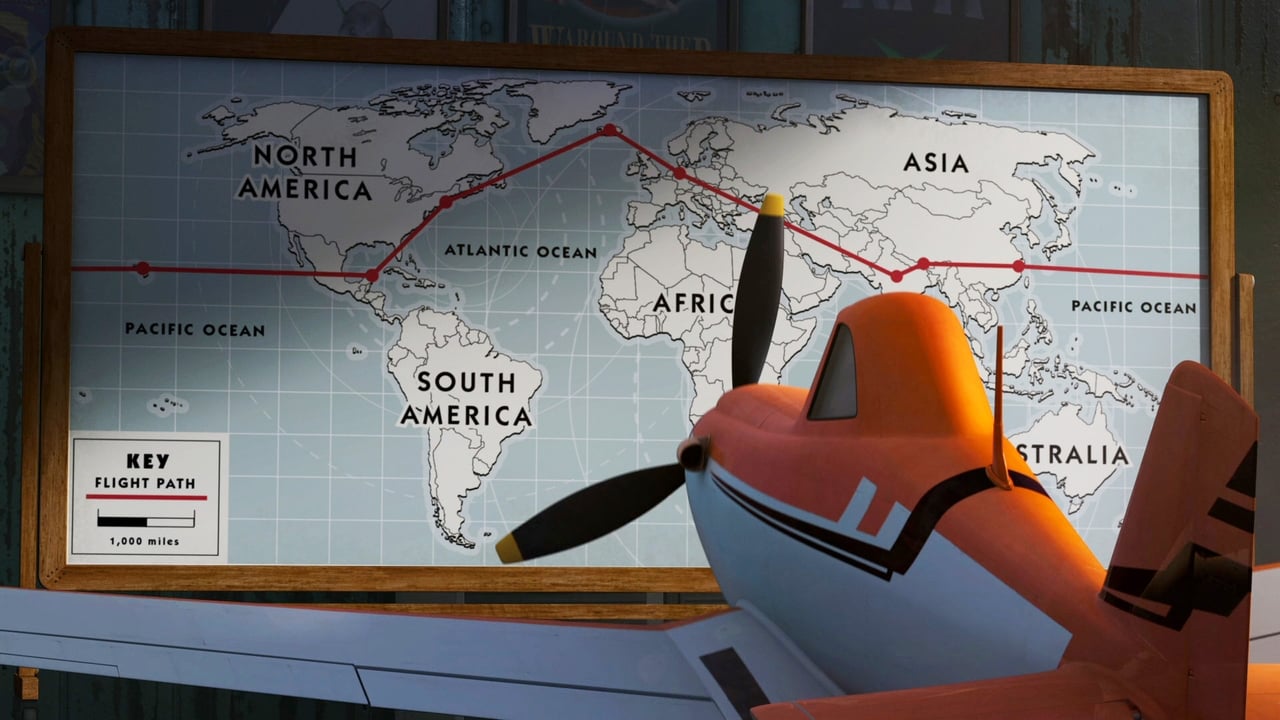
What’s striking now is how much the film feels like a relic of the "franchise-first" mentality that began to dominate the 2010s. It was originally intended as a direct-to-video release, and you can see those seams if you look closely. The animation is clean and competent, but it lacks the tactile, "I can smell the motor oil" richness of Pixar’s Cars. However, the adventure itself is surprisingly brisk. As the race spans the globe—from the icy peaks of the Himalayas to the lush greens of India—the film captures that sense of discovery that defines the genre. It’s essentially a travel brochure with eyes and a mouth, but it’s a colorful one that keeps the momentum high enough to distract you from the predictable beats.
A Top Gun Reunion in Propeller Form
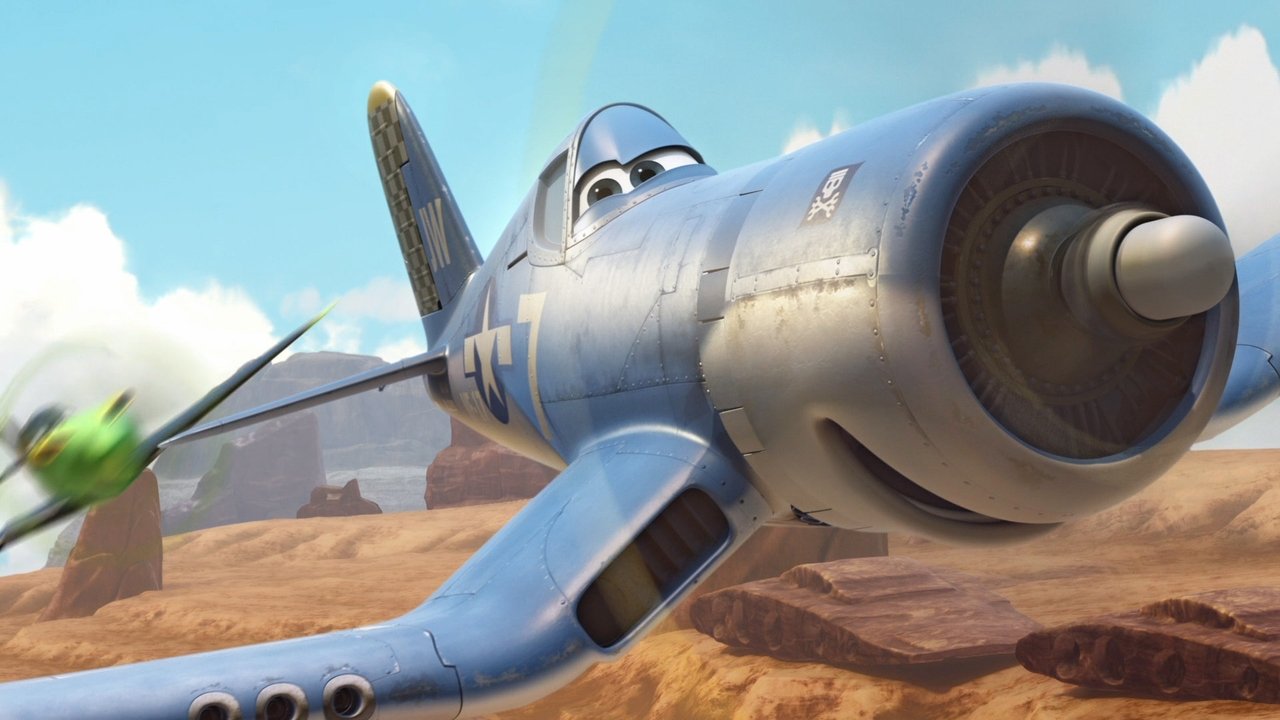
One of the best "blink-and-you'll-miss-it" delights for the parents and film nerds in the room is the casting of the fighter jets, Bravo and Echo. In a brilliant nod to 1980s aviation cinema, Disney cast Val Kilmer and Anthony Edwards. Watching Iceman and Goose reunite as animated F/A-18E Super Hornets is the kind of meta-commentary that makes these legacy-adjacent films bearable.
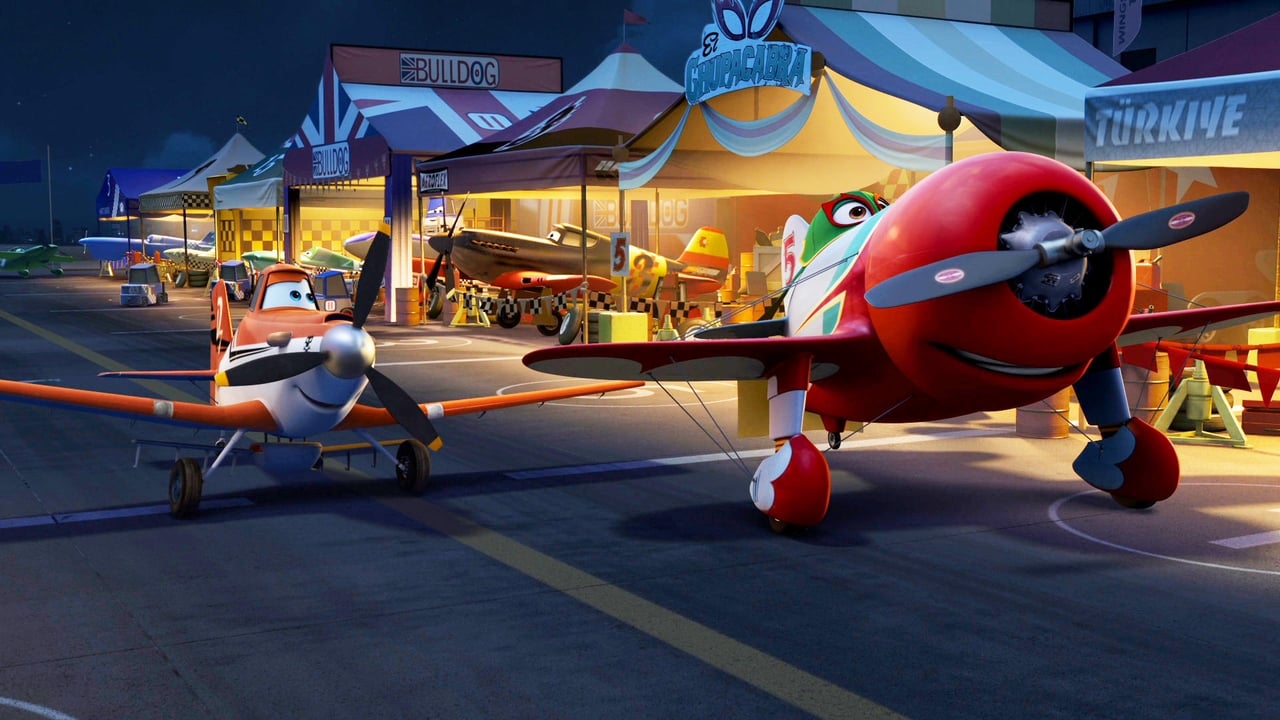
This era of cinema was obsessed with the "celebrity voice cast," often prioritizing big names over seasoned voice actors. While Dane Cook does a serviceable job as the earnest Dusty, the supporting cast often steals the show. Julia Louis-Dreyfus (coming off her early Veep success) brings a sharp wit to Rochelle, and Carlos Alazraqui turns El Chupacabra into a scene-stealing, romantic-comedy engine. The film leans heavily into cultural caricatures that feel very much of their time—harmless, perhaps, but certainly less nuanced than what we see in modern hits like Coco or Moana.
The $219 Million Toy Box
From a production standpoint, the success of Planes is a testament to the sheer power of the Disney brand during this period. On a relatively modest budget of $50 million (pockets of change compared to a flagship Pixar or Walt Disney Animation Studios feature), it raked in nearly $220 million worldwide. It wasn't just a movie; it was a tactical strike on the toy aisles of every Target and Walmart on the planet.
The "CGI Revolution" by 2013 had reached a point of democratization. Small studios could now produce visuals that were "good enough" for the big screen, and Planes was the pioneer of this "theatrical-lite" strategy. It proved that audiences—especially those with toddlers who could identify a piston-engine from fifty paces—weren't necessarily looking for a cinematic masterpiece; they were looking for a world they already recognized. The film’s legacy isn't really found in its script, but in how it paved the way for more "expanded universe" thinking in animation.
Ultimately, Planes is the cinematic equivalent of a smooth flight with a very predictable in-flight movie. It doesn’t reinvent the wheel—or the propeller—but it understands the mechanics of the underdog journey. It’s a film that knows exactly what it is: a colorful, high-flying adventure designed to keep the kids entertained and the merchandise moving. If you’re looking for a dose of early 2010s earnestness and some fun aerial set pieces, it’s a pleasant enough way to spend 91 minutes. Just don't expect it to change your life—or your fear of heights.
Keep Exploring...
-
Planes: Fire & Rescue
2014
-
Horton Hears a Who!
2008
-
Madagascar: Escape 2 Africa
2008
-

Ice Age: Dawn of the Dinosaurs
2009
-

Puss in Boots
2011
-
Rio
2011
-
The Smurfs
2011
-
Ice Age: Continental Drift
2012
-
Rio 2
2014
-
Shrek the Third
2007
-

Madagascar
2005
-

Ice Age: The Meltdown
2006
-
Shrek Forever After
2010
-
Planet 51
2009
-
Cars 2
2011
-
Madagascar 3: Europe's Most Wanted
2012
-
The Croods
2013
-
Mr. Peabody & Sherman
2014
-
Penguins of Madagascar
2014
-
Open Season 2
2008