Prisoners
"Fear turns the moral compass into a blunt instrument."
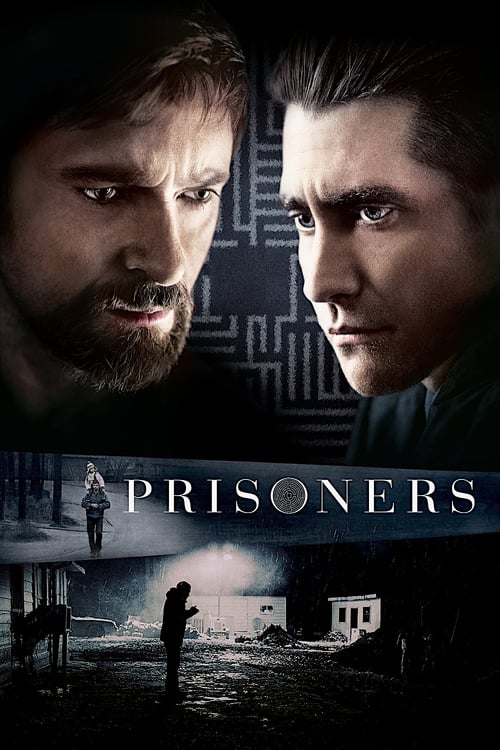
The first time I sat down with Prisoners, I was nursing a lukewarm cup of peppermint tea that I’d completely forgotten about by the thirty-minute mark. By the time the credits rolled, the tea was stone cold, and I felt like I’d been held underwater for two and a half hours. There is a specific kind of "prestige dread" that became a hallmark of the early 2010s, and Denis Villeneuve—before he was the king of sci-fi epics like Dune or Arrival (2016)—cemented himself as the absolute master of it right here.
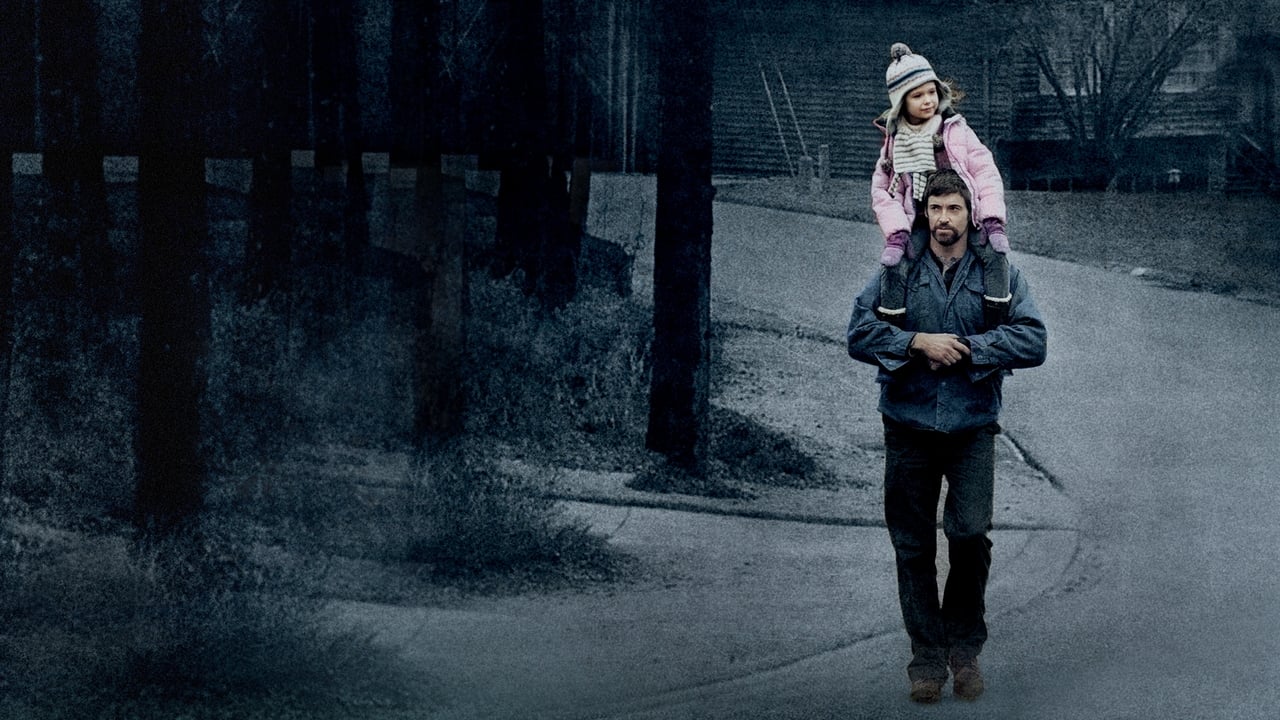
Prisoners isn’t just a "missing child" thriller. It’s a slow-motion car crash of morality, a film that asks how quickly a "good man" can turn into a monster when the police are too slow and the clock is ticking. It’s grey, it’s wet, and it’s utterly relentless.
The Anatomy of Desperation
I’ve always felt that Hugh Jackman is at his best when he’s allowed to be ugly. As Keller Dover, he isn’t the polished hero we see in the X-Men franchise; he’s a survivalist, a contractor, and a father whose entire worldview is built on the idea that he can protect his family from anything. When his daughter disappears on Thanksgiving, that worldview shatters. Watching him unravel is uncomfortable because his logic is so terrifyingly human. Hugh Jackman’s Keller Dover is basically what happens when a "Doomsday Prepper" YouTube channel becomes sentient and loses its mind.
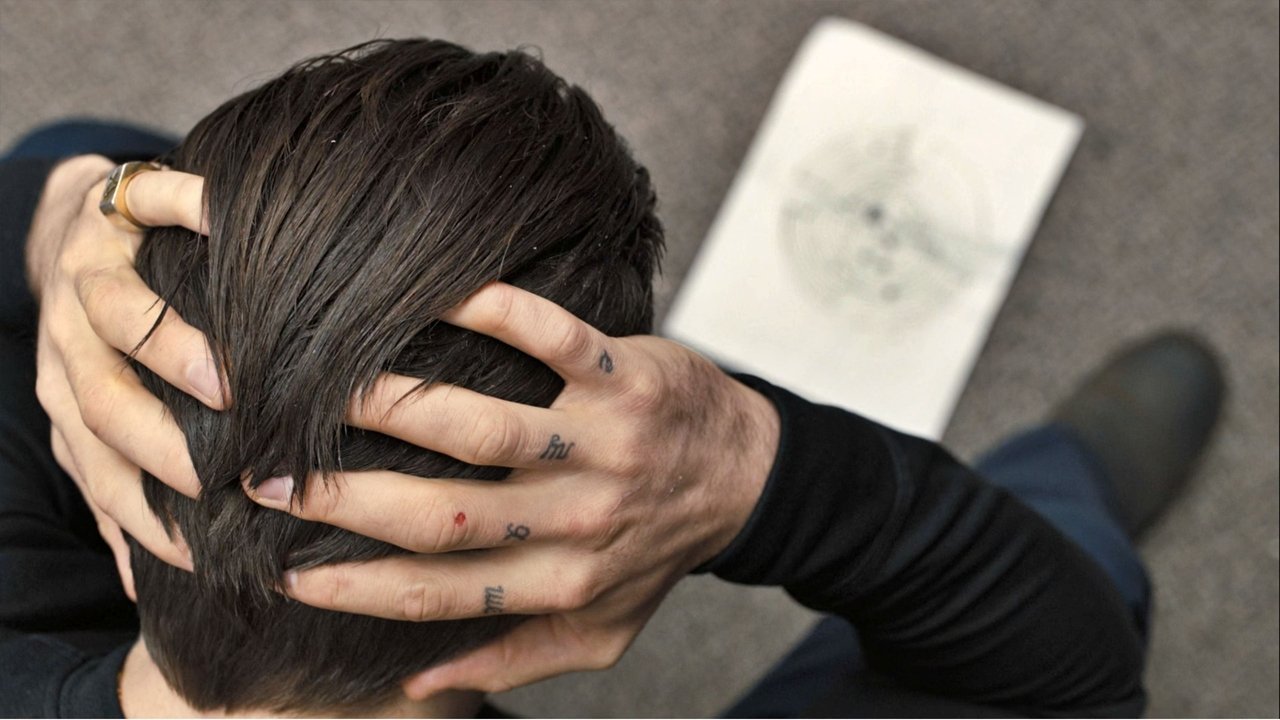
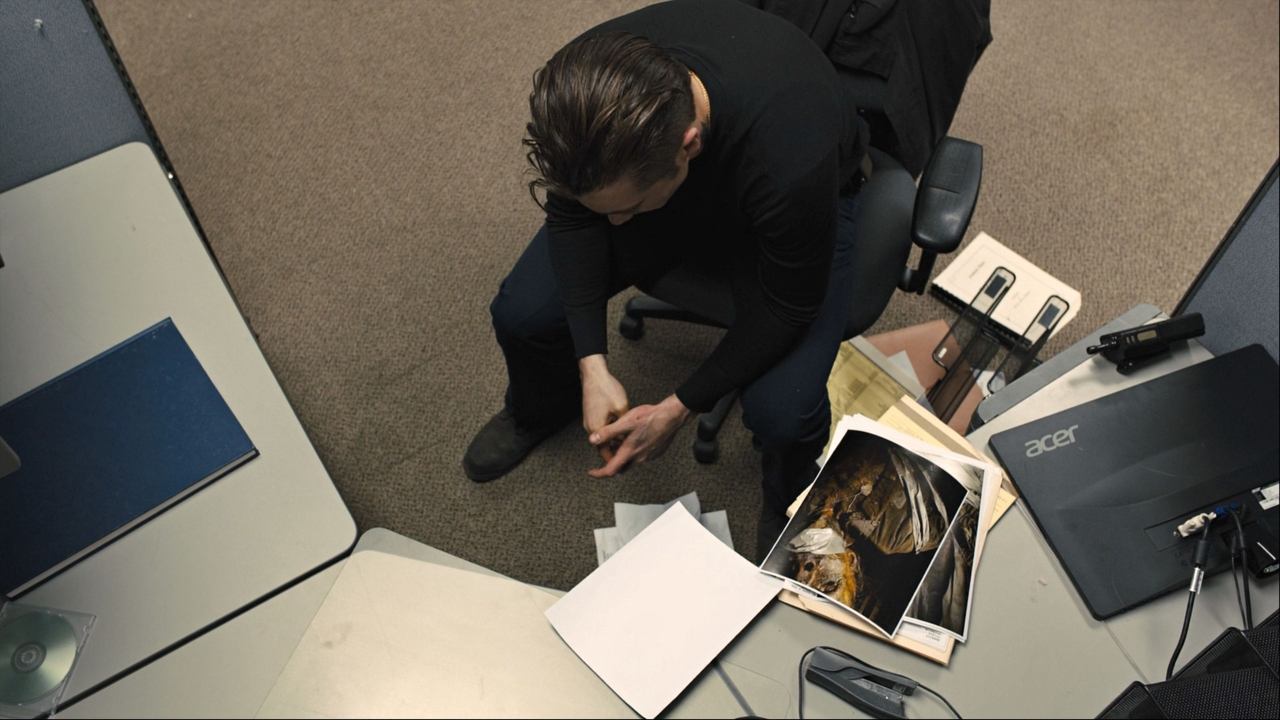
On the other side of the legal line, we have Jake Gyllenhaal as Detective Loki. This is easily one of my favorite Gyllenhaal performances because of the sheer amount of subtext he packs into a character who barely explains himself. Between the Masonic ring, the neck tattoos, and that nervous, involuntary eye blink, you get the sense that Loki has seen things that would make the average person quit the force in a week. The chemistry between him and Jackman isn't a partnership; it’s a friction-heavy collision between a man who wants vengeance and a man who wants the truth.
The supporting cast is an embarrassment of riches. Viola Davis and Terrence Howard provide a haunting counterpoint to Jackman’s rage as the parents of the other missing girl. While Keller chooses violence, they choose a sort of paralyzed, agonizing hope. Then there’s Melissa Leo, looking unrecognizable as the aunt of the primary suspect, and Maria Bello, who captures the hollowed-out shell of a mother in mourning with painful accuracy.
Darkness Rendered in High Definition
Looking back at 2013, we were in the middle of a transition where digital cinematography finally started to rival the soul of 35mm film. Prisoners is a massive argument for the power of that technology when placed in the right hands. That would be Roger Deakins, the legendary cinematographer who had already been nominated for ten Oscars without a win by the time this film came out. He earned his eleventh for this, and frankly, I’m still a bit salty he didn’t take the trophy home.
Deakins makes the suburban Pennsylvania setting look like a purgatory of rain and shadows. There’s a scene involving a drive to a hospital in the pouring rain that is so visually suffocating I found myself holding my breath. He uses the digital format not to make things look "clean," but to capture the subtle gradients of a night that never seems to end. The score by the late Jóhann Jóhannsson (who also worked with Villeneuve on Sicario) is equally vital. It’s a low, humming drone that feels like a headache coming on—in the best way possible. It never tells you how to feel; it just ensures you never feel safe.
The Legend of the Labyrinth
Part of the fun of revisiting Prisoners is digging into the "how did this get made?" aspect. This script by Aaron Guzikowski was on the "Black List" (the industry's list of best unproduced screenplays) for years. At various points, Bryan Singer was attached to direct, and stars like Christian Bale and Leonardo DiCaprio were rumored for the leads. I honestly can’t imagine it with anyone else now. Hugh Jackman was actually attached early on, left the project, and then came back years later—a rarity in Hollywood that usually signals a "troubled" production, but here it just meant the stars finally aligned.
The film also famously had to be edited down to avoid an NC-17 rating because of its intensity. It’s not that the film is "gore-porn"; it’s that the psychological weight of the violence is so heavy. Even the trivia about the "Maze" that appears throughout the film adds a layer of cult-like obsession for fans. Apparently, the production designer drew hundreds of versions of that maze before landing on the one that looks like a sinister fingerprint. It’s those kinds of details that make a movie feel lived-in rather than just "staged."
Prisoners is the kind of movie that proves the "adult thriller" didn't die out in the 90s; it just got darker and more sophisticated. It’s a grueling experience, one that forces you to sit with uncomfortable questions about what you would do in the same situation. It doesn't offer easy answers or a tidy bow at the end. Instead, it leaves you with a haunting whistle in the wind and a chill that no amount of peppermint tea can quite get rid of.

Keep Exploring...
-
The Dark Knight
2008
-
The Silence of the Lambs
1991
-
Carlito's Way
1993
-
The Usual Suspects
1995
-
Fargo
1996
-
L.A. Confidential
1997
-
Incendies
2010
-
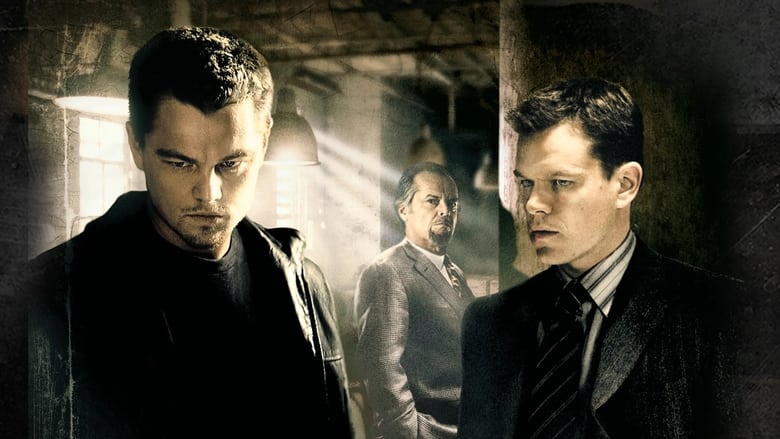
The Departed
2006
-
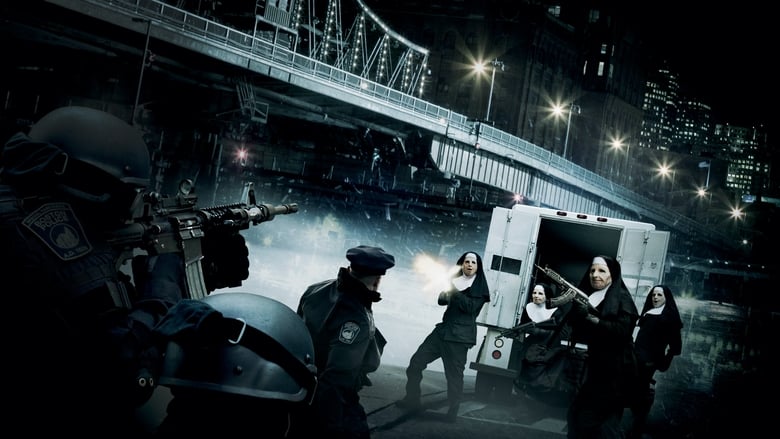
The Town
2010
-
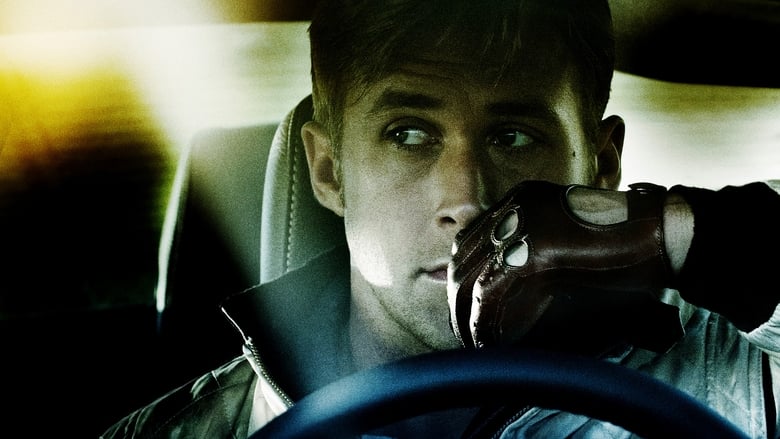
Drive
2011
-
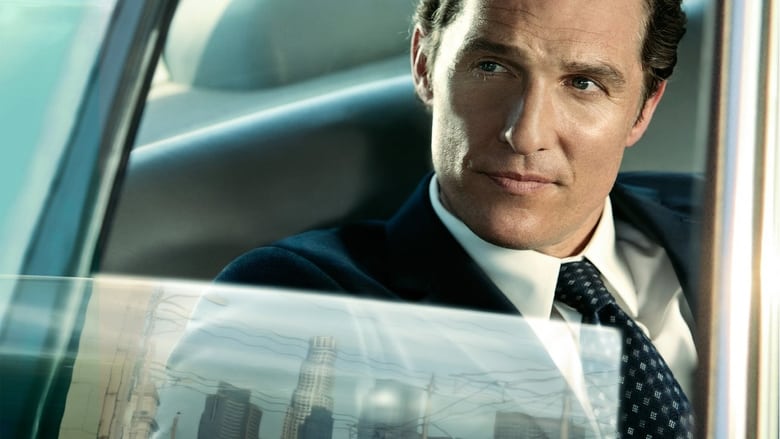
The Lincoln Lawyer
2011
-
End of Watch
2012
-
Nightcrawler
2014
-
21 Grams
2003
-
Memories of Murder
2003
-
Felon
2008
-
Mesrine: Killer Instinct
2008
-
Mesrine: Public Enemy #1
2008
-

Blood and Bone
2009
-

Law Abiding Citizen
2009