Rush
"Two men. Two philosophies. One finish line."

The 1976 Formula 1 season wasn't just a sport; it was a recurring appointment with a funeral director. In those days, the cockpit of a race car was essentially a thin aluminum coffin strapped to a massive fuel tank, and the men who drove them were less like modern athletes and more like fighter pilots with a death wish. When I first sat down to watch Ron Howard’s Rush, I was drinking a lukewarm cup of instant coffee that I completely forgot existed for two hours. By the time the credits rolled, the coffee was ice-cold, and my heart was doing about 12,000 RPMs.
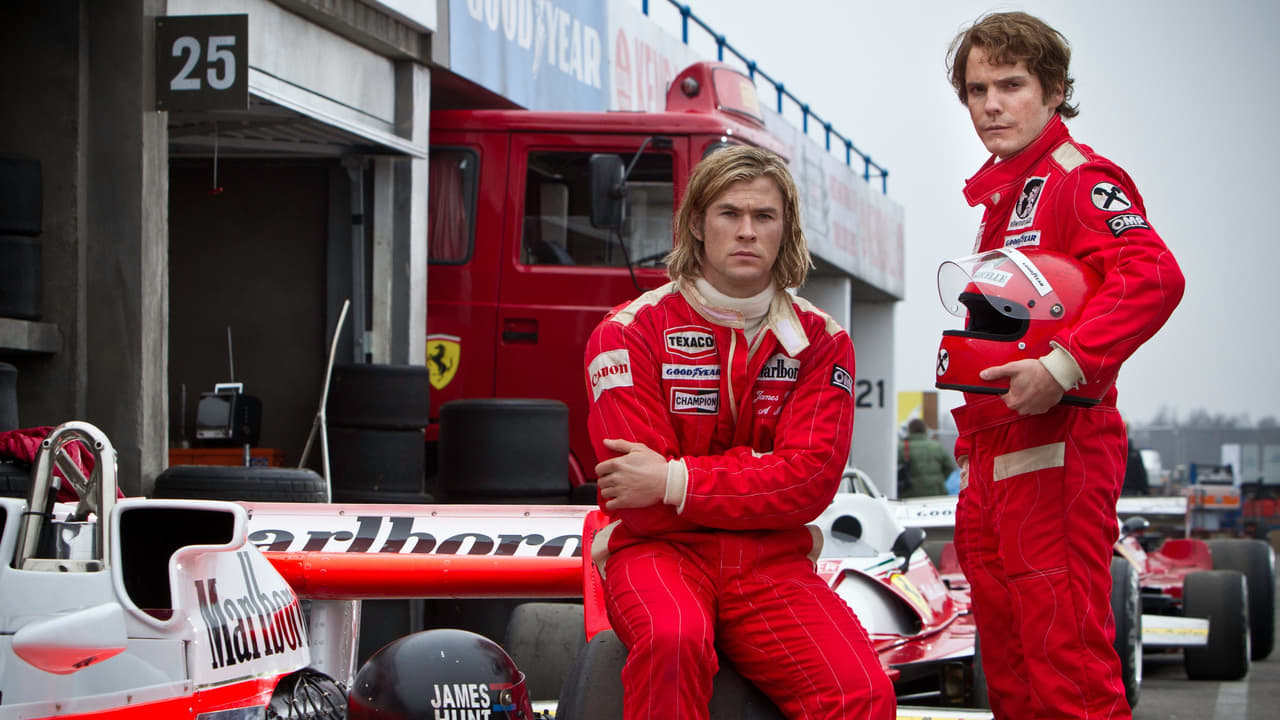
The Calculus of Courage
At its core, Rush isn't really a movie about cars. It’s a philosophical cage match between two of the most diametrically opposed personalities in sporting history. On one side, you have Chris Hemsworth as James Hunt: a golden-haired, hard-partying Brit who treats life as a buffet and racing as the ultimate aphrodisiac. On the other, Daniel Brühl gives a transformative, career-best performance as Niki Lauda: a calculating, abrasive Austrian who views racing as an engineering problem to be solved with logic and a 20% margin of error for death.
The screenplay by Peter Morgan—who also penned The Queen and Frost/Nixon—is brilliant because it refuses to pick a side. It poses a genuinely difficult question: Is it better to live one year as a lion or a hundred as a sheep? Hunt represents the romantic, reckless ideal of the "superstar," while Lauda represents the cold, hard reality of professional excellence. I found myself constantly shifting my allegiance. Just when you think Hunt is a shallow narcissist, Hemsworth shows you the crushing pressure of his need for validation. Just when you think Lauda is a robotic bore, Brühl reveals a man with a backbone made of titanium. The real miracle is that the guy who looks like a rat is the one you end up rooting for.
Bone-Rattling Authenticity

We need to talk about how this movie looks and sounds, because in 2013, we were right in the middle of that awkward transition where many action movies were starting to look like weightless video games. Ron Howard and cinematographer Anthony Dod Mantle (the guy who shot Slumdog Millionaire) went in the opposite direction. They used a mix of digital and vintage lenses to create a gritty, saturated look that feels like you’ve been transported back to a rain-slicked track in West Germany.
The racing sequences are a sensory assault. Instead of the clean, sweeping CGI shots you see in something like the Fast & Furious franchise, Rush puts you inside the engine block. You see the vibration of the bolts, the spray of the oil, and the terrifying lack of visibility through a visor smeared with grime. Apparently, the production couldn't get enough actual 1970s F1 cars for every shot, so they had to be incredibly surgical with how they blended real footage with digital extensions. You’d never know it. The sound design is the secret weapon here; the roar of those V12 engines doesn't just come through the speakers, it rattles your ribcage. It makes the modern, vacuum-cleaner-sounding F1 cars of today look like toys.
A Modern Relic of the 2010s
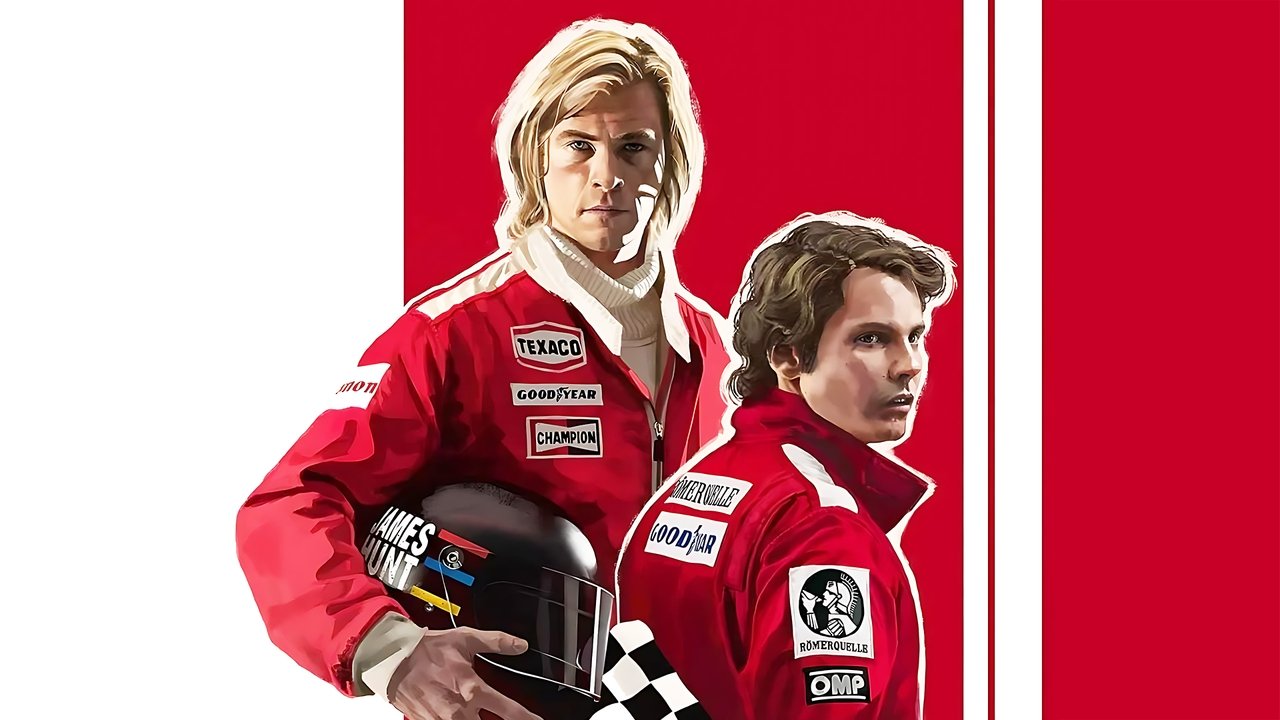
Looking back from 2024, Rush occupies a fascinating space in the 1990-2014 era of cinema. It was released just before the MCU-style "formula" completely homogenized the mid-budget adult drama. It’s a $38 million movie that looks like it cost $100 million, proving that practical effects and clever editing beat a massive CGI budget every single time. It’s also one of the few films from that decade that treats its audience like adults, exploring the psychological toll of obsession without needing to "save the world" at the end.
The film's legacy has only grown since its release, becoming a "secret handshake" movie for sports fans and cinema buffs alike. While it didn't set the box office on fire or sweep the Oscars, it has achieved a legitimate cult status because it’s so damn rewatchable. I’ve noticed that every time it pops up on a streaming service, a new generation of fans discovers Daniel Brühl's incredible prosthetic work—he spent hours in makeup to replicate Lauda's scarring after the infamous Nürburgring crash—and they realize that Chris Hemsworth is actually a fantastic actor when he isn't holding a magic hammer.
Rush is a rare breed: an action movie with a brain and a drama with a heavy right foot. It captures a specific, lethal era of history with terrifying precision while telling a timeless story about what it means to be great. Whether you care about racing or don't know a piston from a spark plug, the human drama here is undeniable. It’s a high-speed meditation on the price of ego, and it remains one of the most exhilarating experiences of the 21st century. If you haven't seen it, clear your schedule—just remember to drink your coffee before the first green light drops.

Keep Exploring...
-

In the Heart of the Sea
2015
-

Cinderella Man
2005
-
Ip Man
2008
-
Frost/Nixon
2008
-
Evangelion: 2.0 You Can (Not) Advance
2009
-

Warrior
2011
-

Moon
2009
-

Never Back Down
2008
-
Ip Man 2
2010
-
Snowpiercer
2013
-

The Wrestler
2008
-
Moonrise Kingdom
2012
-

The Book Thief
2013
-
The Great Beauty
2013
-

Hero
2002
-
Apocalypto
2006
-

Evangelion: 1.0 You Are (Not) Alone
2007
-
Real Steel
2011
-
Training Day
2001
-
Children of Men
2006