Safe Haven
"Love has a ghost of a chance."
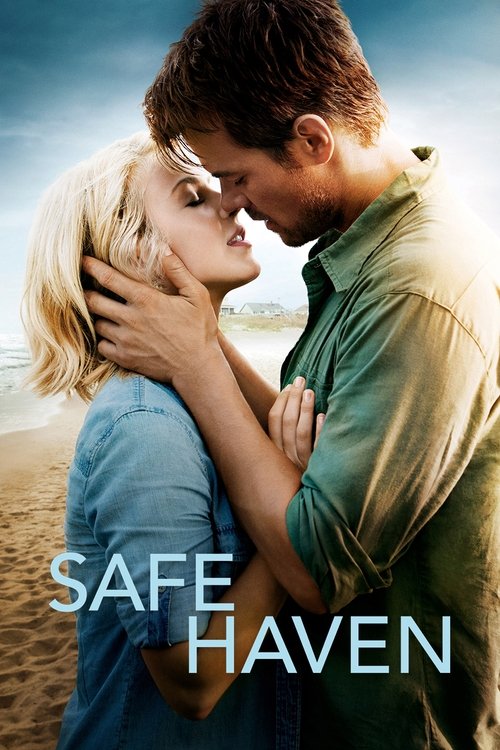
There is a specific shade of golden-hour yellow that exists only in movies based on Nicholas Sparks novels. It’s a warm, buttery glow that suggests every problem can be solved by a slow dance on a wooden pier or a very long letter written in cursive. When I sat down to rewatch Safe Haven (2013) last Tuesday—while eating a slightly stale granola bar that I’m 80% sure expired in 2022—I expected that familiar, cozy embrace. What I forgot was just how hard this movie tries to pivot from a sun-drenched romance into a gritty police procedural, before finally swan-diving into one of the most bananas "supernatural" twists in modern cinema history.

The Southport Sanctuary
Directed by Lasse Hallström, a man whose resume includes the prestige of The Cider House Rules (1999) and the canine-tears of Hachiko, Safe Haven feels like a high-end version of a familiar formula. We meet Katie (Julianne Hough), a woman with a DIY brunette dye job and a frantic energy, as she narrowly escapes a rainy, gray Boston for the coastal charm of Southport, North Carolina.
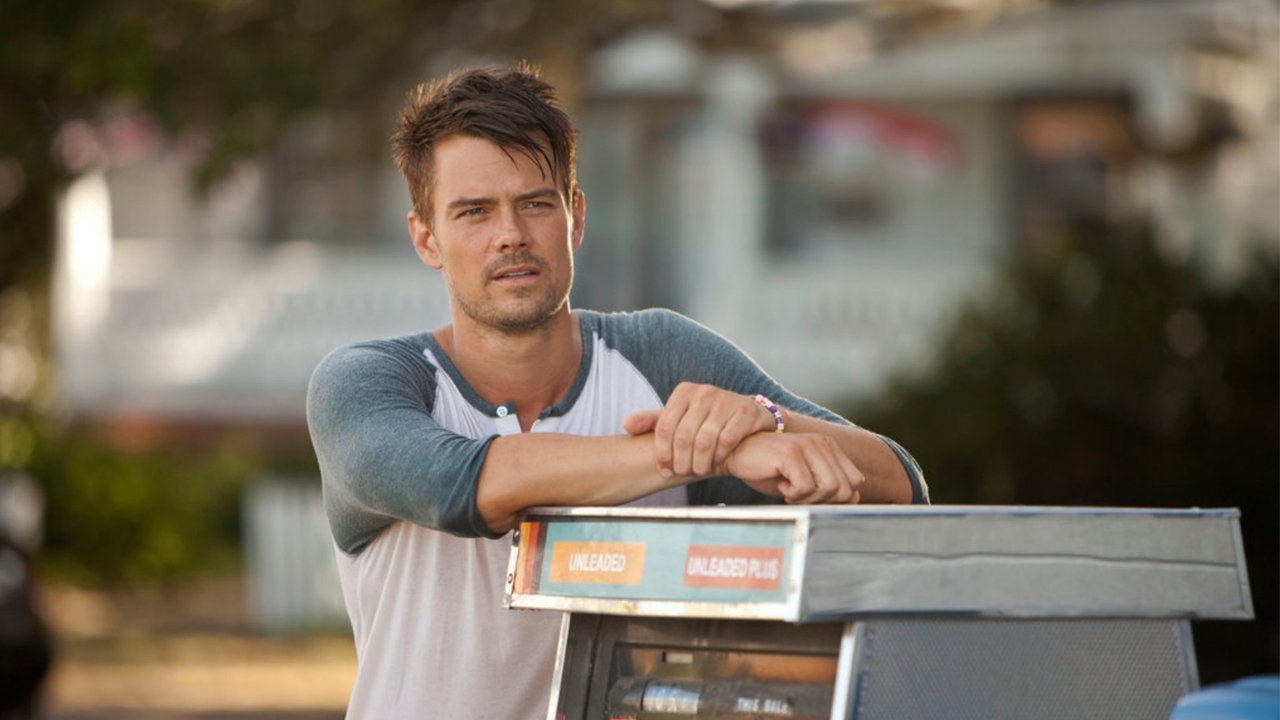
Southport is the kind of cinematic town where everyone is friendly, the local general store is run by a handsome widower named Alex (Josh Duhamel), and the lighting is permanently set to "Enchanted." Julianne Hough, primarily known as a dancer at the time, brings a surprisingly grounded vulnerability to Katie. She’s not just playing a girl in hiding; she’s playing a survivor of trauma. The film spends a good amount of time letting us watch her find her footing, painting a floor with Alex’s adorable kids (Mimi Kirkland and Noah Lomax) and forming a tentative friendship with a neighbor named Jo (Cobie Smulders).
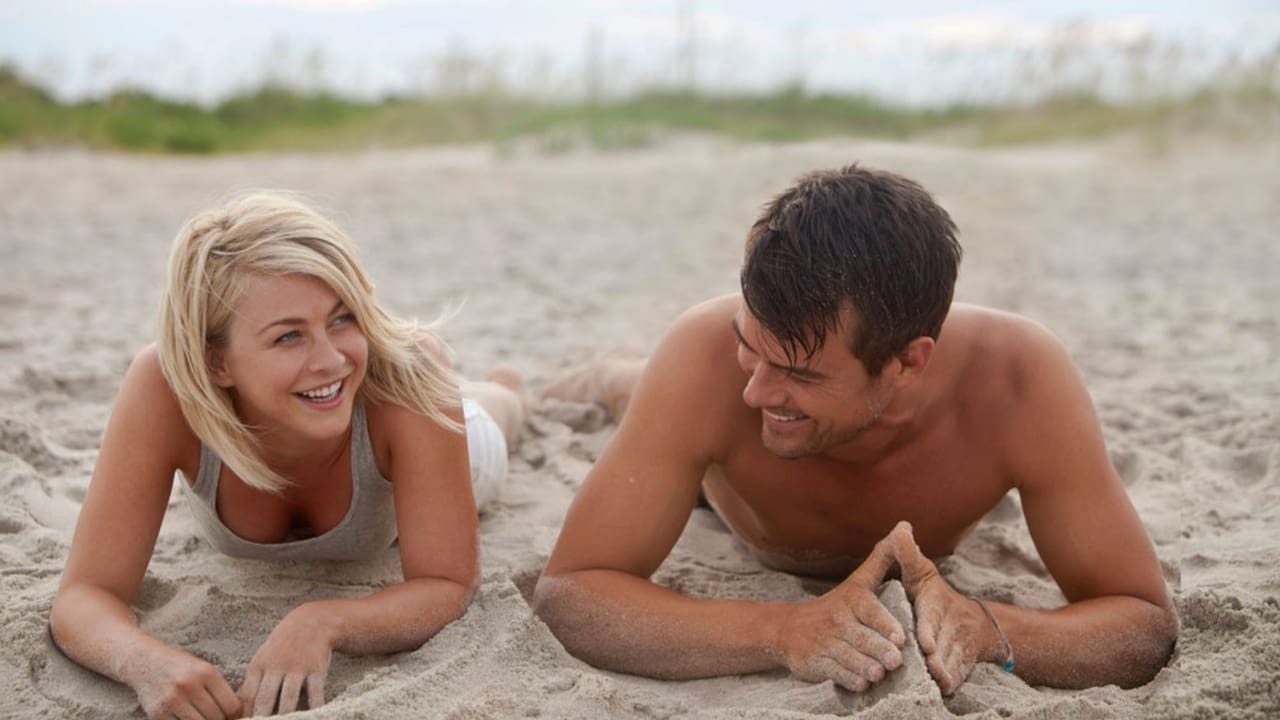
The chemistry between Hough and Duhamel is genuinely sweet. Duhamel has that "approachable-dad-who-can-fix-a-sink" energy down to a science. Apparently, Josh Duhamel spent a lot of time improvising with the child actors to make their bond feel authentic, and it shows. Those scenes are the heart of the drama, making the "Safe" part of the title feel earned.
Shadows in the Sunlight
However, Safe Haven refuses to stay in the light. While the romance blooms, we’re constantly cutting back to Kevin (David Lyons), the Boston detective obsessively hunting Katie down. David Lyons turns in a performance that belongs in a much darker movie. He is genuinely terrifying, portraying a man spiraling into a booze-fueled, delusional rage.
This is where the "Modern Cinema" transition of the early 2010s is most evident. The film attempts to balance the Hallmark-adjacent romance with a "gritty" thriller vibe that was very popular post-9/11, where even our love stories needed a sense of encroaching danger. The domestic abuse subplot is handled with more gravity than you’d expect from the genre, though the tonal shifts can be jarring. One minute you’re watching a flirtatious canoe ride, and the next, you’re watching a man abuse police databases to stalk his wife.
Interestingly, Keira Knightley was the original choice for Katie, but she turned it down. While I love Knightley, I think her "period-piece poise" might have been too much here. Hough feels like someone you’d actually meet at a North Carolina seafood shack, which makes the eventual descent into madness more effective.
The Twist That Launched a Thousand Memes
We have to talk about the ending. If you haven't seen Safe Haven, I’m not going to explicitly spoil the mechanics, but I will say it’s the reason this film has achieved a weird, permanent cult status. For about 110 minutes, you think you’re watching a standard thriller-romance. Then, in the final five minutes, the movie looks you in the eye and decides to become a ghost story.
In the book, the "Jo" character—played with a quiet, observant grace by Cobie Smulders—is a bit more clearly defined. But in the film, the reveal that she is actually the spirit of Alex’s late wife watching over them is handled with a "gotcha" energy that is absolutely unhinged. It’s basically The Sixth Sense for people who shop at Pottery Barn.
When the movie came out, critics absolutely mauled it for this. Looking back, however, I find the audacity of it almost admirable. In an era where franchises were starting to become homogenized, there’s something refreshing about a mid-budget romance that decides to go completely off the rails in the eleventh hour. It’s the kind of thing that makes you want to immediately call a friend and ask, "Wait, did that actually happen?"
Safe Haven is better than its "Nicholas Sparks" label suggests, thanks largely to Lasse Hallström's steady hand and a terrifying villain in David Lyons. It captures that specific 2013 moment when studios were still willing to throw $28 million at a romantic drama before the "mid-budget movie" essentially moved to Netflix. It’s a comfort watch with a side of "What on earth?"—perfect for a rainy afternoon when you want to see some pretty people fall in love and then get blindsided by a supernatural entity. It might not be high art, but it’s a fascinating relic of a time when romances weren't afraid to be a little bit crazy.

Keep Exploring...
-
The Next Three Days
2010
-

Match Point
2005
-
The Illusionist
2006
-

What's Eating Gilbert Grape
1993
-
Kill Your Darlings
2013
-
Labor Day
2013
-

Dear John
2010
-

Brothers
2009
-

127 Hours
2010
-
The Lincoln Lawyer
2011
-
End of Watch
2012
-
Ghost
1990
-
Wild at Heart
1990
-
Gattaca
1997
-
The Adjustment Bureau
2011
-

Salmon Fishing in the Yemen
2012
-
Chocolat
2000
-
Casanova
2005
-
The Wave
2008
-

Law Abiding Citizen
2009