Saving Mr. Banks
"The spoonful of sugar didn't go down easily."
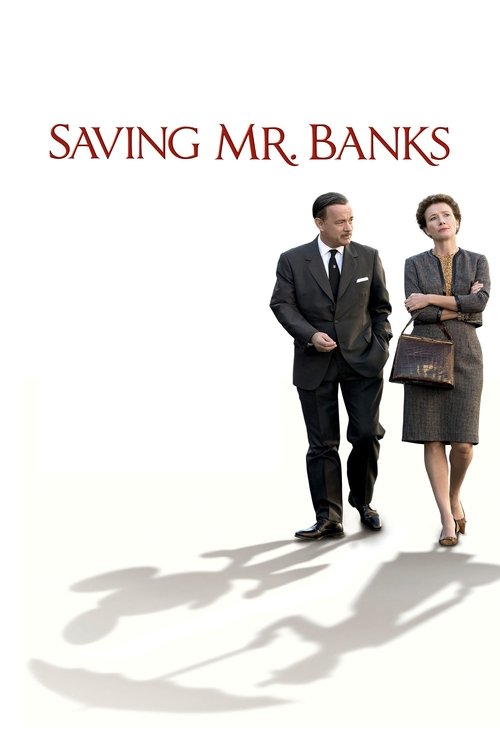
I watched Saving Mr. Banks on my laptop while my cat spent twenty minutes trying to eat a piece of stray plastic in the corner of the room. Usually, that kind of distraction ruins a movie for me, but somehow, the crinkling sound effects felt oddly appropriate for a film about the friction between a fussy author and a corporate giant. It’s a movie about the agonizing process of making a movie, produced by the very studio it’s depicting, which is a meta-layer of Disney "inception" that I’m still unpacking a decade later.

The Battle for the Umbrella
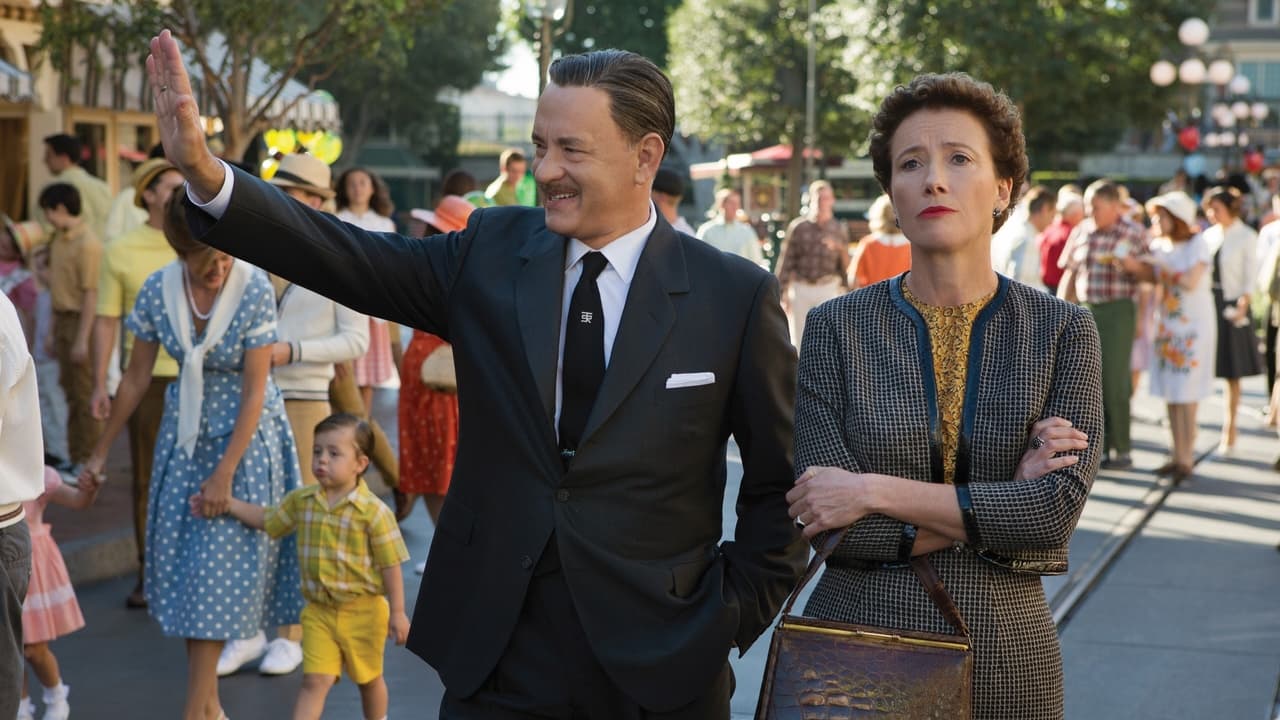
When Saving Mr. Banks arrived in 2013, we were right in the thick of the "Modern Cinema" era’s obsession with the "behind the curtain" narrative. This was a time when DVD special features had already taught us to crave the "making-of" story, and Disney was starting to realize that its own history was just as bankable as its fairy tales. The film follows P.L. Travers—the prickly, tea-drinking, "no-animation-please" creator of Mary Poppins—as she travels to 1960s Los Angeles to consider selling the rights to Walt Disney.
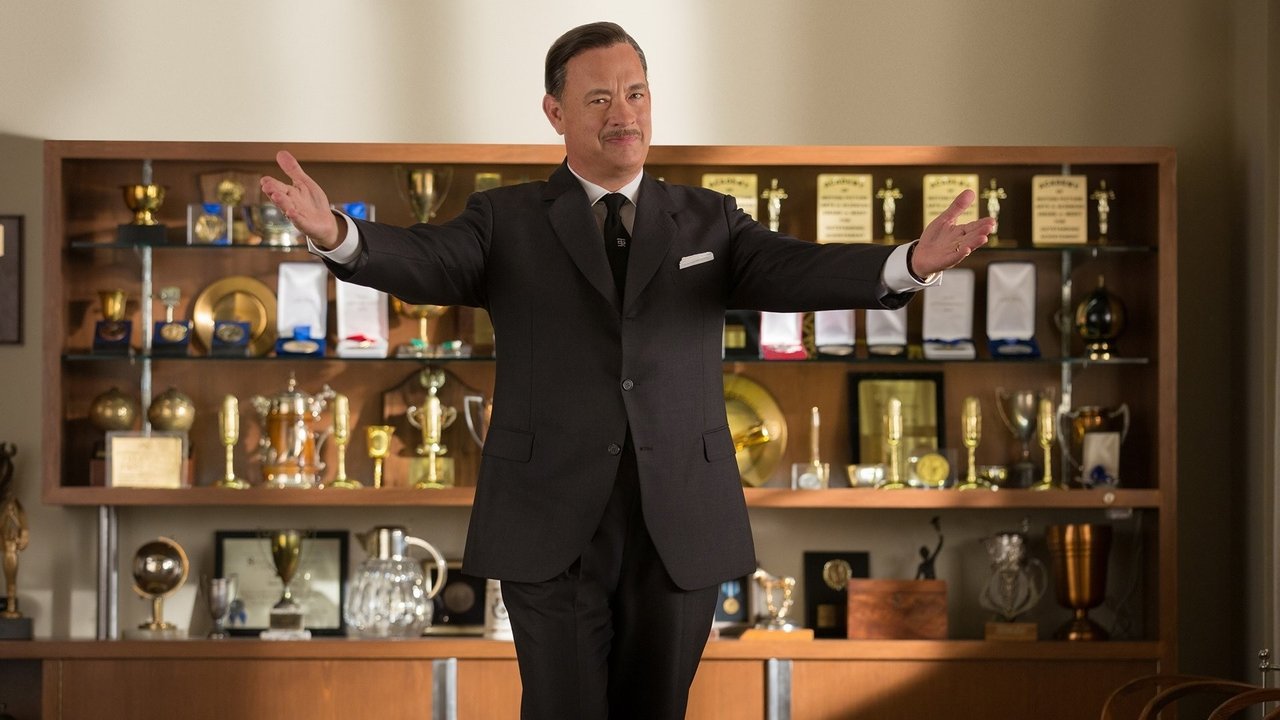
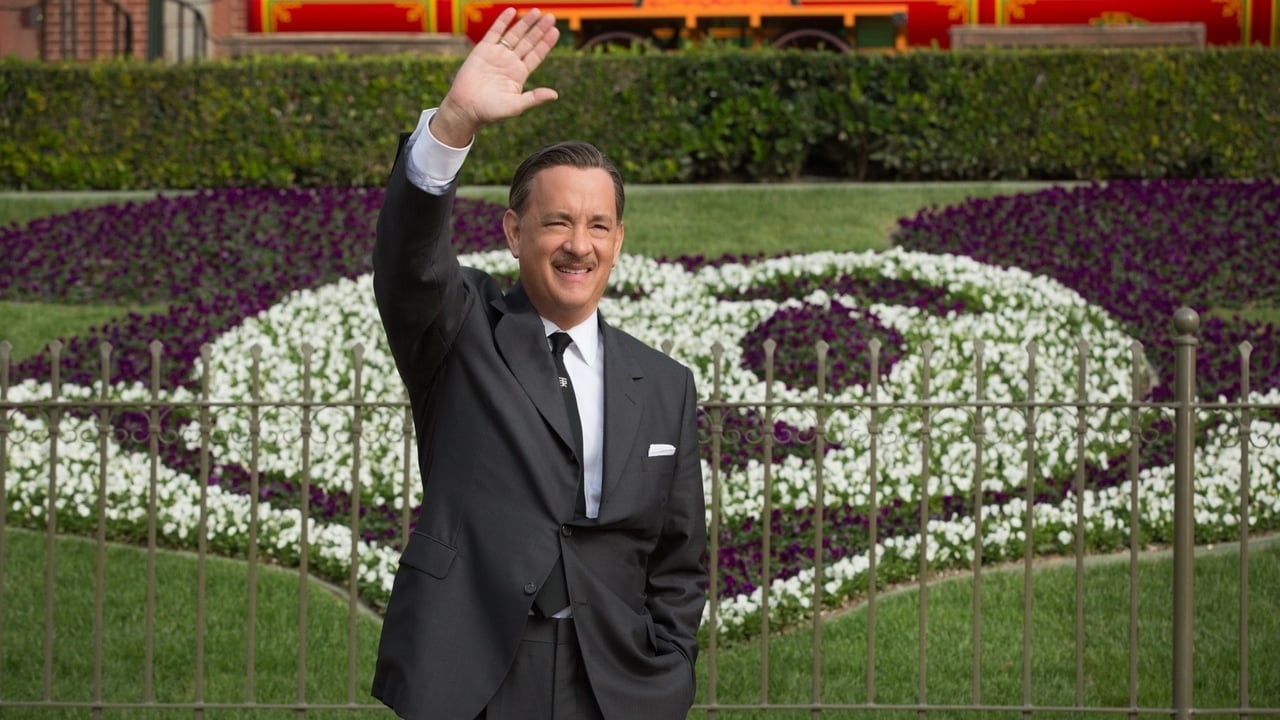
Emma Thompson, who I’ve adored since her turn in Sense and Sensibility, gives a performance that is basically a masterclass in the art of the "polite shudder." She plays Travers with a rigid spine and a tongue like a razor blade. Opposite her, Tom Hanks (the man who essentially became the "Dad of America" through films like Apollo 13) takes on the impossible task of playing the Great Animator himself. Tom Hanks treats Walt Disney like a friendly uncle who definitely owns your soul. He isn’t playing the real, complicated Walt; he’s playing the idea of Walt Disney, and in the context of this film, it weirdly works.
The chemistry here isn’t romantic; it’s a grueling ideological war. Watching Travers react to the Sherman Brothers—played with infectious energy by Jason Schwartzman (Rushmore) and B.J. Novak—as they try to pitch "Chim Chim Cher-ee" is genuinely hilarious. She hates the songs, she hates the color red, and she especially hates the idea of a dancing penguin.
More Than Just a Spoonful of Sugar
While the 1960s scenes are bright, sun-drenched, and full of Burbank optimism, the film frequently cuts back to Travers’ childhood in the Australian outback. This is where the real drama lives. Colin Farrell, an actor who has evolved from a 2000s heartthrob into one of our most dependable character actors (see: In Bruges), plays Travers Robert Goff, her alcoholic, doomed father.
These flashbacks are the emotional engine of the movie. Without them, Travers would just be a caricature of a "mean British lady." Instead, we see that her protection of Mary Poppins is actually a desperate attempt to fix her own past. Colin Farrell is heartbreaking here; he manages to be both the magical father a child adores and the tragic figure an adult mourns. It’s a heavy pivot from the lighthearted comedy of the Disney offices, and while the tonal shifts are as jarring as a California earthquake, they earn the tears they eventually squeeze out of you.
Apparently, the reality was much grimmer. While the film shows a moment of shared understanding between Walt and Travers, the real-life P.L. Travers famously hated the final 1964 film. She reportedly spent the premiere weeping—not with joy, but with pure, unadulterated rage at what had been done to her book. Knowing that the actual P.L. Travers would have likely burned this movie to the ground adds a spicy layer of irony to the experience.
A Legacy Wrapped in Celluloid
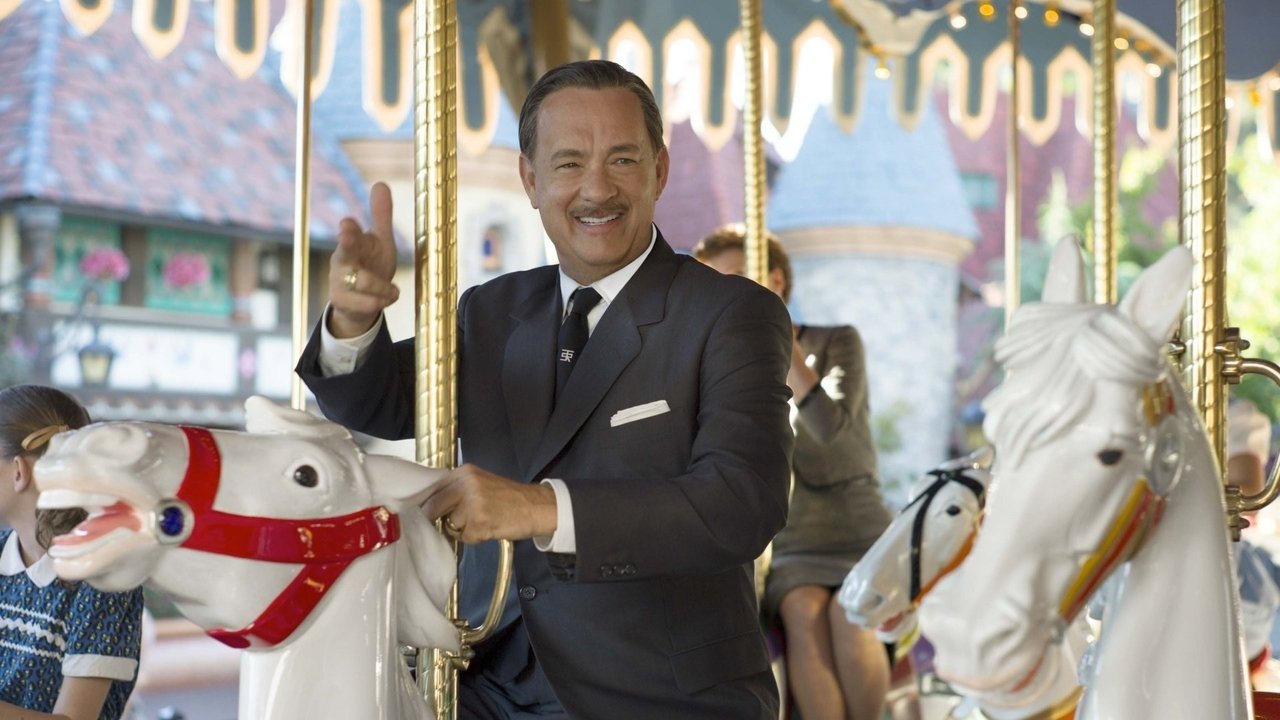
Looking back at Saving Mr. Banks from our current era of endless franchises, it feels like a pivotal moment for Disney. With a modest $35 million budget, it managed to rake in over $112 million worldwide, proving that audiences were hungry for this specific brand of corporate nostalgia. It was also a landmark production; it was the first time Disney allowed a non-documentary film to shoot at Disneyland since the 1960s. Seeing Tom Hanks walk through the park in 1960s period costume feels like a fever dream for any theme park nerd.
One of the most effective choices director John Lee Hancock (who also did The Blind Side) made was including the real-life tape recordings of the Mary Poppins story meetings over the closing credits. Hearing the actual P.L. Travers’ voice—sounding every bit as demanding and difficult as Emma Thompson portrayed her—anchors the film in a way that feels surprisingly honest for a major studio production.
The score by Thomas Newman (American Beauty) also deserves a shout-out. He avoids the temptation to just remix the classic Poppins tunes, instead weaving in a melancholy, repetitive piano motif that reflects Travers' internal world. It’s a subtle touch in a movie that isn’t always subtle about pulling your heartstrings.
Saving Mr. Banks is a polished, well-acted piece of historical fiction that manages to be both a charming comedy and a deeply sad family drama. It’s a "Disney movie about Disney," yes, but the central performances by Emma Thompson and Colin Farrell are so grounded that they transcend the corporate branding. If you can handle the emotional manipulation and the fact that it glosses over the messier parts of the real-life feud, it’s a wonderful way to spend two hours. Just don't expect the real P.L. Travers to approve from the great beyond.
Keep Exploring...
-

The Blind Side
2009
-
The Founder
2016
-
Burn After Reading
2008
-

Forgetting Sarah Marshall
2008
-

High School Musical 3: Senior Year
2008
-

Hannah Montana: The Movie
2009
-
He's Just Not That Into You
2009
-
The Proposal
2009
-
Love & Other Drugs
2010
-

Arthur Christmas
2011
-

The Descendants
2011
-
Silver Linings Playbook
2012
-

The Impossible
2012
-
Birdman or (The Unexpected Virtue of Ignorance)
2014
-
Sleepless in Seattle
1993
-
Ed Wood
1994
-
Confessions of a Dangerous Mind
2002
-

Sex and the City
2008
-
Welcome to the Sticks
2008
-
Due Date
2010