Short Term 12
"The line between helping and hurting is paper-thin."
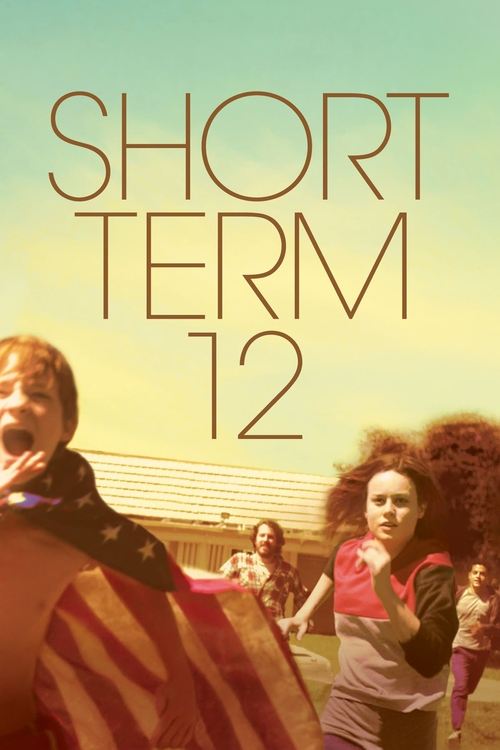
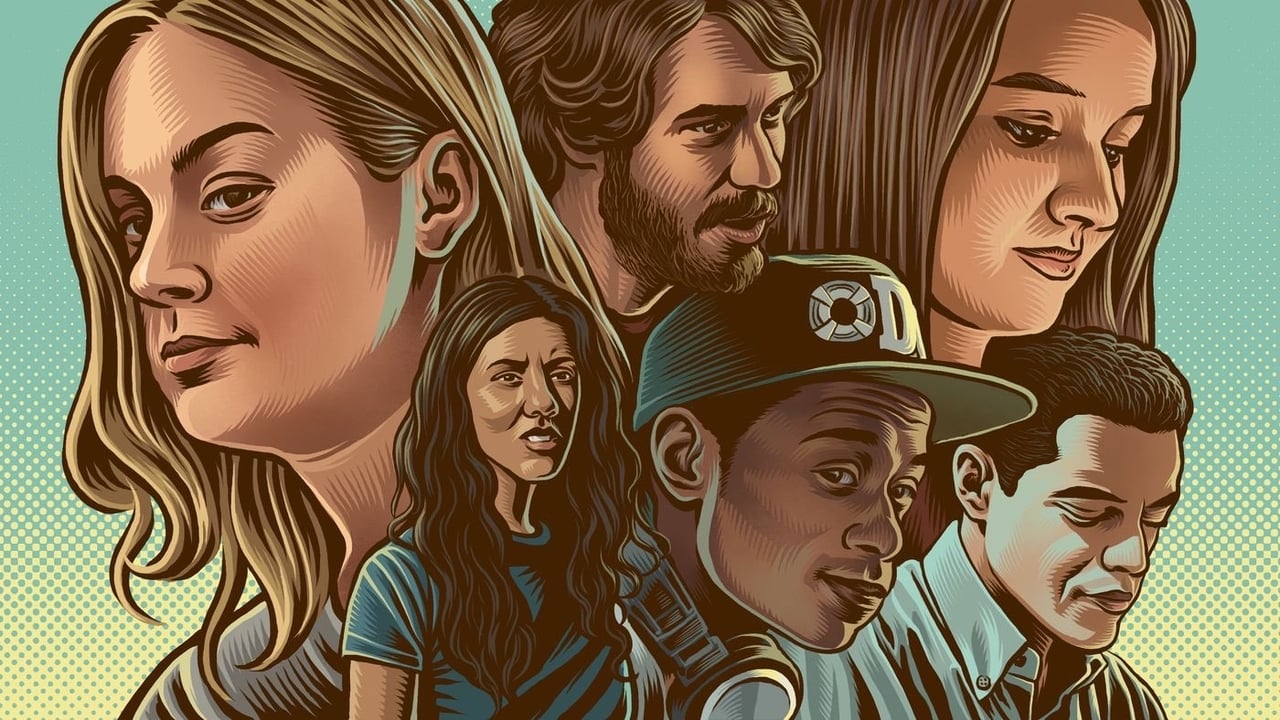
Looking at the cast list for Short Term 12 in 2024 feels a bit like looking at a 1927 New York Yankees roster. You’ve got Brie Larson (pre-Oscar, pre-Captain Marvel), Rami Malek (pre-Mercury), LaKeith Stanfield (in his film debut), and Kaitlyn Dever (years before Booksmart). It’s an absurd collection of talent that a $1 million budget shouldn't be able to afford, yet in 2013, they were just a bunch of hungry actors filming in a cramped, repurposed office space in Los Angeles.
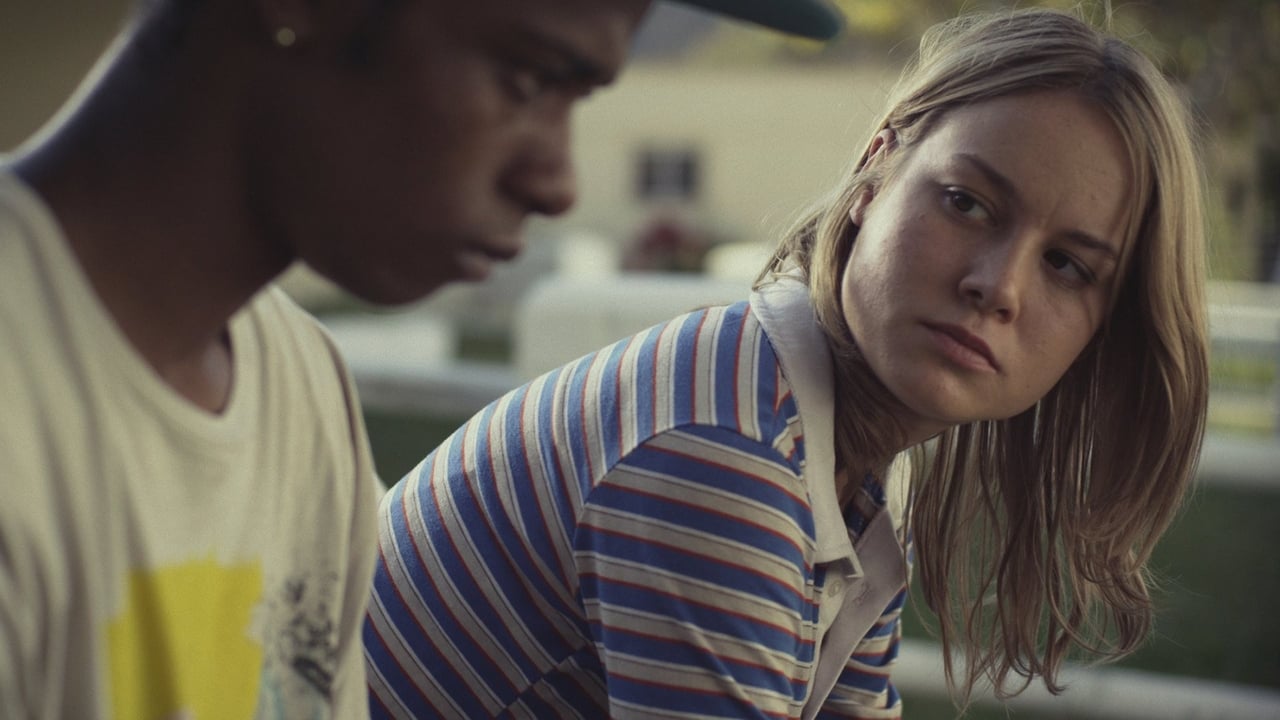
I first watched this movie on my old MacBook Pro while leaning against a radiator that was clicking like a nervous metronome, and honestly, the mechanical rattling fit the mood perfectly. There is a relentless, ticking anxiety underneath Short Term 12 that mirrors the lives of the "at-risk" teens it portrays. It’s a film about foster care, but it’s miraculously devoid of the "saintly social worker" tropes that usually plague this subgenre.
The Avengers of Indie Dramas
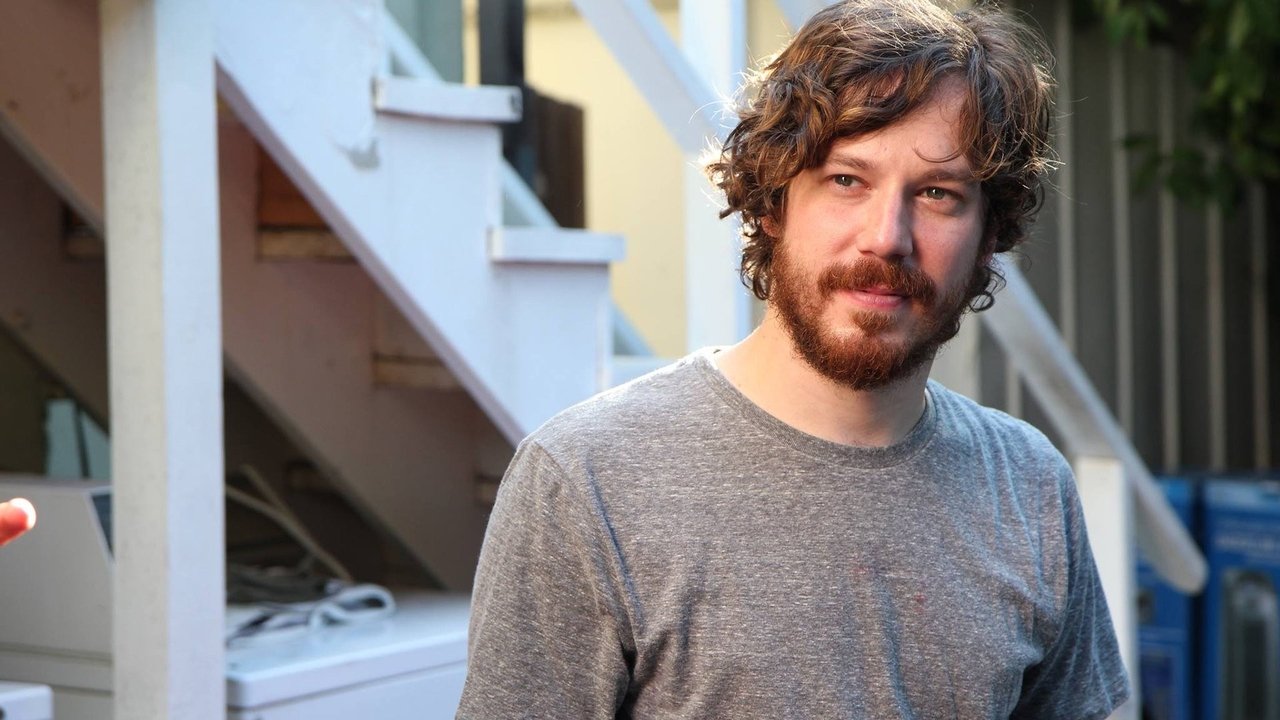
At the center of the storm is Grace, played by Brie Larson in the performance that effectively launched her to the A-list. Grace is a supervisor at a residential treatment facility, and she’s the kind of person who is hyper-competent at fixing everyone’s life except her own. She spends her days tackling runaway kids and her nights staring into the middle distance, unable to tell her boyfriend and co-worker, Mason (John Gallagher Jr.), that she’s pregnant.
The film operates in that specific 2010s indie pocket where digital cinematography began to feel truly "lived-in" rather than just cheap. Brett Pawlak’s camera follows the characters with a handheld intimacy that makes you feel like an uncredited staff member on a double shift. It captures the chaos of the facility—the sudden bursts of violence, the crushing boredom, and the fragile jokes shared over stale cafeteria food—without ever feeling like it’s gawking at the misery.
Rami Malek shows up as Nate, the "new guy" who serves as our initial eyes and ears. To be honest, Nate is the human equivalent of a damp paper towel for the first half of the movie. He’s well-meaning but fundamentally out of his depth, and his awkward attempts to apply textbook sociology to real-world trauma provide a necessary friction. His presence highlights the film’s central philosophy: you can’t "study" empathy; you have to live in the dirt with it.
The Weight of the Octopus
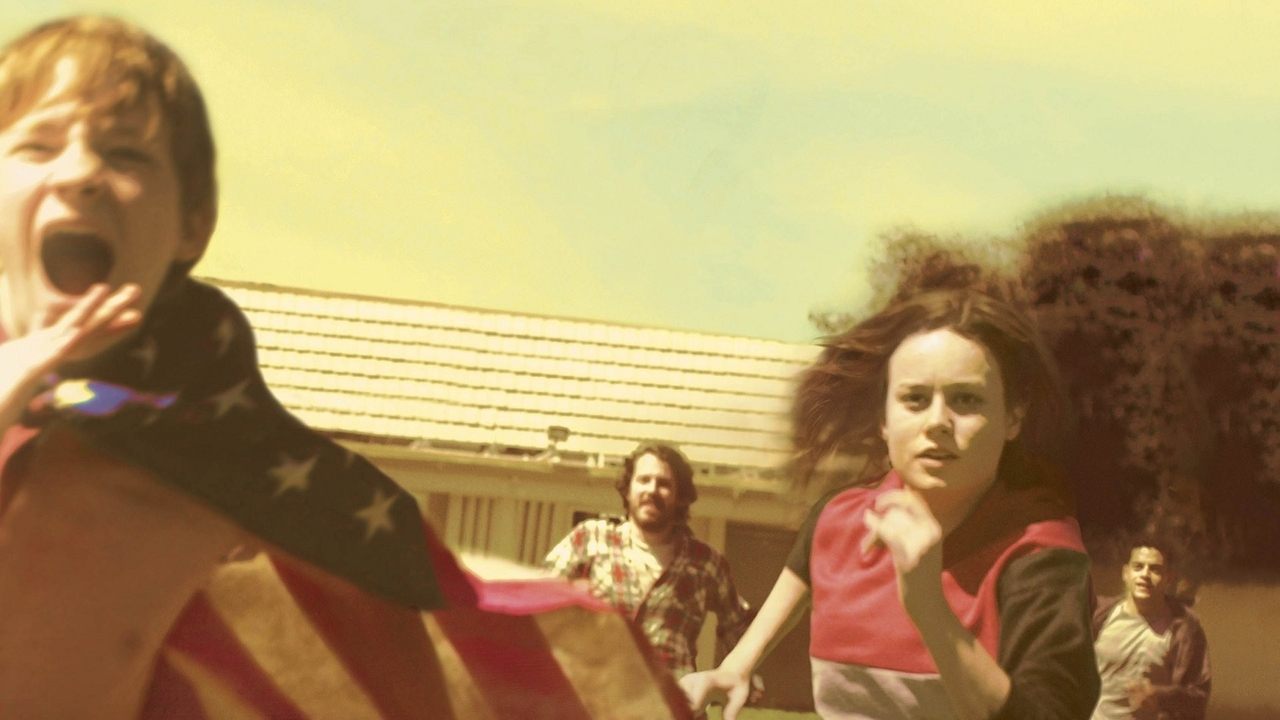
While the adult drama is compelling, the film’s soul belongs to the kids. LaKeith Stanfield (then credited as Keith Stanfield) reprises his role from director Destin Daniel Cretton’s original 2008 short film. His character, Marcus, is about to turn 18 and age out of the system, a prospect that carries the weight of a death sentence. There is a scene where Marcus asks Mason to help him shave his head, followed by a rap he’s written about his mother. It’s one of the few times I’ve seen a movie capture the raw, jagged edge of a teenager trying to articulate pain they don't yet have the vocabulary for.
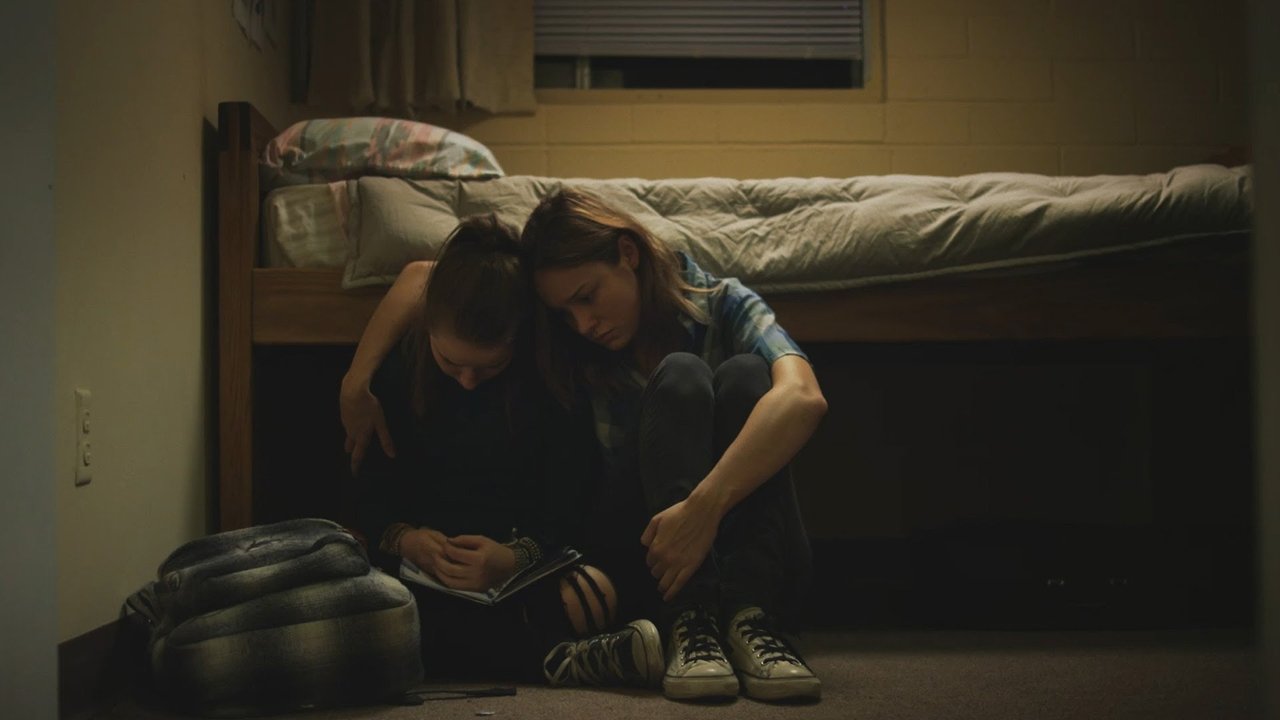
Then there’s Jayden, played by a then-unknown Kaitlyn Dever. She enters the facility with a defensive sneer and a sketchbook, and her chemistry with Larson is the movie's spine. Jayden tells a story about an octopus and a shark—a thinly veiled metaphor for her own abuse—that is so hauntingly written by Cretton that it stays with you long after the credits roll. It’s a masterclass in using subtext to reveal character; the film trusts us to understand the philosophy of trauma through storytelling rather than through a therapist's monologue.
Apparently, Cretton based much of the script on his own experiences working in a group home, and that authenticity is everywhere. It’s in the way the staff handles a "code" (an escaping kid) with the practiced weariness of a pit crew, and in the way Mason uses humor to keep the darkness at bay. John Gallagher Jr. is the unsung hero here; he provides a warmth that prevents the movie from becoming a "misery-fest," showing that love in these environments isn't a grand gesture, but a series of small, consistent choices.
Finding Beauty in the Cracks
What strikes me looking back is how Short Term 12 managed to be "cerebral" without being cold. It asks difficult questions about the cycle of abuse. Can someone who is fundamentally broken ever truly help someone else heal? Or are they just two people drowning together? The film doesn't offer easy answers. It suggests that recovery isn't a destination, but a daily struggle to keep your head above water.
The low budget actually serves the story here. There’s no sheen to the facility; the walls are that specific, depressing shade of "institutional beige" that anyone who’s spent time in a hospital or government building will recognize. It grounds the high-stakes emotional drama in a mundane reality.
I’ve always felt that the best dramas are the ones that find humor in the most inappropriate places. There’s a scene involving a "Super Soaker" and a very frustrated Rami Malek that perfectly encapsulates the absurdity of the job. It’s a reminder that even in the midst of profound psychological struggle, people are still weird, petty, and funny.
Short Term 12 is the rare indie gem that feels both intimate and expansive. It’s a snapshot of a group of future superstars at their most raw, led by a director who clearly cared more about the truth of the story than the polish of the frame. It’s a difficult watch at times, but it leaves you with a profound sense of respect for the people who do the work that society prefers to keep behind closed doors. If you missed this during its initial 2013 run, go back and see where the next decade of cinema really started.
Keep Exploring...
-

Before Midnight
2013
-

I Origins
2014
-

Mommy
2014
-

Night on Earth
1991
-
Bowling for Columbine
2002
-

Mysterious Skin
2005
-

The Man from Earth
2007
-

The Glass Castle
2017
-
The Postman
1994
-
Central Station
1998
-
The Celebration
1998
-
Good Bye, Lenin!
2003
-

Like Stars on Earth
2007
-
Felon
2008
-

Blood and Bone
2009
-

Blue Valentine
2010
-
Undisputed III: Redemption
2010
-

Winter's Bone
2010
-

Beginners
2011
-
Margin Call
2011