Side Effects
"Better living through chemistry and cold-blooded crime."

The year 2013 was supposed to be the end of the line for Steven Soderbergh. He was "retiring" to paint or pursue some other artistic hobby, and he chose Side Effects as his cinematic swan song (a retirement that, thankfully, lasted about as long as a heavy cold). Watching it again, I realized how much this film feels like a sleek, digital summation of everything he’d been perfecting since the late 90s: the cold aesthetic, the distrust of institutions, and that specific, clinical fascination with how people manipulate one another.
I watched this recently while my neighbor was outside trying to start a leaf blower for forty-five minutes straight, and honestly, the low-frequency hum of his failure weirdly complemented the anxiety of the first act. It’s that kind of movie—one that thrives on a sense of environmental discomfort.
The Great Medical Bait-and-Switch
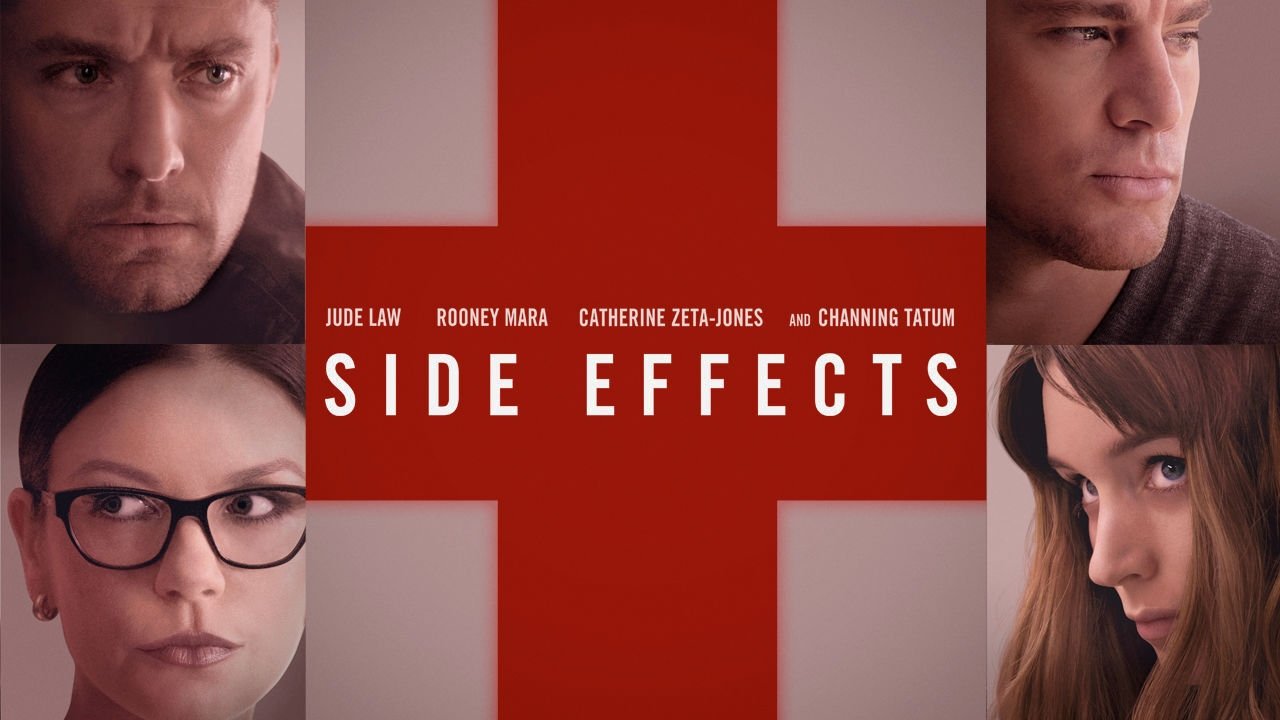
When I first sat down for this in a theater, I thought I was in for a heavy-handed "message" movie about the over-medication of America. We’ve all seen those films; they’re usually well-meaning and incredibly boring. For the first forty minutes, Soderbergh leans into that. We meet Emily, played with a haunting, glassy-eyed precision by Rooney Mara (The Girl with the Dragon Tattoo, Carol), whose husband (Channing Tatum—doing the "supportive but confused" thing he does so well) has just returned from a stint in prison for insider trading.
Emily is struggling. Deeply. She drives her car into a wall just to feel something, and she ends up under the care of Dr. Jonathan Banks, played by Jude Law (The Talented Mr. Ripley, Sherlock Holmes). Banks is a guy who clearly loves his life—the high-end London-to-NY transplant lifestyle—and he starts Emily on a new, experimental antidepressant called Ablixa. Then, the side effects kick in. Specifically, sleepwalking. And then, a murder.
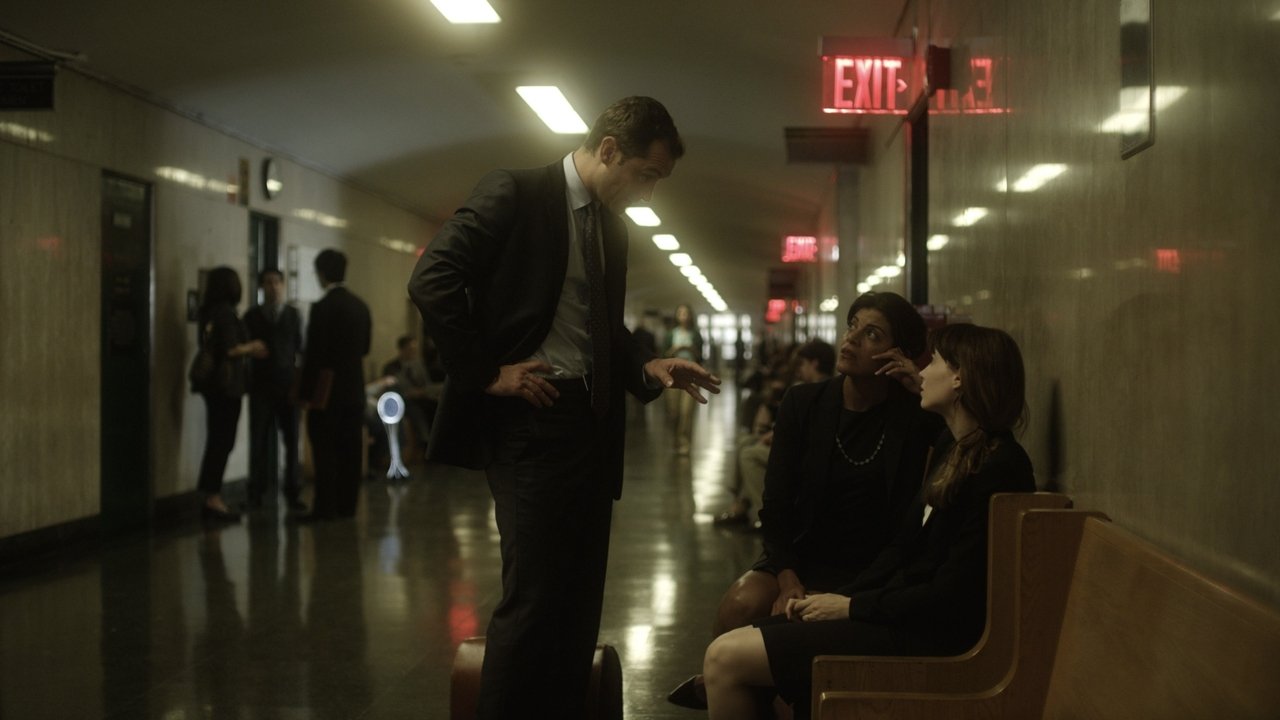
But here is where the film earns its keep: The pharmaceutical industry is just a fancy umbrella for a classic, dirty-fingered noir heist. Just when you think you’re watching a tragedy about a woman lost in a chemical fog, Soderbergh yanks the rug out. He stops making a social drama and starts making a Hitchcockian thriller. It is a masterful pivot that shifts the protagonist role from the patient to the doctor as Banks realizes his entire life is being dismantled by a conspiracy he didn't see coming.
Digital Noir and Sickly Yellows
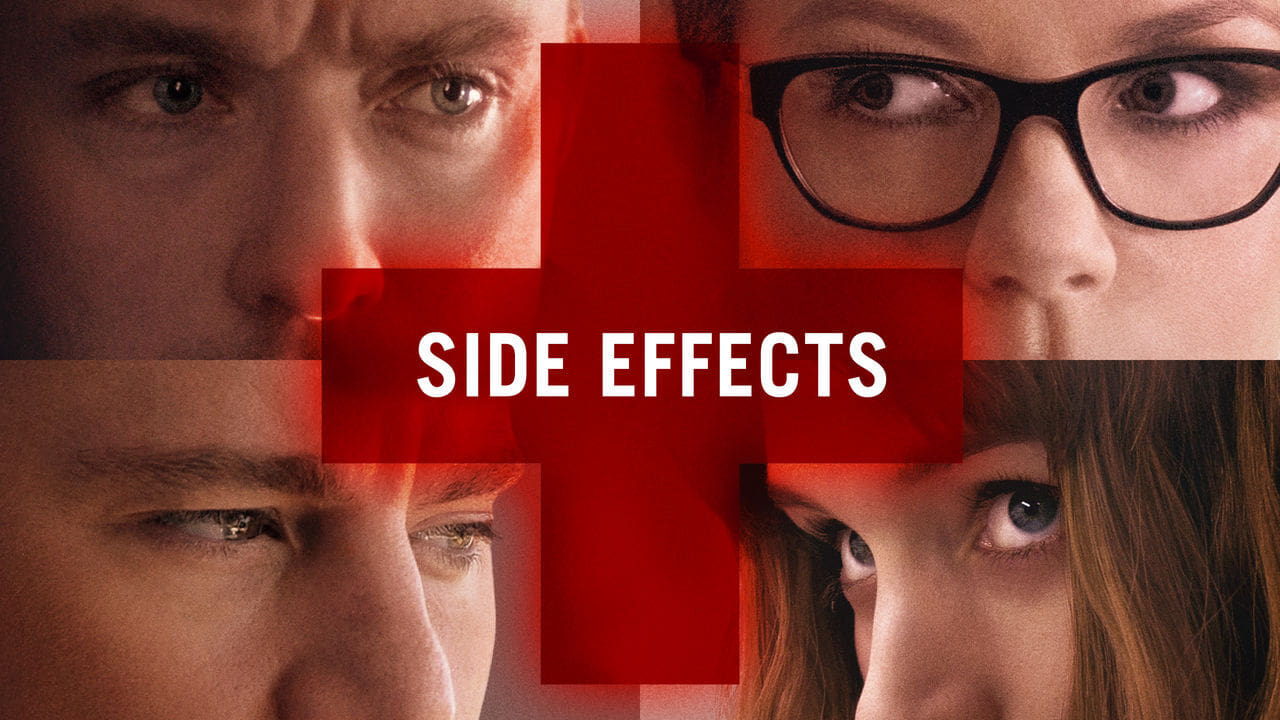
Soderbergh acts as his own cinematographer (under the pseudonym Peter Andrews), and by 2013, he had mastered the RED digital camera system. Everything in Side Effects looks slightly jaundiced or submerged in a cold, fluorescent blue. It’s not "pretty" in the traditional sense, but it captures the mood of a sterile doctor’s office where the air feels like it hasn’t been changed in years.
Jude Law is the secret weapon here. Often, Law is cast for his beauty, but Soderbergh likes to use him for his nervous energy. As Dr. Banks, he is desperate, sweaty, and increasingly unethical as he tries to clear his name. It’s a joy to watch him unravel. Then you have Catherine Zeta-Jones (Chicago, The Mask of Zorro), who shows up as Emily’s former psychiatrist wearing a pair of glasses that scream "I have a secret and it's probably expensive." She plays the role with a delicious, campy chill that balances out the grounded performances of the rest of the cast.
Stuff You Didn't Notice (The Cult of Ablixa)
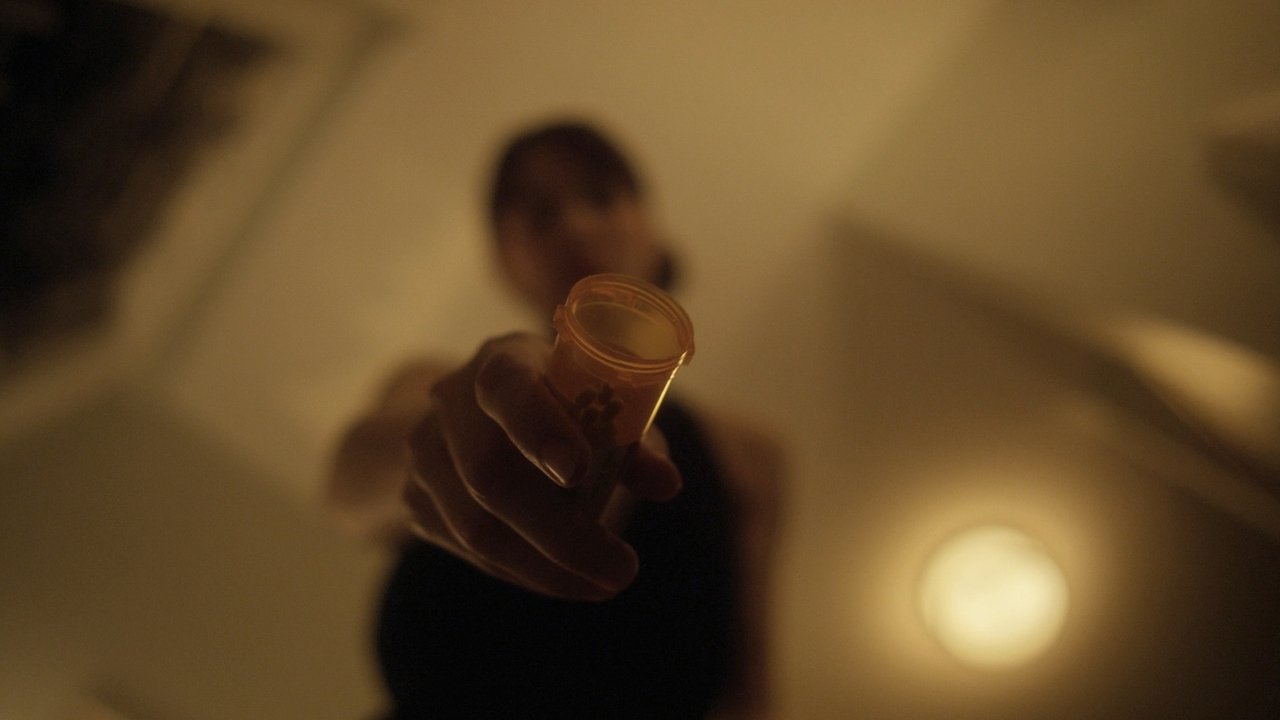
Part of what makes Side Effects a fascinating time capsule of the early 2010s is how it occupied the real world. The production team actually created a fake website for the drug "Ablixa," complete with a list of terrifying side effects and a catchy jingle. It looked so much like a real Big Pharma site that it reportedly confused quite a few people who were looking for actual medical help.
Turns out, the script by Scott Z. Burns (who also wrote Soderbergh’s Contagion) was inspired by his time spent in a psychiatric hospital doing research. He noticed how often the legal and medical worlds blurred together. This wasn't a rush job, either; the script floated around for years before landing. Originally, Blake Lively was set to play Emily, but I’d argue that Rooney Mara’s inherent "un-readability" is what makes the twist work. You never quite know if there’s a soul behind her eyes or just a very clever calculator.
Also, for the eagle-eyed Soderbergh fans, this film marks another collaboration with composer Thomas Newman. The score doesn't rely on big, booming orchestral swells. Instead, it’s this rhythmic, pulsing electronic sound that mimics a heartbeat under the influence of too much caffeine. It’s the sound of a panic attack in a glass office building.
In the decade-plus since its release, Side Effects has aged remarkably well because it doesn’t just rely on its "gotcha" moment. It’s a film about the systems we trust—medicine, the law, marriage—and how easily those systems can be weaponized by anyone clever enough to read the fine print. It’s slick, cynical, and deeply entertaining. Even if you aren't a fan of "medical dramas," watch it for the heist. Soderbergh might have pretended to retire, but this film proved he was still operating at the top of his game.

Keep Exploring...
-
Contagion
2011
-

Traffic
2000
-
The Informant!
2009
-
Faster
2010
-
The Next Three Days
2010
-

Colombiana
2011
-
Drive
2011
-
The Lincoln Lawyer
2011
-
Contraband
2012
-
End of Watch
2012
-

Savages
2012
-
Out of the Furnace
2013
-
A Walk Among the Tombstones
2014
-
The Bank Job
2008
-

Law Abiding Citizen
2009
-
Gangster Squad
2013
-

Trance
2013
-
Road to Perdition
2002
-
Ocean's Twelve
2004
-

Falling Down
1993