Star Trek Into Darkness
"The frontier pushes back with a familiar face."
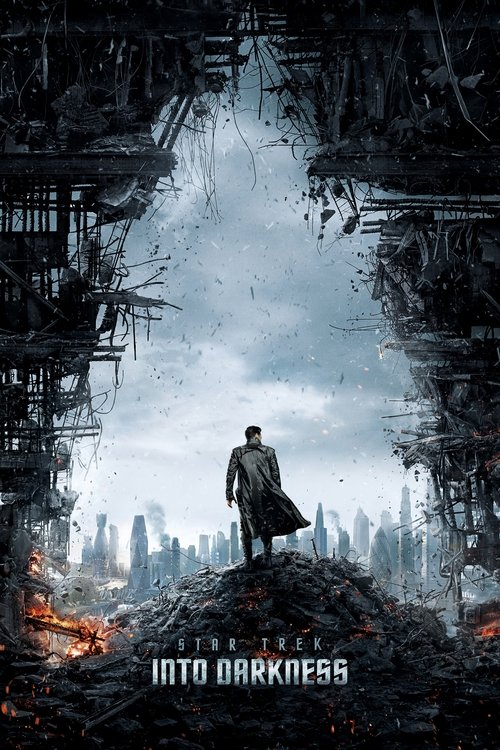
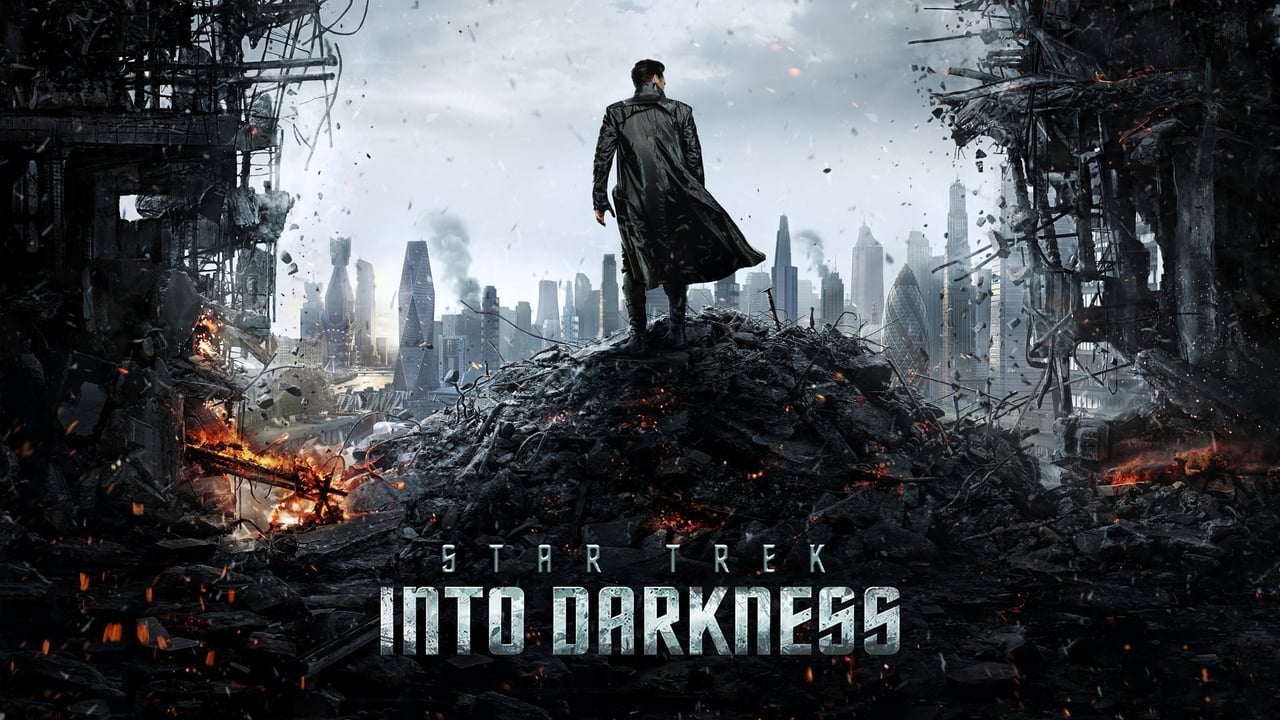
If you want to understand the exact moment Hollywood became obsessed with "dark and gritty" deconstructions of our childhood heroes, look no further than the opening ten minutes of Star Trek Into Darkness. We’re treated to a candy-colored, high-octane chase on a primitive planet where the Prime Directive is tossed out the window faster than a redshirt in a vacuum. It’s loud, it’s visually arresting, and it’s unapologetically J.J. Abrams. But as the vibrant reds of the Nibiru forest give way to the grey, rain-slicked streets of a future London, the film reveals its true 2013 DNA: a blockbuster grappling with the shadow of domestic terrorism and the moral rot of the military-industrial complex.
The Mystery Box and the Khan Problem
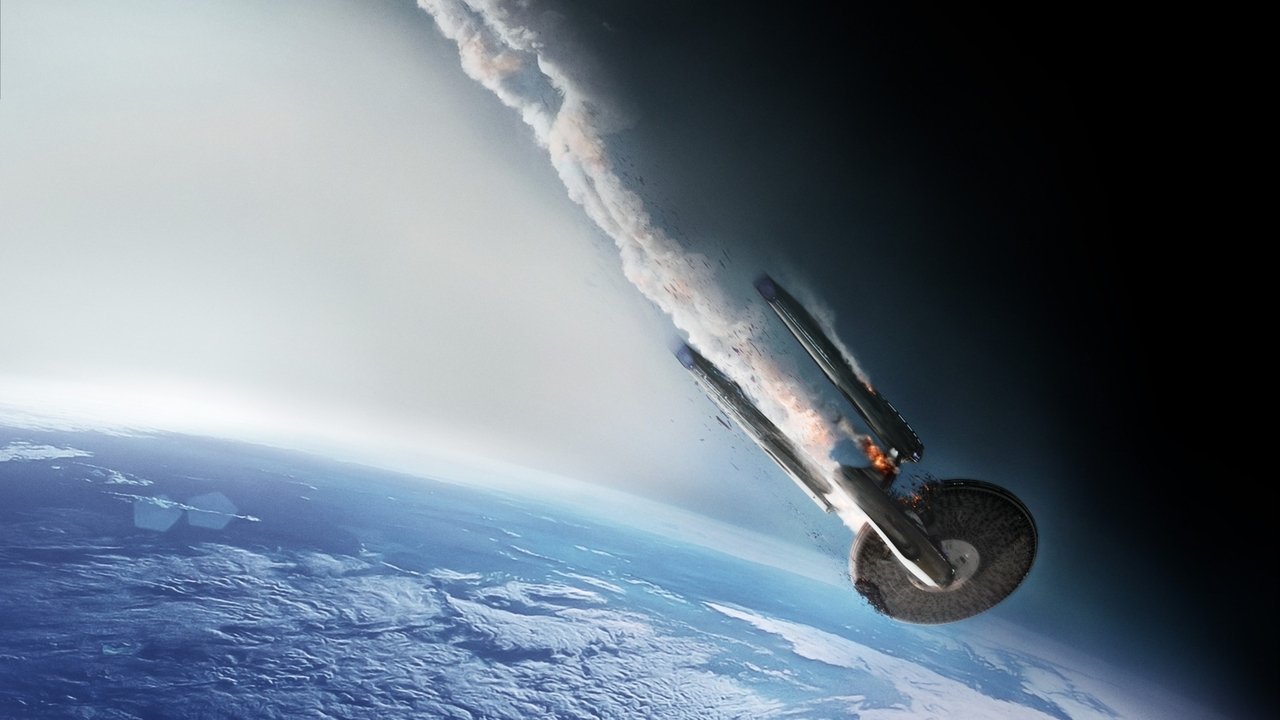
Looking back, the marketing for this film was a masterclass in the "Mystery Box" philosophy that defined the early 2010s. I clearly recall the months of frantic internet speculation regarding who Benedict Cumberbatch was actually playing. The studio insisted his character was "John Harrison," a disgruntled Starfleet officer. We all knew better, but the insistence on the lie created a strange, localized cult of skepticism around the production. When he finally utters the name "Khan," it wasn't a revelation so much as an invitation for the hardcore Trekkies to sharpen their bat'leths.
In retrospect, the decision to remix The Wrath of Khan—the undisputed holy grail of the franchise—was a bold move that bordered on cinematic sacrilege. It turned the film into a fascinating cultural artifact: a movie that mainstream audiences generally enjoyed for its spectacle, but which the "true believers" voted as the worst Star Trek film ever made at a 2013 convention. This disconnect is what gives Into Darkness its weird, lingering cult status. It’s the "black sheep" that everyone has an opinion on, mostly because it tries so hard to be a cover song while pretending it’s an original composition.
Action in the Age of Anxiety
If you can push past the baggage of the Khan reveal, the action choreography here is genuinely top-tier for the era. The "space jump" sequence, where Chris Pine (Kirk) and Benedict Cumberbatch (Khan) launch themselves through a debris field between two ships, is a heart-in-throat moment that still holds up. It captures that specific transition point where CGI became fluid enough to mimic the chaos of a handheld camera without looking like a video game cutscene.
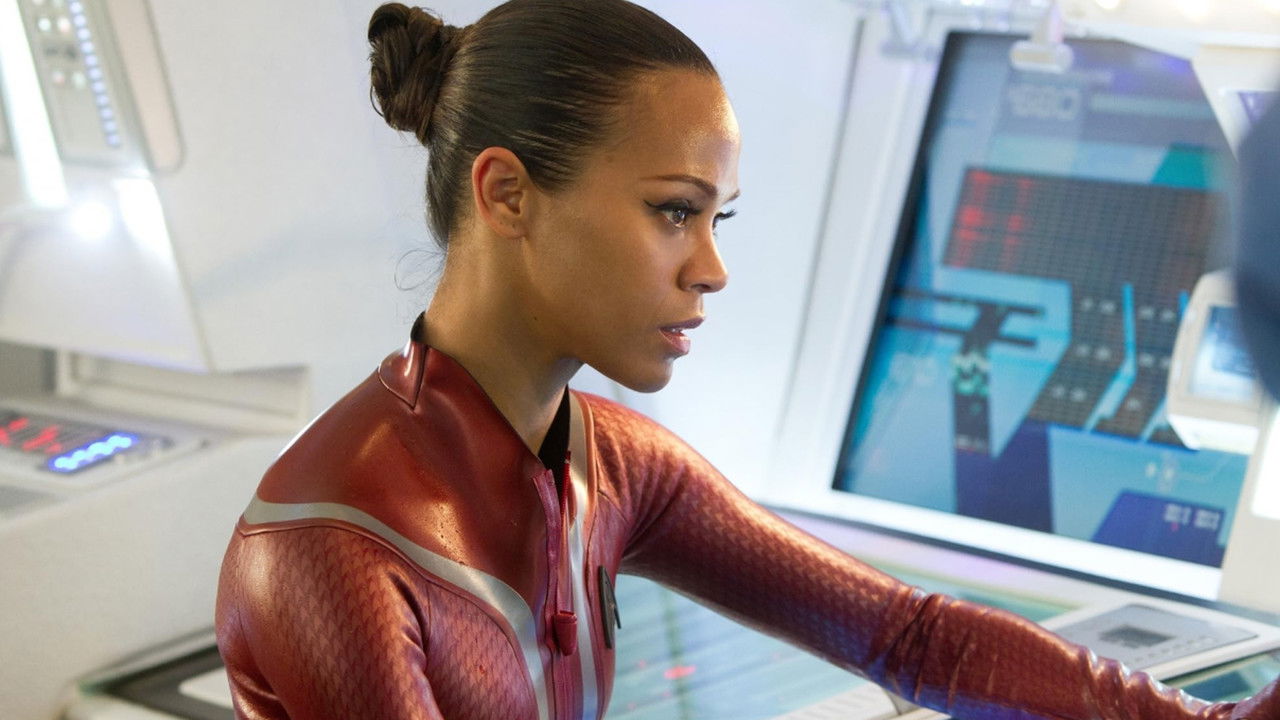
The film also captures the post-9/11 anxieties that permeated every action flick of the time, from The Dark Knight Rises to Iron Man 3. The destruction of Starfleet Headquarters and the crash of the USS Vengeance into San Francisco are framed with a visual language that intentionally evokes the trauma of real-world disasters. It makes the stakes feel heavy, even when the plot logic starts to fray at the edges. I watched this most recently while wearing a pair of wool socks that had a hole in the big toe, and honestly, the draft on my foot was the only thing keeping me grounded as the Enterprise plummeted toward Earth.
Behind-the-Scenes Friction and Trivia
The production was a pressure cooker of "franchise mentality" meeting "director’s vision." While Abrams was busy making the film look like a million bucks (or specifically, $190 million), the writers were trying to weave in deep-cut references for the fans. Here are a few things that escaped the mystery box:
The Lens Flare Count: J.J. Abrams famously apologized for the amount of lens flare in this movie. There are over 800 of them. At one point, his wife reportedly told him she couldn't see what was happening on screen. A Stealthy Audition: Benedict Cumberbatch recorded his audition on an iPhone in his friend’s kitchen. Despite the low-fi tech, his intensity won over the production team instantly. The Peter Weller Connection: Casting Peter Weller (of RoboCop fame) as the hawkish Admiral Marcus was a brilliant nod to 80s sci-fi, though he’s far more sinister here than Alex Murphy ever was. Nimoy’s Farewell: This marked the final film appearance of Leonard Nimoy as Spock Prime. Regardless of how you feel about the plot, his brief scene with Zachary Quinto carries a massive emotional weight in hindsight. * The Klingon Redesign: This was our first real look at the Kelvin-timeline Klingons. The decision to give them piercings and removable helmets was a controversial attempt to make them feel more "alien" and less like "guys in forehead prosthetics."
The Kirk and Spock Kinetic Energy
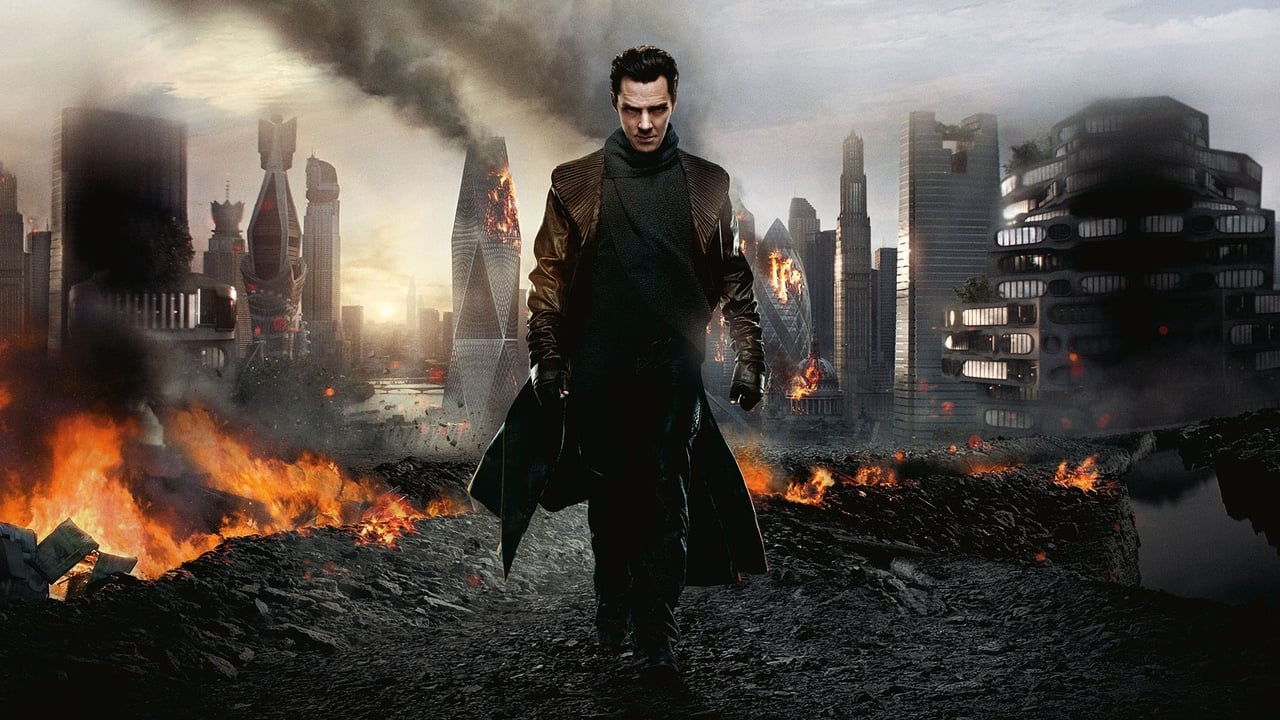
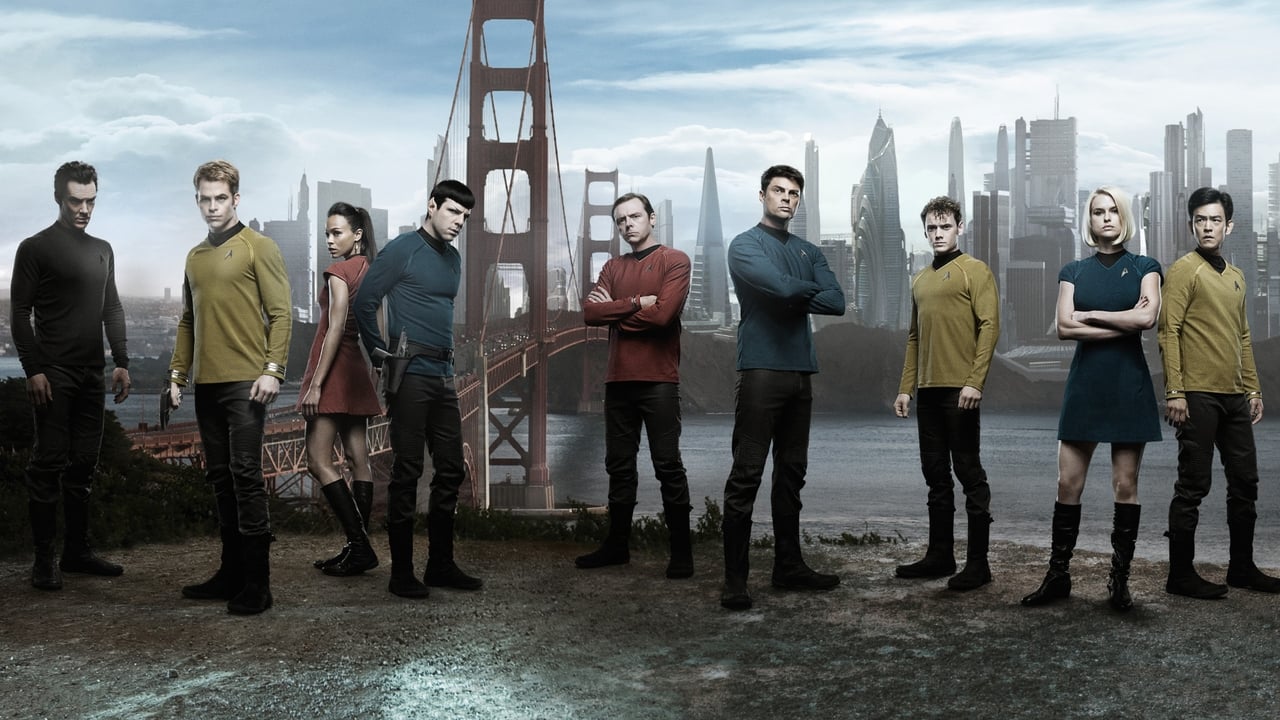
The real engine of this movie isn't the warp core; it's the chemistry between Chris Pine and Zachary Quinto. Pine plays Kirk with a frantic, unearned confidence that slowly erodes into genuine fear, while Quinto’s Spock struggles with an emotional dam that’s constantly about to burst. Their dynamic is the one thing that feels truly "Trek" amidst all the explosions. Karl Urban also deserves a shout-out for his Bones McCoy; he doesn't just play the role, he inhabits the very soul of DeForest Kelley, providing the much-needed cynical humor that keeps the film from drowning in its own self-seriousness.
Star Trek Into Darkness is a magnificent piece of technical filmmaking that suffers from a bit of an identity crisis. It wants to be a high-stakes political thriller, a nostalgic tribute, and a summer blockbuster all at once. While it doesn't always stick the landing—and the "Magic Blood" plot device is still a tough pill to swallow—the sheer momentum of the direction and the commitment of the cast make it a ride worth taking. It’s a snapshot of a time when we wanted our space operas to be a little bit darker, even if we needed a thousand lens flares to light the way.
Keep Exploring...
-

Star Trek
2009
-
Star Trek Beyond
2016
-
Mission: Impossible III
2006
-
The Island
2005
-
TRON: Legacy
2010
-

Captain America: The First Avenger
2011
-

X-Men: First Class
2011
-
John Carter
2012
-

Ender's Game
2013
-
Man of Steel
2013
-
Oblivion
2013
-
Pacific Rim
2013
-
The Amazing Spider-Man 2
2014
-
X-Men: Days of Future Past
2014
-
Rise of the Guardians
2012
-
9
2009
-
Star Wars: The Force Awakens
2015
-

World War Z
2013
-

Guardians of the Galaxy
2014
-

Starship Troopers
1997