Stoker
"Family ties are the tightest noose."

The sound of a pencil sharpening shouldn’t feel like a threat, yet in the hands of Park Chan-wook, it’s a symphony of impending doom. I first watched Stoker in a basement apartment where the heater was clicking like a metronome, and honestly, that mechanical ticking made the whole experience twice as unnerving. It was 2013, a year when the "horror" genre was largely obsessed with the found-footage leftovers of Paranormal Activity, yet here came a South Korean maestro to show Hollywood that true terror doesn't need a shaky cam—it just needs a very sharp pair of scissors and a deeply repressed family tree.
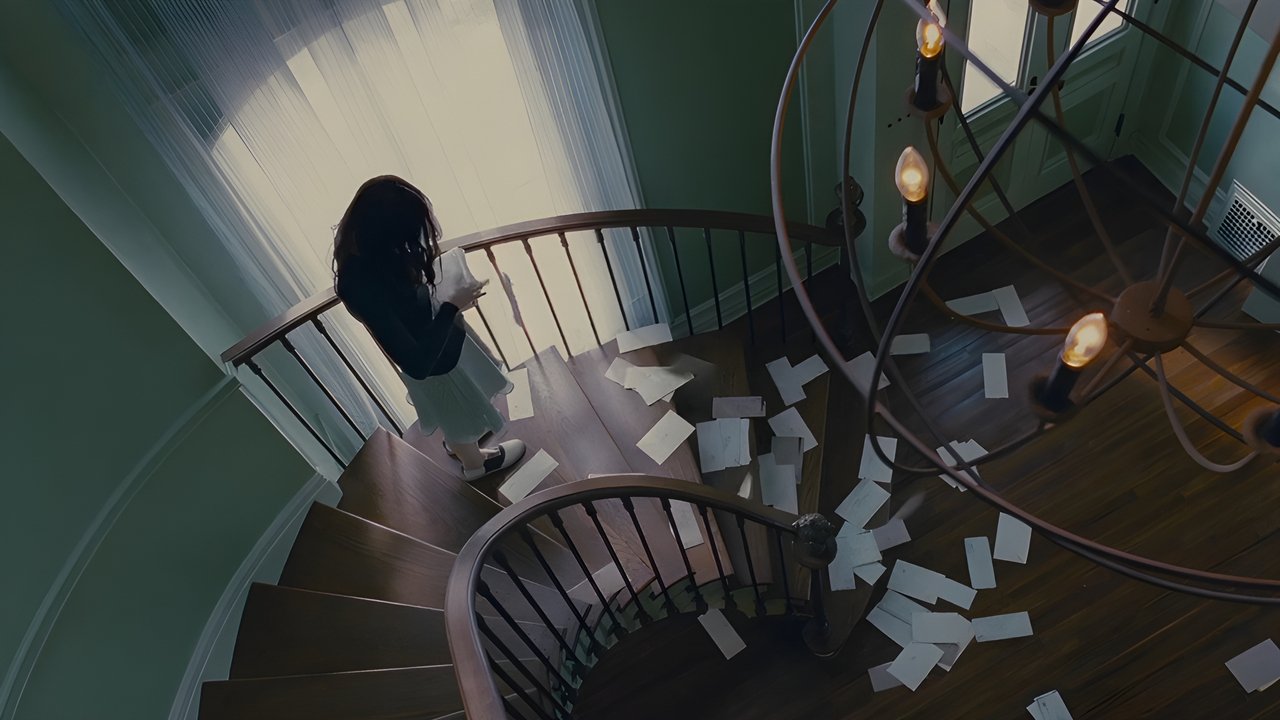
Hitchcock Through a Blood-Red Lens
When Wentworth Miller (yes, the guy from Prison Break) wrote this screenplay under a pseudonym, he clearly had Hitchcock’s Shadow of a Doubt on a loop. But where Hitchcock had to mind the Hays Code, Park Chan-wook has no such shackles. The story kicks off with the death of Richard Stoker (Dermot Mulroney), leaving his daughter India (Mia Wasikowska) and his widow Evelyn (Nicole Kidman) in a state of brittle mourning. Enter Uncle Charlie (Matthew Goode), a man who has been "traveling" for decades and suddenly decides to move in.
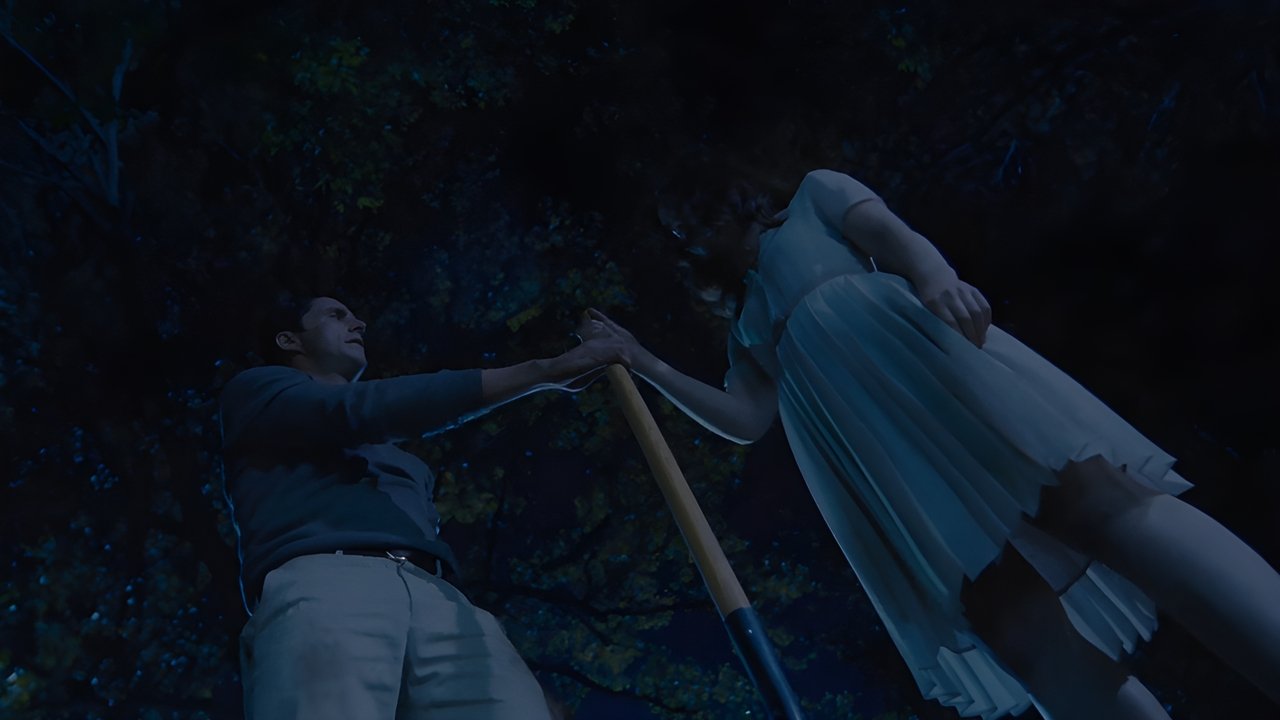
Matthew Goode plays Charlie with the kind of predatory grace that makes you want to lock every door while simultaneously handing him the keys. He doesn’t walk; he glides. He doesn’t speak; he purrs. The chemistry he shares with Mia Wasikowska is purposefully, agonizingly wrong. India is a girl who hears things others don't—the scuttle of a beetle, the breathing of the house—and Charlie is the first person who truly listens back. It’s a coming-of-age story where the "blooming" involves a metaphorical (and literal) sharpening of claws.
The Art of the Uncomfortable
If you’re looking for jump scares, you’re in the wrong house. Stoker is all about the "slow burn" that eventually roasts you alive. The cinematography by Chung Chung-hoon—who also shot the original Oldboy—is so precise it feels surgical. There is a famous transition where the brushing of Nicole Kidman's hair dissolves into a field of tall grass. It’s the kind of visual flair that was becoming a hallmark of the early 2010s "aesthetic" cinema, before every indie horror movie decided it needed to be color-graded into a muddy grey.
The standout sequence, and the one I find myself rewatching on YouTube every few months, is the piano duet between India and Charlie. It’s a piece composed by Philip Glass, and it’s basically a four-minute sex scene played entirely on ivory keys. No one moves closer than a few inches, yet the tension is so thick you could carve it. This movie treats a shared bench like a crime scene, and it’s magnificent.
A Cult Classic in the Making
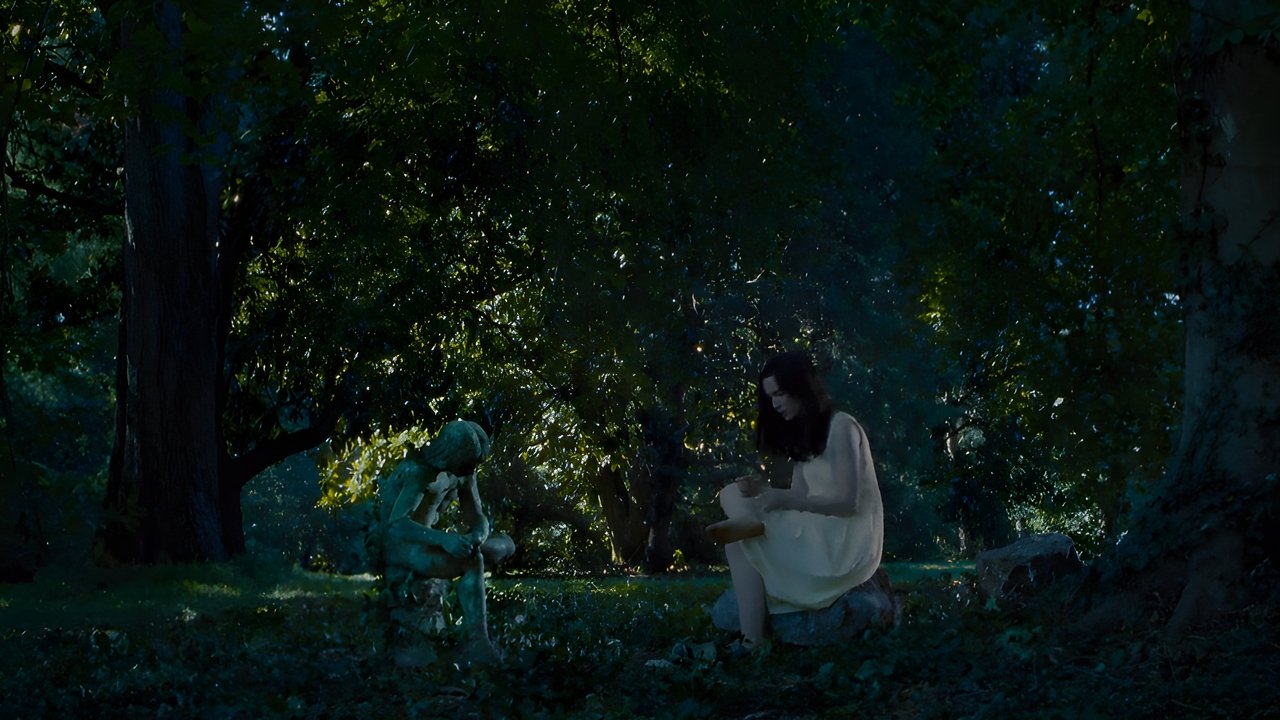
At the time of its release, Stoker was a bit of a financial flop. It barely clawed back its $12 million budget, proving that mainstream audiences in 2013 weren't quite ready for a Southern Gothic fairy tale that felt this European in its sensibilities. But like many films that fail the box office test, it found a second life on Blu-ray and streaming. It’s a "Tumblr" movie in the best way—every frame is a painting, every outfit is meticulously curated, and the shoes (oh, the shoes!) are a major plot point.
Interestingly, Wentworth Miller’s script was voted onto the "Black List" of best unproduced screenplays back in 2010. He used the name "Ted Foulke" because he wanted the work to stand on its own without his acting fame attached. Looking back, you can see the influence of the "Indie Film Renaissance" everywhere here. It has that Fox Searchlight sheen—luxurious, daring, and just a little bit gross. Even the supporting cast, like Jacki Weaver as the suspicious Aunt Gin, feels like they’ve stepped out of a much older, darker era of filmmaking.
The Sound of Silence
We have to talk about Clint Mansell’s score. Mansell, famous for the haunting loops of Requiem for a Dream, captures the "Stoker" vibe perfectly—it’s music that feels like it’s being played in a room where the air has been sucked out. The sound design is equally obsessive. You hear the ice cracking in a glass, the rustle of a silk blouse, and the heavy thud of a basement freezer with alarming clarity. It’s a tactile movie; you can practically feel the texture of the wallpaper.
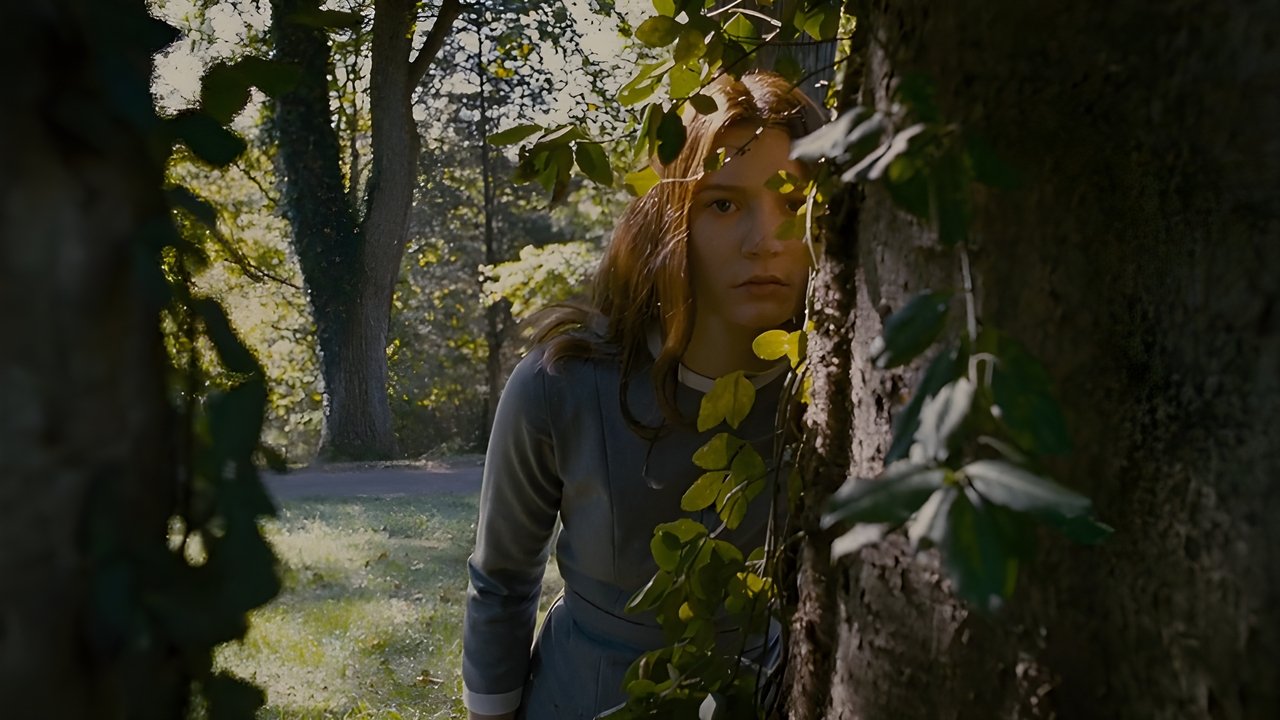
Uncle Charlie is essentially a murderous Mary Poppins who traded the umbrella for a belt. He arrives to "fix" a broken family, but his methods involve a high body count and a lot of psychological gaslighting. Nicole Kidman is fantastic as the mother who knows something is wrong but is too desperate for affection to care. Her monologue near the end, where she asks India, "Who are you?" is a masterclass in controlled fragility. It’s the kind of performance that reminded everyone why she’s one of the few true movie stars we have left.
Stoker is a film that rewards the patient viewer who appreciates craft over carnage. It’s a weird, beautiful, and occasionally repulsive piece of modern gothic that has only aged better as the "elevated horror" trend has grown. While it might have been misunderstood in 2013, it now stands as a testament to what happens when a visionary director is given a sharp script and a cast willing to go to some very dark places. If you’ve never seen it, find a quiet room, turn up the volume, and prepare to be very, very uncomfortable.
The ending doesn't just wrap things up; it lets the monster out of the cage and hands it a pair of sunglasses. It’s a cynical, stylish, and utterly bold conclusion that leaves you wondering just how much of our nature is inherited and how much is taught. It’s the kind of movie that makes you want to check the guest room twice before going to bed.
Stuff You Didn't Notice
Pseudonym Success: Wentworth Miller wrote the script in just four weeks and used a fake name to ensure he wasn't being judged on his celebrity status. The Hitchcock Connection: The film's name is a nod to Bram Stoker, but the plot is a direct homage to Hitchcock’s Shadow of a Doubt (1943). Shoe Transitions: Notice how India’s shoes change throughout the film; they represent her transition from childhood to her "true" self, gifted annually by a mysterious benefactor. A Familiar Duo: This was the first English-language film for both director Park Chan-wook and his long-time cinematographer Chung Chung-hoon. * Casting What-Ifs: Carey Mulligan and Jodie Foster were originally attached to the roles of India and Evelyn before Wasikowska and Kidman signed on.

Keep Exploring...
-
Thirst
2009
-
The Rite
2011
-
Martyrs
2008
-
Antichrist
2009
-
The Skin I Live In
2011
-
The Skeleton Key
2005
-
The Last House on the Left
2009
-
Take Shelter
2011
-
The Grey
2012
-
Funny Games
1997
-
Sympathy for Mr. Vengeance
2002
-
Lady Vengeance
2005
-
Carriers
2009
-

Red Riding Hood
2011
-
The Woman in Black
2012
-
Bird Box
2018
-
Funny Games
2008
-

The Hurt Locker
2008
-
The Strangers
2008
-

Brothers
2009