The 100 Year-Old Man Who Climbed Out the Window and Disappeared
"Life begins at 100, especially with stolen millions."

There is something inherently rebellious about a centenarian in slippers. When we first meet Allan Karlsson, he isn’t contemplating the sunset of his life with quiet dignity; he’s staring at a birthday cake like it’s a ticking time bomb and deciding he’d rather be literally anywhere else. So, he climbs out the window. It’s a slow, creaky escape, but it sets the stage for one of the most delightful, darkly comic adventures I’ve stumbled upon in years.

I watched this film on a laptop balanced precariously on a pile of laundry I’ve been avoiding for three days, and honestly, the sheer "I don't give a damn" energy of the protagonist made me feel significantly better about my domestic negligence.
The Art of Failing Upwards
The 100 Year-Old Man Who Climbed Out the Window and Disappeared is often described as the Swedish Forrest Gump, but that’s a bit of a disservice to its bite. While Gump was a sweet-natured soul who accidentally found himself in the middle of history, Allan Karlsson is a man with a singular, dangerous passion: things that go "boom." He doesn't change the world because he's a moral compass; he changes it because he’s a literal demolition expert who happens to be in the room when powerful men are feeling insecure.
Robert Gustafsson, who was actually in his late 40s during filming, delivers a performance that is nothing short of miraculous. Beneath layers of Oscar-nominated latex, he captures the specific, slow-blink indifference of a man who has seen everything and found most of it wanting. He plays Allan as a sort of cheerful nihilist. Whether he’s sharing a drink with Harry S. Truman or being interrogated by the gulag guards, his primary concern is usually whether there’s another bottle of vodka nearby.
The film operates on two tracks. In the present, Allan accidentally steals a suitcase full of drug money from a neo-Nazi and gathers a group of misfits—including a perpetually indecisive student named Benny (David Wiberg) and a woman with an elephant named Sonya (Mia Skäringer). In the past, we see Allan’s life story, a chaotic romp through the 20th century where he inadvertently helps build the atomic bomb and saves General Franco’s life.
A History Lesson with Better Jokes
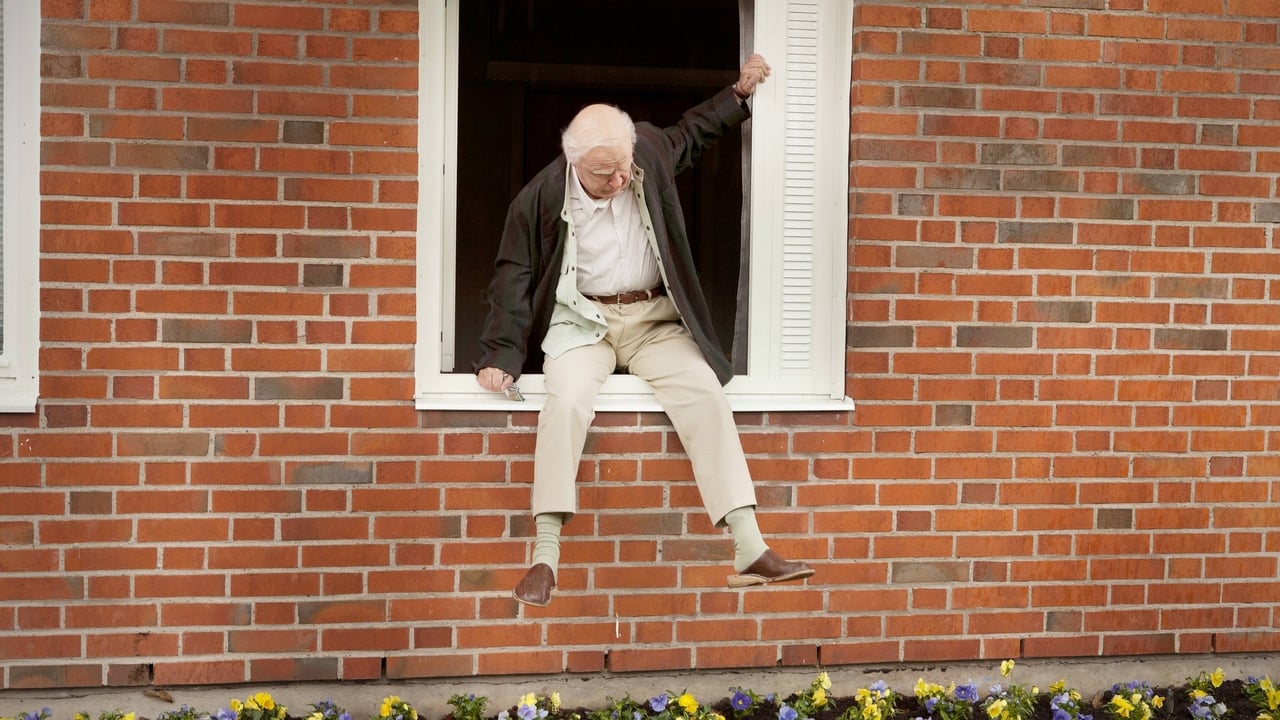
The historical flashbacks are where the film’s $9 million budget really earns its keep. For a Swedish production, the scale is impressive, spanning decades and continents with a dry, ironic wit. Director Felix Herngren maintains a brisk pace that prevents the episodic nature of the story from feeling like a chore. It’s essentially a Swedish Looney Tunes cartoon directed by a history professor who’s had three glasses of schnapps.
There’s a specific brand of Scandinavian humor at play here—it’s deadpan, slightly morbid, and entirely comfortable with the absurd. When a member of the criminal gang chasing Allan accidentally ends up frozen in a shipping container, the movie doesn't treat it as a tragedy or even a particularly big deal. It’s just another weird thing that happened on a Tuesday. This lack of sentimentality is what keeps the "drama" elements from becoming cloying. We aren’t asked to cry for Allan’s lost years; we’re asked to marvel at the fact that he’s still standing.
The supporting cast is equally game. Iwar Wiklander is fantastic as Julius, the petty thief who becomes Allan’s first companion on the road. Their chemistry feels like two old dogs who have decided that if the world is going to be crazy, they might as well be the ones driving the bus.
The Makeup that Almost Stole the Show
One of the coolest details about this film is its presence at the 88th Academy Awards. It wasn't nominated for Best Foreign Language Film or Screenplay, but for Best Makeup and Hairstyling. When you look at Robert Gustafsson, you aren't seeing a "Hollywood old man" (which usually just looks like a young actor with a dusty wig). You're seeing the translucent, spotted skin and the specific ear-droop of a genuine centenarian.
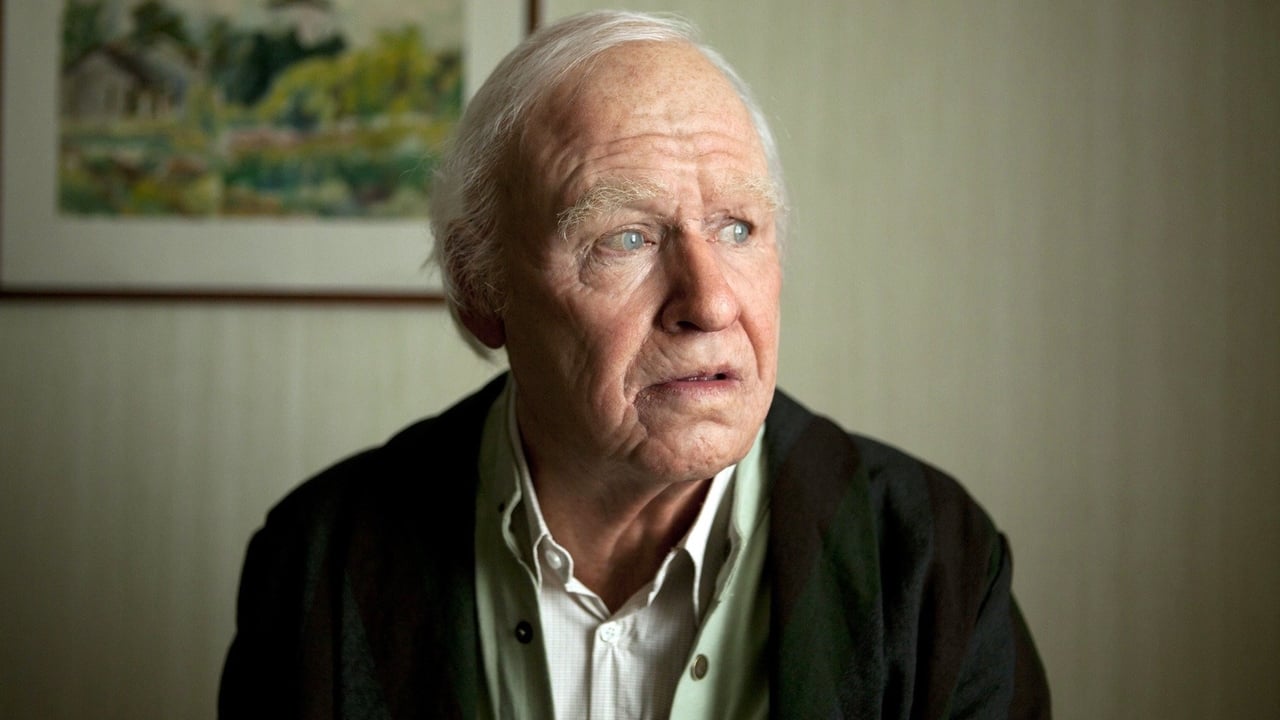
The makeup artists, Love Larson and Eva von Bahr, spent five hours a day transforming the lead actor. Apparently, the production was so convincing that locals in some of the shooting locations actually tried to help the "old man" cross the street, entirely unaware he was a famous comedian in his 40s. This technical excellence is vital because it grounds the absurdity. If Allan looked like a caricature, the movie would feel like a skit. Because he looks real, his interactions with historical figures like Stalin or Oppenheimer feel strangely plausible.
Despite being a massive hit in Europe, the film remains something of a hidden gem in North America. Perhaps it’s the subtitles, or perhaps the title is just a mouthful, but it’s a shame it isn't more widely cited. It arrived during that 2010s sweet spot where digital effects were finally getting good enough to allow international indies to play with "big" historical scopes without looking cheap.
The 100 Year-Old Man Who Climbed Out the Window and Disappeared is a rare bird: a high-concept comedy that actually has something to say about the randomness of existence. It suggests that the secret to a long life isn't healthy eating or moral purity, but a willingness to walk through whatever door—or window—opens next. If you’re looking for a film that balances slapstick with a cynical historical eye, this is your ticket. It’s a riotous reminder that it’s never too late to ruin a gangster’s day.
Keep Exploring...
-

Wizards of Waverly Place: The Movie
2009
-

Hector and the Search for Happiness
2014
-

Holes
2003
-

Casanova
2005
-
Maverick
1994
-

Sahara
2005
-

Fanboys
2009
-
The Secret Life of Walter Mitty
2013
-
Be Kind Rewind
2008
-

Nick and Norah's Infinite Playlist
2008
-
Nim's Island
2008
-

The Informant!
2009
-

Get Him to the Greek
2010
-

Morning Glory
2010
-

A Monster in Paris
2011
-
Winnie the Pooh
2011
-

Salmon Fishing in the Yemen
2012
-
The Odd Life of Timothy Green
2012
-

What to Expect When You're Expecting
2012
-

Filth
2013