The Book Thief
"In a world of fire, words are the only thing worth stealing."
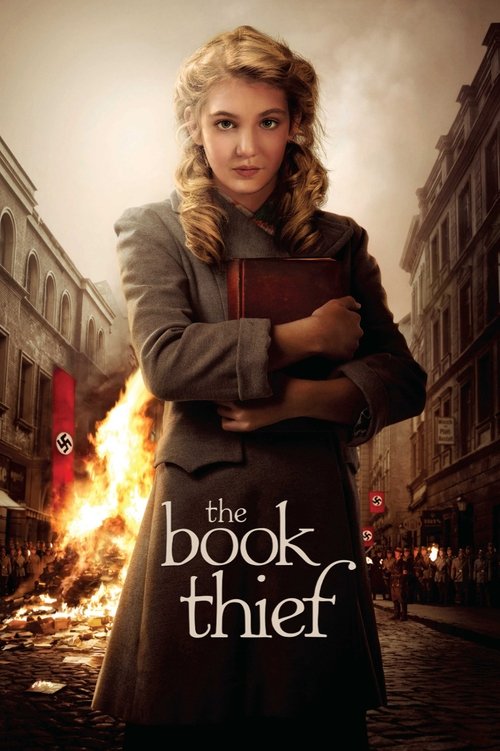
When a story begins with Death introducing himself as a weary traveler who "makes it a policy to avoid the living," you know you aren’t in for a standard Hollywood romp. The Book Thief arrived in 2013, a time when the mid-budget literary adaptation was starting to feel like a dying breed, squeezed out by the burgeoning MCU and the shift toward prestige television. Yet, there is something about this film that demands a quiet room and a focused mind. It’s a movie that treats its audience like adults while asking us to look through the eyes of a child.
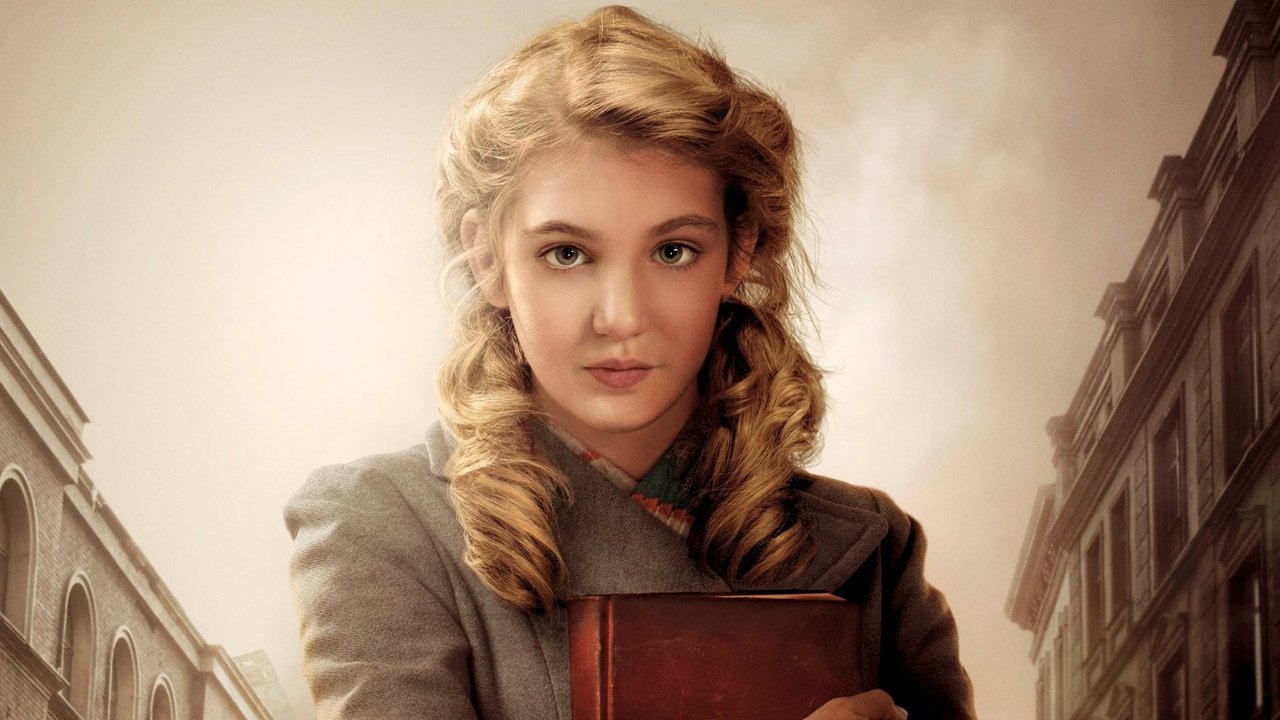
I watched this recently on a Tuesday night while trying to ignore the fact that my neighbor was loudly assembling what sounded like a flat-pack wardrobe through the wall. Despite the rhythmic hammering next door, the film’s atmosphere—a thick, snowy blanket of 1930s German melancholy—completely took over.
The Humanity in the Hubermanns
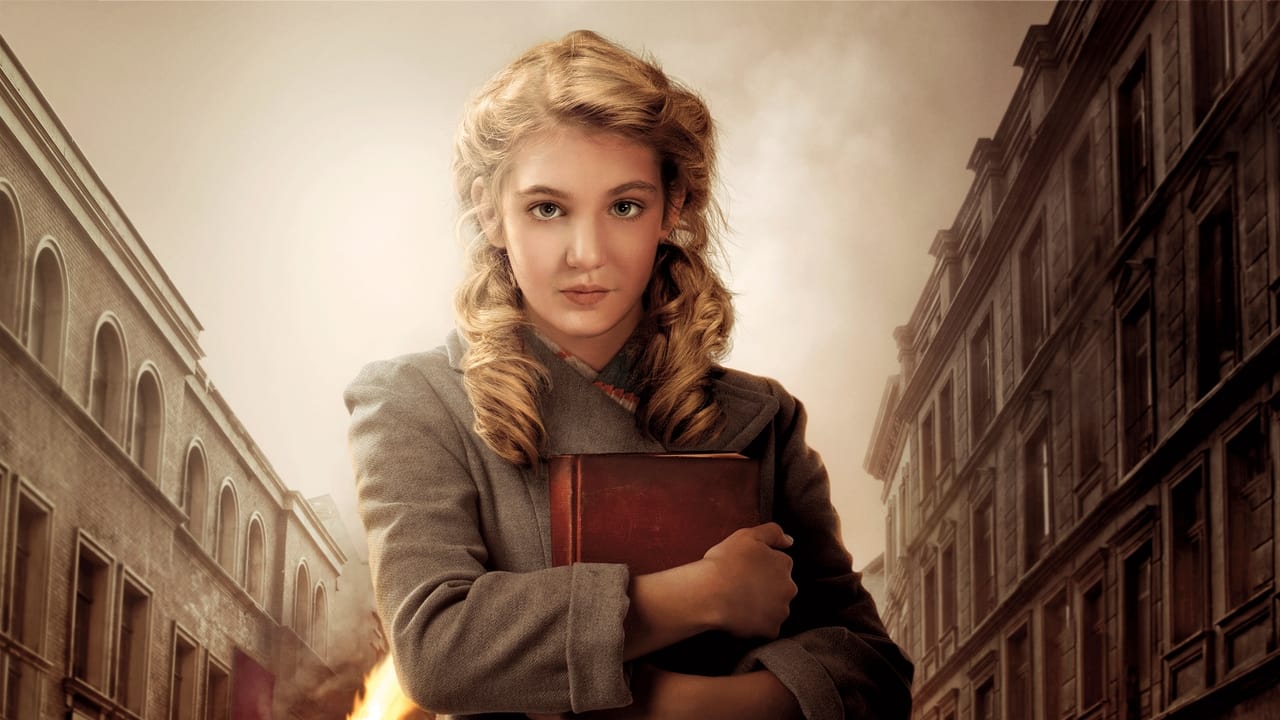
At its core, the film is a study of "ordinary" goodness in an extraordinary era of evil. Sophie Nélisse plays Liesel, a young girl sent to live with foster parents as the Nazi shadow lengthens over Germany. Nélisse is a revelation here; she manages to carry the weight of the film without the "precocious child actor" tropes that usually make me want to roll my eyes.
But the film truly breathes through the foster parents. Geoffrey Rush as Hans Hubermann is the father figure every lonely kid dreams of. He’s gentle, plays the accordion, and teaches Liesel to read in a basement "dictionary" scrawled on the walls. Rush brings a twinkly-eyed warmth that balances the sheer severity of Emily Watson’s Rosa.
Watson is incredible here. She spends the first half of the movie shouting "Saumensch!" (a choice German insult) and looking like she’s perpetually sucking on a lemon, but the slow thaw of her character is the film’s secret weapon. It’s a nuanced look at how some people wear armor made of spite just to survive the day-to-day grind of poverty and fear. When they take in Max (Ben Schnetzer), a Jewish refugee, the stakes shift from social survival to a literal life-and-death gamble.
A Philosophical Inventory of Words
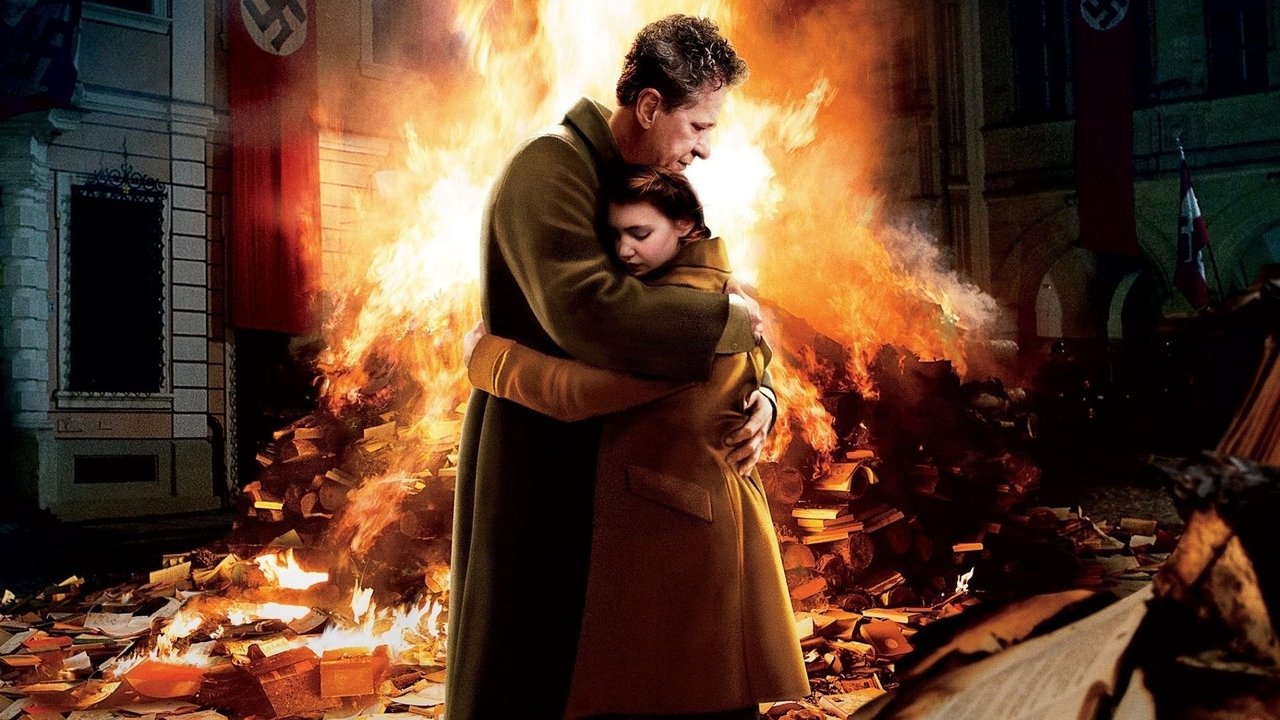
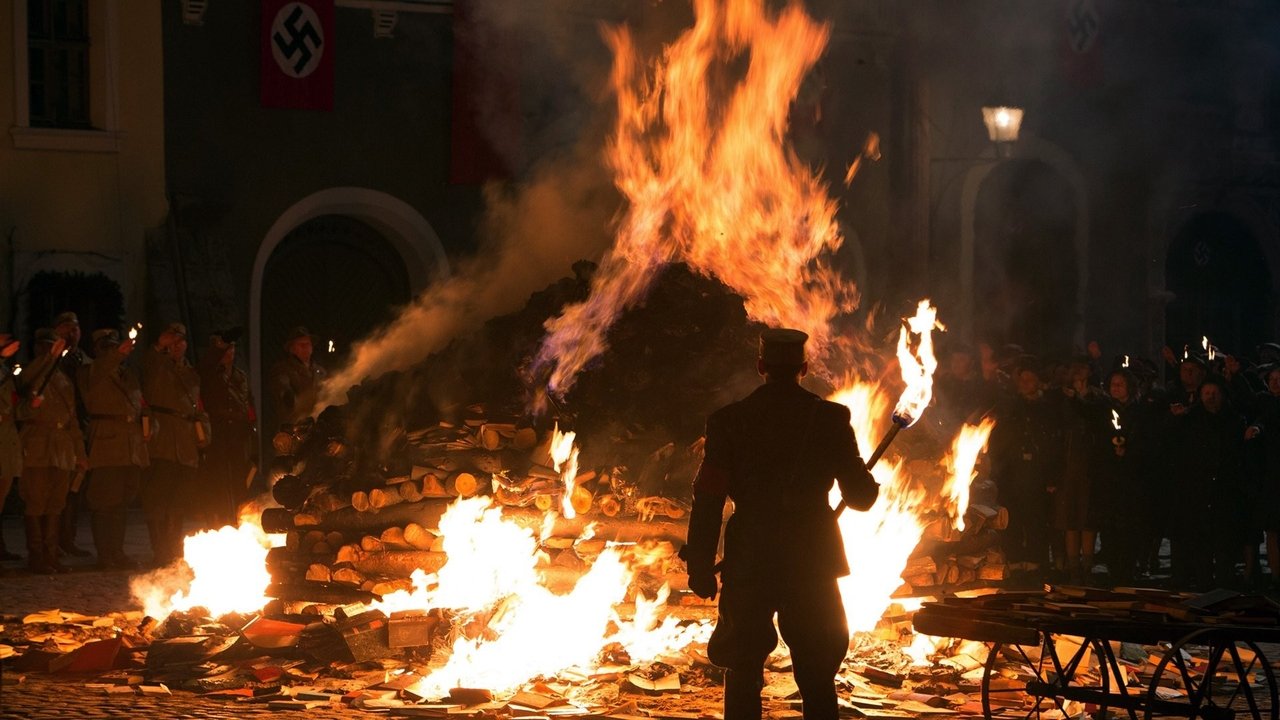
What makes The Book Thief feel "cerebral" isn't just the narration by Death (voiced with a velvet-smooth detachment by Roger Allam). It’s the film’s obsession with the power of language. In a regime that burns books to control thought, Liesel’s act of "thievery" is a profound reclamation of humanity.
The film asks us to consider: What do we own when we have nothing? For Liesel, it’s the stories she "borrows" from the Mayor’s library and the words she uses to keep a dying Max tethered to the world. There’s a beautiful, lingering shot of the basement wall covered in handwritten words—it’s a physical manifestation of an intellectual awakening. It reminded me that even in the 2010s, amidst the digital shift, there was still a deep cinematic reverence for the tactile nature of paper, ink, and the physical act of turning a page.
The cinematography by Florian Ballhaus captures this with a crisp, desaturated palette that makes the red of the Nazi flags look like open wounds against the snow. It’s a visual choice that keeps the horror of the era present without ever turning it into a "war movie" in the traditional sense. It’s a drama of interiors—of basements, hallways, and the private spaces of the mind.
The "Cult" of the Book Thief
While the film was a modest success, it has developed a devoted following among those who appreciate its refusal to be "fast." In an era of rapid-fire editing, director Brian Percival (of Downton Abbey fame) lets the camera linger. This pacing was criticized by some at the time, but looking back, it’s exactly what gives the film its staying power.
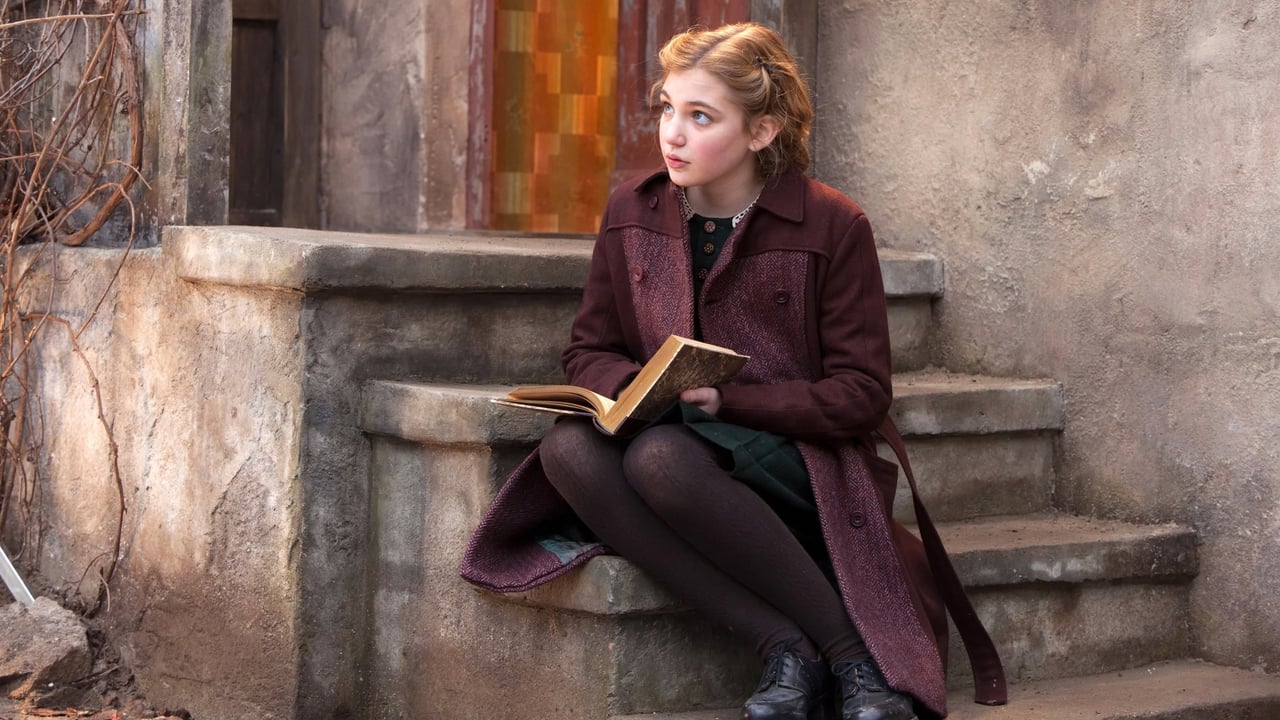
Here’s some of the stuff you might have missed about the production:
John Williams composed the score, marking one of the very few times in the last 30 years he worked on a film not directed by Steven Spielberg or George Lucas. You can hear that "classic" sensibility in every note. To keep the "stolen" books looking authentic, the prop department had to hand-age hundreds of volumes, though it’s funny to think that half the "library" scenes are just clever wallpaper and foam blocks. Ben Schnetzer’s portrayal of Max is heartbreaking, even if he occasionally looks less like a starving refugee and more like a lead singer for an early-2000s emo band. The snow on "Heaven Street" wasn't always real; the production used vast amounts of shredded paper and chemical foam, which must have been a nightmare for the actors to breathe in during those emotional outdoor scenes. * Sophie Nélisse was a competitive gymnast before being cast, and you can see that physical discipline in how she moves—there's a sturdiness to Liesel that feels earned.
The film handles the "banality of evil" with a soft touch that somehow makes the eventual tragedies hit harder. It doesn't rely on CGI spectacles or frantic pacing; it relies on the twitch of Geoffrey Rush’s smile and the terrifying silence of a town that has stopped asking questions.
In the end, The Book Thief is a meditation on why we tell stories at all. It suggests that while Death eventually gets everyone, he’s "haunted" by those who find beauty in the margins of a tragedy. It’s a film that earns its tears not through cheap manipulation, but by making us fall in love with a small group of people who decided that kindness was worth the risk of a firing squad. If you have two hours and a quiet house, it’s a journey well worth taking.
Keep Exploring...
-

The Wrestler
2008
-
Moonrise Kingdom
2012
-
Ip Man
2008
-

Moon
2009
-
Rush
2013
-
The Best Offer
2013
-
The Great Beauty
2013
-

Synecdoche, New York
2008
-
Awakenings
1990
-

What's Eating Gilbert Grape
1993
-
Boogie Nights
1997
-
10 Things I Hate About You
1999
-
Girl, Interrupted
1999
-
Magnolia
1999
-

I Am Sam
2001
-
Coach Carter
2005
-

Three Steps Above Heaven
2010
-

Wolf Children
2012
-

The Garden of Words
2013
-

The Legend of 1900
1998