The Butler
"The witness to history who never said a word."

I remember watching this for the first time on a sagging IKEA sofa that had definitely seen better days, trying to navigate a plate of overly-ambitious homemade nachos while Forest Whitaker stood perfectly still on my screen. There’s something about the way Whitaker carries himself as Cecil Gaines that makes you want to sit up straighter, even when you’re elbow-deep in melted cheese. It’s a performance of such immense, bottled-up restraint that it makes the surrounding chaos of the 20th century feel even louder.
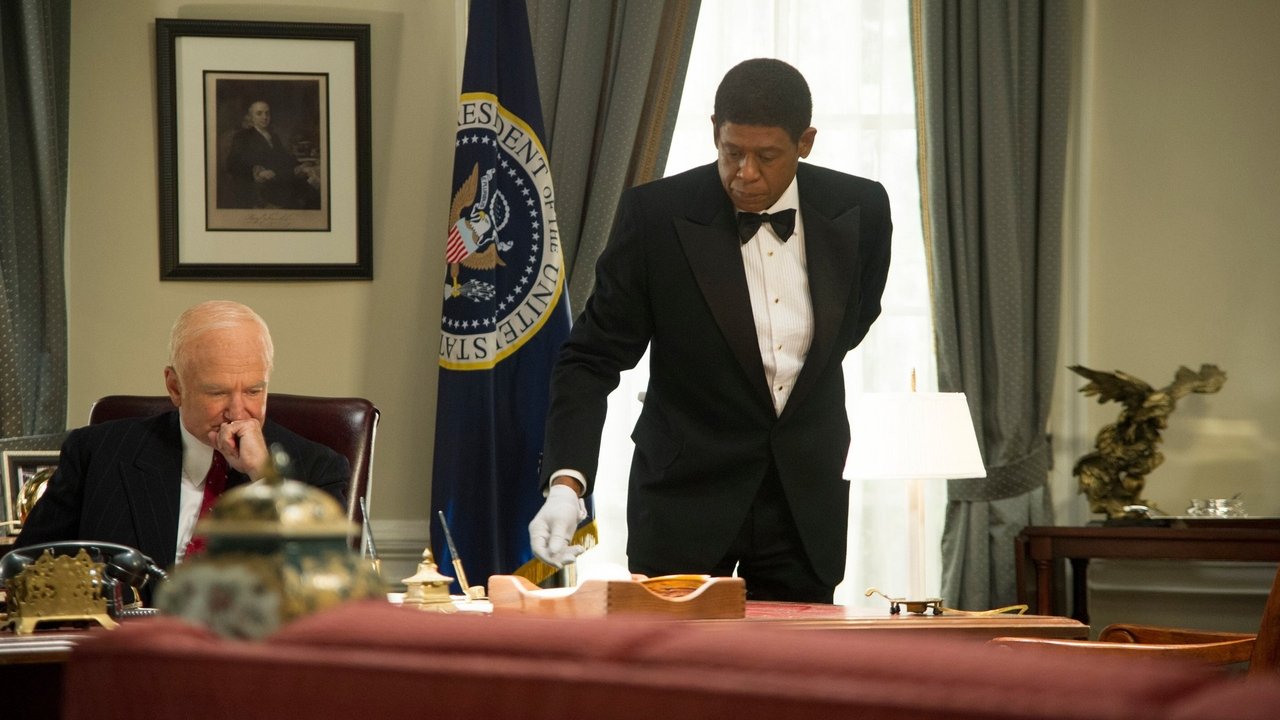
Looking back from a decade out, The Butler (or Lee Daniels' The Butler, if you’re a stickler for the legal drama surrounding its title) feels like a quintessential piece of early 2010s prestige cinema. It arrived during a specific window in Hollywood when the "history lesson movie" was being recalibrated through a more personal, often more painful lens. Directed by Lee Daniels, who previously gave us the raw intensity of Precious, the film manages to be both a sprawling epic and a claustrophobic family drama. It’s a balancing act that shouldn't work, yet somehow, it hits the mark.
The Art of Disappearing
The core of the film isn't the presidents or the Oval Office; it’s the quiet war between Cecil and his son, Louis, played with a scorching intensity by David Oyelowo (who was just a year away from his definitive turn as MLK in Selma). Cecil’s philosophy is built on the idea of the "two faces"—the one you show white people to survive and the one you keep for yourself. He views his service in the White House as a pinnacle of achievement for a Black man born on a 1920s cotton plantation. Louis, however, sees his father’s white gloves as shackles.
The chemistry between Whitaker and Oyelowo is the engine of the movie. While the script by Danny Strong (who showed a similar knack for political theater in Game Change) tracks the macro-movements of the Civil Rights era, the real stakes are found in the Gaines kitchen. I found myself far more invested in whether Cecil and Louis would ever share a meal again than I was in the next presidential transition. It’s a reminder that history isn’t just made in high-ceilinged rooms; it’s felt at the dinner table.
A Surreal Presidential Pageant
One of the most discussed aspects of the film during its 2013 release was the "celebrity bingo" of its casting. Seeing Robin Williams as Dwight D. Eisenhower or James Marsden as JFK is a bit of a trip. However, the prize for the most bafflingly inspired choice has to go to John Cusack as Richard Nixon, who looks less like the 37th President and more like a guy who accidentally wandered into the wrong biopic. It’s distracting for about five minutes, and then, strangely, it starts to work. The film treats these historical titans as transient guests in Cecil’s workspace—they are the ones who come and go, while the butler remains the constant.
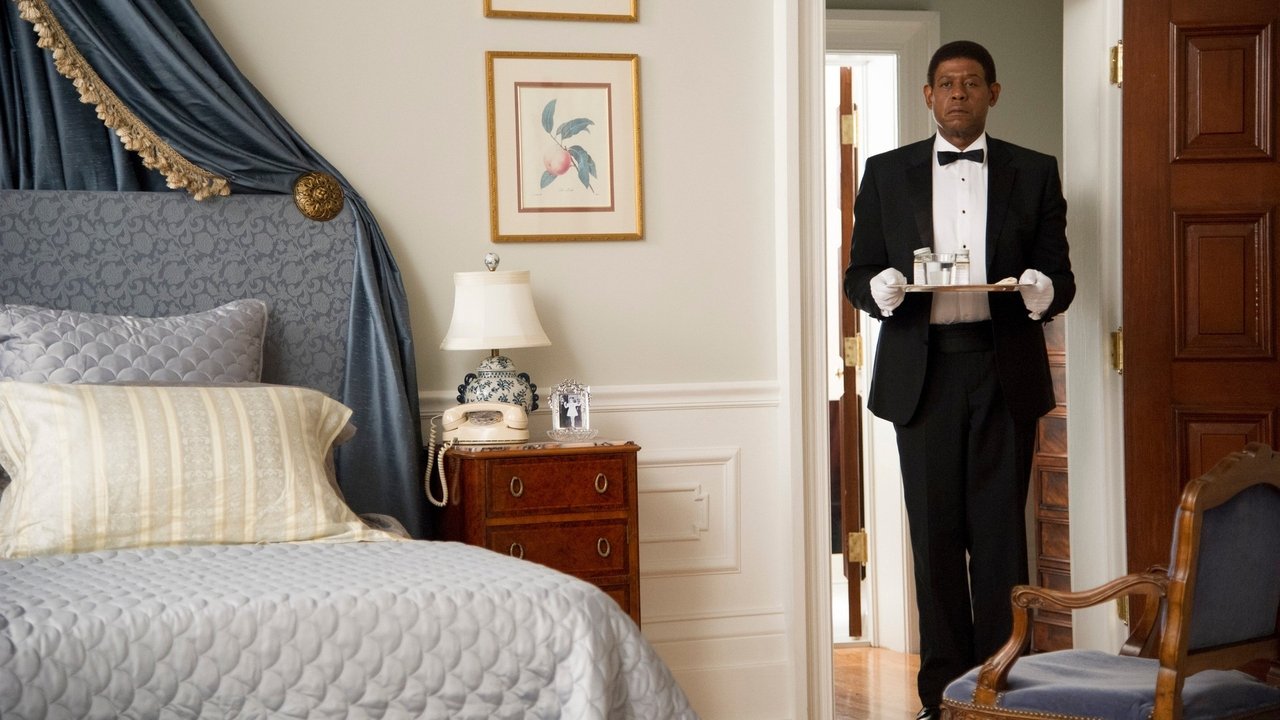
The production itself was a bit of a miracle. Despite the star power, Lee Daniels had to hustle for funding, eventually cobbling together a $25 million budget from 41 different producers. In the era of the $200 million franchise starter, The Butler was a gamble on a mid-budget adult drama. The gamble paid off spectacularly, raking in over $177 million. It proved that audiences were hungry for stories that tackled the messy, unvarnished parts of the American narrative, provided they were anchored by a heart-wrenching performance.
The Oprah Factor
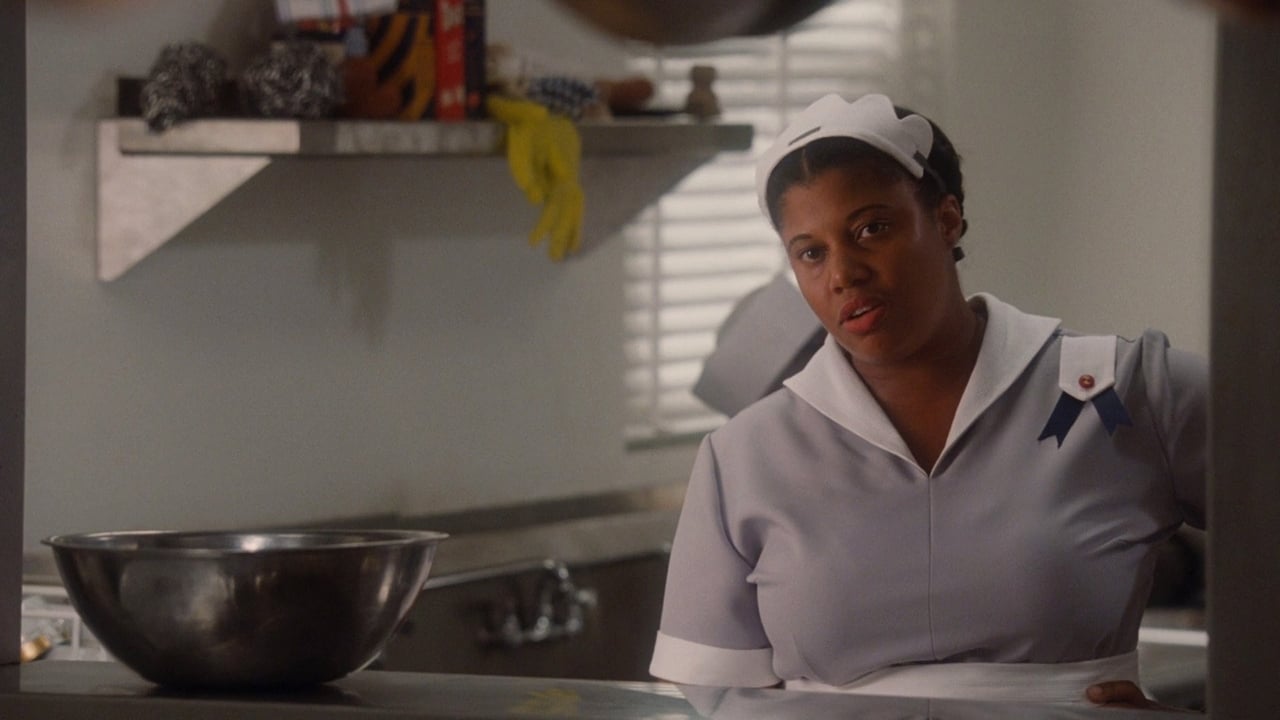
We have to talk about Oprah Winfrey. After a 15-year hiatus from acting, she returned here as Gloria Gaines, Cecil’s wife. If Whitaker is the film’s spine, Oprah is its nervous system. She brings a messy, humid, complicated energy to Gloria that prevents the movie from becoming too saintly or "important." Her struggle with alcoholism and loneliness while Cecil is busy pouring tea for the most powerful men on Earth adds a necessary layer of domestic friction.
There’s a specific scene where she’s getting ready for a night out, and the way she handles a cigarette and a glass of wine tells you more about the 1960s housewife experience than a dozen textbooks. It’s a performance that reminds you she’s a formidable actress when she isn't busy being a global icon. It’s also worth noting the smaller roles—Cuba Gooding Jr. and Lenny Kravitz as Cecil’s fellow staff members provide a much-needed sense of camaraderie and "backstairs" reality.
A Modern Retrospective
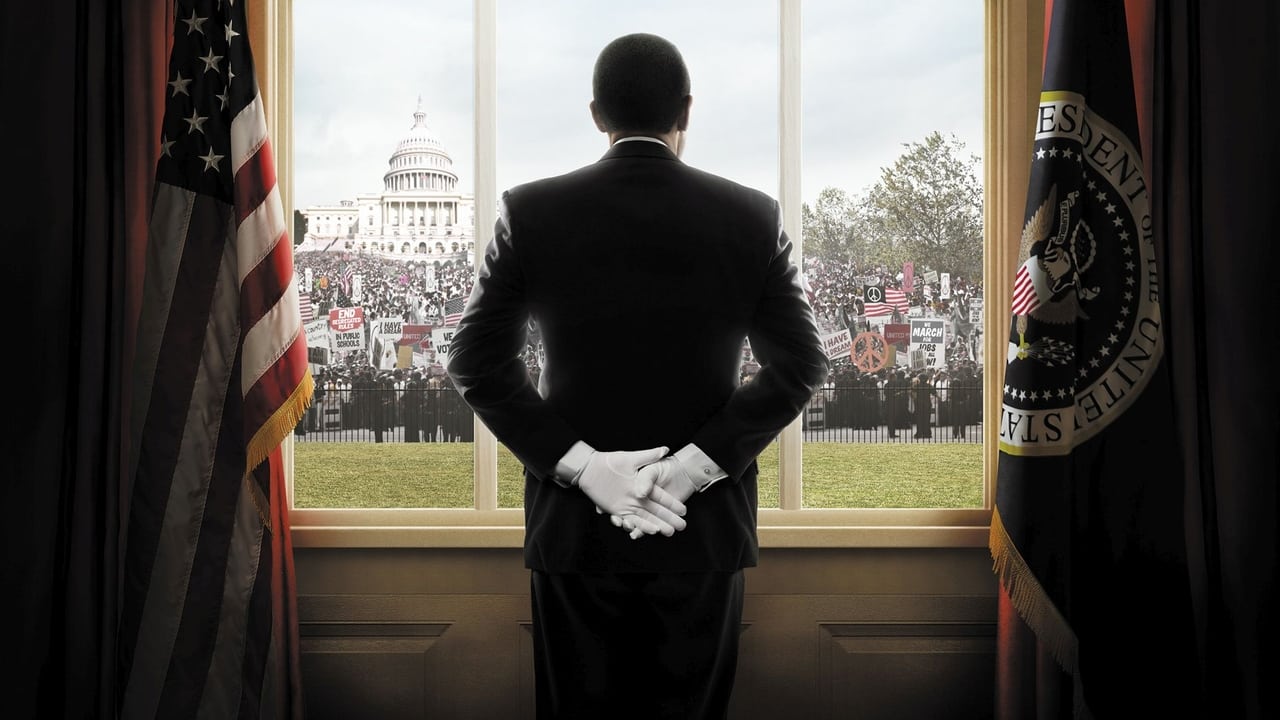
Revisiting The Butler now, in an era where the digital vs. film debate has mostly settled, you can see the beauty in Andrew Dunn’s cinematography. It has a warmth and a grain that feels appropriate for a story spanning decades. The transition from the harsh, sun-bleached tragedy of the opening scenes to the polished, hushed hallways of the White House is handled with a grace that mirrors Cecil’s own social climbing.
While the film occasionally veers into the sentimental—Lee Daniels isn't exactly known for his subtlety—it earns its tears. It’s a movie that captures the transition of an era, not just through the legislation signed by the men Cecil serves, but through the changing silhouette of the man himself. By the time we reach the conclusion, which ties Cecil’s journey to the 2008 election, the emotional payoff feels less like a political statement and more like a personal victory for a man who spent his life waiting for the world to catch up to him.
The film is a sturdy, emotional achievement that manages to turn the "Great Man" theory of history on its head. By focusing on the man holding the tray rather than the man holding the pen, it offers a perspective that feels both intimate and expansive. Even if some of the presidential cameos feel like high-end wax museum figures, the central performances by Whitaker and Winfrey are grounded, soulful, and deeply human. It’s the kind of drama that lingers long after the credits roll, making you rethink every silent witness you’ve ever overlooked.
Keep Exploring...
-
Precious
2009
-
Jack Reacher
2012
-
21
2008
-
Burn After Reading
2008
-

Forgetting Sarah Marshall
2008
-

High School Musical 3: Senior Year
2008
-
Step Up 2: The Streets
2008
-
The Reader
2008
-
Vantage Point
2008
-

Hannah Montana: The Movie
2009
-
He's Just Not That Into You
2009
-

The Blind Side
2009
-
The Proposal
2009
-

Up in the Air
2009
-

Black Swan
2010
-

Dear John
2010
-
Love & Other Drugs
2010
-

Step Up 3D
2010
-
The Fighter
2010
-
The Karate Kid
2010