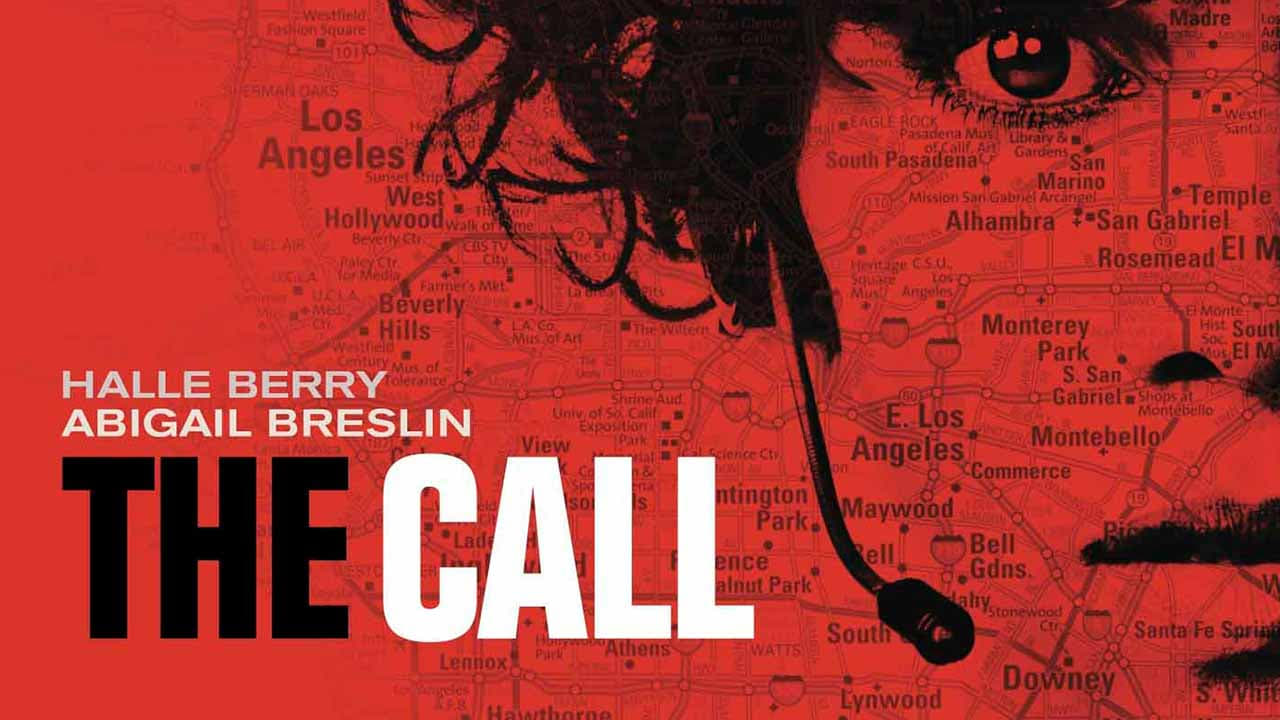
The Call
"Life is on the line, and she's losing the signal."
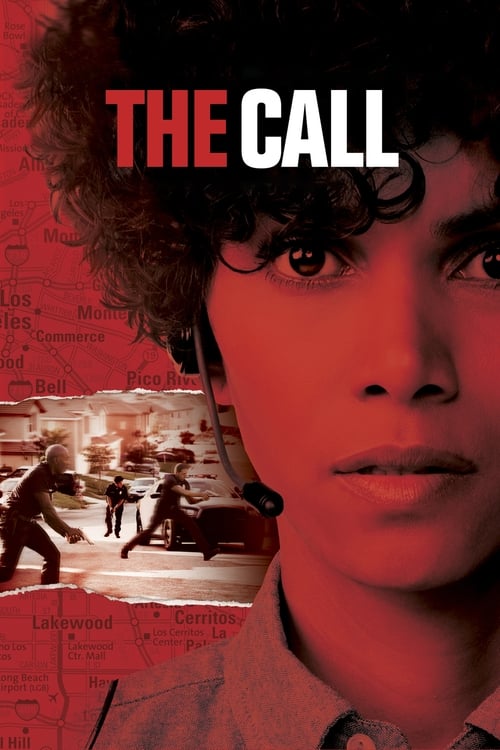
The 911 operator is the ghost in the machine of the American emergency system—a disembodied voice tasked with holding back the tide of chaos using nothing but a headset and a keyboard. In the first forty minutes of Brad Anderson’s The Call, that headset feels like a crown of thorns. Released in 2013, a year when we were all transitioning from the clunky reliability of the Blackberry to the sleek ubiquity of the iPhone, this film taps into a very specific brand of "dead zone" anxiety. It’s a high-concept thriller that starts as a taut, procedural masterclass and ends as something much weirder, much darker, and arguably much stupider. I loved almost every minute of the ride, even when the wheels didn't just fall off—they disintegrated into a fine powder.
I watched this recently on a Tuesday night while eating a bowl of slightly burnt popcorn, and honestly, the char on the kernels matched the grimy, soot-stained energy of the film's final act perfectly.
The High-Wire Act of the Hive
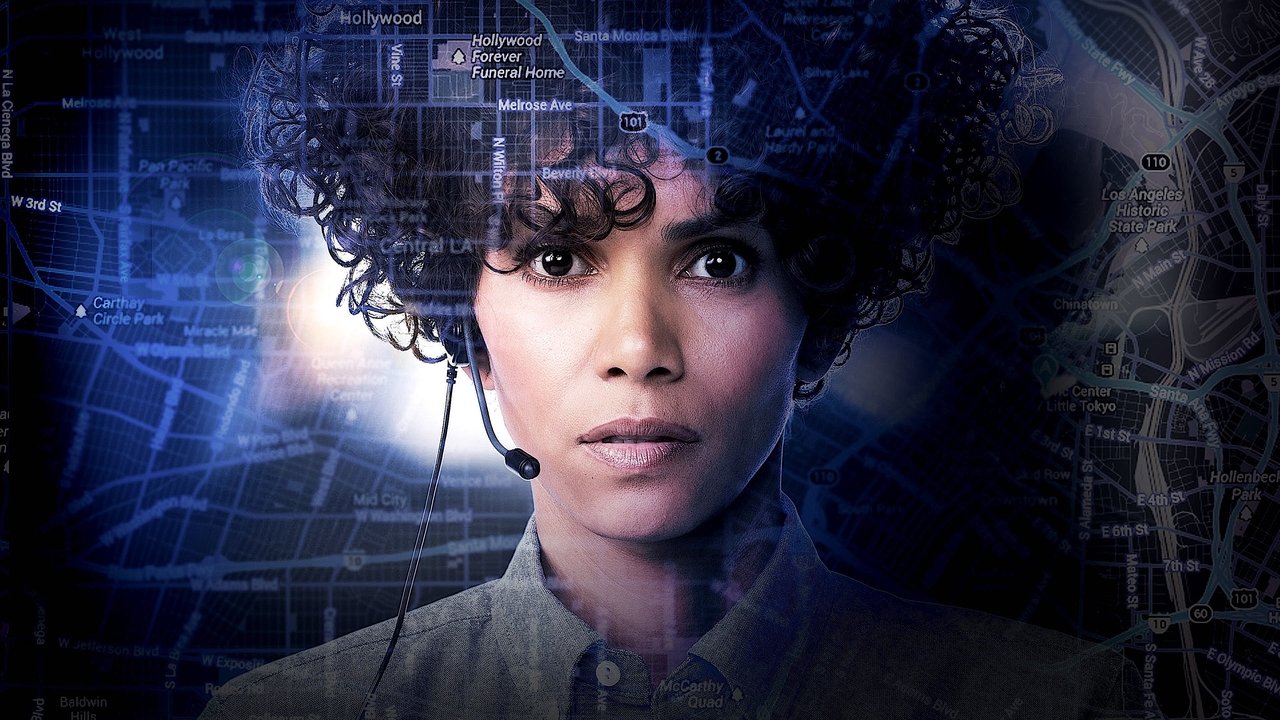
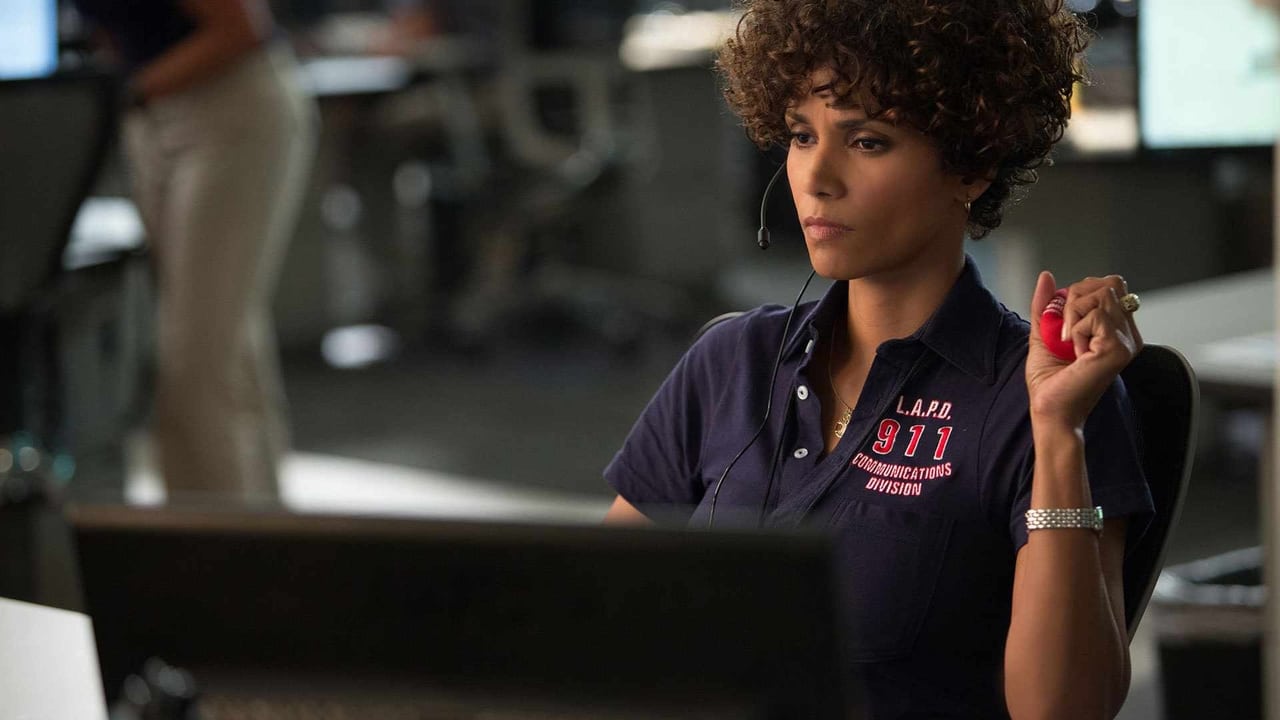
The film centers on Jordan Turner, played by a fiercely committed Halle Berry (who you might recall from X-Men or her Oscar-winning turn in Monster’s Ball). Jordan works in "The Hive," the high-tech nerve center of the LAPD’s emergency response. After a tragic mistake during a home invasion call leads to a young girl's death, Jordan is a shell of her former self. But when Casey Welson (Abigail Breslin, looking very different from her Little Miss Sunshine days) is snatched from a mall parking lot and stuffed into the trunk of a car, Jordan is the only one who can talk her through the nightmare.
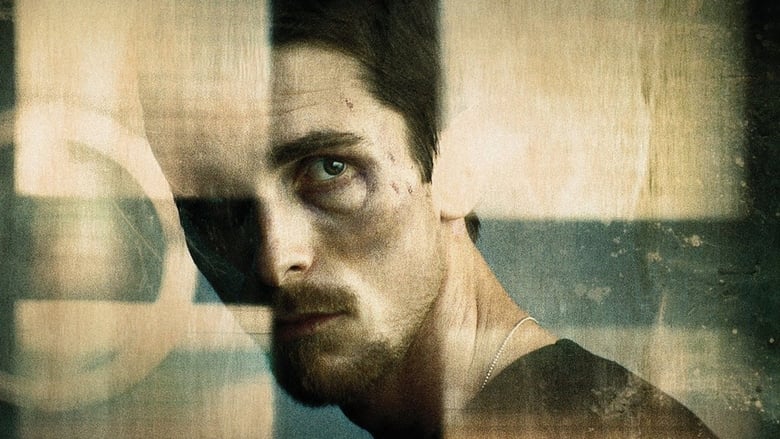
The first two-thirds of this movie are genuinely spectacular. It’s a "bottle movie" that refuses to stay in the bottle. We oscillate between the sterile, blue-lit tension of the call center and the suffocating, dusty darkness of a Lincoln Town Car’s trunk. Brad Anderson, who directed the cult-classic psychological horror Session 9 and the skeletal Christian Bale vehicle The Machinist, knows exactly how to squeeze a frame until the audience gasps for air.
Interestingly, Halle Berry actually spent time at a real 911 call center to prepare, and she captures that specific cadence—the forced calm, the rhythmic typing, the way these operators have to compartmentalize horror in real-time. It’s a performance that grounds a movie that eventually decides to go completely off the rails.
A Time Capsule of Tech and Terror
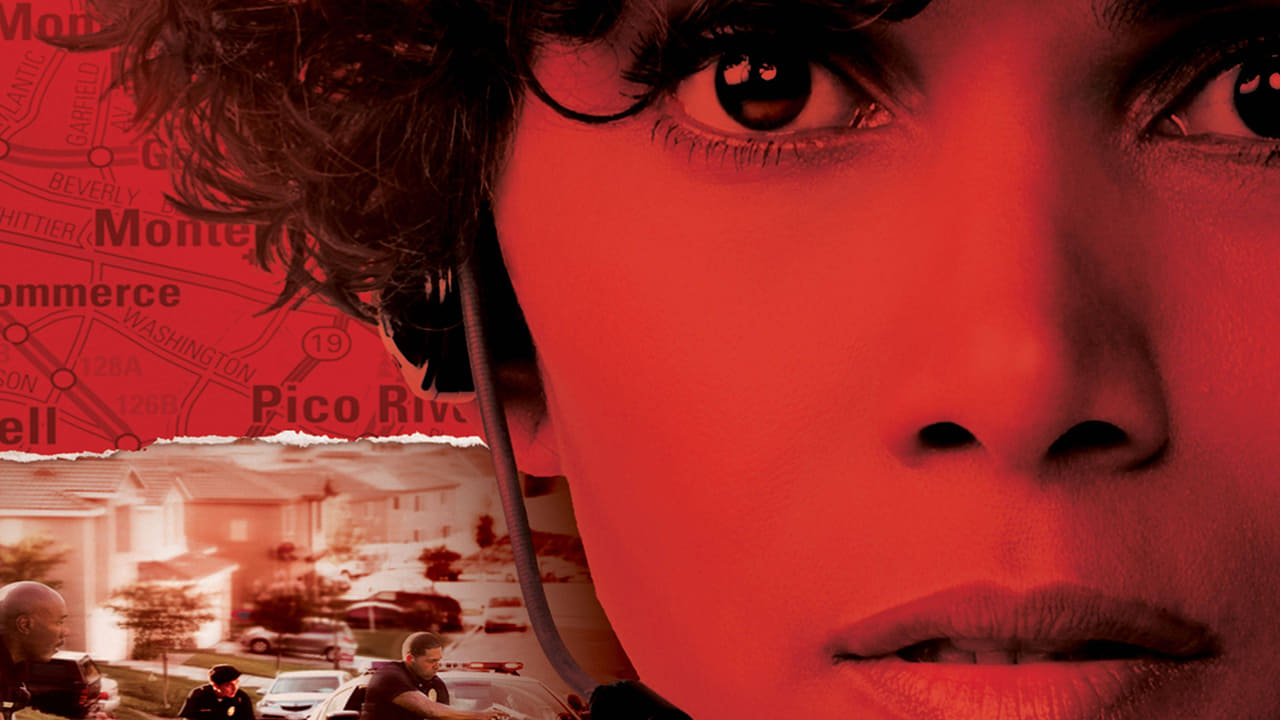
Looking back from a decade later, The Call serves as a fascinating relic of early 2010s technology. The entire plot hinges on a "disposable" prepaid phone that doesn't have a GPS chip, forcing Jordan to use old-school detective logic to track a moving vehicle. It captures that post-9/11 "surveillance state" anxiety but reminds us that, in 2013, the system was still full of holes.
The villain, Michael Foster, is played by Michael Eklund with a twitchy, terrifying intensity. Apparently, Eklund stayed away from Abigail Breslin during the entire shoot to ensure her fear felt authentic when they finally shared the screen. It worked; Breslin’s performance is harrowing, mostly because she spent a huge portion of the production actually locked in a cramped, dark car trunk.
The film was a massive hit for WWE Studios—yes, the wrestling people—which explains the presence of David Otunga as a cop and Morris Chestnut as Jordan’s love interest/officer Paul Phillips. It has that punchy, mid-budget energy that feels increasingly rare in an era of $200 million blockbusters. It’s a B-movie with an A-list engine.
When the Thriller Hits the Floorboards
Then we get to the third act. I won't spoil the specifics, but let’s just say the movie stops being a grounded procedural and starts being a subterranean slasher flick. This is where the "Cult Classic" DNA really kicks in. The shift is so jarring it’s almost admirable. Halle Berry’s hair in this movie looks like a sentient sponge that’s trying to escape her scalp, and as the plot gets wilder, the hair seems to gain more power.
There’s a legendary bit of trivia involving the ending: the original script had a much more "Hollywood" conclusion involving the police saving the day. But after some test screenings and creative pivots, they went with a finale that is—to put it mildly—a glorious middle finger to the American judicial system. It is deeply satisfying in a way that makes you feel like you need a shower afterward.
Even Michael Imperioli (Christopher from The Sopranos) pops up for a brief, memorable stint that reminds you this film isn't afraid to be mean. It’s a movie that understands that sometimes, the audience doesn't want justice; they want a pound of flesh.
The Call is the ultimate "Saturday Night" movie. It’s lean, mean, and features a performance from Halle Berry that treats the material with way more respect than it probably deserves. While the final twenty minutes jump the shark into a different genre entirely, the sheer momentum of the "trunk scenes" makes it a highlight of early 2010s thrillers. It’s a reminder that before everything was a franchise, we could still get a standalone, mid-budget heart-pounder that knew exactly how to push our buttons. If you can handle the shift from logic to lunacy, it's a call worth taking.
Keep Exploring...
-
The Machinist
2004
-
Crank: High Voltage
2009
-
Faster
2010
-
The Next Three Days
2010
-
Colombiana
2011
-
The Lincoln Lawyer
2011
-
The Mechanic
2011
-
Contraband
2012
-
End of Watch
2012
-
Killing Them Softly
2012
-
Man on a Ledge
2012
-
Premium Rush
2012
-
Safe
2012
-
Savages
2012
-
Out of the Furnace
2013
-
Side Effects
2013
-
The Last Stand
2013
-
A Walk Among the Tombstones
2014
-
Deliver Us from Evil
2014
-
RocknRolla
2008