The Conjuring
"The silence hides a rhythm you can't escape."
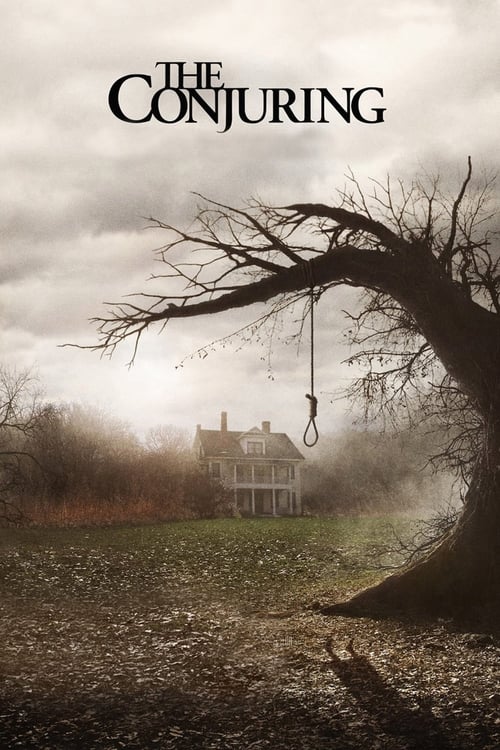
By 2013, I honestly thought the horror genre had run out of ways to hide in the dark. We were deep in the woods of the "found footage" fatigue, where every scary movie was a shaky-cam exercise in motion sickness, or a "torture porn" relic that focused more on the anatomy of a scream than the psychology of a scare. Then James Wan—the man who ironically kicked off the gore-fest era with Saw (2004)—walked back into the room with a metronome, a flashlight, and a 1970s aesthetic that felt more "analog" than anything we’d seen in a decade.
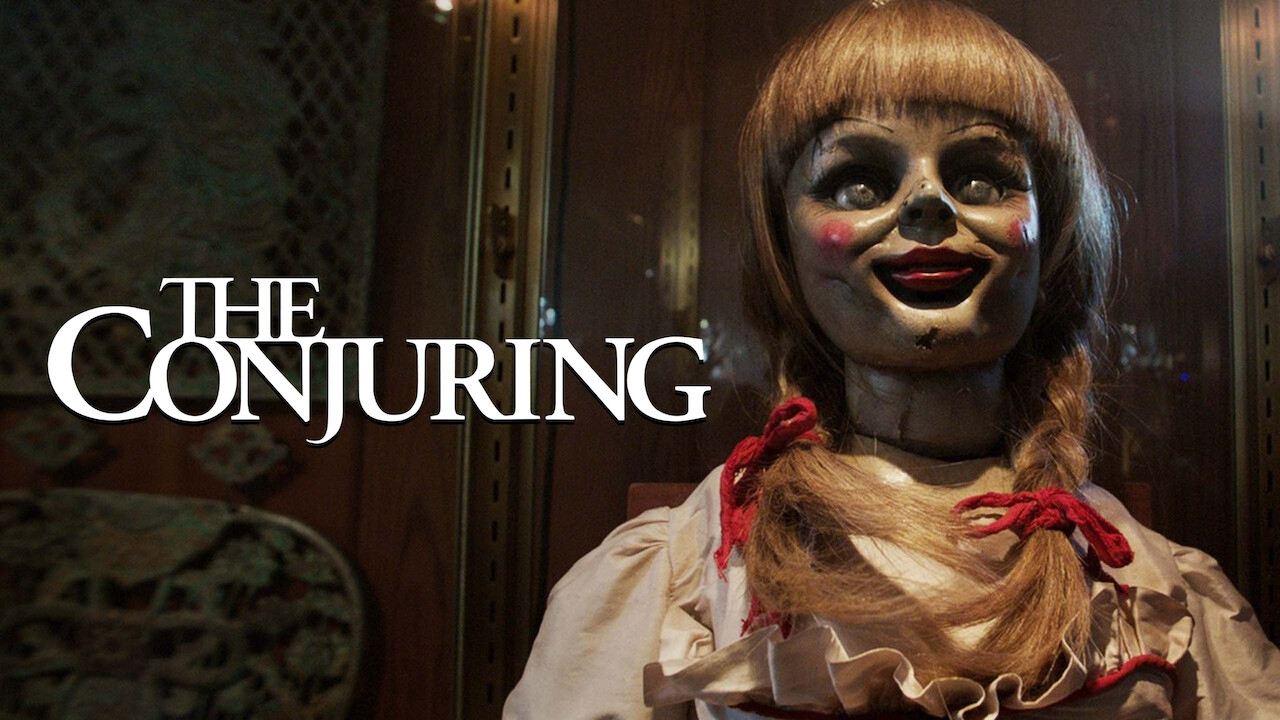
I watched this film on a rainy Tuesday while my neighbor was aggressively hammering something into his wall, and every rhythmic thud from next door made me jump three feet off my sofa. That’s the power of The Conjuring. It weaponizes the space between sounds.
The Architect of Modern Dread
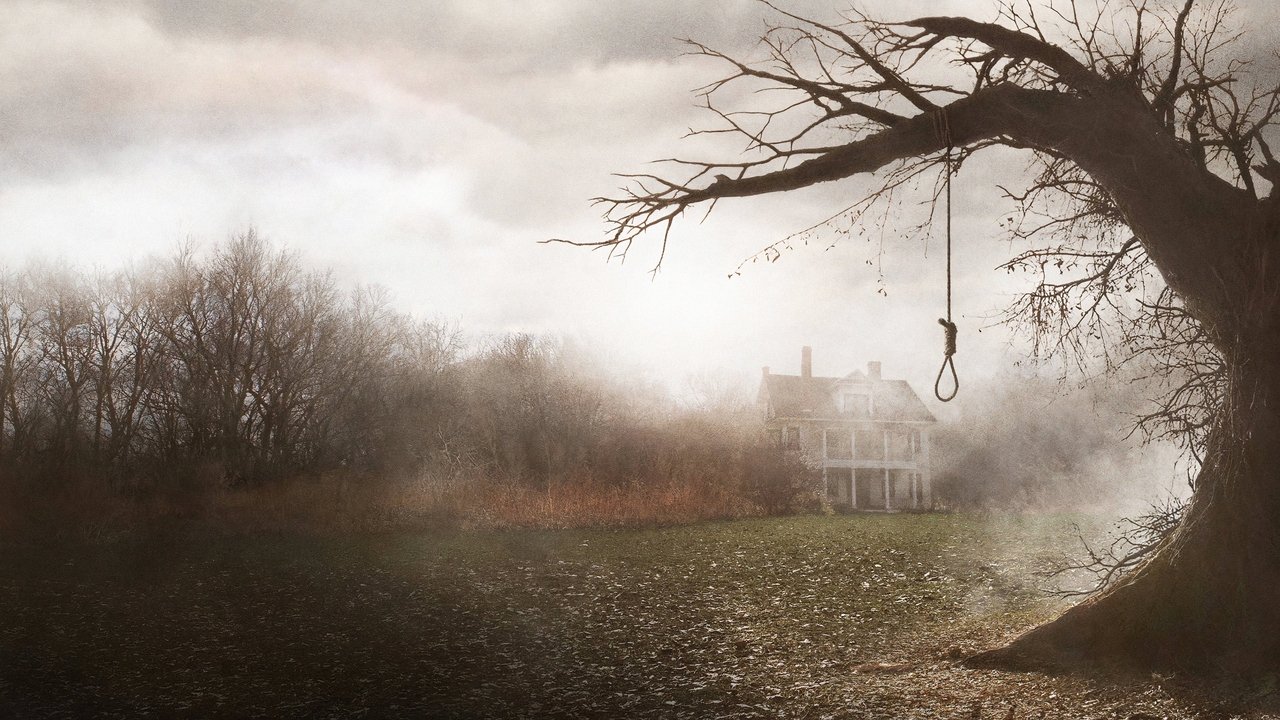
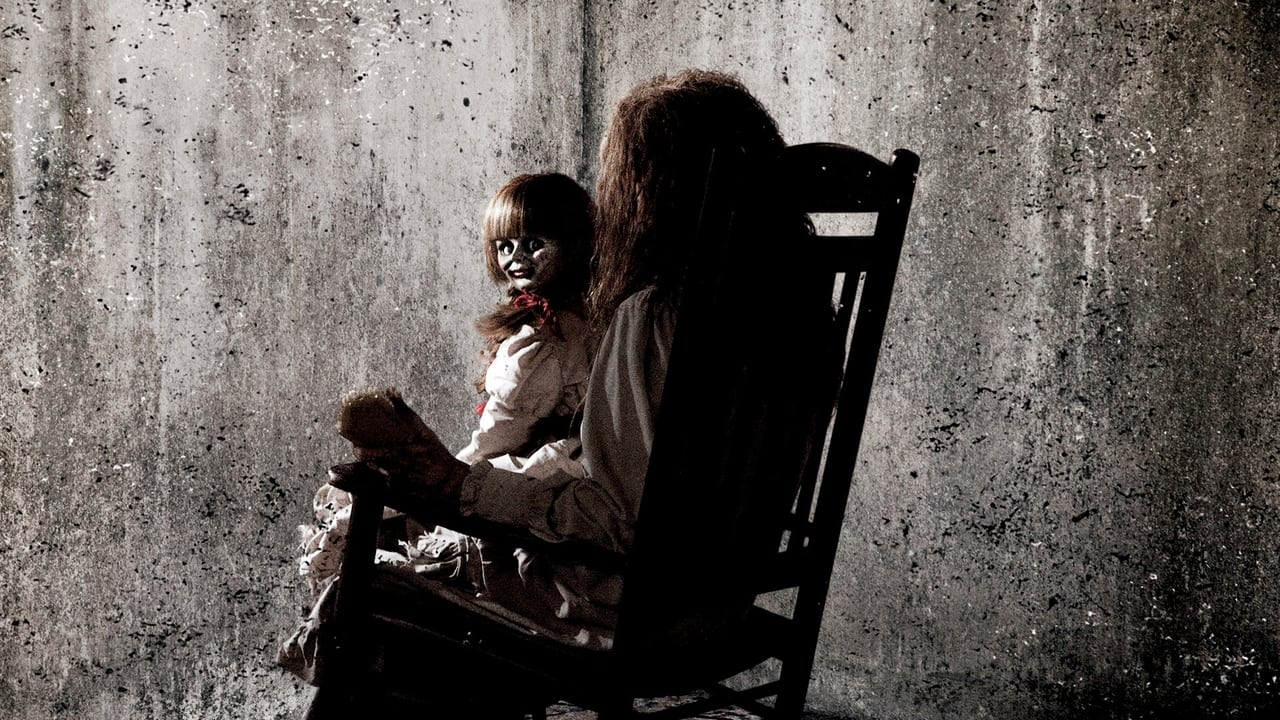
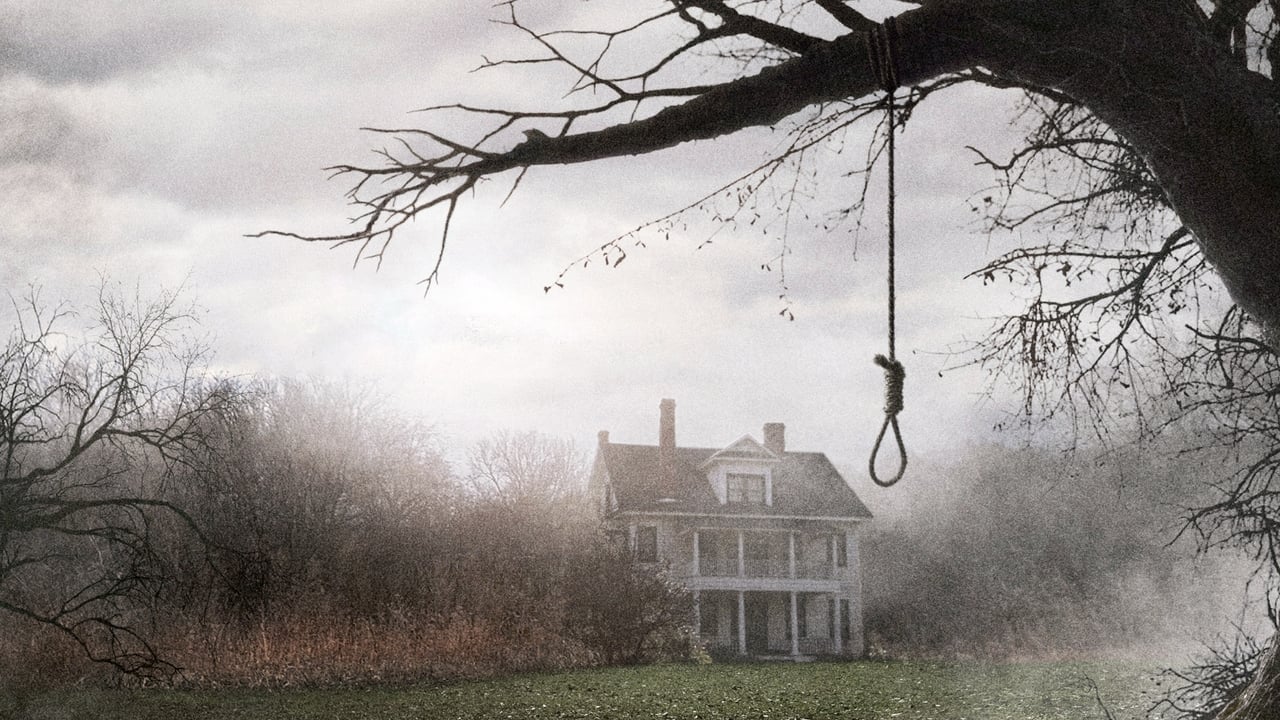
Looking back, The Conjuring feels like the moment horror regained its dignity. James Wan didn't just direct a ghost story; he built a clockwork machine of tension. While other directors were leaning heavily on CGI spirits that looked like rejected video game bosses, Wan leaned into the "less is more" philosophy. He uses long, wandering takes that follow the Perron family through their dilapidated Rhode Island farmhouse, forcing your eyes to scan every dark corner of the frame. You’re constantly waiting for something to move, and the cruelty of the film is that, often, nothing does—until it’s too late.
The cinematography by John R. Leonetti (who also shot Insidious and later directed Annabelle) captures that muted, autumnal palette of the 1970s. It doesn't feel like a modern movie "doing" the seventies; it feels like a lost reel from the era of The Exorcist or The Changeling. Even though it was shot on the Arri Alexa—a digital camera—it has a texture that feels heavy and lived-in.
Professionalism in the Face of Evil
What really anchors the darkness here isn't the ghost; it’s the Warrens. Vera Farmiga and Patrick Wilson bring a level of gravitas to Ed and Lorraine Warren that usually isn't afforded to paranormal investigators. Vera Farmiga is particularly haunting as Lorraine, playing her with a fragile, wide-eyed intensity that suggests she’s seeing things that would melt a normal person’s brain. They don't feel like "ghost hunters" from a low-rent cable show; they feel like weary professionals.
Opposite them, Lili Taylor gives a harrowing performance as Carolyn Perron. The scene with the "Hide and Clap" game remains one of the most effective sequences in modern cinema because it plays on a primal, childhood fear. Most modern horror films use jump scares like a cheap sugar rush, but Wan uses them like a precision-guided missile. He earns the scream by making you sit in the silence for just a few seconds longer than you’re comfortable with.
A Cultural Juggernaut in a Small Package
It’s easy to forget how much of a gamble this was. New Line Cinema took a $13 million budget—a modest sum even then—and turned it into a $312 million global phenomenon. In an era where Hollywood was obsessed with "franchise-first" thinking, The Conjuring was a rare beast: a standalone film that felt so complete and rich that an entire universe (the "Conjuring-verse") was almost demanded by the public.
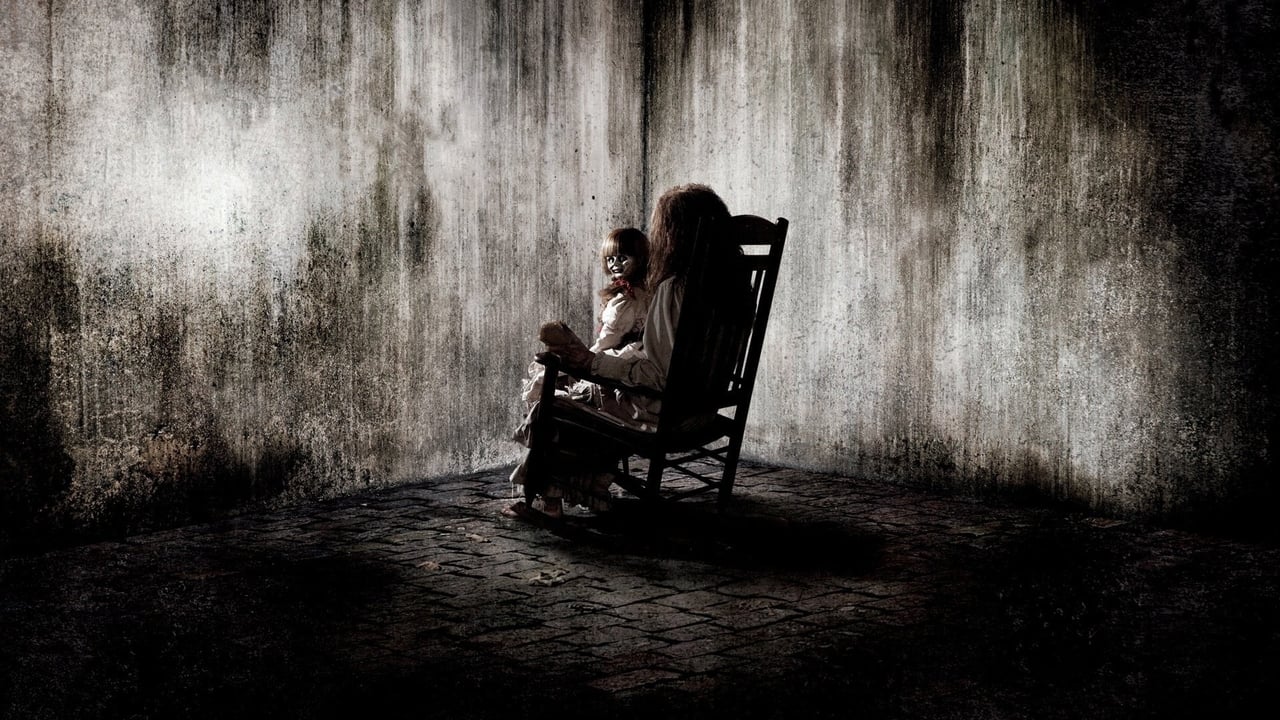
The production trivia is just as unsettling as the film itself. Apparently, the real Perron family visited the set, and members of the crew reported strange gusts of wind that didn't move the nearby trees. Even more impressively, the MPAA originally gave the film an 'R' rating not because of gore, sex, or profanity, but simply because it was "too scary." There were no edits that could be made to get a PG-13; the vibe itself was deemed too intense for younger audiences. That is the ultimate badge of honor for a horror director.
The sound design by Joseph Bishara (who also plays the central entity in the film) deserves a shout-out. The score doesn't just provide "stingers" for the jumps; it creates a dissonant, screeching atmosphere that feels like nails on a chalkboard for your soul. It’s an oppressive experience that leaves you feeling drained by the time the credits roll.
The Conjuring succeeded because it respected the audience's intelligence and their heart rate. It didn't rely on digital trickery to create fear; it used shadows, floorboards, and the sheer talent of its cast to remind us why we’re afraid of the dark. Looking back at the 2010s, it stands as the gold standard for the "haunted house" subgenre—a film that proved you don't need a massive budget to create a massive impact. Just a couple of claps in the dark and a director who knows exactly when to pull the trigger.
Keep Exploring...
-

The Conjuring 2
2016
-
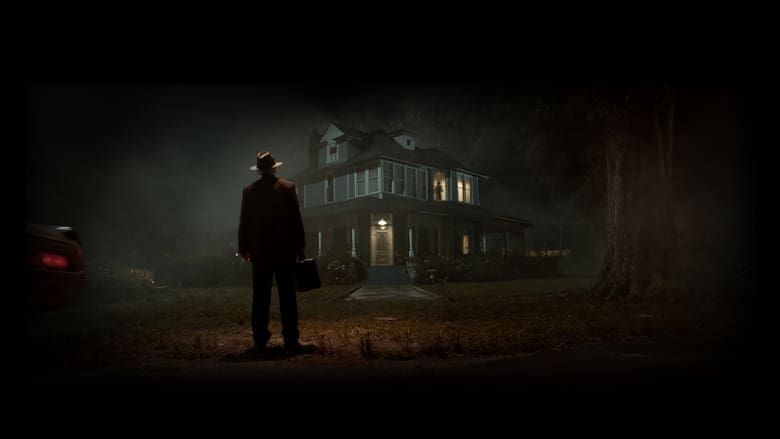
The Conjuring: The Devil Made Me Do It
2021
-
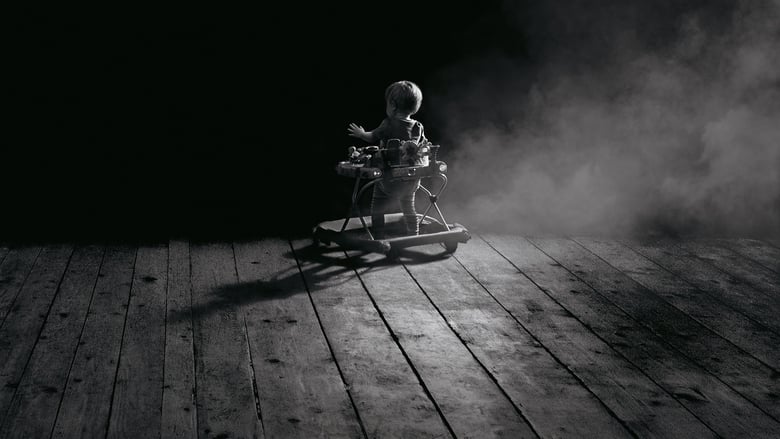
Insidious: Chapter 2
2013
-
Insidious
2011
-
Saw
2004
-
Black Swan
2010
-
The Others
2001
-
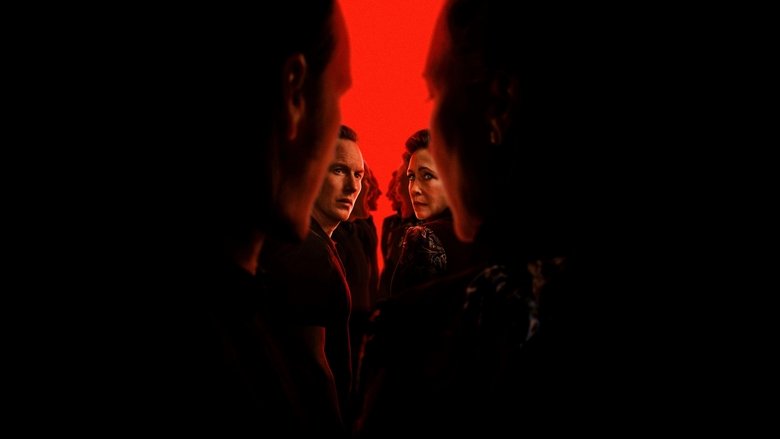
The Conjuring: Last Rites
2025
-
Orphan
2009
-
Take Shelter
2011
-
The Purge: Anarchy
2014
-
Furious 7
2015
-
Martyrs
2008
-
Thirst
2009
-
I Saw the Devil
2010
-
Sleep Tight
2011
-
The Skin I Live In
2011
-
Zombieland
2009
-
The Town
2010
-
Limitless
2011