The Croods
"The world is ending. The adventure is beginning."
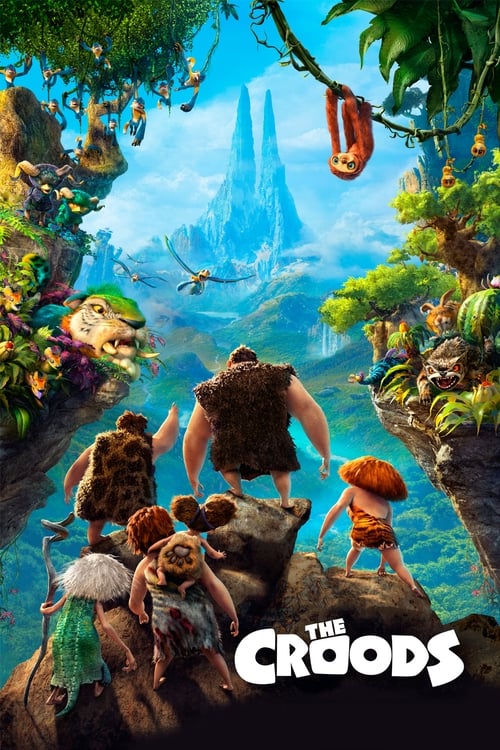
I’ve always maintained that the best way to understand the "Dad Brain" is to watch a prehistoric man try to punch the concept of change in the face. When I sat down to rewatch The Croods, I was wearing one mismatched wool sock because I couldn't find the other one in the laundry basket, and honestly, the lack of symmetry helped me relate to the chaotic, unpolished lifestyle of the world's first nuclear family.
Back in 2013, DreamWorks Animation was in a fascinating spot. They were shaking off the "snarky pop-culture reference" reputation they’d built with Shrek and moving toward something more sincere and visually experimental. Following the massive success of How to Train Your Dragon, directors Chris Sanders and Kirk DeMicco (who also gave us the underrated Space Chimps) brought a specific, rubbery, high-energy aesthetic to the caveman genre that feels remarkably fresh even a decade later.
A Kaleidoscope of Prehistoric Chaos
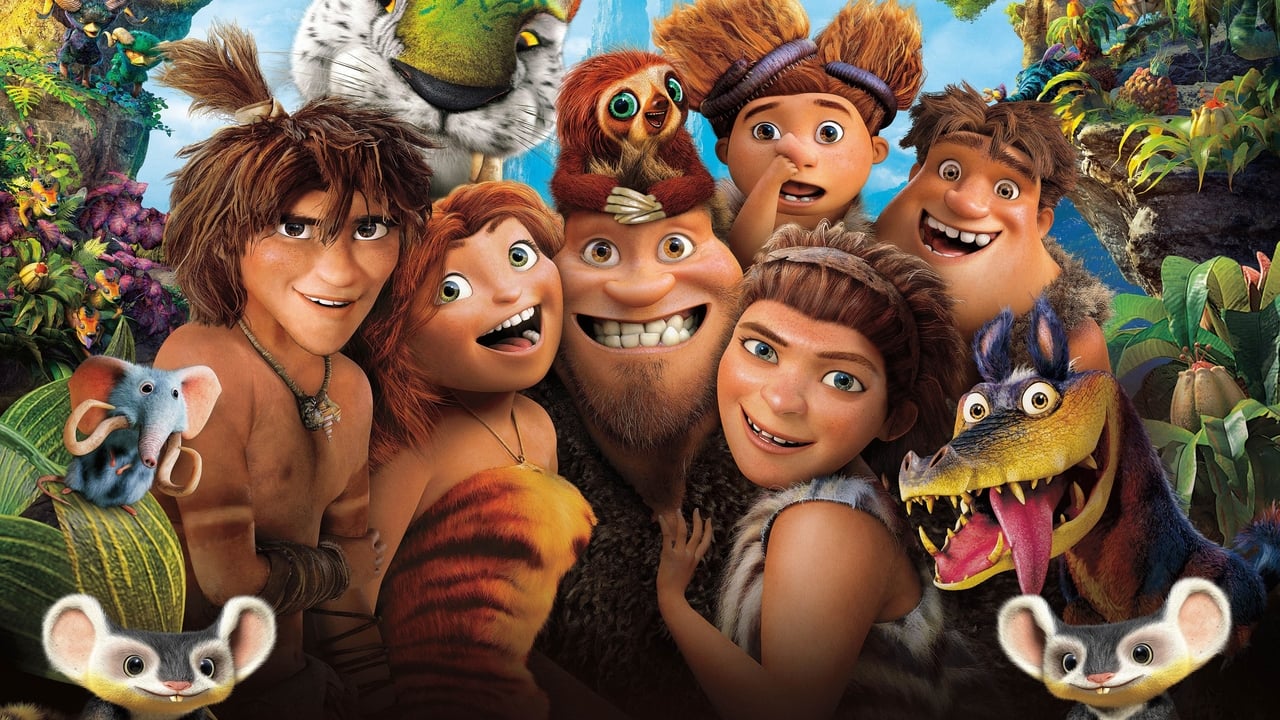
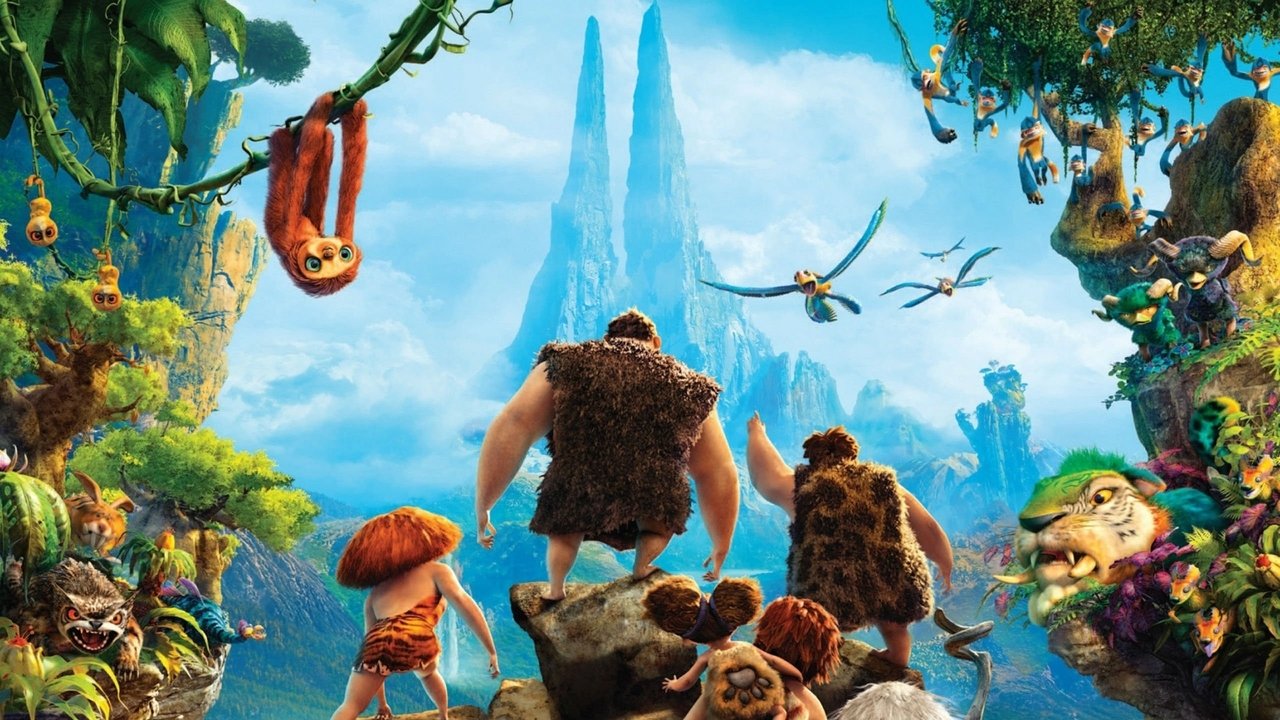
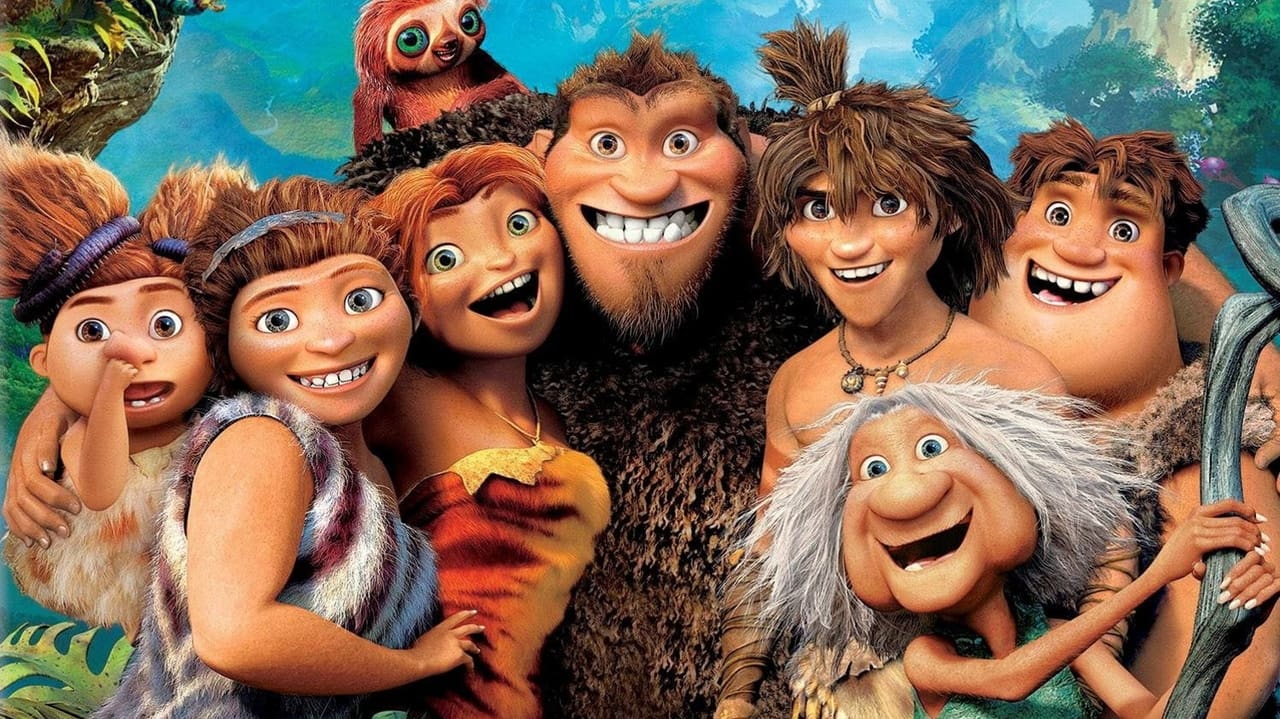
The story is a classic "road trip" setup, just with more tectonic plates shifting under the tires. Nicolas Cage voices Grug, a patriarch whose survival strategy boils down to "Never not be afraid." He keeps his family—including the rebellious Eep (Emma Stone), his level-headed wife Ugga (Catherine Keener), and the perpetually confused Thunk (Clark Duke)—locked in a cave for most of their lives. When their home is destroyed by an early onset of the apocalypse, they are forced into a vibrant, neon-colored world they didn't know existed.
Enter Guy (Ryan Reynolds), a more "evolved" human who has mastered the art of wearing shoes and using fire. The dynamic between Grug’s brute force and Guy’s "ideas" is where the comedy shines. Grug is the patron saint of overprotective girl-dads everywhere, and watching him struggle with the fact that his daughter is more interested in a guy who can make "fire" than his own ability to move a giant boulder is a universal hoot.
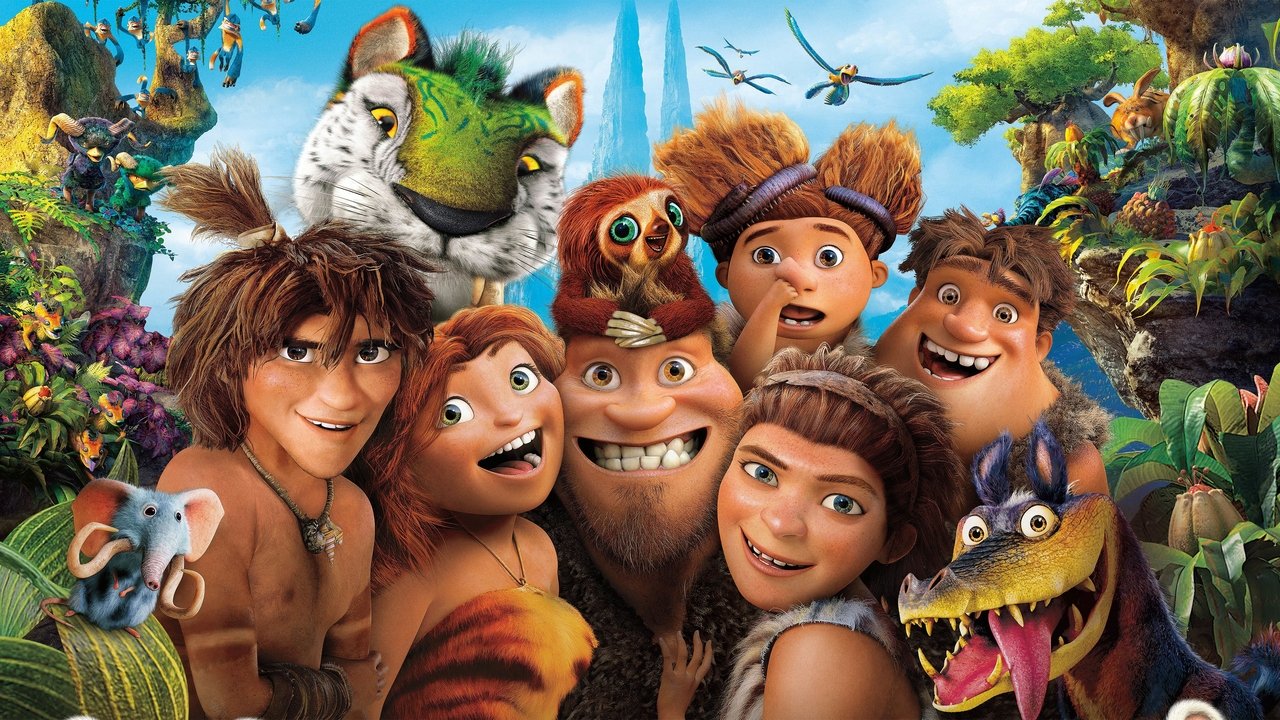
What I love about this era of animation is the sheer ambition in creature design. The team didn't just give us mammoths and tigers; they gave us "macawnivores" (brightly colored giant cats) and "piranhakeets" (birds that devour whales in seconds). The creature design team was clearly high on sugar and Dr. Seuss books, and I’m here for it. It feels like a precursor to the wilder, more stylized animation we see today in films like Spider-Verse, breaking away from the strict realism Pixar was chasing at the time.
The $587 Million Gamble
Looking back, the scale of this production was staggering. With a budget of $135 million, DreamWorks was betting big on original IP during an era where sequels were becoming the safe harbor for studios. It paid off—hard. The film raked in $587,204,668 worldwide, proving that audiences were hungry for something that wasn't a "four-quel."
The road to the screen was actually quite long. Would you believe this project started way back in 2005 as a stop-motion collaboration with Aardman Animations? The legendary John Cleese (of Monty Python fame) actually co-wrote the original draft of the script. While the final film shifted to CGI and a more American comedic sensibility, you can still feel some of that dry, British wit buried in the banter between Grug and Cloris Leachman’s Gran.
Technologically, The Croods was a showcase for the "Premo" software DreamWorks developed, which allowed animators to work on high-resolution characters in real-time. You can see it in the fur textures and the way the lighting hits the dust in the cave. This was right at the tail end of the "CGI as a spectacle" era before it became a standard commodity. When the family first steps out of their dark, brown canyon into the lush, multicolored forest, the visual contrast is a legitimate "wow" moment that justifies the big-screen treatment.
Survival of the Funniest
The adventure works because the stakes feel real despite the slapstick. When the ground literally splits open, you feel the peril. But the heart of the film is the score by Alan Silvestri. The man who gave us the Back to the Future and Avengers themes knows how to make a journey feel epic. He blends tribal percussion with a full orchestral swell that makes a family walking through a jungle feel like a march toward destiny.
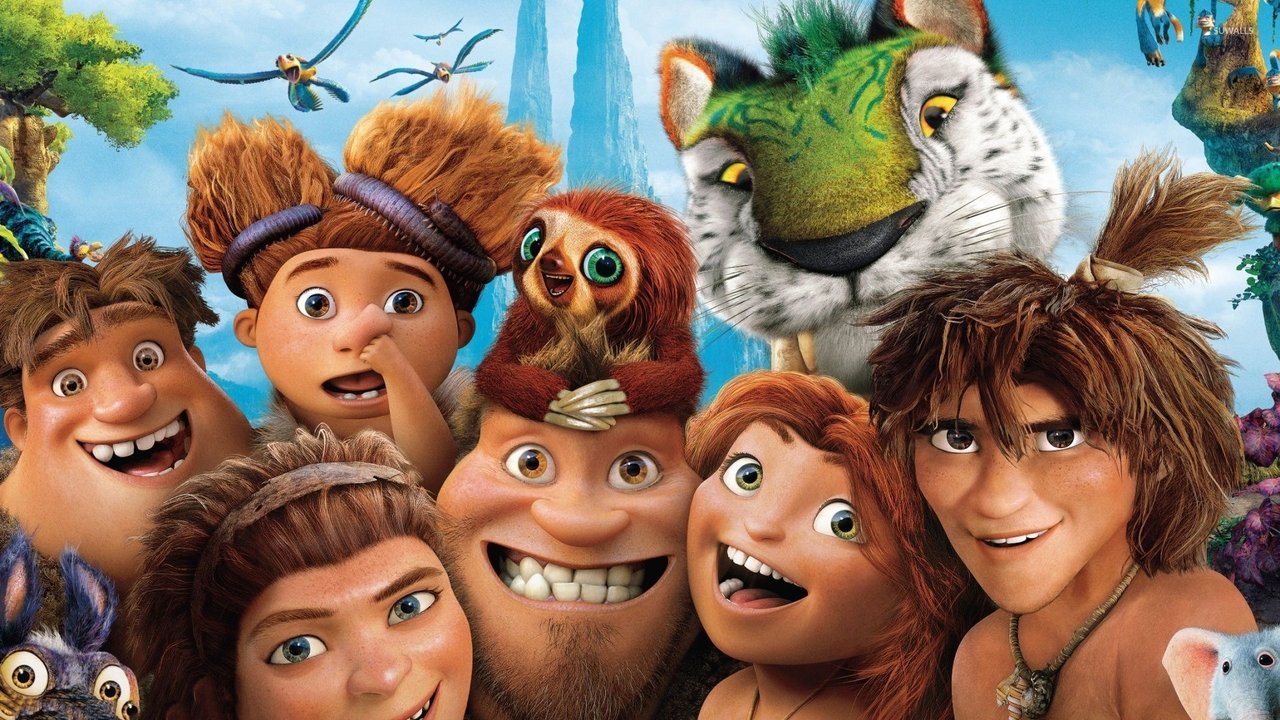
I also have to shout out "Belt," the sloth voiced by Chris Sanders himself. His "Dun dun duuuun!" musical cues became an instant playground meme. It’s a bit of marketing genius—a character designed to be a plush toy that actually manages to be funny and integral to the plot.
The film's legacy is surprisingly sturdy. It launched a Netflix series and a sequel that arrived seven years later, but there’s a frantic, desperate energy in this first installment that is hard to replicate. It captures that 2013 feeling of "the world is changing too fast and I don't have the manual," which, let's be honest, hasn't really gone away.
The Croods is a rare breed of family adventure that manages to be visually stunning without being pretentious and funny without being mean-spirited. It’s a testament to the idea that even when the world is literally falling apart, the most important thing is having people around you who are willing to jump into the unknown—even if they’re screaming the whole way. Grab some snacks, find your favorite mismatched socks, and give this one a rewatch; it’s a journey that definitely earns its place on your shelf.
Keep Exploring...
-
The Croods: A New Age
2020
-

Lilo & Stitch
2002
-
How to Train Your Dragon
2010
-
Horton Hears a Who!
2008
-
Kung Fu Panda
2008
-
Madagascar: Escape 2 Africa
2008
-

Ice Age: Dawn of the Dinosaurs
2009
-

Puss in Boots
2011
-
Rio
2011
-
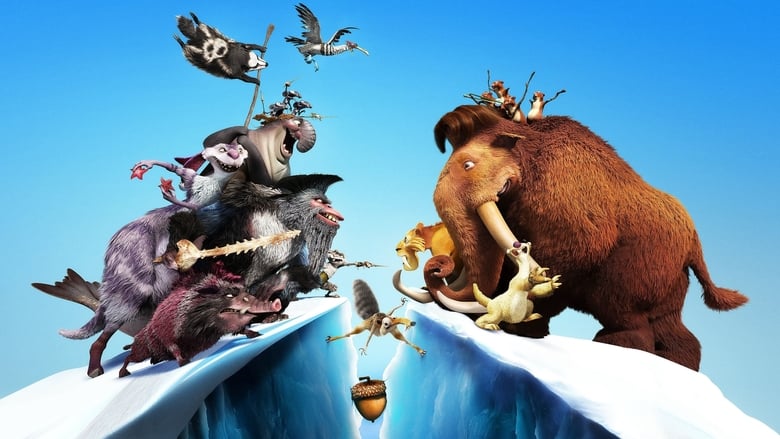
Ice Age: Continental Drift
2012
-
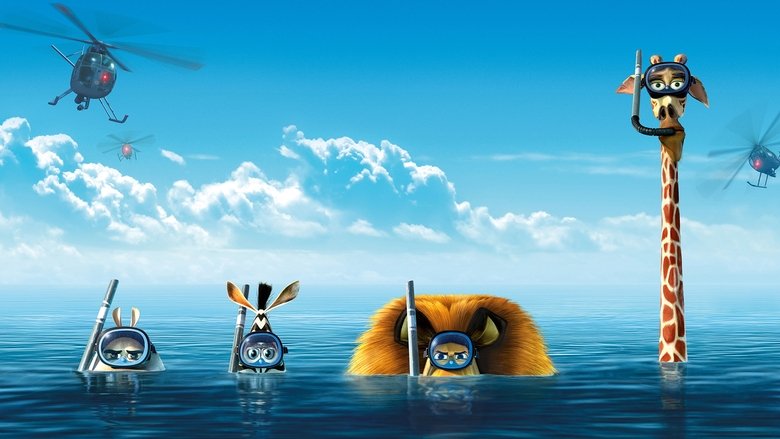
Madagascar 3: Europe's Most Wanted
2012
-
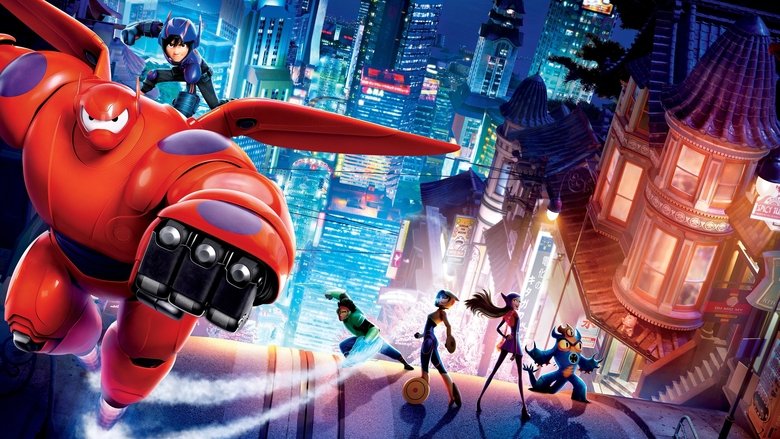
Big Hero 6
2014
-
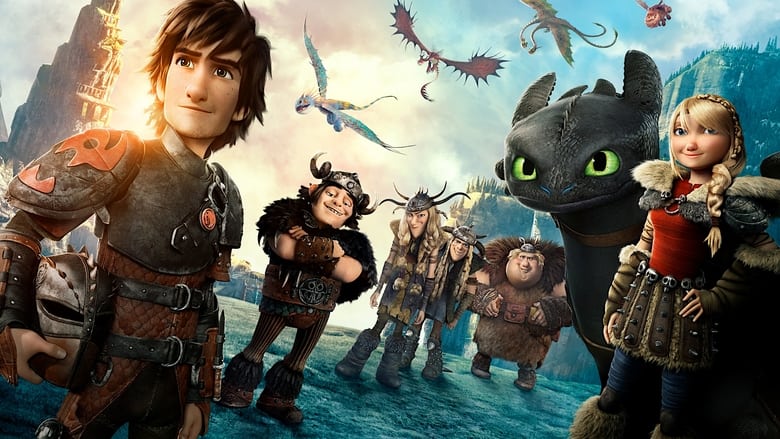
How to Train Your Dragon 2
2014
-
Planes: Fire & Rescue
2014
-
Rio 2
2014
-
The Lego Movie
2014
-

A Bug's Life
1998
-
Shrek
2001
-

Ice Age
2002
-
Shrek 2
2004