The Family
"Witness protection shouldn't be this much fun."
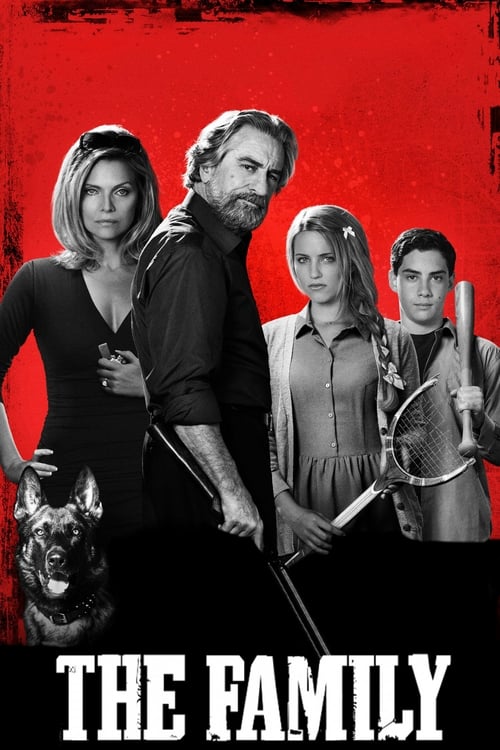
There is a specific, surreal joy in watching Robert De Niro—the man who basically built the cinematic mobster archetype brick by brick—sit in a French cinema and critique Goodfellas. It’s meta, it’s cheeky, and it’s the exact moment The Family (2013) stops being a standard fish-out-of-water comedy and starts being a love letter to the very genre De Niro helped define. I first caught this flick on a rainy Tuesday while nursing a lukewarm cup of peppermint tea that had a literal fly floating in it, and honestly, the film was so much more charming than my beverage.
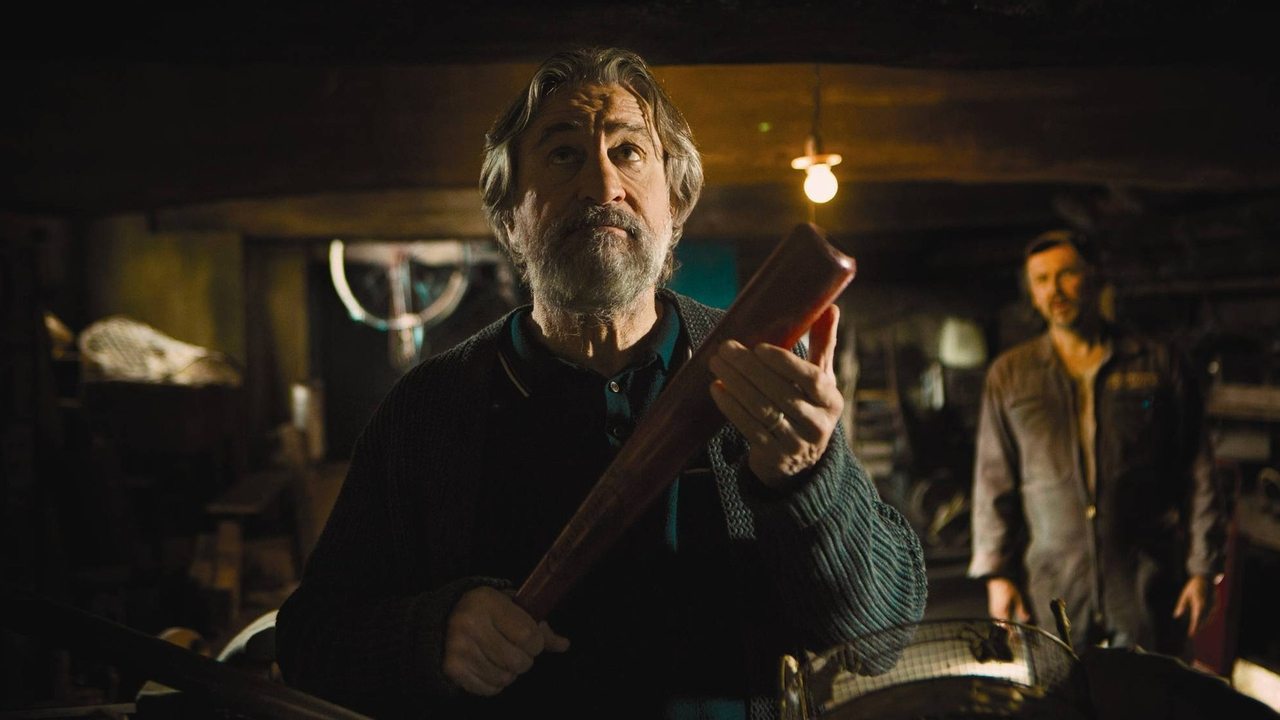
Released during that weird transitional period in the early 2010s—where mid-budget movies still got theatrical runs before being banished to the "Suggested for You" Netflix void—The Family feels like a relic from an alternate dimension. It’s a French-American hybrid directed by Luc Besson, a man whose filmography ranges from the high-art sci-fi of The Fifth Element to the hyper-kinetic "Euro-trash" action of Taken. Here, he brings a European sensibility to the Witness Protection Program, and the result is a movie that is far more violent than it has any right to be, yet remains oddly sweet.
Household Violence as a Love Language
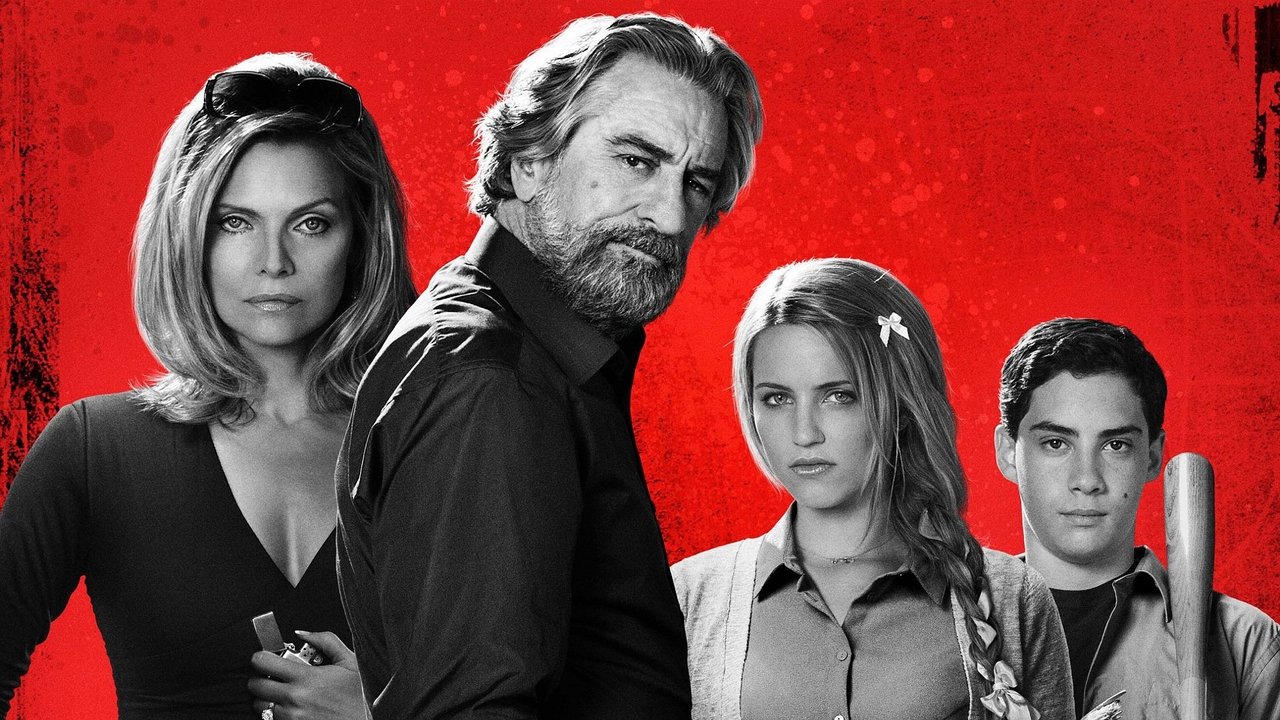
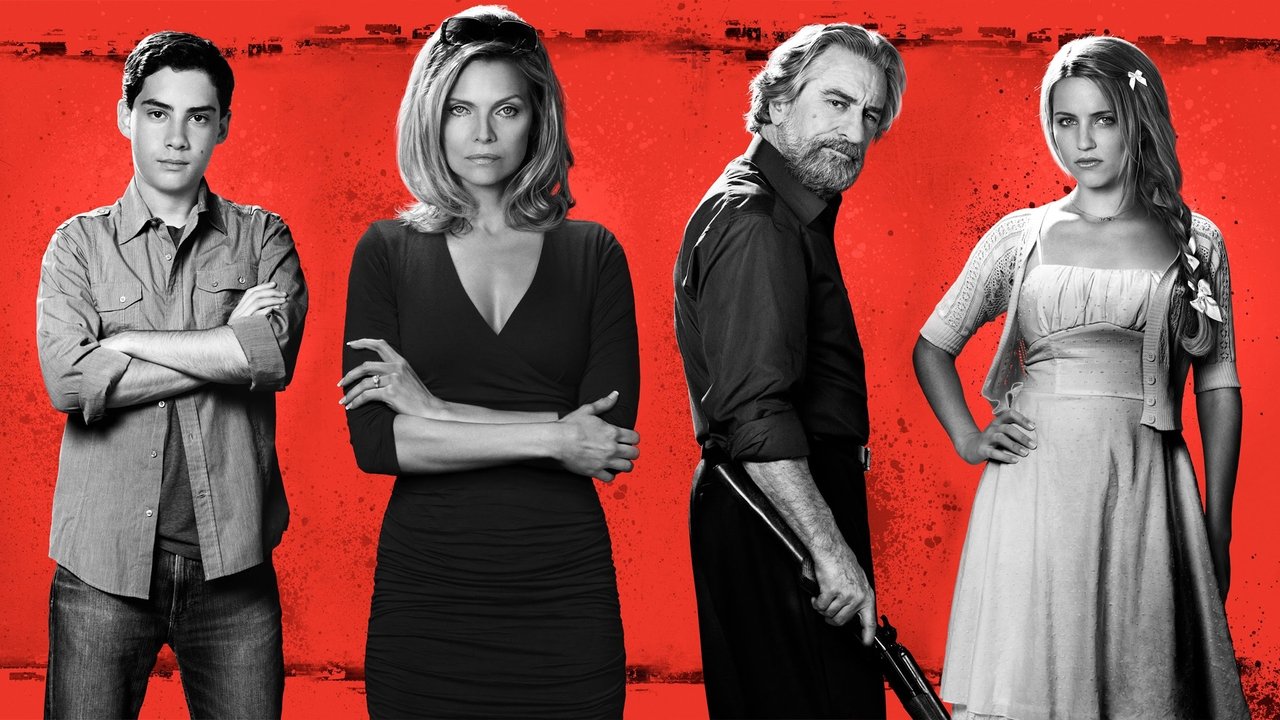
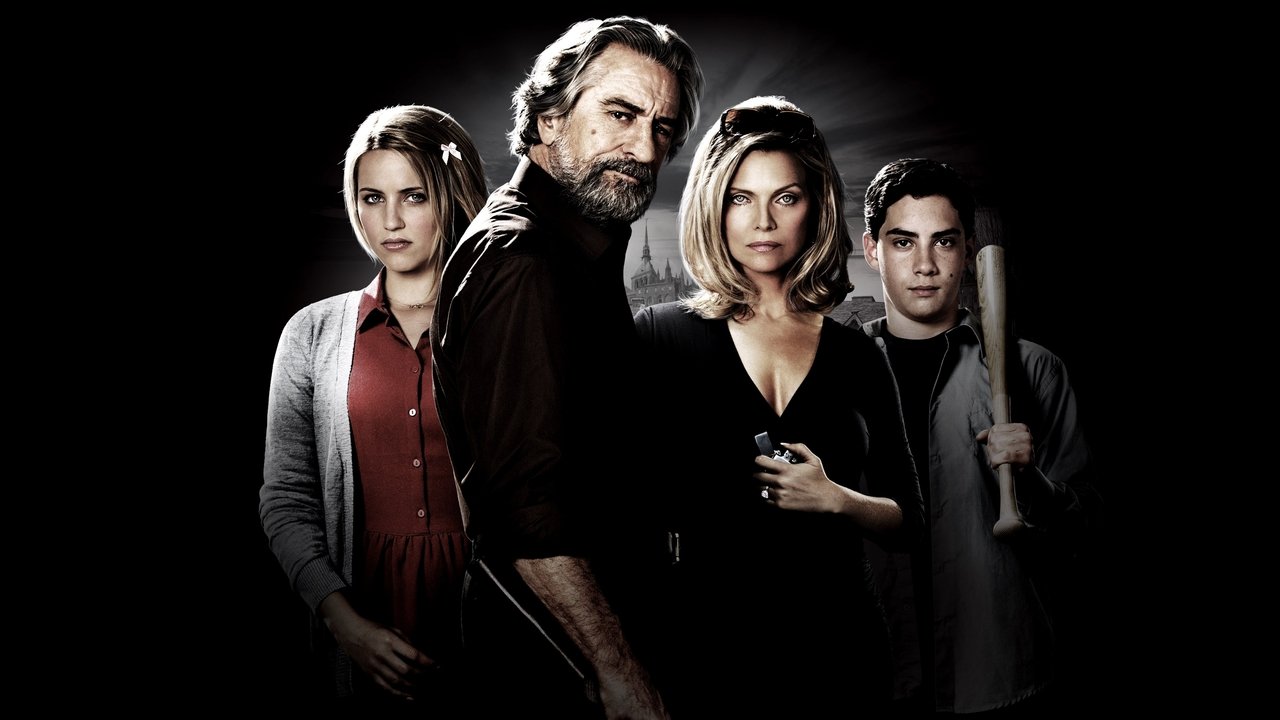
The plot is simple: Giovanni Manzoni (now "Fred Blake") has snitched on the mob and is being bounced around Europe by his exasperated handler, Tommy Lee Jones. Along for the ride are his wife, Maggie (Michelle Pfeiffer), and their two kids, Belle (Dianna Agron) and Warren (John D'Leo). They land in a sleepy Normandy village where they are told to blend in.
They do not blend in.
What I love about this script is that it doesn't try to make the Manzonis "good people" who just happened to be in the mob. No, they are all legitimately terrifying. When Michelle Pfeiffer (looking radiant but lethal) gets slighted by a condescending French grocer, she doesn't write a stern Yelp review; she casually blows the place up. When the kids get bullied at school, they don't go to the principal; they orchestrate elaborate, multi-layered revenge schemes that would make Michael Corleone proud. Dianna Agron’s Belle, in particular, is a revelation here—using a tennis racket as a blunt force instrument in a way that truly redefined the sport for me.
The Luc Besson French Connection
Luc Besson’s direction gives the film a visual flair that separates it from the flat, digital look of many 2013 comedies. Working with his frequent cinematographer Thierry Arbogast, Besson captures the lush, golden light of the French countryside, making the sudden bursts of "family business" feel even more jarring. The action choreography is punchy and physical. There’s a scene involving Robert De Niro and a plumber that involves a length of pipe and some very dark humor; it’s the kind of sequence that reminds you Besson started his career in the Cinéma du look movement.
Looking back, the film captures that post-9/11 anxiety of "the enemy within," but wraps it in a cozy sweater. It’s a movie about a family that can only function when they have a common enemy to bury in the backyard. The chemistry between De Niro and Pfeiffer is the secret sauce here. They play a couple who have been through the wringer, and their shorthand—the way they discuss the quality of French butter while cleaning up a crime scene—is genuinely endearing. Tommy Lee Jones, playing the world's most tired FBI agent, provides the perfect deadpan foil. He’s essentially playing a more depressed version of his character from The Fugitive, and it works perfectly.
The Stuff You Didn't Notice
One of the coolest things about The Family is the "Scorsese Factor." While Luc Besson directed it, Martin Scorsese actually served as an executive producer. This wasn't just a vanity credit; Scorsese reportedly gave notes on the edit, particularly the sequence where Fred (De Niro) attends a film club screening. Originally, they were going to show a different movie, but it was De Niro’s idea to lean into his own legacy and show Goodfellas.
The film was based on the novel Malavita (which was also the original title in France). "Malavita" is the name of the family dog, but it’s also an Italian slang term for the Mafia. If you watch closely, the dog is the only member of the household who seems to have a moral compass. Also, keep an eye out for Jon Freda as Rocco; his presence adds a layer of authenticity that keeps the film from drifting too far into total caricature.
The Family isn't a masterpiece, and it doesn't want to be. It’s a violent, funny, and surprisingly sentimental look at what happens when the most dangerous people in the world try to retire in a place that doesn't understand the concept of a "protection fee." It’s a movie that rewards you for knowing your cinema history, but it’s also perfectly content to let you just watch Michelle Pfeiffer walk away from an explosion in slow motion. If you’re looking for a weekend watch that balances a high body count with a genuine heart, you could do much worse than spending two hours with the Manzonis. It’s the kind of "cult-adjacent" gem that makes me miss the days of browsing the New Release wall at a physical video store.
--- Popcornizer is your home for the films that the critics might have missed, but we never will. From the blockbusters of the 90s to the oddities of the 2010s, we keep the butter warm and the takes hot. Stay tuned for more deep dives into the films that deserve a second look.

Keep Exploring...
-

Taxi
1998
-
The A-Team
2010
-

The Green Hornet
2011
-
2 Guns
2013
-
RED 2
2013
-
Lethal Weapon 4
1998
-
Taxi 2
2000
-
Bad Boys II
2003
-
Taxi 3
2003
-
Bandidas
2006
-

Rush Hour 3
2007
-
Taxi 4
2007
-
Pineapple Express
2008
-
Cop Out
2010
-

21 Jump Street
2012
-
Stand Up Guys
2012
-
The Heat
2013
-

Pain & Gain
2013
-
OSS 117: Lost in Rio
2009
-

RED
2010