The Fifth Estate
"The truth has no friends."
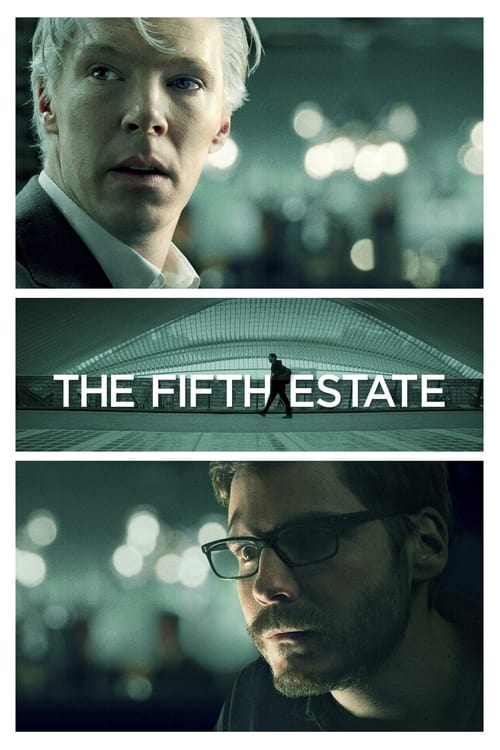
In early 2013, Benedict Cumberbatch received a ten-page email from a fugitive. The sender was Julian Assange, writing from the Ecuadorian Embassy in London, pleading with the actor to walk away from the movie he was about to film. Assange called the project a "work of fiction" and a "distraction" from his actual goals. It was the kind of high-stakes, meta-narrative drama that publicists dream of, yet when The Fifth Estate actually hit theaters, the response wasn't a roar of controversy—it was a collective shrug.
I watched this film on a Tuesday night while wearing one mismatched sock and eating a sleeve of Ritz crackers that had definitely lost their crunch, and that slightly stale, "almost-but-not-quite" feeling ended up being the perfect vibe for the movie itself. It’s a film that desperately wants to be the The Social Network of the whistleblowing era, but it lacks the razor-sharp cynicism that made David Fincher’s tech-biopic sing. Instead, we got a movie that feels like it’s trying to catch lightning in a bottle while the lightning is still striking someone else across the street.
Visualizing the Invisible
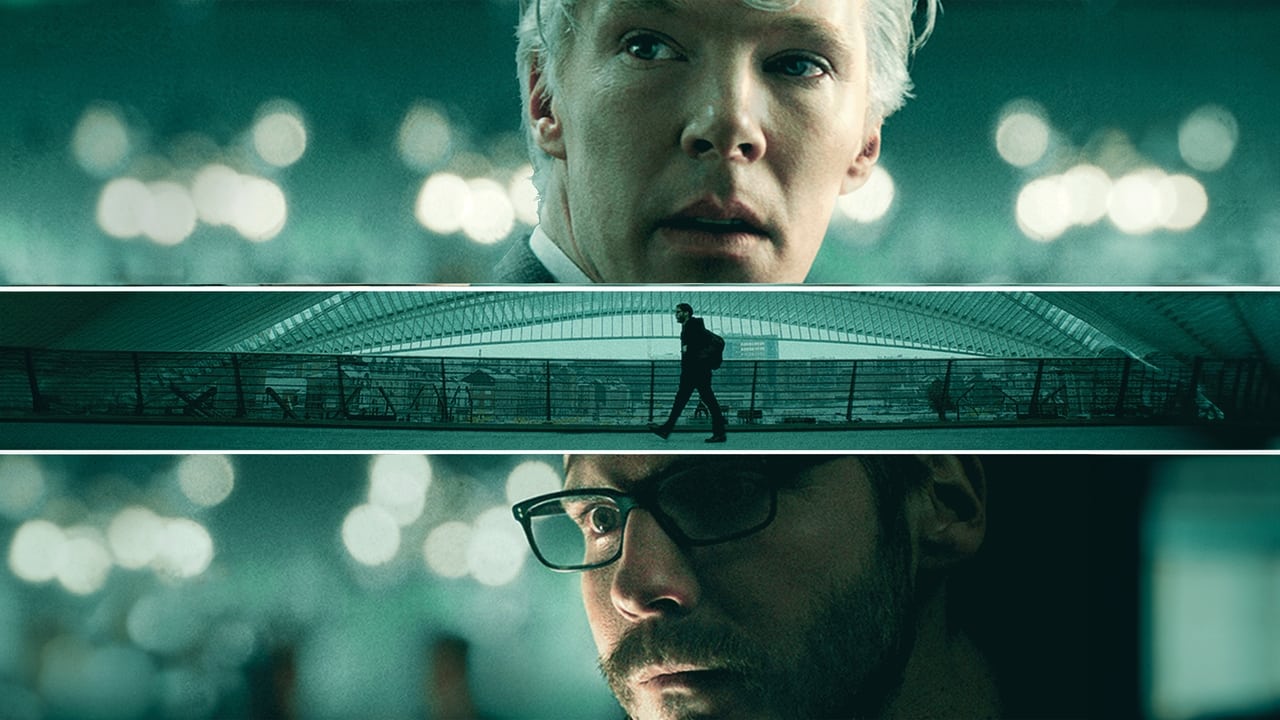
The biggest hurdle for any movie about the internet in the early 2010s was how to make typing look cool. Director Bill Condon, fresh off the Twilight saga, decided the answer was a surrealist metaphor. He populates the screen with a "virtual newsroom"—a literal field of desks stretching into infinity, where Julian and Daniel work in a dreamscape of digital information. It’s a bold swing, but honestly, Bill Condon treats a server room like it's a high-stakes bomb disposal unit, and the visual metaphors often feel like a screensaver from 1998 that’s been given a $28 million budget.
Looking back, this was a transitional moment for cinema. We were moving away from the gritty, post-9/11 realism of the mid-2000s and into a space where directors were terrified that "two guys on laptops" would bore an audience to death. The result is a film that’s hyper-stylized to a fault. The cinematography by Tobias A. Schliessler is jittery and frantic, as if the camera itself is worried it might be subpoenaed.
A Tale of Two Founders
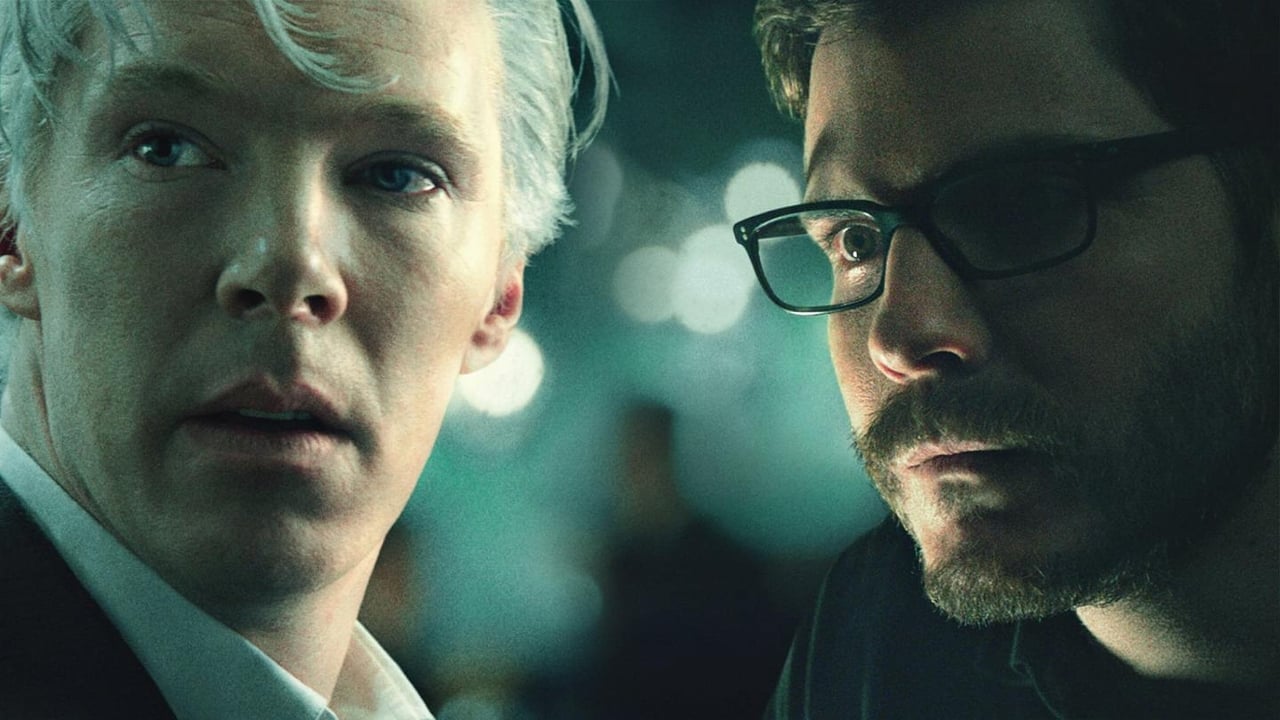
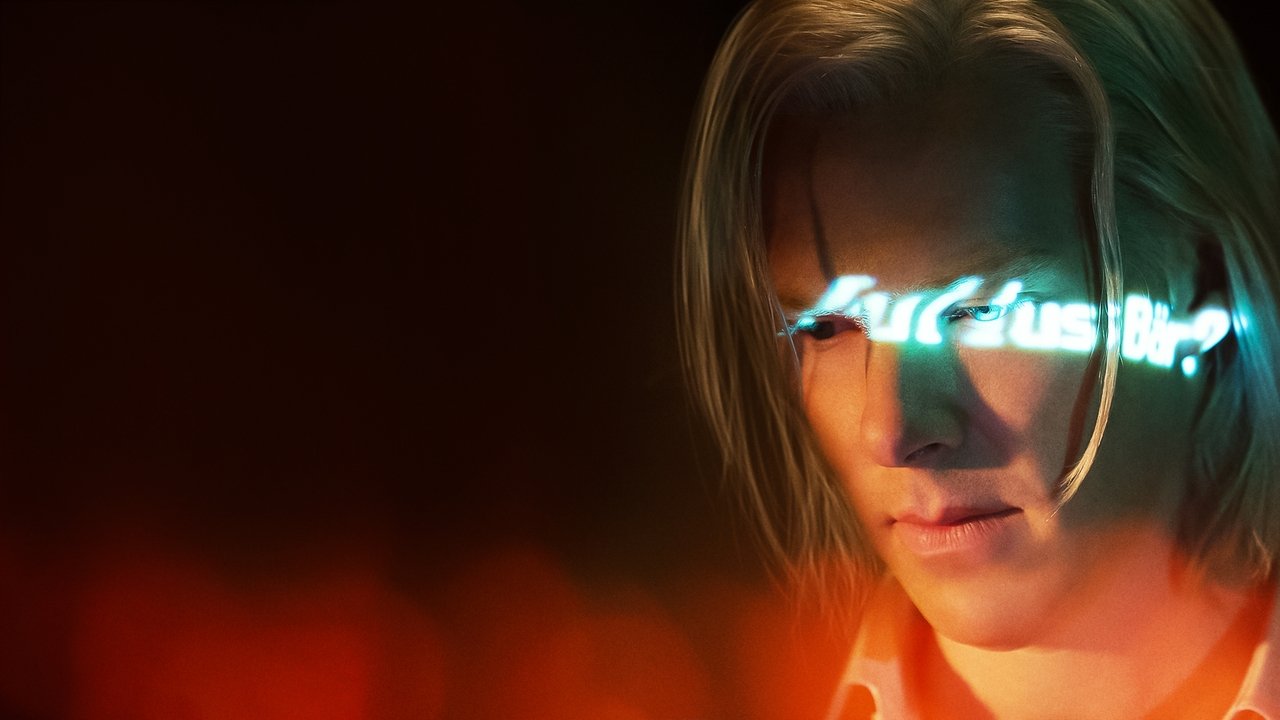
Where the movie actually finds its footing is in the friction between its leads. Benedict Cumberbatch (fresh off his Sherlock explosion) goes full-tilt into the Assange persona. He’s got the white-blond hair, the weirdly rhythmic speech patterns, and that specific brand of "unwashed intellectual" arrogance that made Assange such a polarizing figure. He’s fascinating to watch, even if the script occasionally treats him more like a Bond villain than a human being.
On the other side of the rift is Daniel Brühl as Daniel Domscheit-Berg. If you only know Brühl from his turn as Niki Lauda in Rush or his villainous stint in the MCU, his performance here is a reminder of why he’s one of the most reliable "eyes of the audience" actors working today. He brings a much-needed warmth to a story that is otherwise quite cold. The supporting cast is a bizarrely stacked "who’s who" of people who were just about to become even bigger: Alicia Vikander, Dan Stevens, Anthony Mackie, and even David Thewlis popping up as a weary journalist. It’s the kind of ensemble that makes you say, "Wait, they were in this?" every five minutes.
The Problem with Real-Time History
Why did The Fifth Estate vanish so quickly? Part of it was the source material. The screenplay was largely based on Domscheit-Berg’s own book, which Assange (rightfully or not) viewed as a hatchet job. But more importantly, the film suffered from a "Too Soon" syndrome. In 2013, the WikiLeaks story was still evolving every single day. Making a definitive biopic about a man who was currently living in an embassy while the leaks were still impacting global politics felt premature.
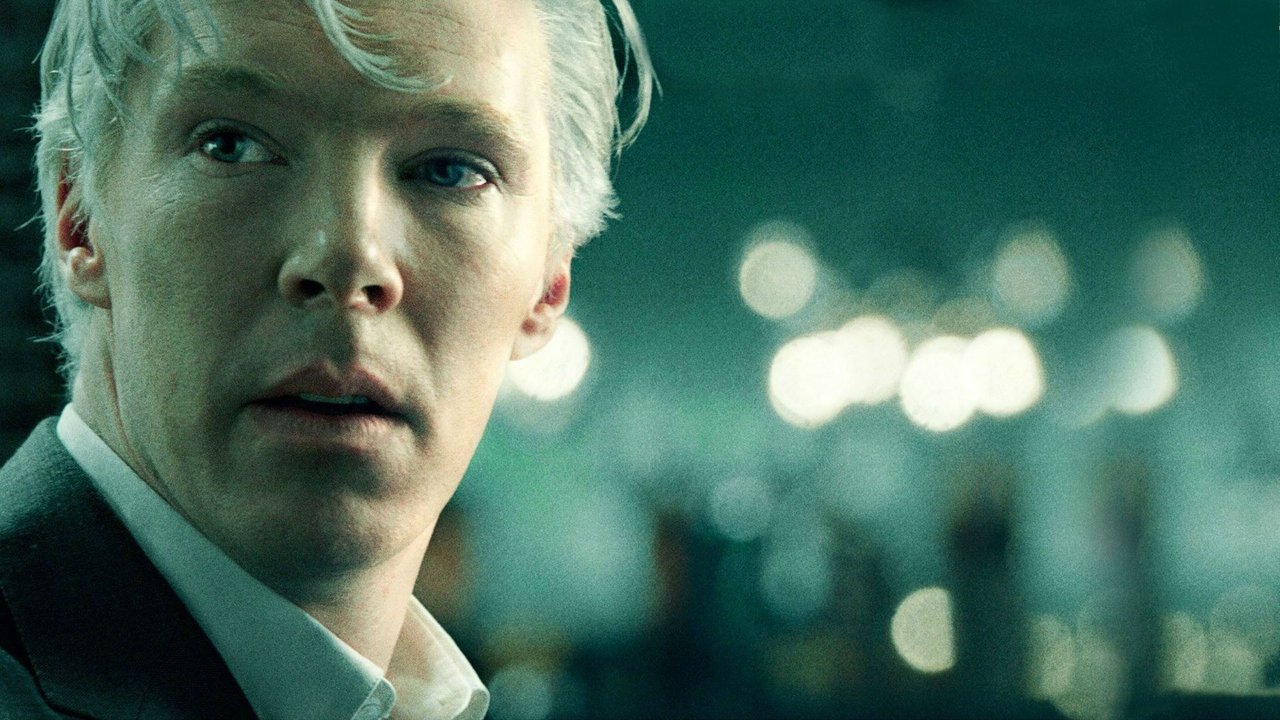
The movie ends with a meta-nod to this, having the "real" Julian (played by Cumberbatch) mock the very movie we just watched. It’s a clever bit of self-awareness, but it also feels like the filmmakers admitting they didn't quite have a handle on the ending because the ending hadn't happened yet. In the era of the DVD special feature, I remember the commentary tracks of this period often being more interesting than the films themselves, and The Fifth Estate feels like a movie that would have benefited from a five-year cooling-off period before a single frame was shot.
Ultimately, The Fifth Estate is a fascinating artifact of a specific cultural anxiety. It captures that early-2010s fear of the "Dark Web" and the shifting sands of journalism, but it does so with a heavy-handedness that hasn't aged particularly well. It’s worth a look for Cumberbatch's transformative work and to see a young Alicia Vikander proving she was a star before anyone knew her name. Just don't expect it to explain the modern world any better than a Wikipedia page could.

Keep Exploring...
-
Runner Runner
2013
-

Lakeview Terrace
2008
-
Street Kings
2008
-
The Eye
2008
-
Untraceable
2008
-
The Last House on the Left
2009
-

13
2010
-
Brooklyn's Finest
2010
-
Chloe
2010
-
Takers
2010
-
The Debt
2010
-
The Experiment
2010
-
Unthinkable
2010
-
Seeking Justice
2011
-

Get the Gringo
2012
-

The Iceman
2012
-
The Words
2012
-
Dead Man Down
2013
-
Kill Your Darlings
2013
-
Labor Day
2013