The Flu
"Hell is a cough in a crowded room."
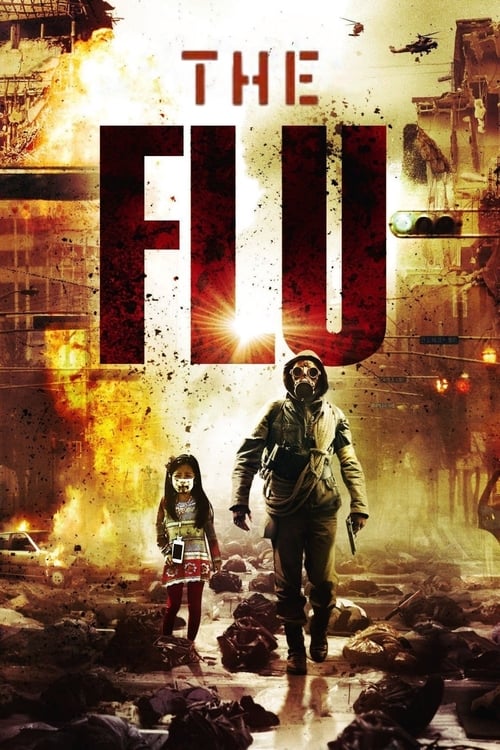
I watched The Flu for the first time on a laptop with a slightly cracked screen, and for two hours, every cough on screen felt like it was literally shattering the pixels in front of my face. There is a specific kind of claustrophobia that comes with South Korean disaster cinema from the early 2010s—a frantic, sweaty, "no-one-is-coming-to-save-you" energy that Hollywood usually polishes away with a heroic John Williams score.
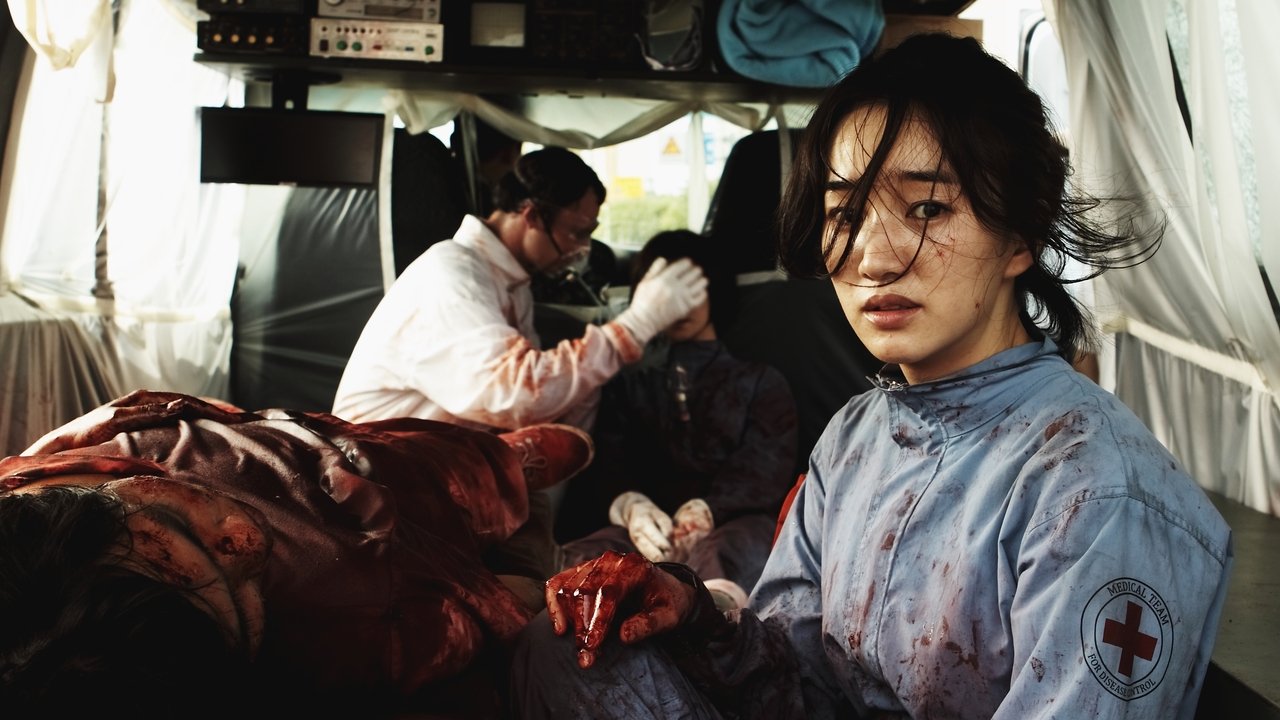
Released in 2013, director Kim Sung-soo’s pandemic thriller arrived at a time when we were still looking back at SARS and H1N1 as "close calls." Watching it now, in a post-2020 world, is a surreal exercise in hindsight. It’s a film that felt like a hyperbolic nightmare a decade ago but now plays like a documentary that someone accidentally turned up to 11.
A Masterclass in Escalation
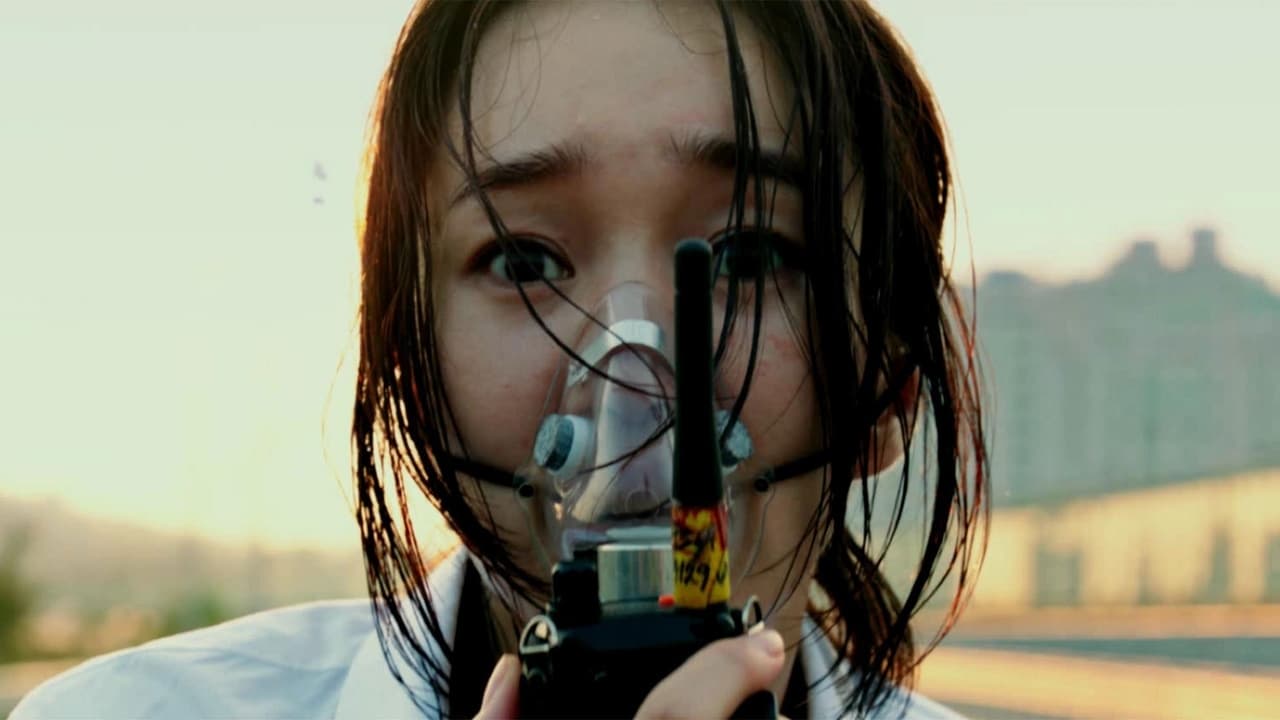
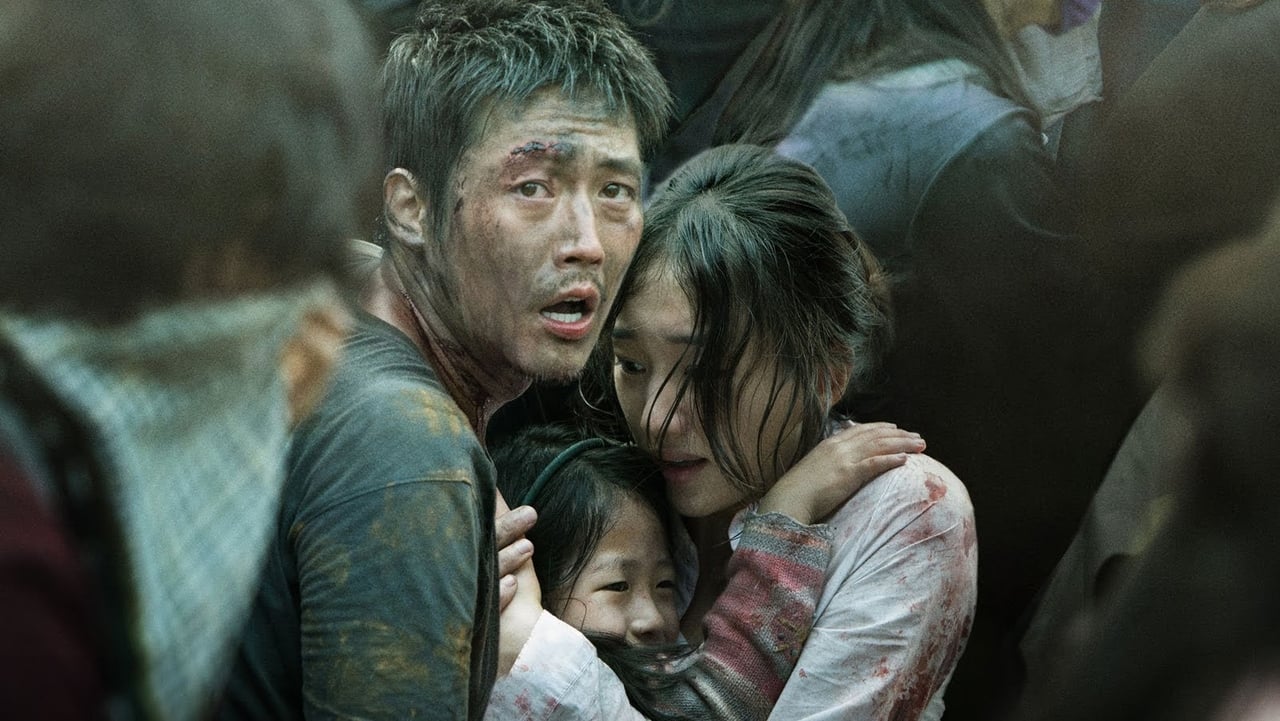
The movie doesn’t waste time. We start with a shipping container full of illegal immigrants arriving in Bundang, a wealthy suburb of Seoul. Everyone inside is dead from a mutated strain of H5N1, except for one survivor who vanishes into the city. From there, the virus spreads with a terrifying, rhythmic precision. Kim Sung-soo uses the camera to track the "path of the sneeze"—following droplets across a crowded pharmacy or a mall—turning everyday interactions into death sentences.
Our way into this chaos is Kang Ji-koo (Jang Hyuk), a dedicated firefighter with a bit of a savior complex, and Kim In-hae (Soo Ae), a cold-as-ice doctor and single mother. Their meet-cute is classic disaster movie trope-bait: he rescues her from a car dangling in a shaft, she’s ungrateful, sparks fly. But the film quickly moves past the rom-com fluff when In-hae’s daughter, Mi-reu (Park Min-ha), gets caught in the crossfire of the outbreak.
The action here isn’t about choreographed martial arts; it’s about the physics of a stampede. Kim Sung-soo stages sequences of mass panic that feel genuinely dangerous. When the government decides to wall off the city, the shift from "medical emergency" to "urban warfare" is instantaneous. The choreography of thousands of people trying to breach a blockade while being pushed back by riot police is filmed with a gritty, handheld urgency that makes the scale feel massive yet intimate.
The Gritty Heart of the 2010s
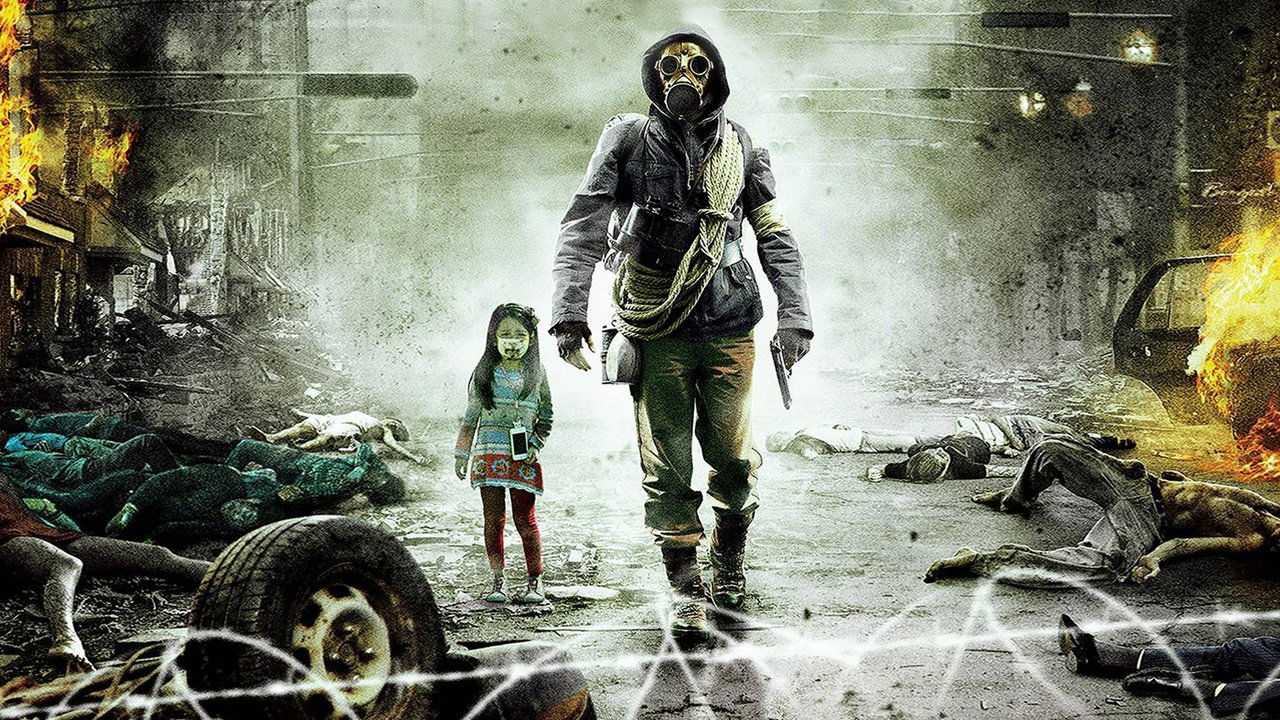
This was a fascinating era for Korean cinema. We were seeing the rise of the "high-concept blockbuster" that could compete with Hollywood’s scale but kept the brutal emotional stakes that local audiences craved. The film treats its protagonists like superheroes and its extras like biological waste. There is a sequence involving a sports stadium converted into a quarantine camp that is arguably one of the most disturbing things put to film in the genre. Without spoiling too much, it involves a literal pit of despair that makes you realize Kim Sung-soo wasn't interested in making a "fun" summer popcorn flick.
The practical effects and the sheer number of extras involved remind us of a time before everything was a green-screen blur. There’s a weight to the crowds. You can almost smell the antiseptic and the fear. The cinematography by Lee Mo-gae favors sickly greens and harsh greys, stripping the vibrant suburb of its life long before the virus does.
We also get an early look at Ma Dong-seok (years before Train to Busan or Eternals) playing a cynical, menacing soldier named Jeon Kook-hwan. Even back then, he had a screen presence that felt like a physical wall. His character represents the dark heart of the film’s "containment" logic—the idea that the individual is expendable for the sake of the state.
Politics, Panic, and the "Pit"
If there’s a flaw, it’s the third-act melodrama. Korean cinema of this period often felt the need to dial the emotional intensity up to a screaming pitch. While Jang Hyuk is a charismatic lead, his "super-fireman" antics occasionally defy the laws of biology and physics. There’s a scene involving a sniper and a small child that is so high-stakes it almost veers into parody, yet the film's relentless grimness keeps it grounded.

The "behind-the-scenes" reality of The Flu is that it was a massive gamble for iFilm. They spent a fortune on the stadium sequences, which used thousands of real people to create that sense of overwhelming dread. They even consulted with medical experts to ensure the "spread" felt plausible, which explains why the first 45 minutes feel so much more grounded than the explosive finale.
Looking back, The Flu captures that specific post-9/11 anxiety where the "enemy" isn't a person, but a system that decides your life is a rounding error. It’s a loud, angry, and deeply intense film that doesn't care about your comfort. It wants you to feel the itch in your throat and the sweat on your palms.
The Flu is a bruising encounter with the disaster genre. It lacks the tight, metaphorical genius of Train to Busan, but it makes up for it with sheer, unadulterated scale and a cynical political streak that feels more relevant every year. It’s a high-octane thriller that reminds us that the thin veneer of civilization is held together by little more than a box of surgical masks and a prayer. If you can handle the high-octane melodrama, it’s one of the most effective "outbreak" movies ever made.
Keep Exploring...
-

Star Trek VI: The Undiscovered Country
1991
-
Batman Beyond: Return of the Joker
2000
-
Rise of the Planet of the Apes
2011
-

The Hunger Games
2012
-

Dawn of the Planet of the Apes
2014
-
The Maze Runner
2014
-
Mesrine: Killer Instinct
2008
-
Mesrine: Public Enemy #1
2008
-
Cell 211
2009
-
Batman: Year One
2011
-

Headhunters
2011
-
Batman: The Dark Knight Returns, Part 1
2012
-

Batman: The Dark Knight Returns, Part 2
2013
-

Batman: Assault on Arkham
2014
-

The Connection
2014
-

Star Trek: First Contact
1996
-

Starship Troopers
1997
-
Equilibrium
2002
-
Minority Report
2002
-

The Matrix Reloaded
2003