The Garden of Words
"Love is a lonely shoeshine in the rain."
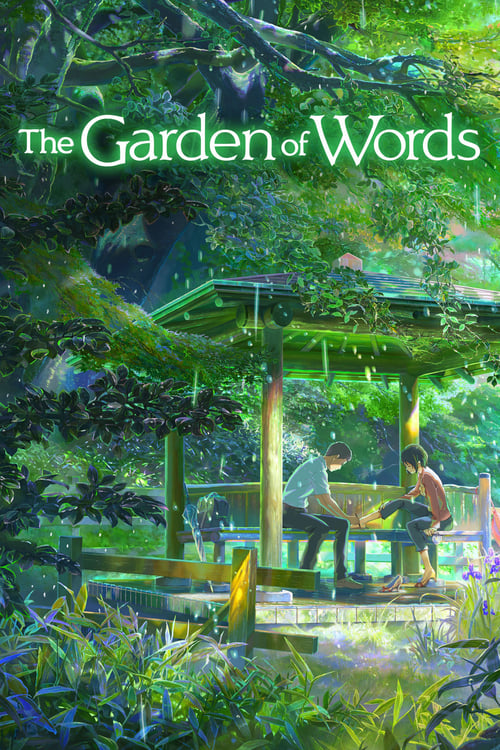
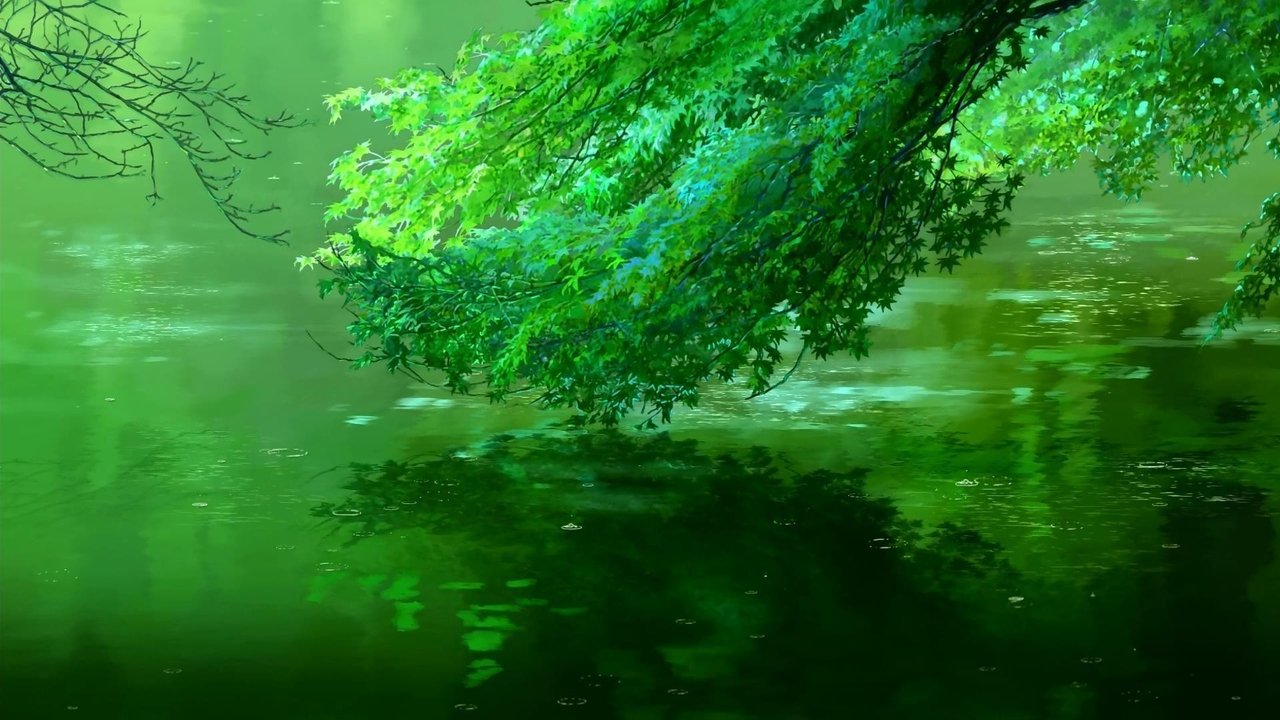
I first watched The Garden of Words on a cramped, humid afternoon in a basement apartment where the air conditioner was making a sound like a dying cat. Outside, the sky was a dull, oppressive grey, but on my screen, the rain was the most beautiful thing I had ever seen. It was emerald, crystalline, and impossibly rhythmic. I remember thinking that if I could just reach into my monitor, my hand would come back soaked in something cleaner than actual water. That’s the "Shinkai Effect" in a nutshell—making the mundane reality of a Tuesday afternoon look like a high-definition dream you never want to wake up from.
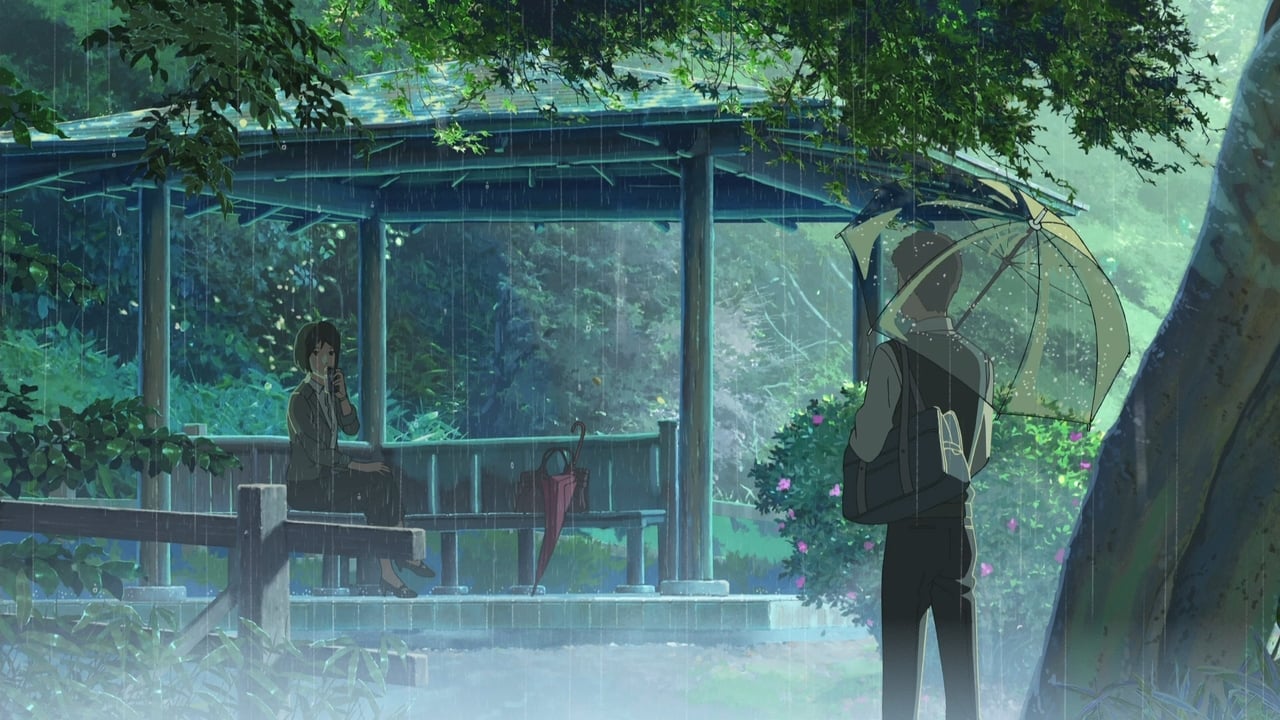
The Architecture of Isolation
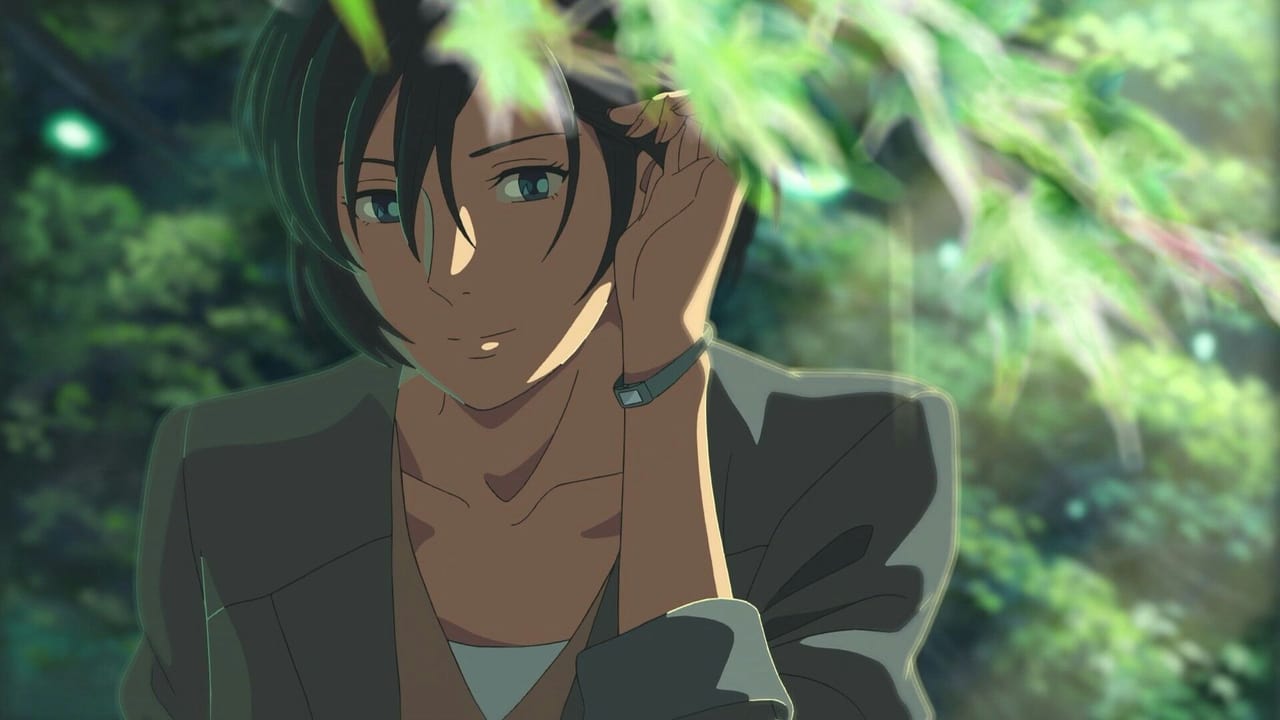
Before Makoto Shinkai became the global titan of anime with Your Name and Suzume, he was a director obsessed with the distances between people. In this 46-minute mid-career gem, he narrows that distance to a single gazebo in Shinjuku Gyoen. We follow Takao Akizuki (Miyu Irino, who voiced Haku in Spirited Away), a high schooler who skips morning classes to sketch shoe designs, and Yukari Yukino (Kana Hanazawa), a mysterious woman sipping beer and eating chocolate in the park.
The film captures a very specific 2013-era anxiety. We were deep enough into the digital age to feel the weight of constant connectivity, yet we still felt profoundly alone. Takao’s dream of becoming a shoemaker is a brilliant, tactile metaphor for this. He wants to build something that helps people walk through the world, yet he spends his own life hiding from the "adult" world of school and expectations. Miyu Irino brings a quiet, simmering determination to the role, while Kana Hanazawa portrays Yukari with a fragile, ghost-like quality that makes you wonder if she’s even real or just a manifestation of the park’s humidity.
A Masterclass in Digital Texture
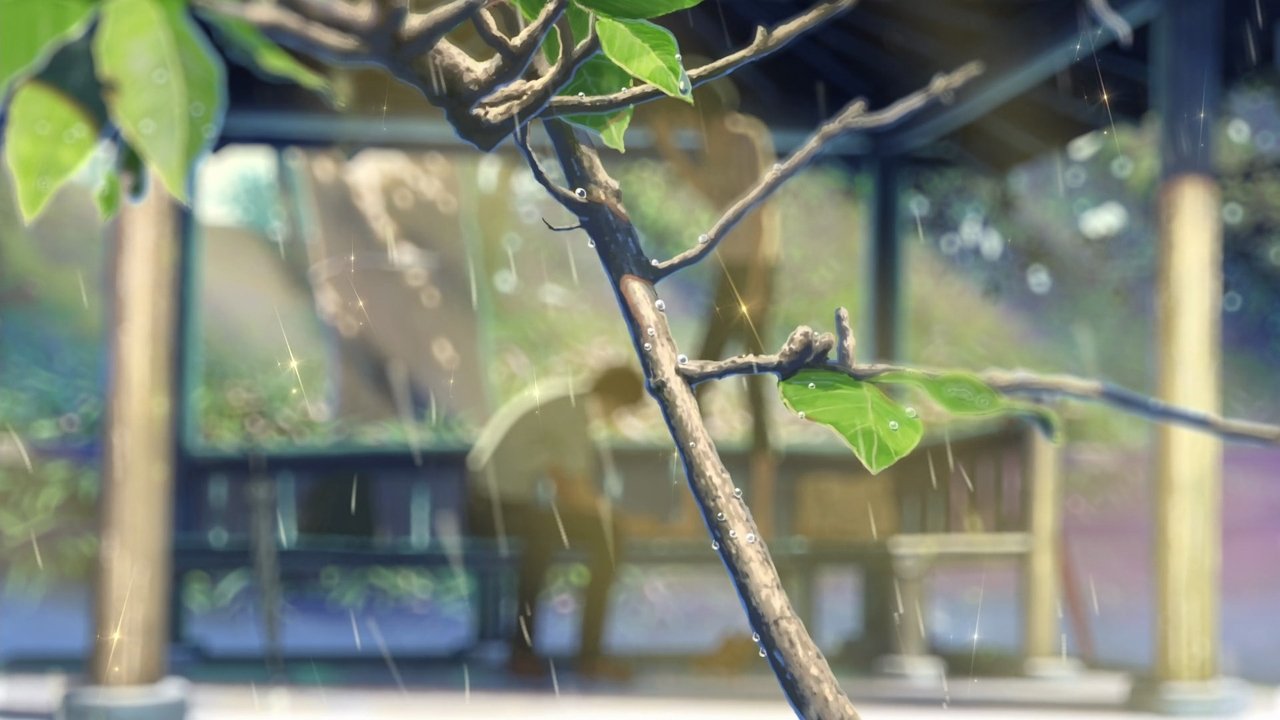
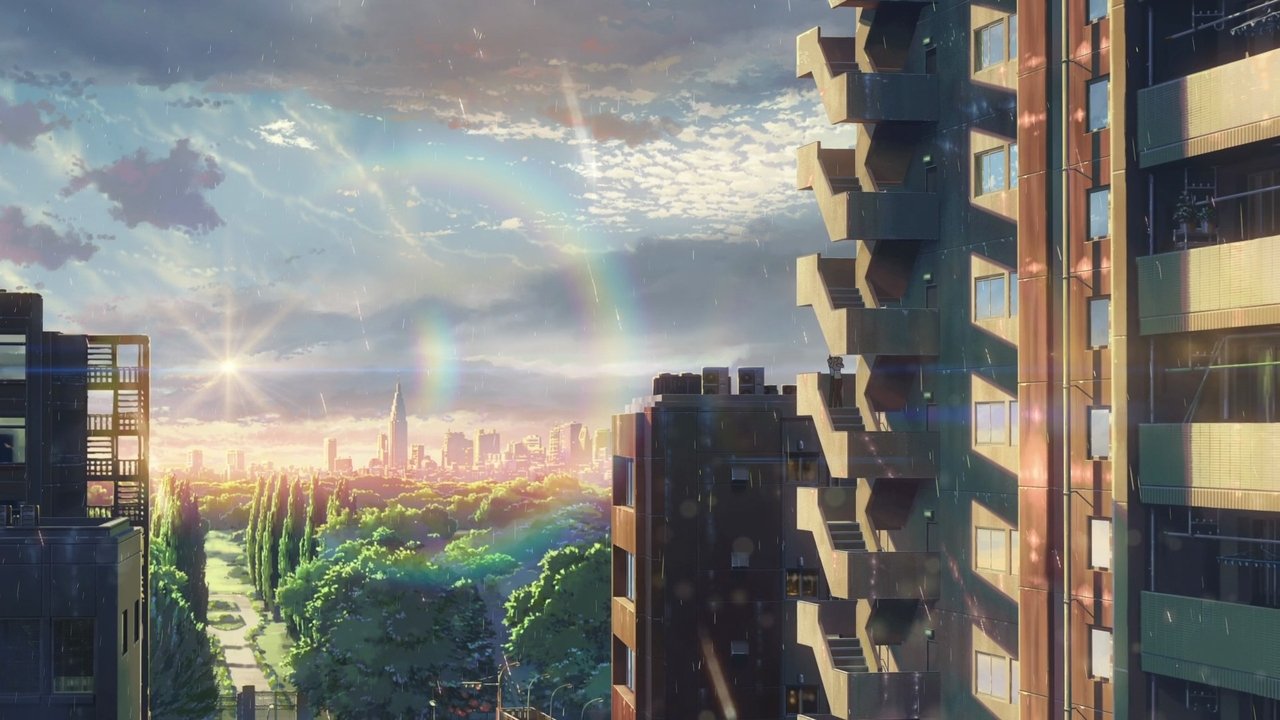
Looking back from a decade later, the animation in The Garden of Words remains staggering. This was a pivotal moment in the Modern Cinema era (1990-2014), where the "hand-drawn" look of anime was fully merging with digital compositing to create something entirely new. Shinkai and his team at CoMix Wave Films didn't just animate rain; they animated the way light refracts through a single droplet on a leaf.
There’s a scene where Takao measures Yukari’s foot for a shoe, and the tension in the room is thicker than the storm outside. The way the light hits the floorboards and the subtle movement of the dust motes—it’s a level of detail that feels almost intrusive. It’s a reminder that during this period, CGI wasn’t just about making big monsters in Hollywood; it was about giving 2D art a soul-piercing depth. If you don’t find the sound of those raindrops hitting the pond soothing, you might actually be a lizard.
The Cult of the Rainy Season
The film has developed a massive cult following, largely because it treats its "smallness" as a superpower. Fans have spent years obsessively tracking down the real-life locations in Shinjuku Gyoen. Apparently, Makoto Shinkai took thousands of photographs of the park at different times of day to ensure the lighting was accurate to the Tokyo rainy season. If you go there today, you’ll likely find a few people sitting in the exact same gazebo, probably looking at their own sketches (or, let’s be real, their phones).
One of the coolest details for the eagle-eyed fans is the presence of Yukari in Shinkai’s later film, Your Name. She appears as a teacher in the countryside, a nod to the fact that her story didn't end in that park. It’s these "Shinkai-verse" connections that turn a standalone drama into a piece of a larger, emotional tapestry. Also, the beer Yukari drinks is specifically "Suntory The Premium Malt's"—a choice Shinkai made to reflect her specific social standing and her desire for a small luxury in a crumbling life. The film also features a "Tanko" poem from the Man'yoshu, Japan’s oldest poetry collection, which serves as a secret code between the two leads. It’s an intellectual layer that rewards you for paying attention to the subtitles.
A Romance Without the Clichés
What I appreciate most about The Garden of Words is its restraint. It deals with a "forbidden" age gap, but it does so through the lens of mutual brokenness rather than exploitation. They aren't in love with each other so much as they are in love with the sanctuary they provide for one another. The ending is actually better because it refuses to be a typical romance, choosing instead to focus on the terrifying prospect of simply moving forward.
The score by Daisuke Kashiwa is the final piece of the puzzle. It’s all delicate piano work that feels like it’s mimicking the pitter-patter of the weather. When the final theme song, "Rain" (a cover of a 1988 Senri Oe hit), kicks in during the climax, it’s like a dam breaking. It’s a pure, unadulterated emotional payoff that many 120-minute blockbusters fail to achieve.
Ultimately, The Garden of Words is a film about the moments of "man'yo-shu" (lonely longing) that define the transition into adulthood. It’s short enough to watch twice in one afternoon, which I highly recommend doing just to see how the lighting changes as the characters' moods shift. It’s a quiet, cerebral experience that proves you don't need a massive budget or a two-hour runtime to leave a lasting mark on the heart. If you've ever felt like the rest of the world was moving too fast while you were stuck in place, this is the movie that will hold your hand and tell you it’s okay to wait for the next storm.
Keep Exploring...
-
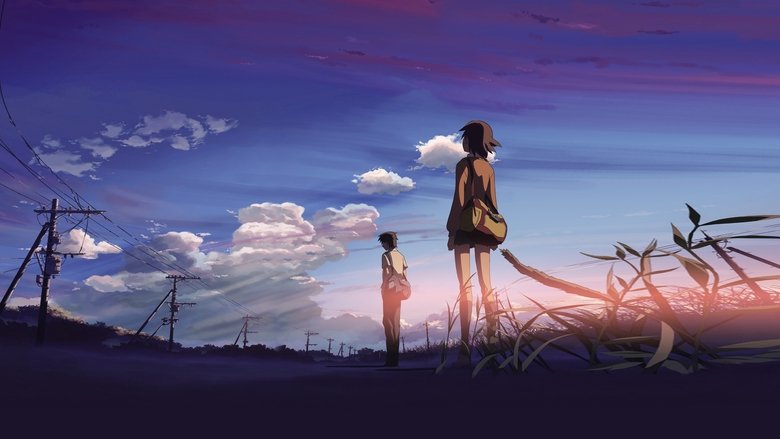
5 Centimeters per Second
2007
-
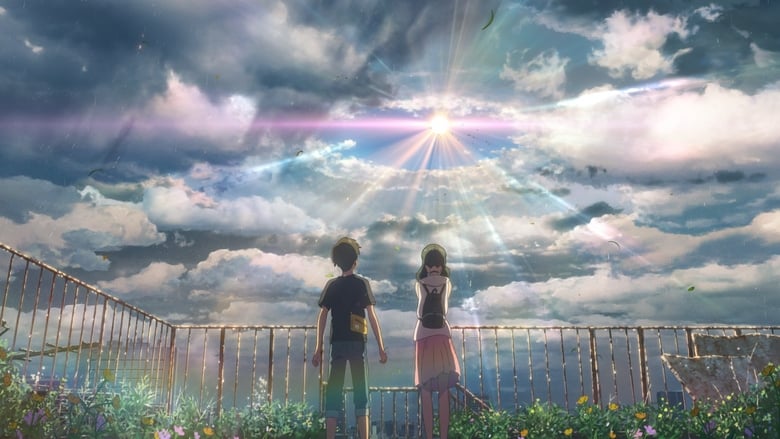
Weathering with You
2019
-

Your Name.
2016
-
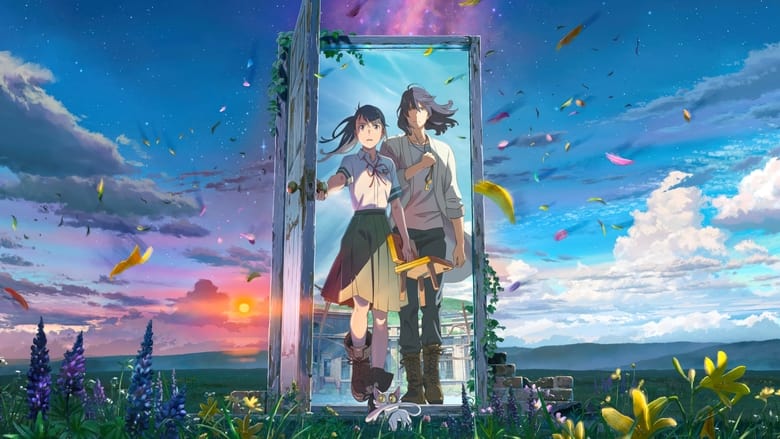
Suzume
2022
-
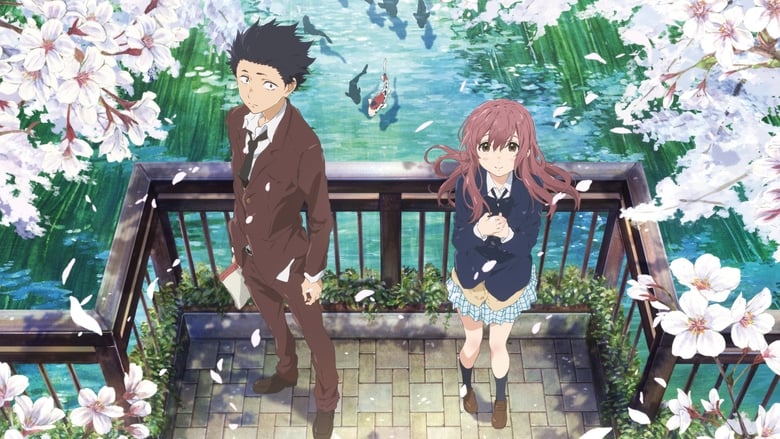
A Silent Voice: The Movie
2016
-
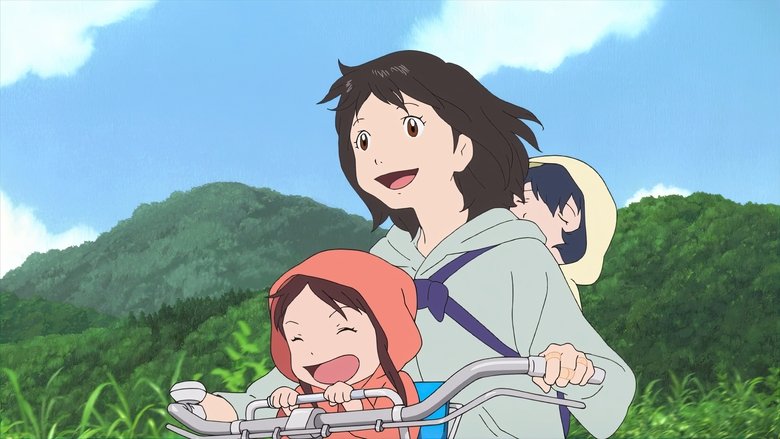
Wolf Children
2012
-
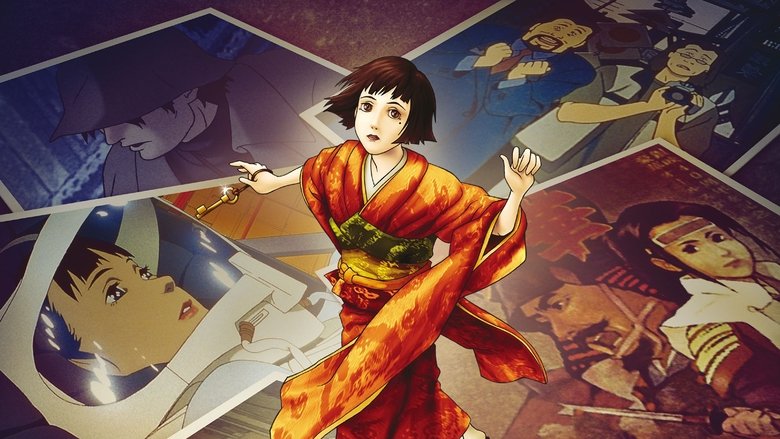
Millennium Actress
2002
-

The Wrestler
2008
-

Three Steps Above Heaven
2010
-
Moonrise Kingdom
2012
-
Whisper of the Heart
1995
-
The Girl Who Leapt Through Time
2006
-
The Lion King II: Simba's Pride
1998
-
The Wind Rises
2013
-

What's Eating Gilbert Grape
1993
-
10 Things I Hate About You
1999
-
Spirit: Stallion of the Cimarron
2002
-

Cinderella Man
2005
-
Corpse Bride
2005
-

Memoirs of a Geisha
2005