The Grandmaster
"Beyond the punch lies the memory."
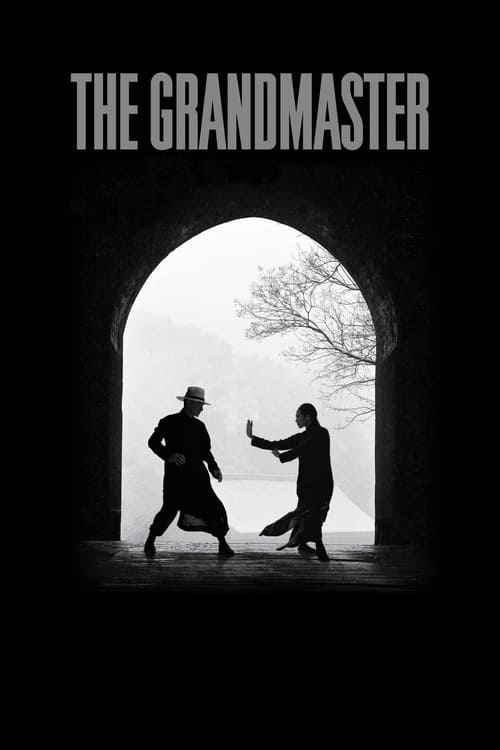
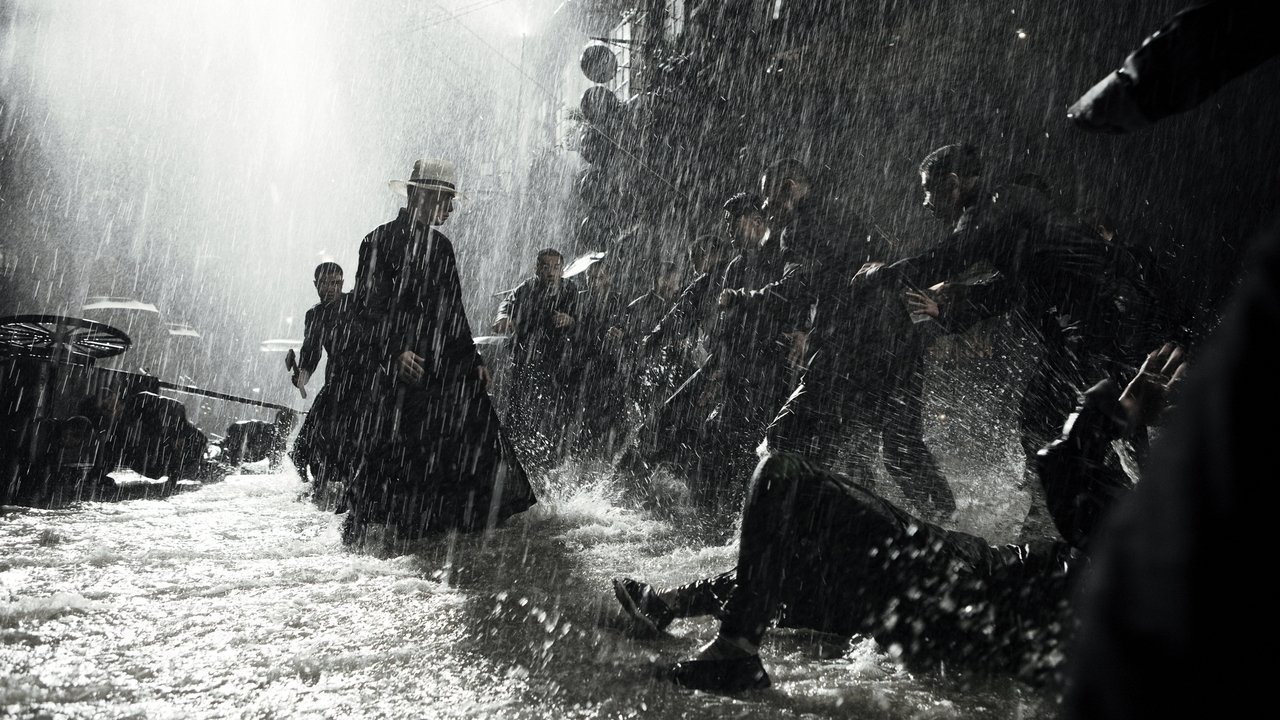
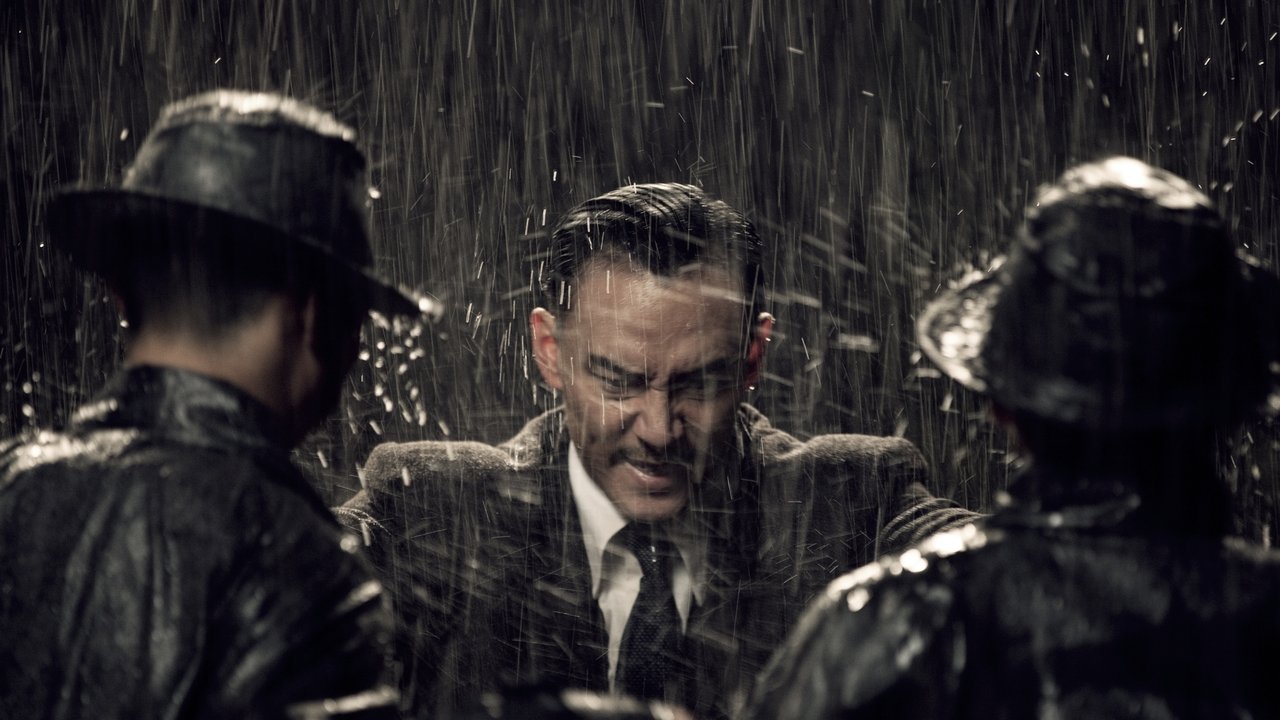
The first time I saw Tony Leung Chiu-wai in a white fedora, standing under a torrential Foshan downpour, I knew I wasn't in for a standard kung fu flick. Most martial arts movies are about the "how"—how many guys can the hero beat up? How fast can he kick? But Wong Kar-Wai is a director obsessed with the "why" and the "when." Released in 2013, The Grandmaster arrived at a weird time for the genre. We were right in the middle of the "Ip Man" craze started by Donnie Yen (John Wick: Chapter 4), which focused on nationalistic pride and bone-crunching choreography.
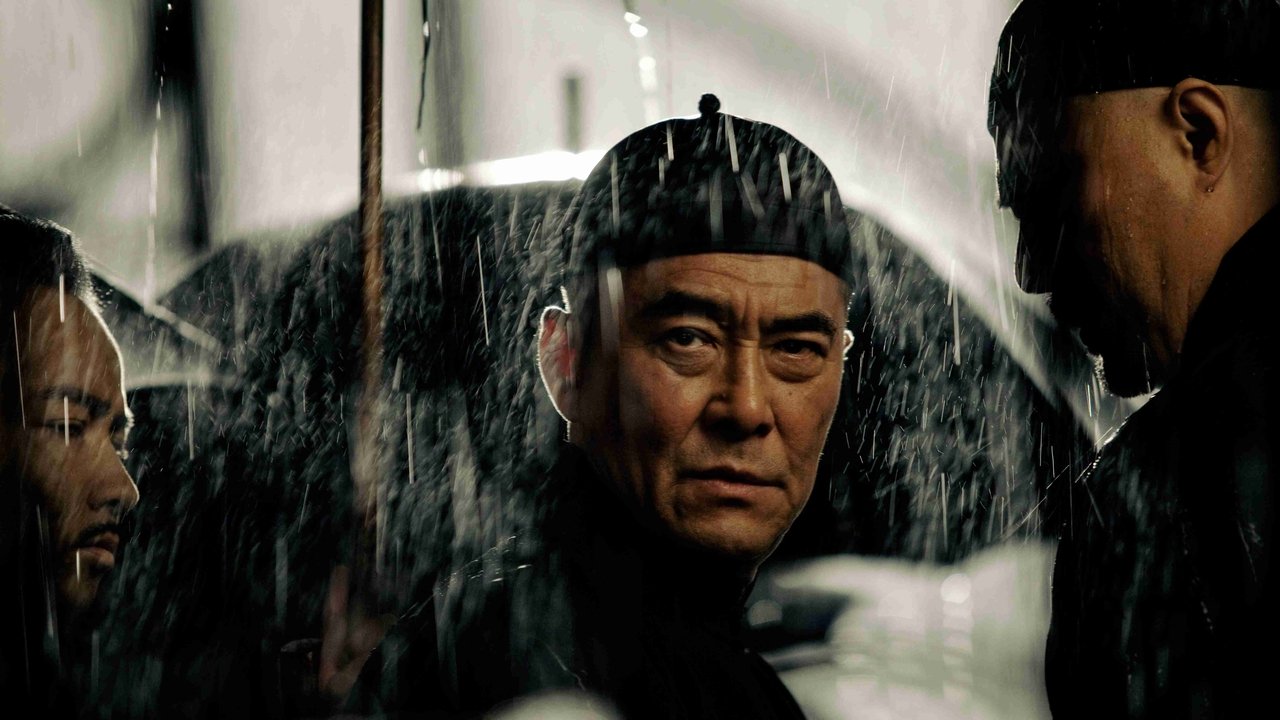
Then came Wong, the poet of Hong Kong cinema, who spent nearly a decade researching and filming his own take on the man who trained Bruce Lee. I watched this for the first time on a laptop with a dying battery while a literal thunderstorm rolled outside my window, and the synchronization of the rain on screen and the rain on my roof made the experience feel like some accidental 4D IMAX event. It’s a film that deserves that kind of atmosphere. It’s not just an action movie; it’s a eulogy for a lost world.
The Art of the Slow-Motion Shiver
If you’re expecting the kinetic, rapid-fire pacing of Crouching Tiger, Hidden Dragon or the grit of The Raid, you might find the rhythm here jarring. Wong and his cinematographer, Philippe Le Sourd, treat every frame like a painting that’s still drying. The action is choreographed by the legendary Yuen Woo-ping (The Matrix), but it’s edited to emphasize grace over impact.
There is a fight early on in a golden-hued brothel—a place where masters meet to talk shop—that feels more like a tango than a duel. When Tony Leung faces off against Zhang Ziyi (who plays Gong Er), the camera focuses on the brushing of sleeves and the shifting of weight. It’s a conversation held with hands. My hot take? This isn’t actually a movie about Ip Man; it’s a tragic biopic of Gong Er disguised as a blockbuster. While Ip Man represents the endurance of the art, Gong Er represents the cost of it. She chooses vengeance and "the old ways" over happiness, and Zhang Ziyi delivers a performance so sharp it could cut glass.
A Masterpiece Lost in Translation
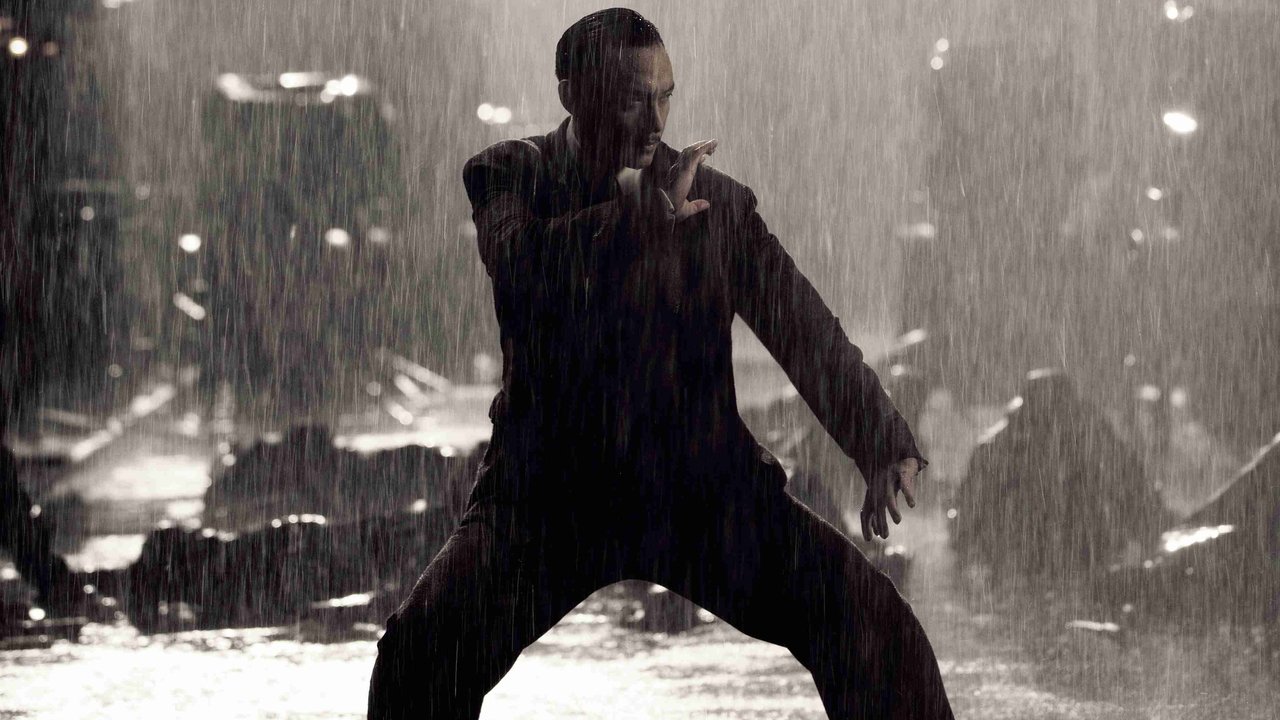
One of the reasons The Grandmaster feels like a "forgotten" gem today is the absolute mess of its international release. If you saw this in a US theater, you likely saw the "Weinstein Cut," which chopped the narrative into a linear, simplified story and added subtitles that explained things like we were five years old. It stripped away the soul of the film. To truly appreciate it, you have to find the Chinese 130-minute cut.
This version captures the transition from the analog traditions of the 1930s to the cold, neon-lit reality of 1950s Hong Kong. Looking back, the film serves as a bridge between the era of practical wire-work and the digital polish of modern cinema. You can see where CGI was used to enhance the snow and the rain, but the physicality of the actors—who trained for years in actual Wing Chun and Bagua—is undeniable. Tony Leung actually broke his arm twice during training. That’s the kind of commitment you don't always see in the era of "we'll fix the stunt in post-production."
The Sound of a Falling World
The score by Shigeru Umebayashi (In the Mood for Love) is haunting. It doesn't pump you up for a fight; it makes you mourn the fact that these people have to fight at all. The sound design is equally meticulous. Every footfall in the snow, every "clack" of a wooden dummy, and the haunting roar of a train during the climactic platform fight adds a layer of sensory overload that is purely Wong Kar-Wai.
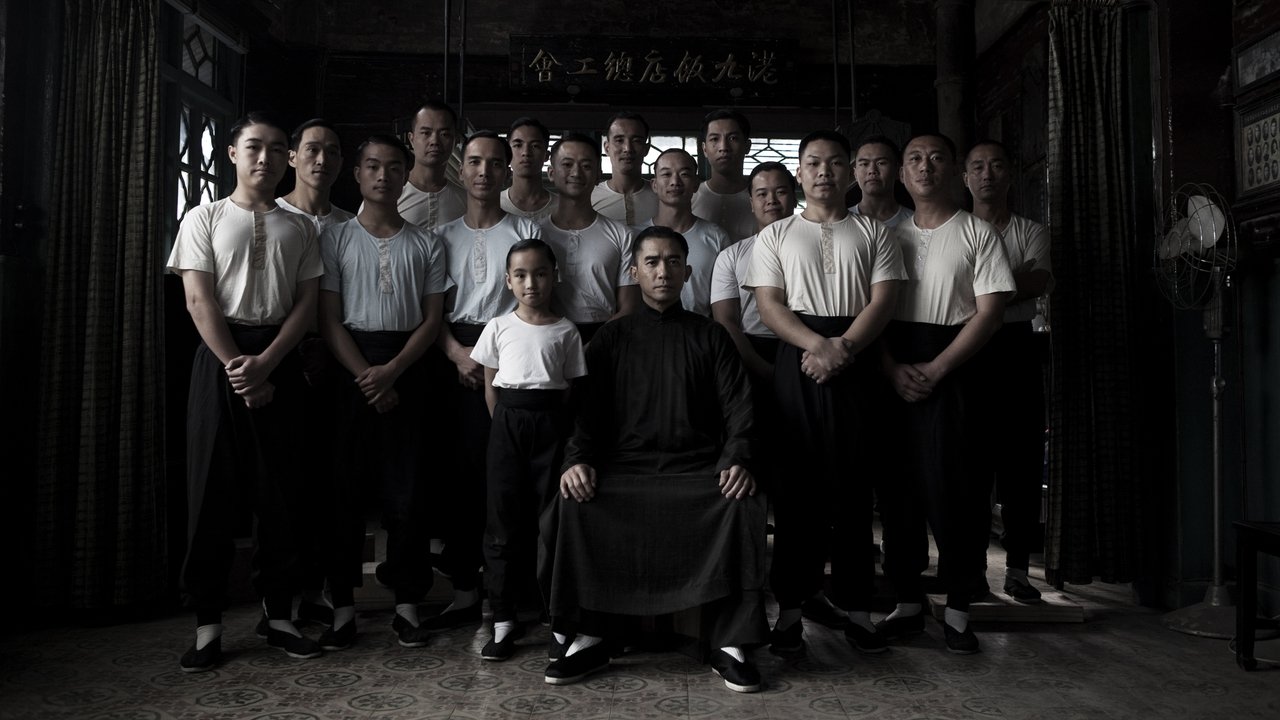
I’ve always felt that the film’s biggest hurdle was its own title. People went in expecting The Grandmaster to be a superhero origin story. Instead, they got a story about a man who survives the war only to realize that his greatest opponent is time itself. It’s a film about the "horizontal and the vertical"—the idea that in martial arts, if you're wrong, you're horizontal (dead), and if you're right, you're vertical (standing). But as Ip Man grows older, you realize that standing alone is its own kind of tragedy.
The Grandmaster is a lush, melancholic experience that demands your full attention. It’s the kind of film that makes you want to wear a trench coat and stare longingly out of a train window while thinking about "the one who got away." While the middle act can feel a bit disjointed due to the massive amount of footage Wong notoriously leaves on the cutting room floor, the sheer visual beauty and the chemistry between Tony Leung and Zhang Ziyi carry it through. If you’ve only ever seen the Donnie Yen versions of this story, do yourself a favor and track down the original cut of this one. It’s a fight for your heart as much as your eyes.
Keep Exploring...
-
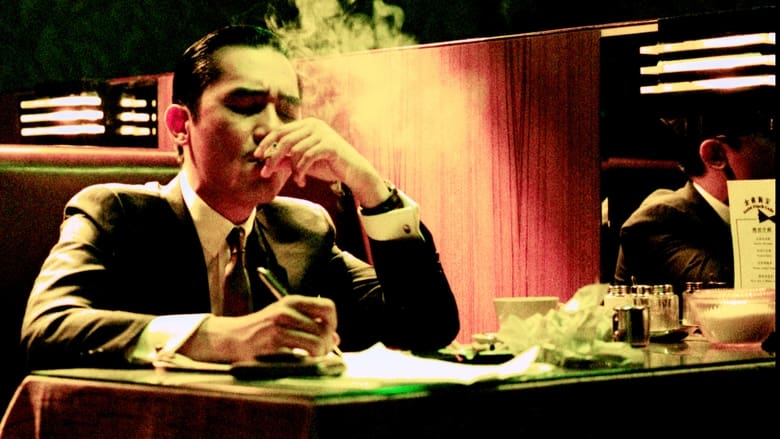
2046
2004
-
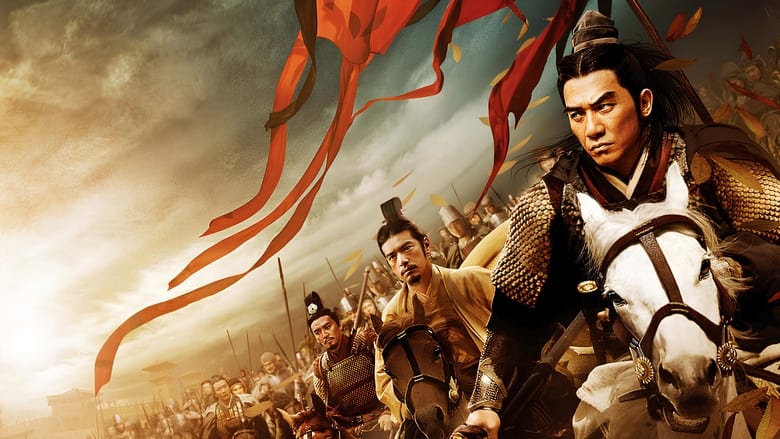
Red Cliff
2008
-
Defiance
2008
-
United 93
2006
-
The Messenger: The Story of Joan of Arc
1999
-
Ip Man 2
2010
-

Hero
2002
-
Fallen Angels
1995
-
The Monuments Men
2014
-
Frost/Nixon
2008
-
Mesrine: Killer Instinct
2008
-
Mesrine: Public Enemy #1
2008
-
Street Kings
2008
-
The Duchess
2008
-
Cell 211
2009
-
Harry Brown
2009
-
The Young Victoria
2009
-
Valhalla Rising
2009
-

13 Assassins
2010
-
Centurion
2010