The Great Beauty
"The party is loud, but the silence is louder."
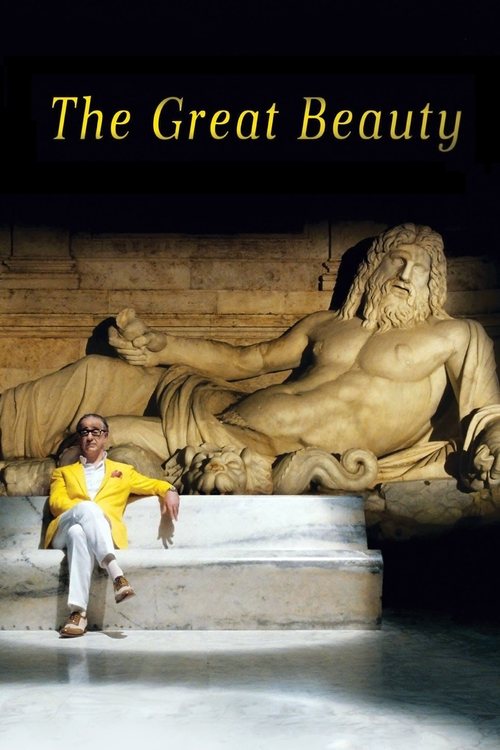
A Japanese tourist drops dead from a heart attack while taking a photo of Rome’s skyline in the opening minutes of The Great Beauty. It’s a literal interpretation of Stendhal syndrome—the idea that art can be so overwhelming it actually kills you. It’s also exactly how I felt the first time I sat through Paolo Sorrentino’s 2013 masterpiece. I watched it on a Tuesday night while eating a slightly soggy microwave burrito, and the sheer, unearned elegance on screen made me feel like a total barbarian for existing in such a mundane reality.
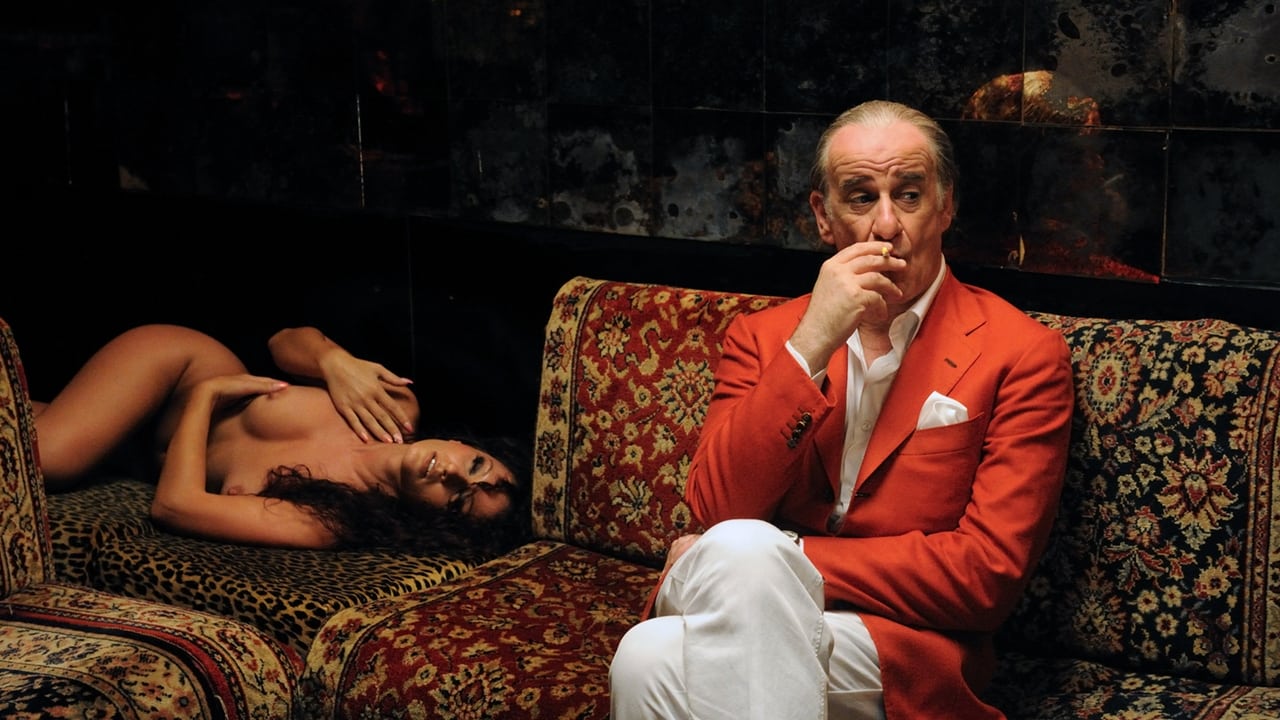
By 2013, the "Modern Cinema" era was fully grappling with the death of film stock and the rise of digital crispness. While many directors were using digital to make everything look like a gritty Bourne sequel, Paolo Sorrentino and his cinematographer Luca Bigazzi used it to create a dreamscape so saturated and fluid it felt like being dipped in liquid gold. Looking back from a decade away, The Great Beauty (or La grande bellezza) stands as the ultimate counter-argument to the idea that digital cinematography lacks soul.
The King of the High Life
At the center of this swirling Roman circus is Jep Gambardella, played with a weary, feline grace by Toni Servillo. Jep is a journalist, a socialite, and a one-hit-wonder novelist who has spent forty years being the "king of the high life." He doesn't just attend the parties; he has the power to make them fail. Toni Servillo gives one of those performances where you can’t tell where the tailored Cesare Attolini suit ends and the actor begins. He spends the movie wandering through 2:00 AM roof parties and ancient 15th-century gardens, looking for... something.
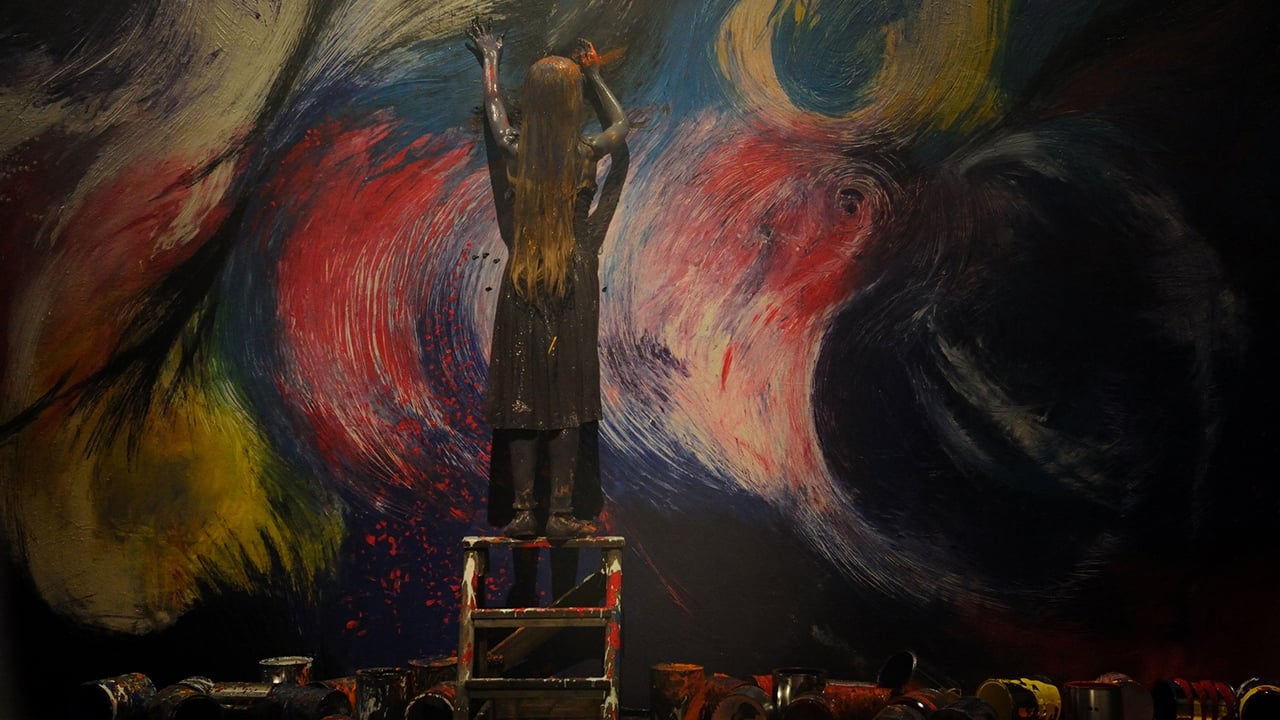
The catalyst is the death of an old flame, a woman he loved in his youth before the cynicism of Roman high society calcified his heart. It’s a drama, sure, but it’s a drama of the soul. There’s a scene where Jep confronts a pretentious woman at a dinner party, systematically dismantling her life's lies with the precision of a surgeon. It’s brutal, funny, and deeply sad. My personal hot take? Performance art in this movie is depicted as a hilarious scam for people who have forgotten how to actually feel things. Whether it’s a girl slamming her head into a stone bridge or a kid throwing paint at a canvas while crying, Sorrentino isn't afraid to poke fun at the "intellectual" elite he’s documenting.
A Rome You Can't Find on a Map

The film is often compared to Federico Fellini’s La Dolce Vita, and while the DNA is there, The Great Beauty feels more like a post-9/11 hangover. It’s about the exhaustion of decadence. The production design and locations are staggering. They shot in real Roman villas and hidden palaces that most tourists will never see. There’s a rumor that the production had to navigate intense bureaucratic red tape to get permission to film near certain monuments, but the result is a version of Rome that feels like a character itself—ancient, bored, and impossibly beautiful.
One of the most "2013" things about the film is its score. Lele Marchitelli blends sacred choral music with thumping, trashy European club hits. One minute you’re listening to Arvo Pärt, and the next you’re listening to a remix of "Far l'amore" while a conga line of botoxed socialites snakes across a terrace. It perfectly captures that era’s collision of high art and digital-age disposable culture.
The Trick and the Truth
Is it pretentious? Maybe a little. But it’s self-aware about it. Jep eventually meets a 104-year-old saint who eats only roots and climbs the Holy Stairs on her knees. It sounds ridiculous, and it is, but the film treats her with a strange, shimmering reverence. It asks a very "cerebral" question: In a world of artifice, what is actually real?
The behind-the-scenes trivia is just as colorful as the film. Apparently, the scene involving a giraffe disappearing in the middle of a Roman ruin used a mix of a real animal and digital touch-ups, embodying that transition point in cinema where the "impossible" became a standard tool. The film went on to win the Oscar for Best Foreign Language Film, a moment that felt like a return to form for Italian cinema on the world stage. Interestingly, Toni Servillo and Paolo Sorrentino have a director-actor shorthand that rivals Scorsese and De Niro, having worked together on Il Divo and later Loro. You can feel that trust in every frame; Sorrentino knows exactly how long to hold the camera on Servillo’s face to let a thought register.
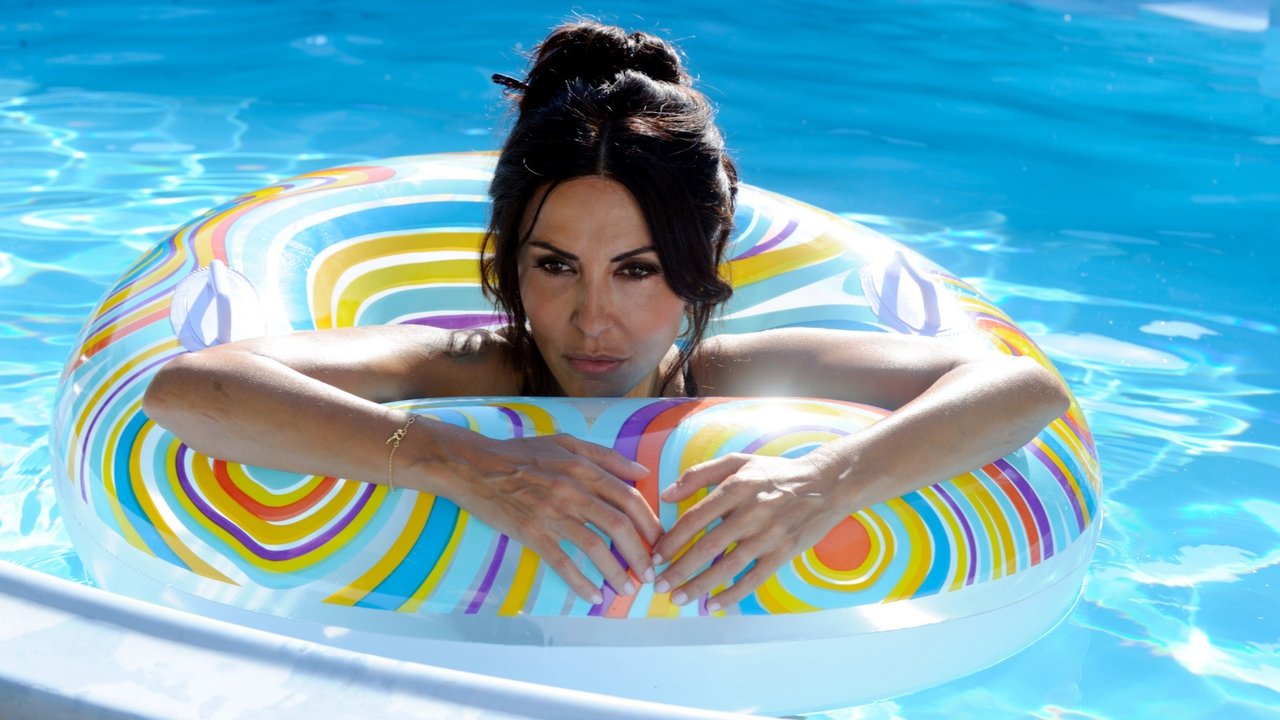
I've returned to this movie three times now. Each time, I find a new "cool detail"—like the fact that the opening quote from Louis-Ferdinand Céline basically tells you the whole movie is an imaginary journey. Or the way Sabrina Ferilli, playing a weary stripper named Ramona, provides the only grounded, human heartbeat in Jep’s world of ghosts.
In the end, Jep tells us that "it's all a trick." Maybe it is. But when the trick looks this good, I don’t mind being fooled. The Great Beauty isn't a movie you watch for the plot—you watch it to soak in the atmosphere of a man realizing that his life is nearly over and he’s forgotten to look at the sunset. It’s recent enough to feel modern, but its obsession with history makes it feel timeless. If you’ve ever felt like the party was over but you weren't quite ready to go home, this is your film. Just maybe skip the microwave burrito while watching it.

Keep Exploring...
-
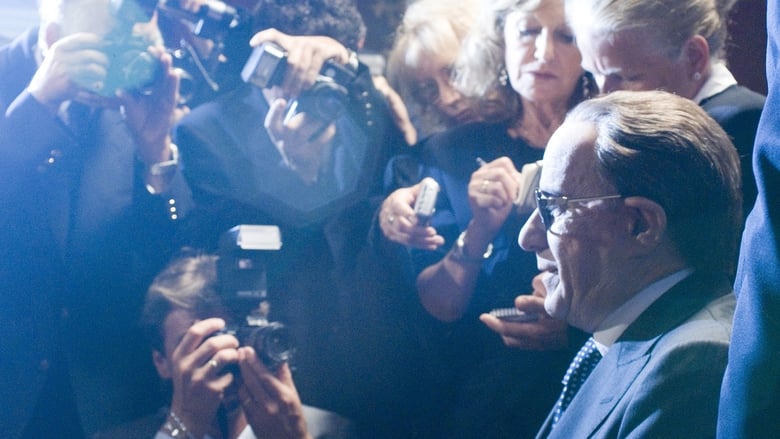
Il Divo
2008
-
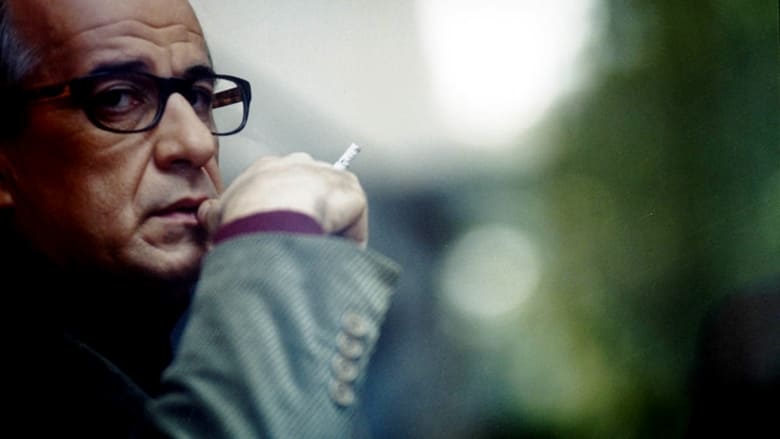
The Consequences of Love
2004
-
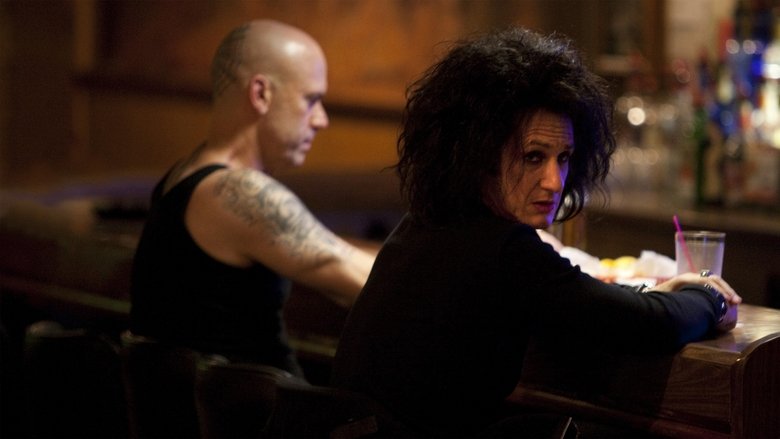
This Must Be the Place
2011
-
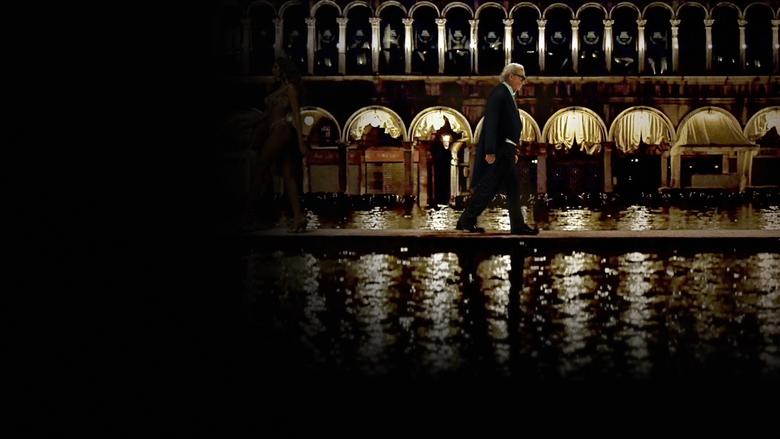
Youth
2015
-
The Hand of God
2021
-
Ip Man
2008
-
The Wrestler
2008
-

Moon
2009
-
Moonrise Kingdom
2012
-
Rush
2013
-
The Book Thief
2013
-
The Legend of 1900
1998
-

Three Steps Above Heaven
2010
-
Wolf Children
2012
-
The Garden of Words
2013
-
Awakenings
1990
-

What's Eating Gilbert Grape
1993
-
Boogie Nights
1997
-
10 Things I Hate About You
1999
-
All About My Mother
1999