The Great Gatsby
"Glitter, greed, and the ultimate American lie."
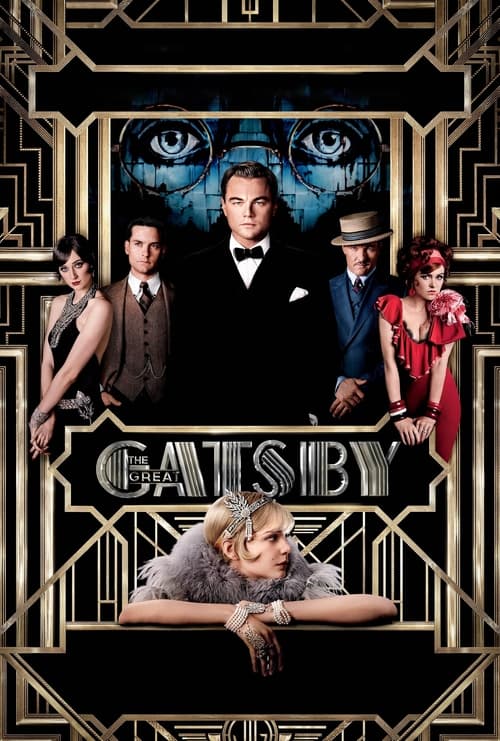
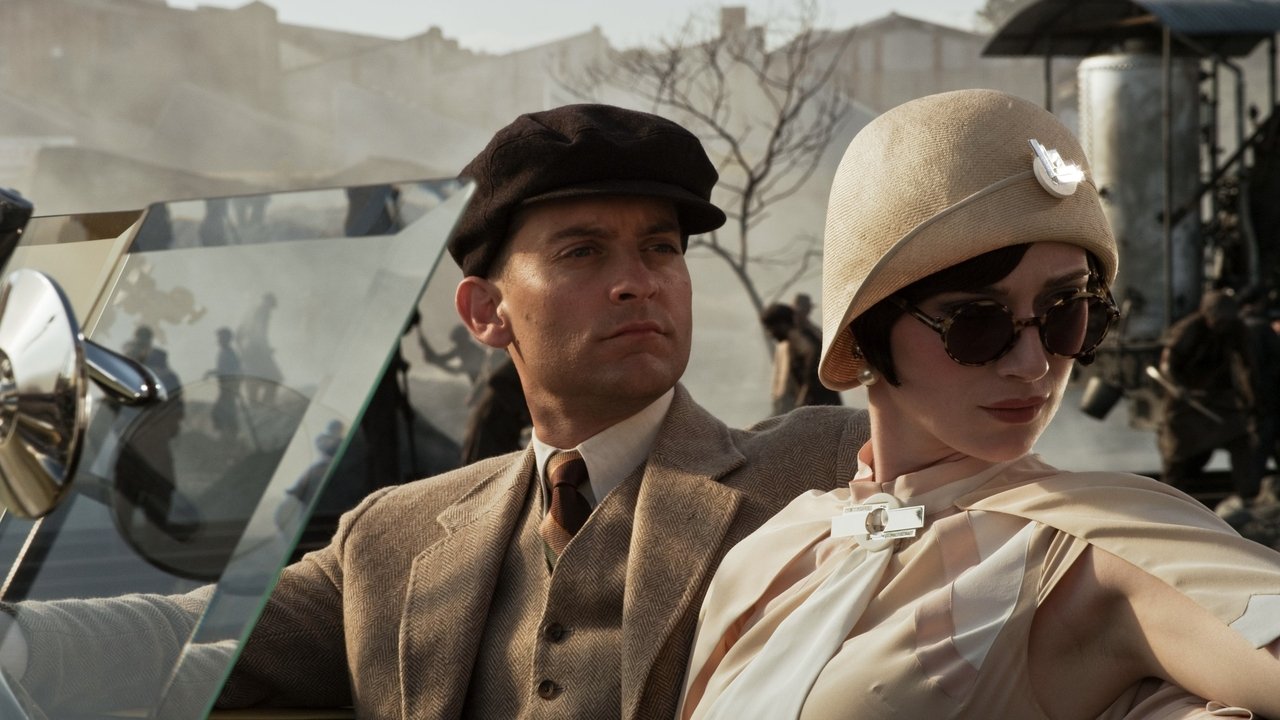
Baz Luhrmann treats F. Scott Fitzgerald’s prose less like a sacred text and more like a blueprint for the most expensive nightclub ever built. When the lights first hit the screen in his 2013 adaptation of The Great Gatsby, you aren't just watching a movie; you’re being conscripted into a $105 million fever dream of digital gold and popping corks. It is loud, it is gaudy, and it is unapologetically "Baz," which is exactly why I find it so fascinating to look back on a decade later.

I watched this film again recently while wearing a pair of itchy wool socks my aunt gave me for Christmas, and the sensory discomfort actually helped me relate to the stifling social pressure of the East Egg dinner scene. It’s a movie that demands you feel something, even if that something is just a slight headache from the sheer velocity of the camera work.
Digital Gold and Roaring CGI
Released during the tail end of the post-Avatar 3D craze, The Great Gatsby remains one of the few dramatic films that actually tried to use three dimensions for something other than throwing rocks at the audience. Luhrmann used the depth to create a sense of voyeurism, making us feel like Tobey Maguire's Nick Carraway—the Midwestern tag-along who narrates the wreckage of the wealthy.
Looking back, the CGI is a perfect reflection of the 1990-2014 transition period. While we often praise practical effects, Luhrmann leaned hard into the digital "unrealness" to capture Gatsby’s Long Island. The sets weren't built in New York; the production took place almost entirely in Australia. The result is a hyper-saturated, dreamlike version of the 1920s that feels more like a memory than a history lesson. The film is essentially a glitter-cannon fired directly into the face of American literature, and while purists recoiled, I think it captured the "nouveau riche" gaudiness Fitzgerald was describing better than any "realistic" version could.
The Man in the Pink Suit
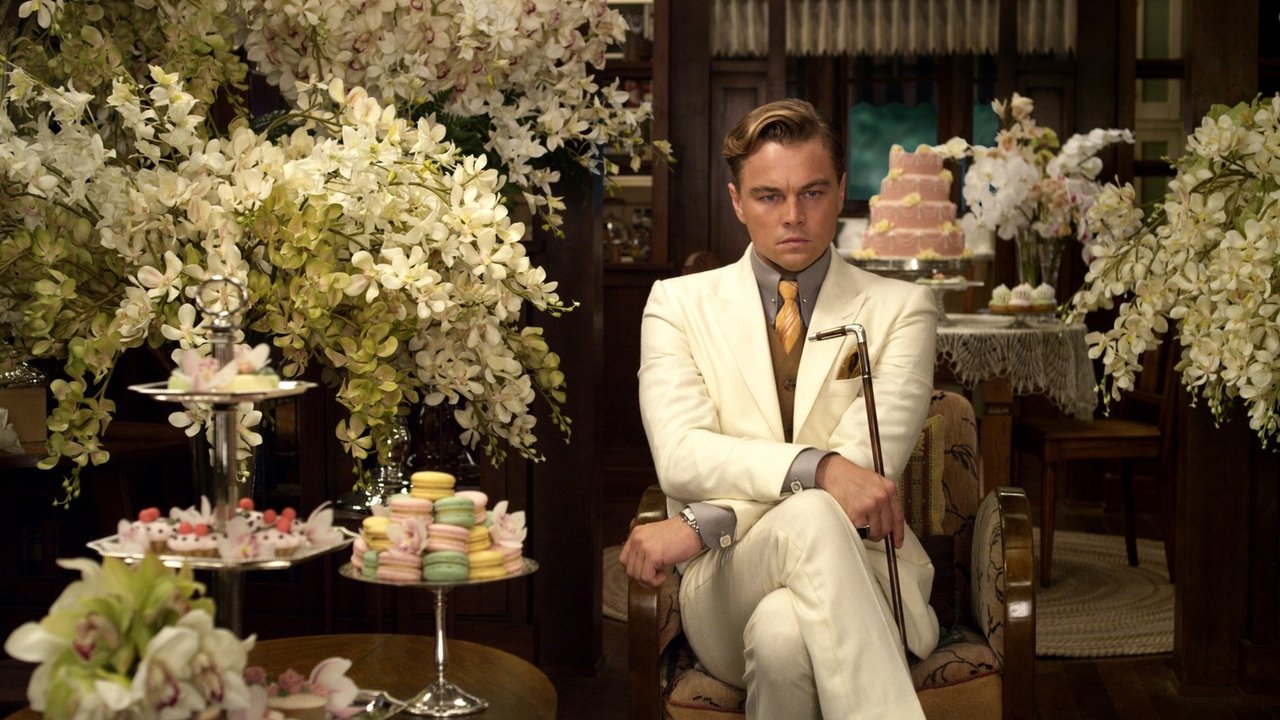
The casting here is nothing short of surgical. Leonardo DiCaprio was the only actor on the planet who could have played Jay Gatsby in 2013. He had reached that specific level of movie stardom where his actual life—the mystery, the wealth, the untouchability—mirrored the character. His first appearance, turning toward the camera as fireworks explode to the "Ode to Joy," is one of the most shamelessly "movie star" moments in modern cinema history. DiCaprio (who previously worked with Luhrmann on the 1996 hit Romeo + Juliet) finds the tragic little boy hiding behind the "Old Sport" persona, and it remains one of his most underrated turns.
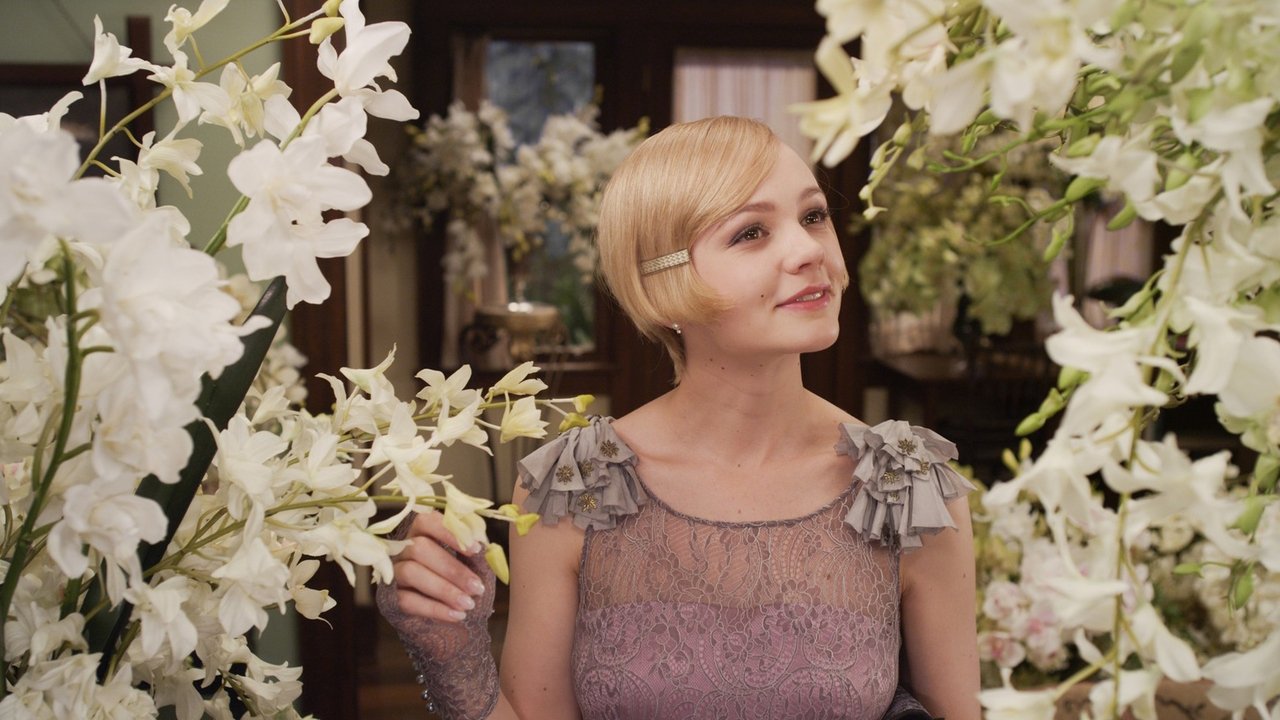
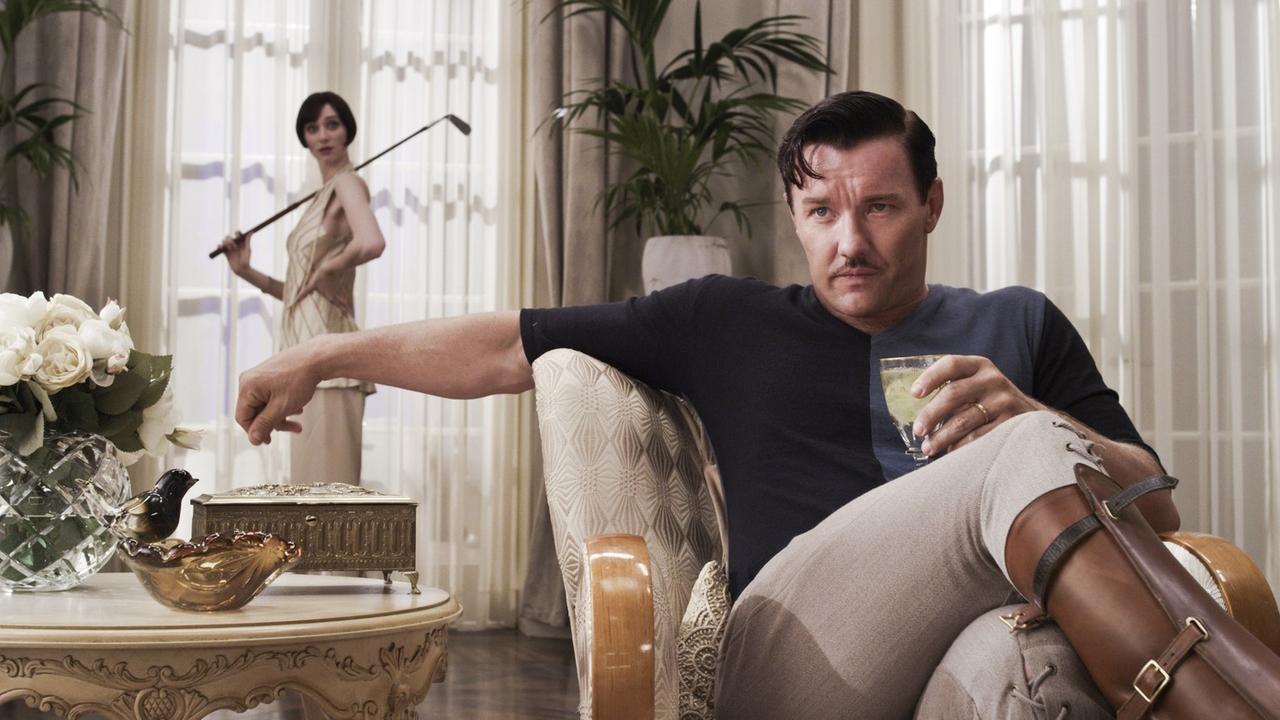
Then there is Carey Mulligan as Daisy Buchanan. She plays the "beautiful little fool" with a fragile, airy desperation that makes you understand why a man would throw away a fortune for her. But for me, the MVP is Joel Edgerton (Warrior, The King) as Tom Buchanan. He is a looming, physical threat in every scene, a man who uses his old money like a blunt instrument. His chemistry with Isla Fisher, who plays the doomed Myrtle Wilson, adds a grit to the film that balances out the CGI fluff. And let's not forget Elizabeth Debicki in her breakout role as Jordan Baker; she looks like she was carved out of Art Deco marble.
A Billion-Dollar Party
What really cemented The Great Gatsby as a cultural phenomenon wasn't just the acting, but the marketing machine behind it. This was a blockbuster drama that behaved like a superhero movie. The soundtrack, executive produced by Jay-Z, was a massive risk that paid off, blending 1920s jazz with hip-hop and alt-rock. It debuted at #2 on the Billboard 200 and made the "Gatsby" aesthetic the dominant theme for every wedding and prom for the next three years.
The film's commercial footprint was staggering. Despite mixed reviews from critics who found it too flashy, it raked in over $351 million worldwide. It wasn't just a movie; it was a brand. Tiffany & Co. provided over 1,500 pieces of jewelry for the production, and Brooks Brothers launched a "Gatsby Collection" based on the costumes designed by Catherine Martin. It captured the 2013 zeitgeist—a strange moment of post-recession recovery where we were all obsessed with the aesthetics of excess while being wary of the people who owned it. Tobey Maguire spends half the movie looking like a confused golden retriever who accidentally wandered into a rave, and honestly, that was the vibe of the entire era.
The production itself was a series of "too much is never enough" stories. Apparently, they used so much fake snow during the winter scenes that it had to be shoveled out like the real thing. It’s also one of the few times a period drama has ever set a box office record for its opening weekend, proving that audiences were hungry for a "spectacle" that didn't involve capes or aliens.
Ultimately, The Great Gatsby is a magnificent contradiction. It is a film about the hollowness of wealth that was produced with more wealth than most countries see in a year. It’s chaotic, over-the-top, and occasionally exhausting, but it’s never boring. Luhrmann’s vision of the Jazz Age is a technicolor nightmare that reminds us why we still talk about Jay Gatsby a century later. It’s a tragedy wrapped in a neon-lit party, and while it might not be subtle, it’s a hell of a ride.
Keep Exploring...
-

Romeo + Juliet
1996
-
Moulin Rouge!
2001
-
Australia
2008
-
Sex and the City
2008
-

The Twilight Saga: Breaking Dawn - Part 2
2012
-
The Beach
2000
-
Revolutionary Road
2008
-
Titanic
1997
-

Forgetting Sarah Marshall
2008
-

High School Musical 3: Senior Year
2008
-
Step Up 2: The Streets
2008
-
The Reader
2008
-
Hannah Montana: The Movie
2009
-
He's Just Not That Into You
2009
-
The Proposal
2009
-

Up in the Air
2009
-

Charlie St. Cloud
2010
-

Dear John
2010
-
Love & Other Drugs
2010
-
Step Up 3D
2010