The Green Inferno
"Dinner is served. And it's you."
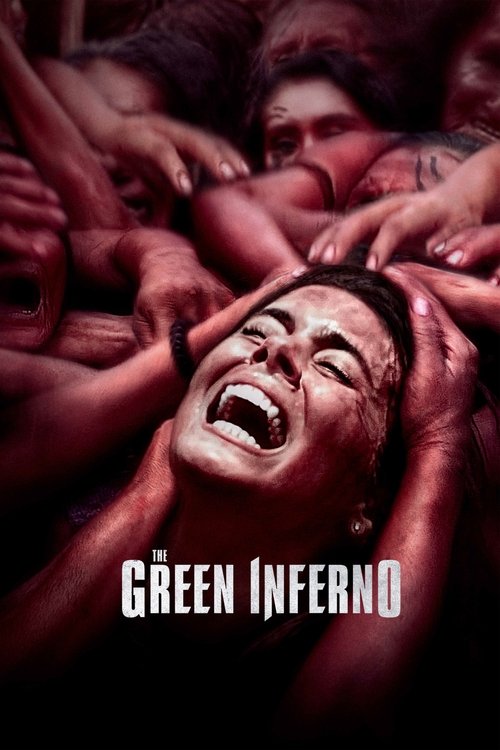
The image of a college student in a bright yellow windbreaker, frantically trying to find a cell signal while surrounded by a tribe of painted warriors, is perhaps the defining "Modern Cinema" nightmare of the early 2010s. It’s the ultimate collision of first-world entitlement and primal reality. When Eli Roth returned to the director's chair for The Green Inferno, he wasn't just looking to revive the "Cannibal" subgenre that had been dormant since the grainy, VHS-era notoriety of Cannibal Holocaust; he was looking to skewer the burgeoning age of "slacktivism."
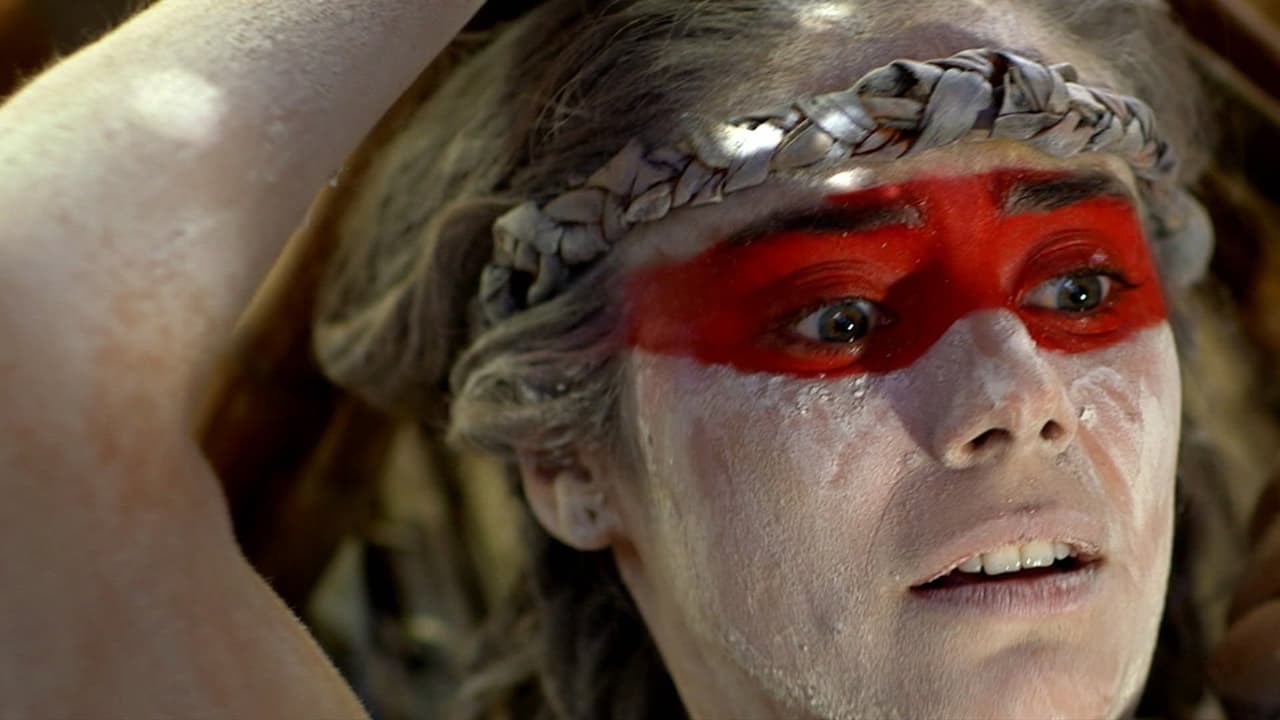
I watched this film on a laptop while my cat was hacking up a hairball in the corner, and the rhythmic, wet sounds of feline distress provided a surprisingly fitting Foley track to the onscreen carnage. It’s that kind of movie—one that thrives on making your stomach do somersaults while your brain tries to decide if it’s okay to laugh at the sheer audacity of it all.
Slactivism Meets the Meat Grinder
The story follows Justine, played with a wide-eyed vulnerability by Lorenza Izzo, a freshman who gets lured into a campus activist group by the charismatic Alejandro (Ariel Levy). Their mission? Fly to the Amazon, chain themselves to trees, and use their iPhones to livestream a logging operation, thus "shaming" a corporation into stopping the destruction of an indigenous tribe's land. It’s a very 2013 conceit—the idea that a hashtag and a viral video are the most powerful weapons in the world.
Roth spends a surprising amount of time in New York setting up these characters, and honestly, he makes them so insufferable that you’re almost rooting for the plane to crash. Seeing Daryl Sabara—yes, Juni Cortez from Spy Kids—as a stoner activist is the kind of "where are they now?" casting that keeps you on your toes. When the plane finally does go down, the film shifts from a social satire into a grueling survival horror. The transition from the bright, sterile world of academia to the suffocating, oversaturated greens of the rainforest is jarring. The cinematography by Antonio Quercia makes the jungle look beautiful but claustrophobic, a vast emerald trap that has no interest in being "saved."
A Masterclass in Practical Gross-Outs
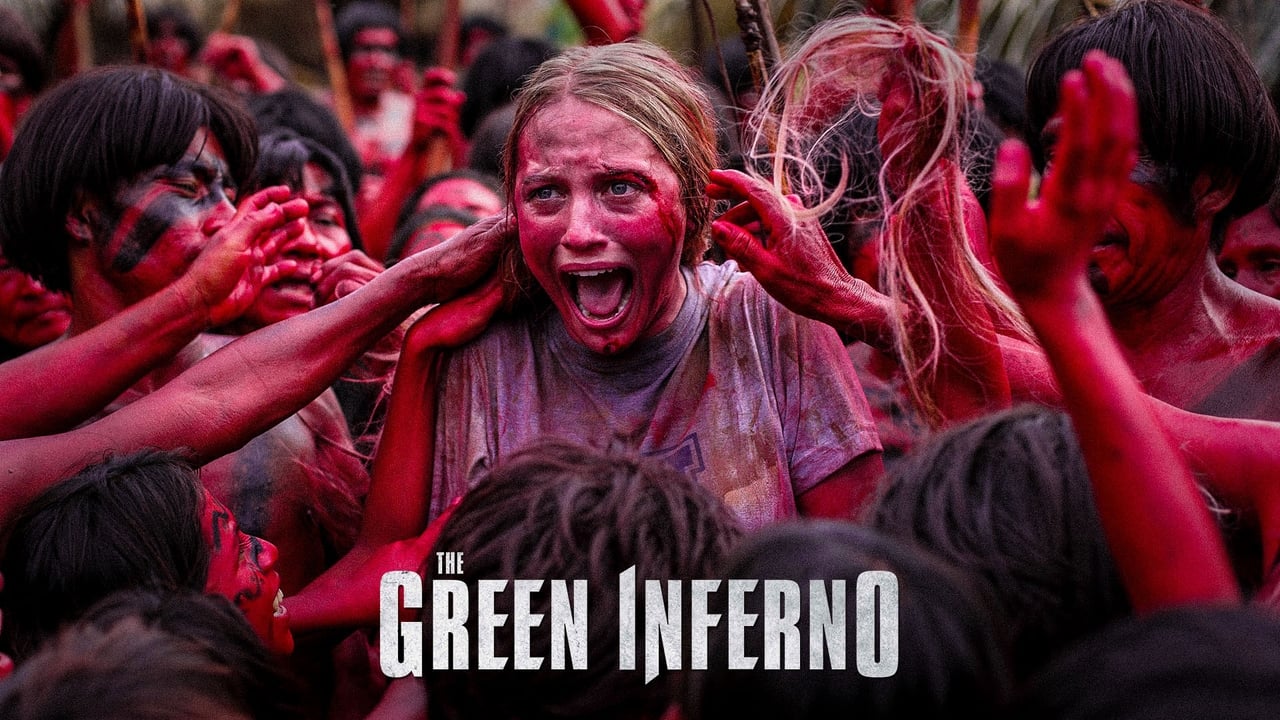
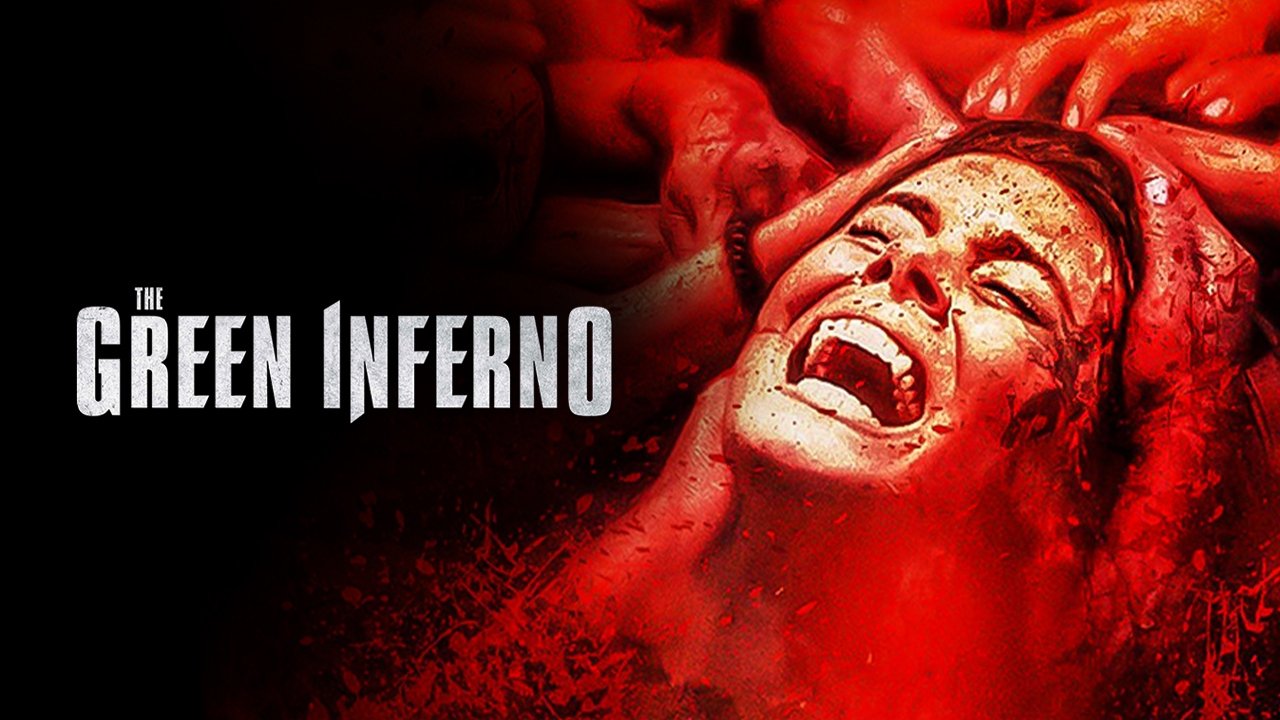
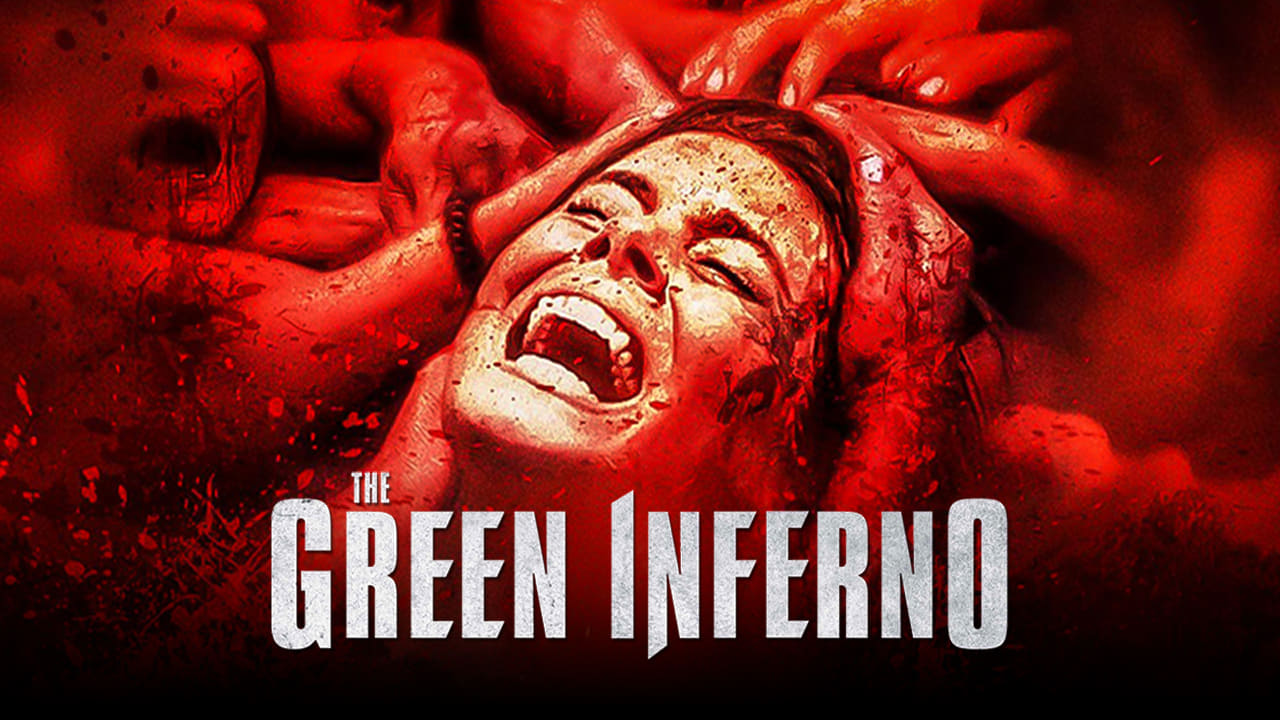
Once the surviving students are captured by the very tribe they were trying to protect, the "Horror" part of the Adventure/Horror genre tag kicks in with a vengeance. This is where Roth really earns his "Splat Pack" reputation. In an era where CGI blood was becoming the lazy industry standard, The Green Inferno feels like a stubborn, gore-soaked middle finger to digital effects. Working with the legends at KNB EFX Group, Roth leans heavily into practical makeup that feels uncomfortably real.
The first "meal" scene is a sustained exercise in dread that I found genuinely difficult to watch without squinting through my fingers. It’s not just the gore; it’s the sound design—the wet snaps, the rhythmic chanting, and the casual, domestic way the tribe prepares their food. Ramón Llao, as the Bald Headhunter, doesn't need a single line of dialogue to be terrifying; his presence is purely physical. The film captures that specific post-9/11 anxiety of being in a place where your rules, your logic, and your technology mean absolutely nothing. Your "rights" don't exist when you're being seasoned with salt.
The Ghost of 1980s Exploitation
Looking back, The Green Inferno is a fascinating relic of the early 2010s "re-quel" movement—not a remake, but a spiritual successor to the Italian cannibal films of the late 70s and early 80s. Roth even dedicated the film to Ruggero Deodato, the director of Cannibal Holocaust. However, it lacks the faux-documentary "found footage" grit of those earlier films, opting instead for a slick, high-definition look that makes the violence feel more like a dark comic book than a snuff film.
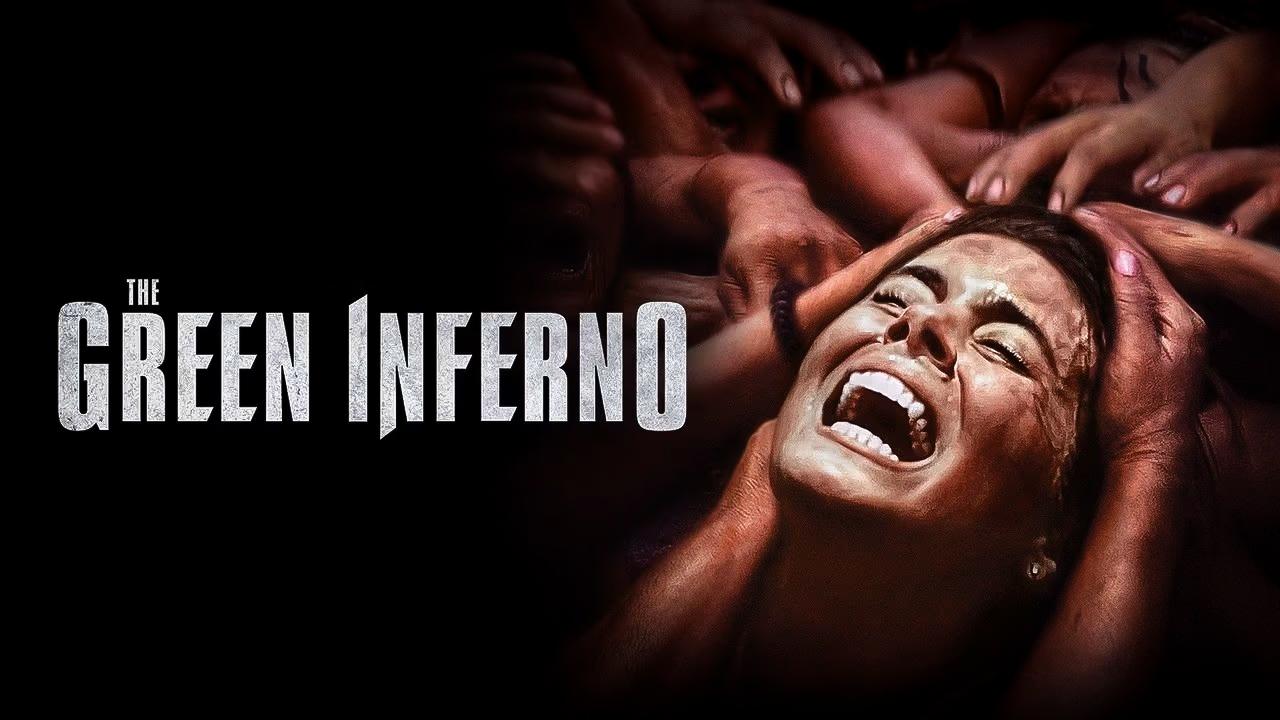
The movie’s path to the screen was almost as tortured as its characters. Despite premiering in 2013, it sat on a shelf for two years due to the financial collapse of Worldview Entertainment. By the time it finally hit theaters in 2015, the "torture porn" wave had mostly receded, replaced by the supernatural "elevated horror" of The Babadook or It Follows. This left The Green Inferno as a bit of an oddity—a throwback to a more mean-spirited, visceral style of filmmaking that felt slightly out of step with the shifting cultural mood. It’s a movie that hates its protagonists almost as much as the cannibals do, and that cynicism can be a hard sell.
Ultimately, The Green Inferno is a film that knows exactly what it is. It’s a high-budget B-movie that wants to make you gag and then make you feel guilty for laughing at a joke about a "munchies" bag of weed. It’s not a masterpiece, and it certainly isn't for the faint of heart (or stomach), but it’s a vital piece of the 2010s horror landscape because it dared to be unapologetically gross in an increasingly sanitized digital world.
If you’re a fan of physical effects and you can stomach a heavy dose of "mean-spirited" irony, it’s worth a look. Just maybe skip the snacks while you watch. Eli Roth’s jungle doesn't care about your hashtags, and it certainly doesn't care about your gag reflex. It’s a messy, loud, and frequently hilarious reminder that sometimes, the world doesn't want to be saved—it just wants to eat.
Keep Exploring...
-

Hostel: Part II
2007
-
Cabin Fever
2003
-
Hostel
2006
-
The Descent: Part 2
2009
-

Brotherhood of the Wolf
2001
-
The Covenant
2006
-

Silent Hill: Revelation 3D
2012
-
The Possession
2012
-

The Tall Man
2012
-

The Nut Job
2014
-

Resident Evil: Afterlife
2010
-
Harold & Kumar Escape from Guantanamo Bay
2008
-
Mirrors
2008
-

Nim's Island
2008
-
Quarantine
2008
-
Sex Drive
2008
-

The Eye
2008
-

The Midnight Meat Train
2008
-
The Ruins
2008
-

Untraceable
2008