The Hobbit: The Desolation of Smaug
"A golden dragon, a barrel ride, and the middle-child syndrome."
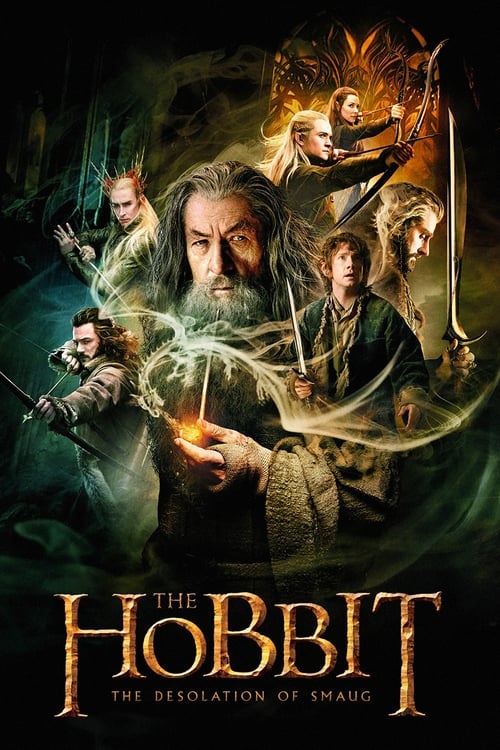
I remember sitting in the theater back in 2013, tucked into a seat so far in the back that I could hear the projector whirring, wrapped in a hoodie because the air conditioning was set to "Subarctic Tundra." I had a bag of overpriced M&Ms and a nagging sense of skepticism. After the somewhat sluggish start of An Unexpected Journey, I wasn't sure if Peter Jackson could recapture the lightning in a bottle that was the original Lord of the Rings trilogy.
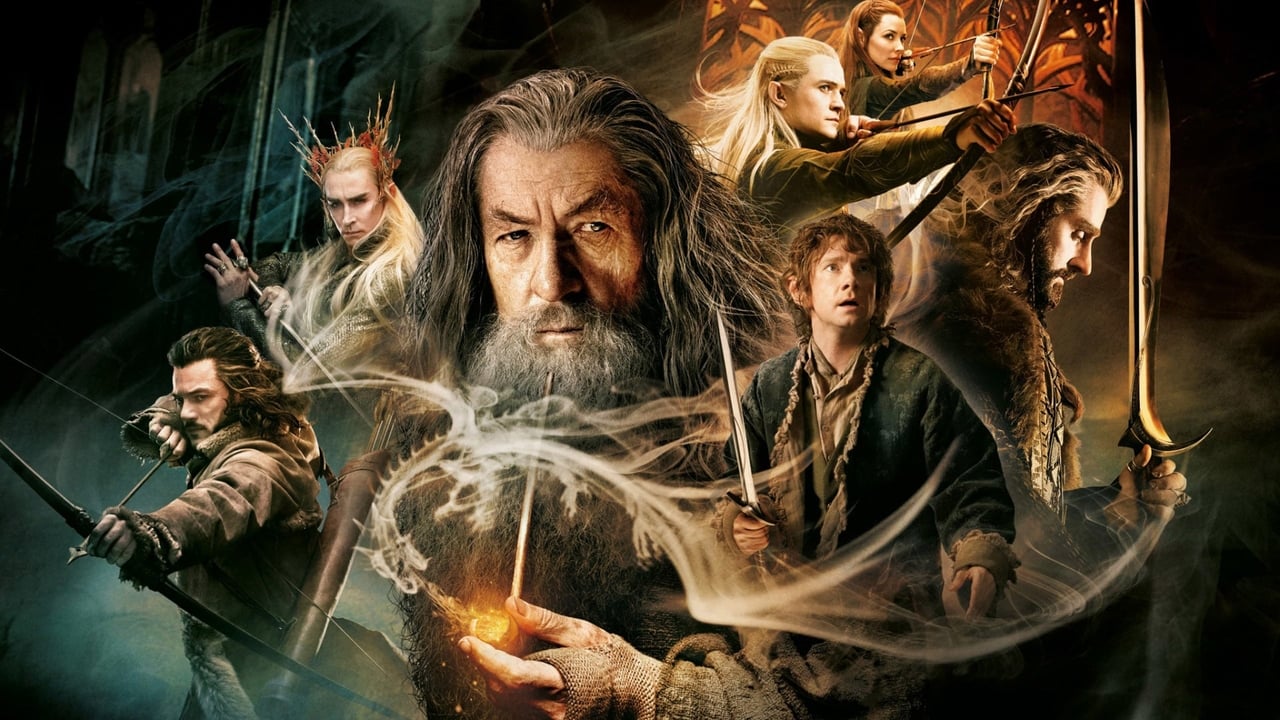
The Desolation of Smaug is the definitive "middle child" of the Hobbit trilogy. It lacks the cozy introduction of the first film and the (eventual) apocalyptic scale of the third. But looking back at it now, through the lens of a decade’s worth of franchise fatigue and CGI evolution, this is easily the most "fun" entry of the bunch. It’s a movie that feels like a massive, 161-minute kinetic engine, even if some of the parts are made of high-gloss digital plastic.
The Physics of a Barrel Ride
If you want to understand how action cinema shifted between 2003 and 2013, look no further than the Mirkwood barrel sequence. In the original trilogy, the action felt heavy, grounded, and terrifying. Here, Jackson leans into his inner "splat-stick" horror roots, turning a river escape into a Rube Goldberg machine of flying Orc heads and elven gymnastics.
The choreography is genuinely inventive. Watching Orlando Bloom's Legolas use a dwarf’s head as a stepping stone is the kind of physics-defying nonsense that makes purists weep and kids cheer. The camera moves with a weightless, digital freedom that wasn't possible a decade earlier. It’s clear that the production utilized every cent of that $250 million budget. Between the GoPro-style water shots and the frantic editing, the sequence has a rhythm that mimics a theme park ride. It’s thrilling, but it also marks the moment where the franchise fully embraced its status as a "digital blockbuster" rather than a "historical epic."
The stunts here are a blend of incredible physical performance and digital "augmentation." While Richard Armitage and the rest of the dwarf cast spent months training with weapons, many of the more "impossible" movements were handed over to the wizards at Weta Digital. This film was a landmark for the transition from practical suits to digital Orcs, and while it lacks the tactile "grunt" of the Uruk-hai from The Fellowship of the Ring, the sheer scale of the encounters is undeniably impressive.
A Voice in the Dark
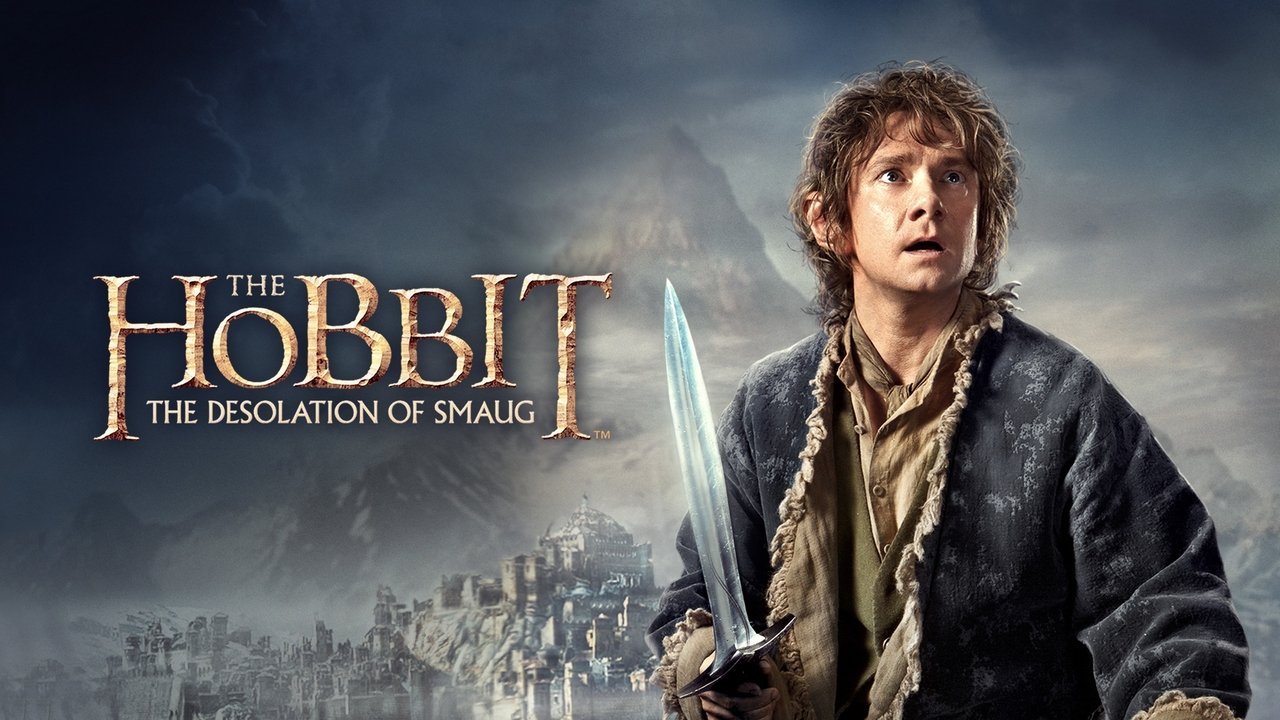
The real reason we all showed up, of course, was the dragon. For a movie titled after his desolation, Smaug takes his sweet time appearing, but when he does, the film levels up. Benedict Cumberbatch’s performance—both vocal and motion-capture—is a masterclass in making a pile of pixels feel sentient and arrogant.
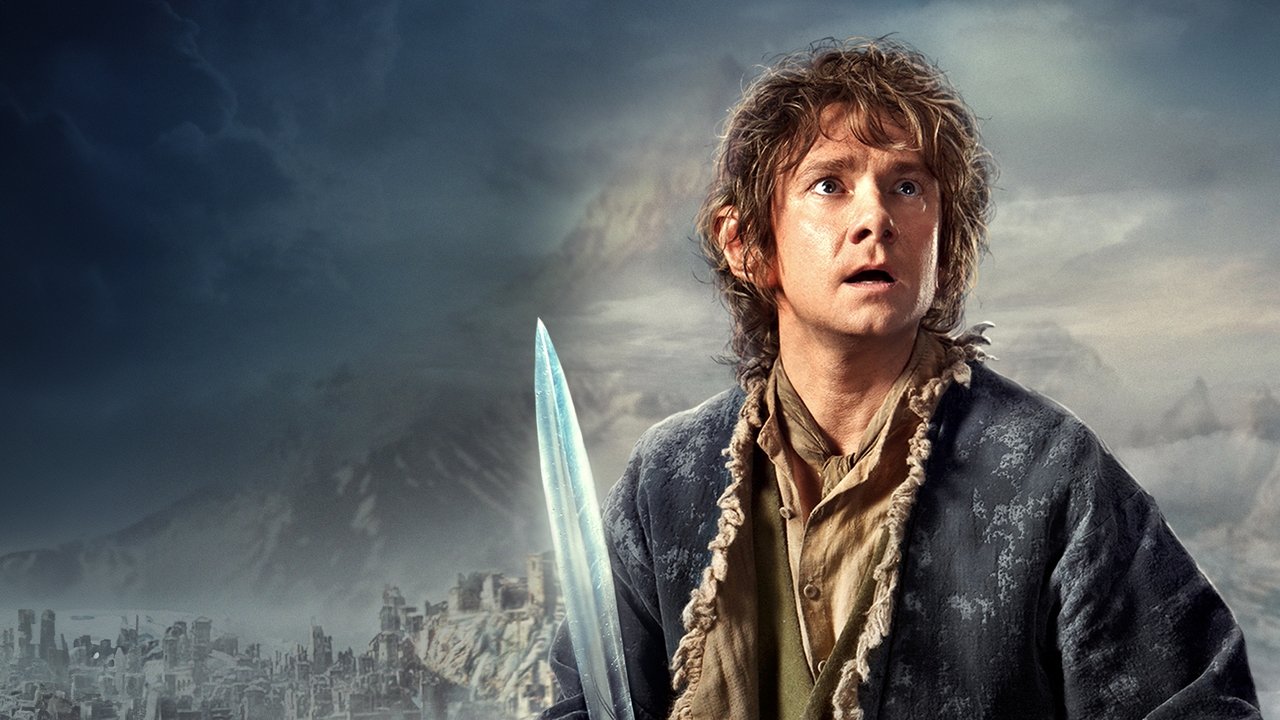
I’m still struck by how well the CGI has aged here. In an era where "Modern Cinema" was still figuring out how to make giant creatures interact with human actors, the scene between Martin Freeman’s Bilbo and Smaug is a highlight of the genre. Bilbo’s frantic, stuttering charm plays perfectly against Smaug’s booming, feline vanity. It’s a conversation that carries more tension than any of the sword fights. Weta Digital created a physics-based system just to handle the way the gold coins moved around the dragon’s body; apparently, they had to render millions of individual coins, which is the kind of "because we can" flex that defined the early 2010s blockbuster.
The Franchise Burden
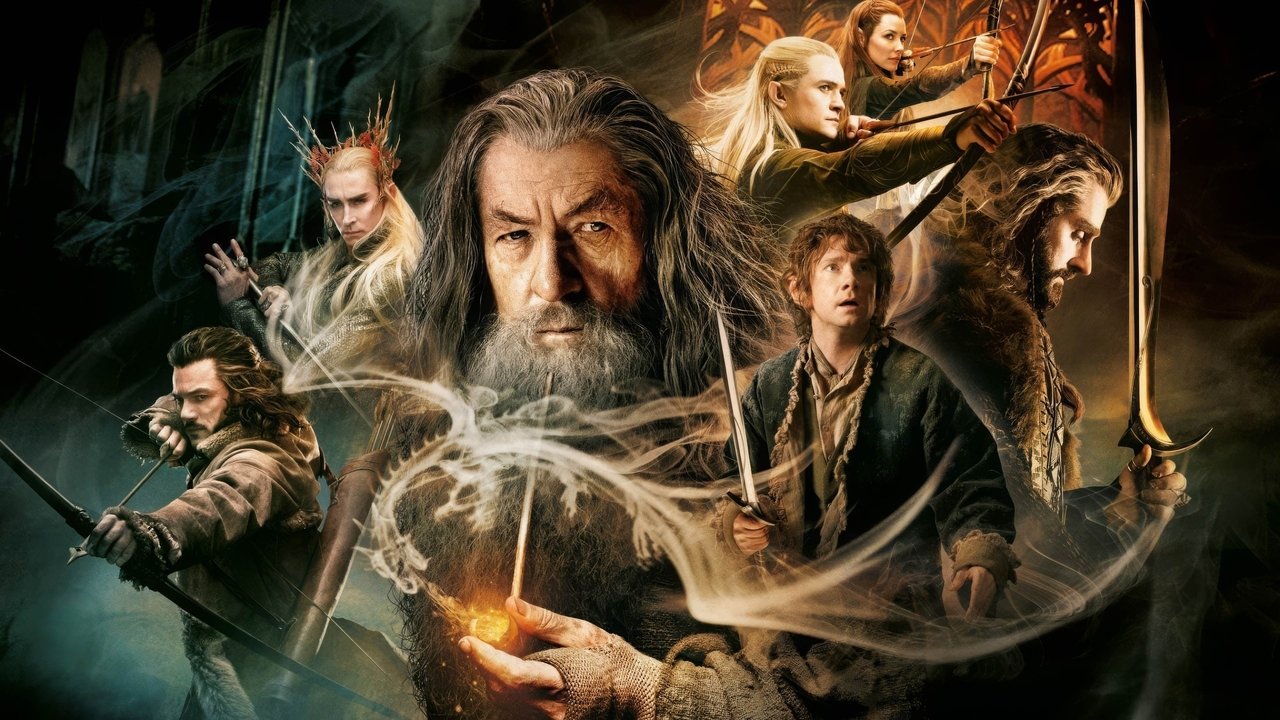
Looking back, you can see the corporate machinery of the 2010s starting to grind. The decision to stretch a single children's book into three massive films meant adding a lot of "connective tissue." This gives us the return of Orlando Bloom, who looks slightly more "digital" around the eyes than he did in 2001, and the introduction of Evangeline Lilly as Tauriel.
I don’t mind Tauriel as a character—Lilly brings a much-needed warmth to the stoic elven ranks—but the forced love triangle between an elf, another elf, and a dwarf is the cinematic equivalent of unflavored gelatin. It’s a sub-plot that feels like it was mandated by a studio spreadsheet rather than a storyteller’s heart.
Despite these bloat-related issues, the film was a colossal success, pulling in over $958 million worldwide. It dominated the cultural conversation for months, fueled by a massive marketing campaign and the curiosity surrounding the 48fps High Frame Rate (HFR) screenings. While the HFR was polarizing—some said it looked like a high-def soap opera—it showed Jackson’s obsession with pushing the technological envelope, for better or worse.
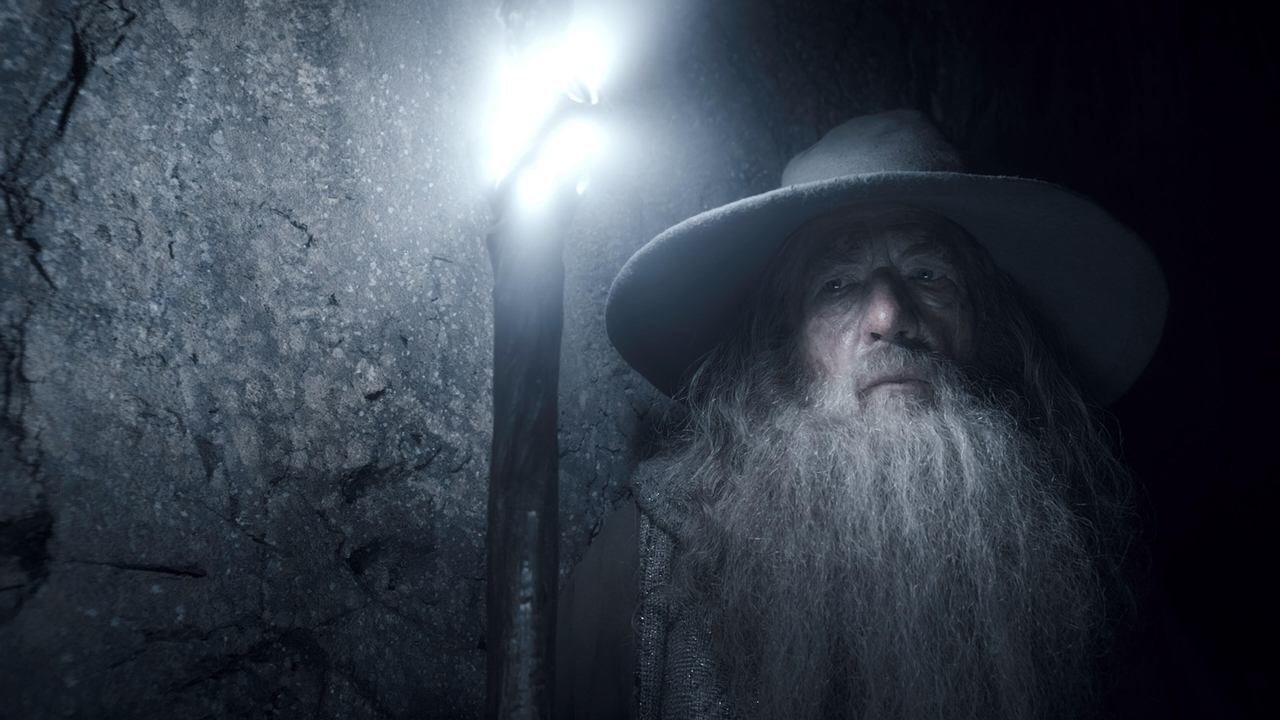
Ultimately, The Desolation of Smaug is a grand, flawed, and deeply entertaining spectacle. It represents the height of the "Second Middle-earth Era," where the technology was finally catching up to the imagination, even if the storytelling was getting a bit thin. Ian McKellen remains the soul of the series as Gandalf, and his side-quest into the ruins of Dol Guldur provides a spooky, atmospheric counterpoint to the dragon-slaying antics. If you can ignore the unnecessary sub-plots and the occasional "video game" feel of the action, there’s a magnificent adventure here that still demands the biggest screen you can find.
Keep Exploring...
-
The Hobbit: The Battle of the Five Armies
2014
-
The Hobbit: An Unexpected Journey
2012
-
The Lord of the Rings: The Two Towers
2002
-
The Lord of the Rings: The Fellowship of the Ring
2001
-

The Lord of the Rings: The Return of the King
2003
-

King Kong
2005
-
Avatar
2009
-

Puss in Boots
2011
-
How to Train Your Dragon 2
2014
-
Maleficent
2014
-
Pirates of the Caribbean: The Curse of the Black Pearl
2003
-

Pirates of the Caribbean: Dead Man's Chest
2006
-
Pirates of the Caribbean: At World's End
2007
-
The Lovely Bones
2009
-
The Mummy
1999
-

Night at the Museum
2006
-
Alice in Wonderland
2010
-
Thor
2011
-
Brave
2012
-
Rise of the Guardians
2012