The Host
"The invasion is over. The argument has just begun."
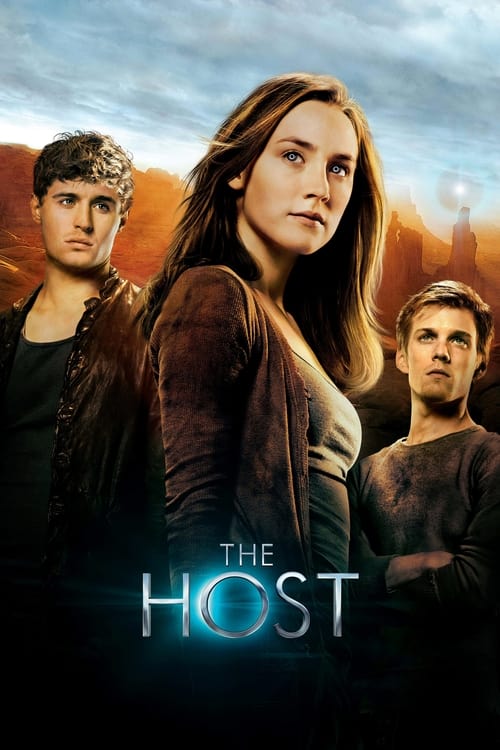
I watched this while recovering from a mild case of food poisoning from a suspicious fish taco, and honestly, the film’s sterile, white aesthetic felt like a weirdly soothing medical intervention. There is something profoundly calming about an alien invasion where the conquerors aren't blowing up the White House, but are instead focused on being exceptionally polite and driving very shiny cars.
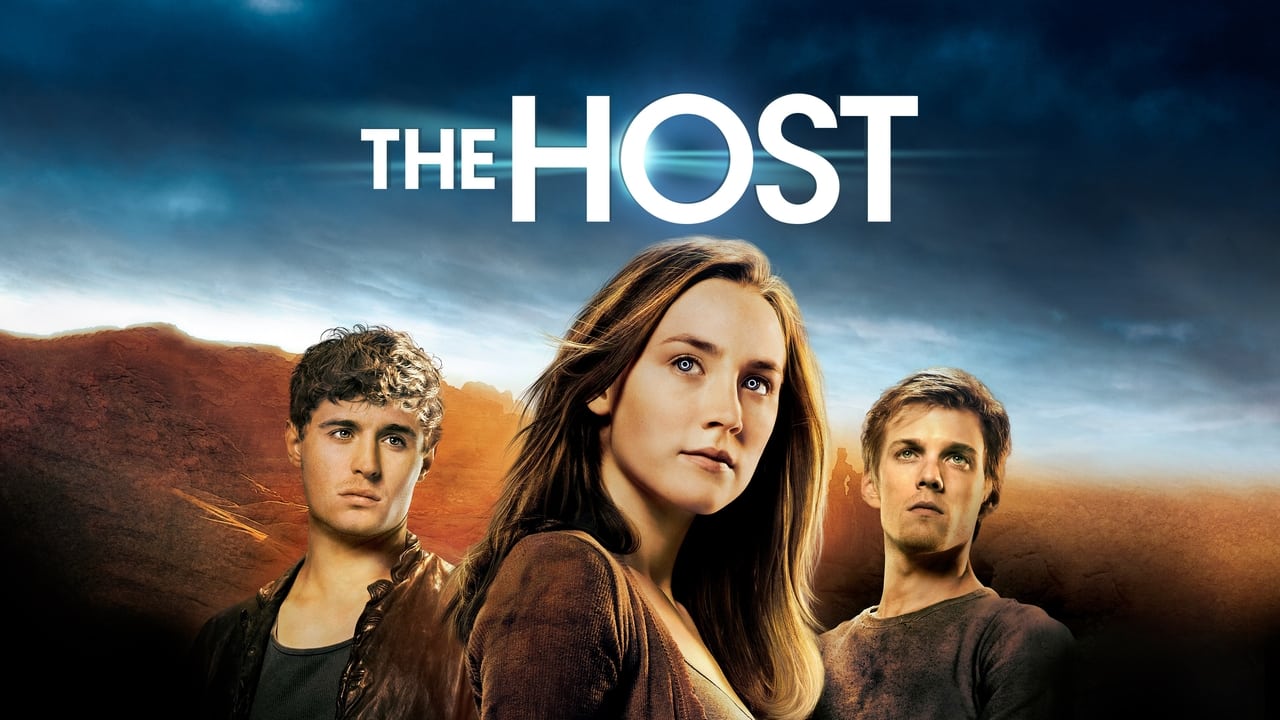
By 2013, the "Young Adult" adaptation craze was hitting a fever pitch. We were drowning in dystopian futures and supernatural triangles. But The Host is a weird, gleaming outlier. Based on the novel by Twilight scribe Stephenie Meyer, it should have been another teen-angst juggernaut. Instead, it’s a quiet, almost meditative sci-fi drama directed by Andrew Niccol, the man who gave us the clinical perfection of Gattaca (1997) and the high-concept satire of The Truman Show (1998). This pedigree creates a bizarre friction: Meyer wants a romance; Niccol wants a philosophical treatise on human identity. The result is a film that looks like a luxury car commercial but feels like a therapy session for a schizophrenic alien.
The Niccol Aesthetic and The Chrome Chase
If there’s one reason to revisit The Host, it’s the visual language. Andrew Niccol has a specific obsession with "clean" futures. In a decade where every sci-fi movie was obsessed with "gritty" post-apocalyptic dirt, The Host gives us a world that has been scrubbed behind the ears. The aliens—tiny, glowing, centipede-like "Souls"—have turned Earth into a peaceful utopia where nobody lies and everyone wears breathable linen.
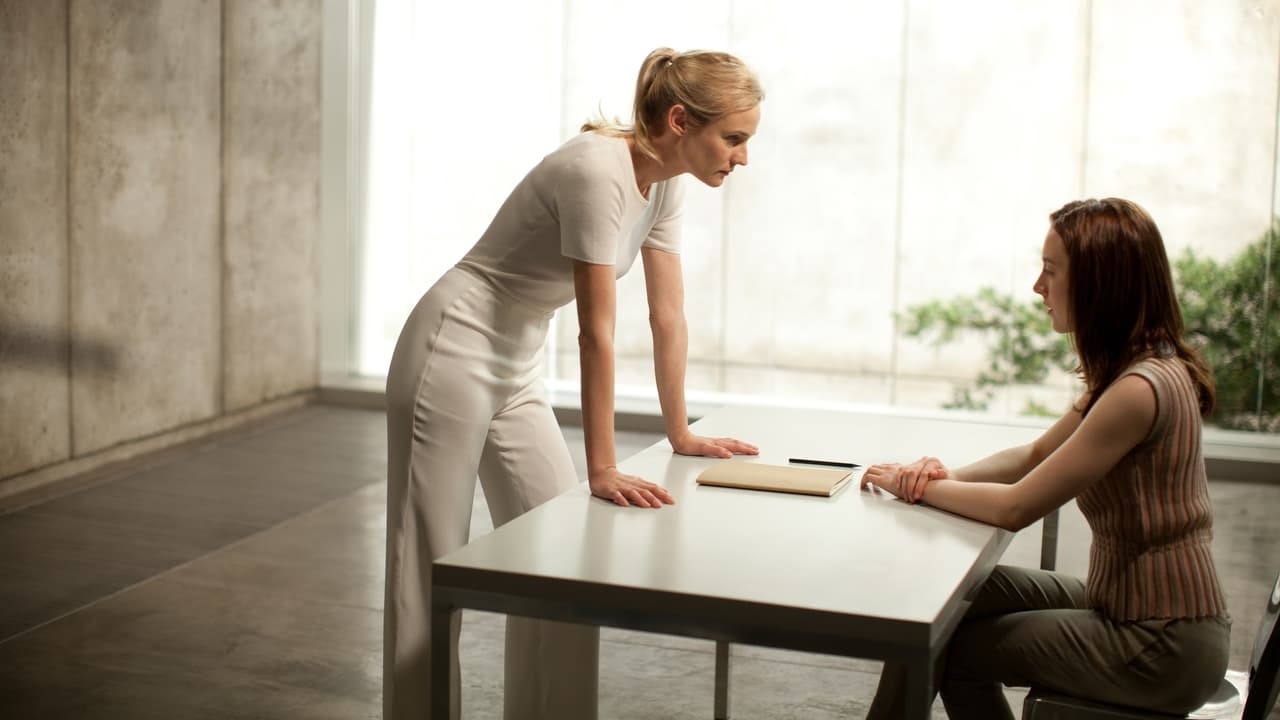
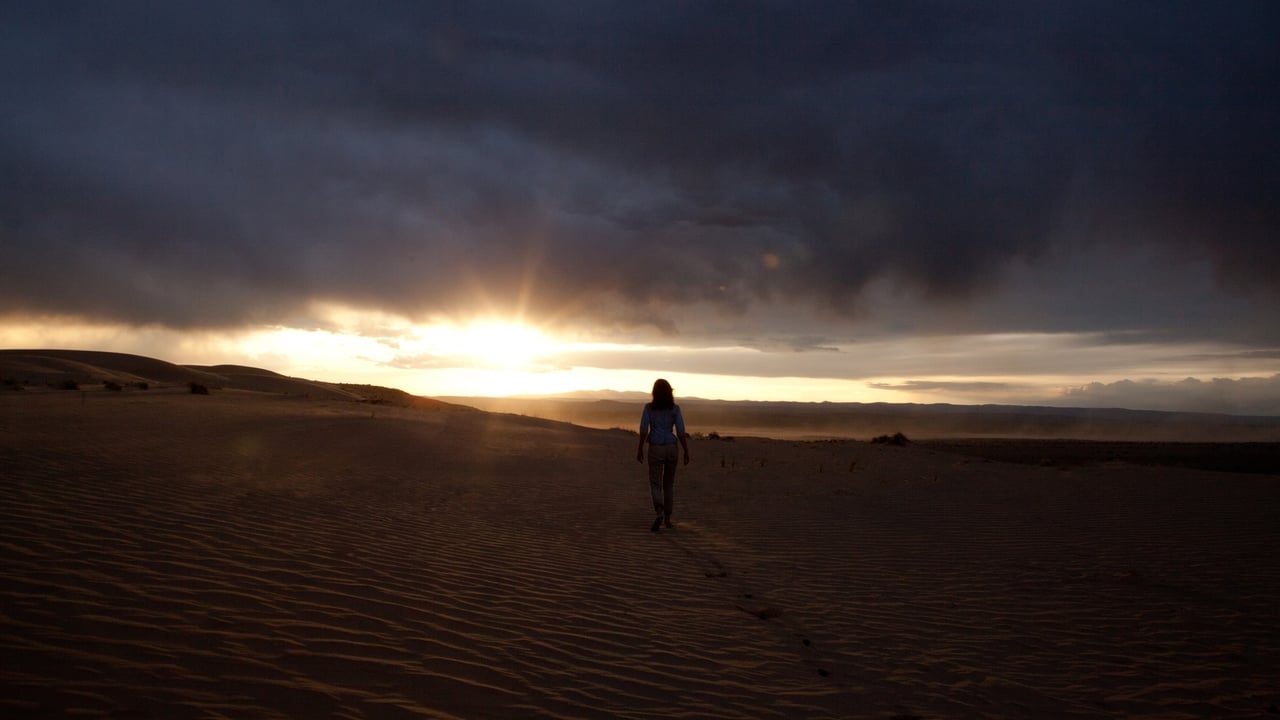
The action isn't about explosions; it's about momentum. The standout sequence involves a fleet of chrome-wrapped Lotus Evoras chasing our protagonist through the desert. Apparently, the camera crew hated those cars because the chrome finish acted like a giant mirror, constantly reflecting the boom mics and lighting rigs. To solve this, the production had to use clever angles and early digital "paint-outs" to keep the crew from appearing in every shot. When Diane Kruger, playing the icy "Seeker," pursues Saoirse Ronan across the New Mexico flats, the clarity of the cinematography by Roberto Schaefer (who shot Quantum of Solace) is genuinely refreshing. It’s action as high-fashion photography.
A Love Triangle with a Logistics Problem
The central hook is undeniably goofy, yet Saoirse Ronan (before she became an Oscar-season staple in films like Lady Bird) commits to it with terrifying intensity. She plays Melanie, a human rebel, and Wanda, the alien Soul inhabiting her body. Because Melanie’s consciousness refuses to fade, the two spend the entire movie arguing in voiceover.
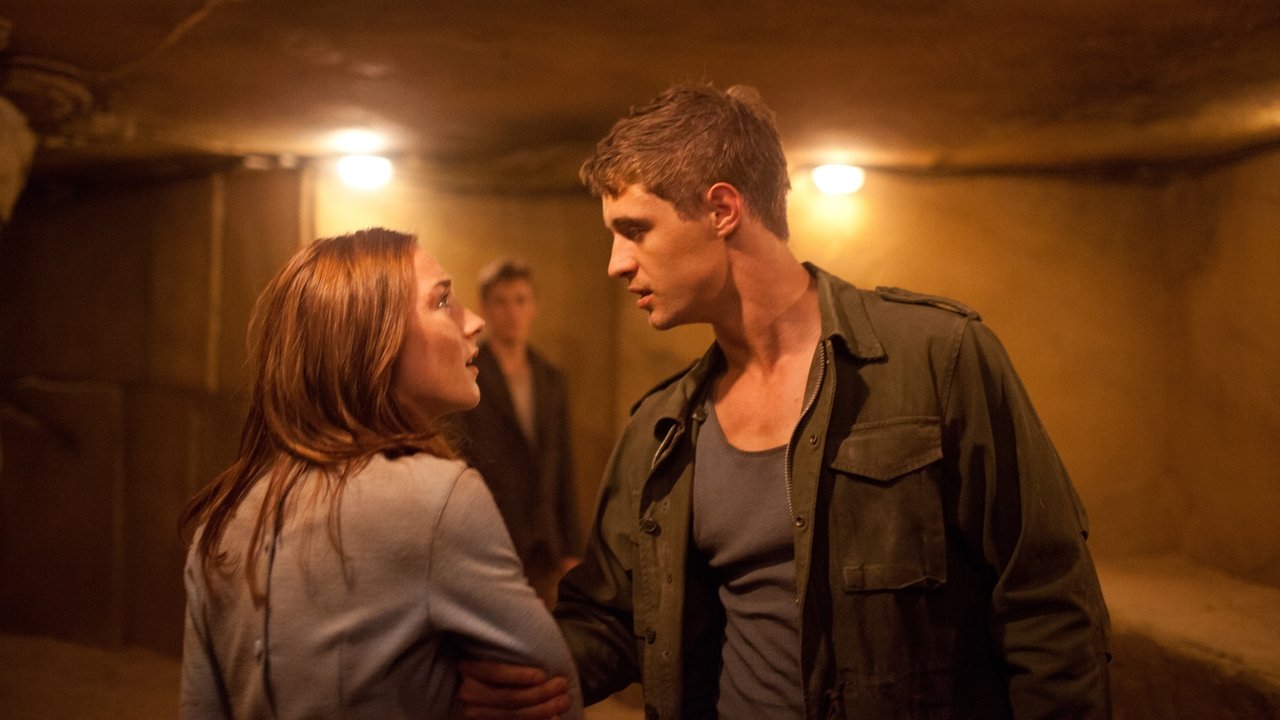
This leads to the most "2010s YA" plot point imaginable: a love triangle where two boys (Max Irons and Jake Abel) are in love with the same body, but different souls. Watching a girl kiss a guy, then get slapped by her own hand because her internal monologue is jealous, is the kind of accidental comedy I live for. I recall the DVD special features mentioning that Saoirse Ronan had to record her "Melanie" lines beforehand so she could listen to them through a tiny earpiece during filming. It’s a technical nightmare for an actor, but Ronan makes it work. She manages to make us care about a girl who is literally her own third wheel.
Stuff You Didn't Notice in the Desert
For a film that was largely dismissed as a Twilight knock-off, there’s a surprising amount of craft in the margins. The "Seekers"—the alien police force—move with a specific, rhythmic grace that was choreographed to feel just slightly "off" compared to human movement. Diane Kruger is fantastic here; she plays the Seeker like a high-end AI that’s starting to glitch.
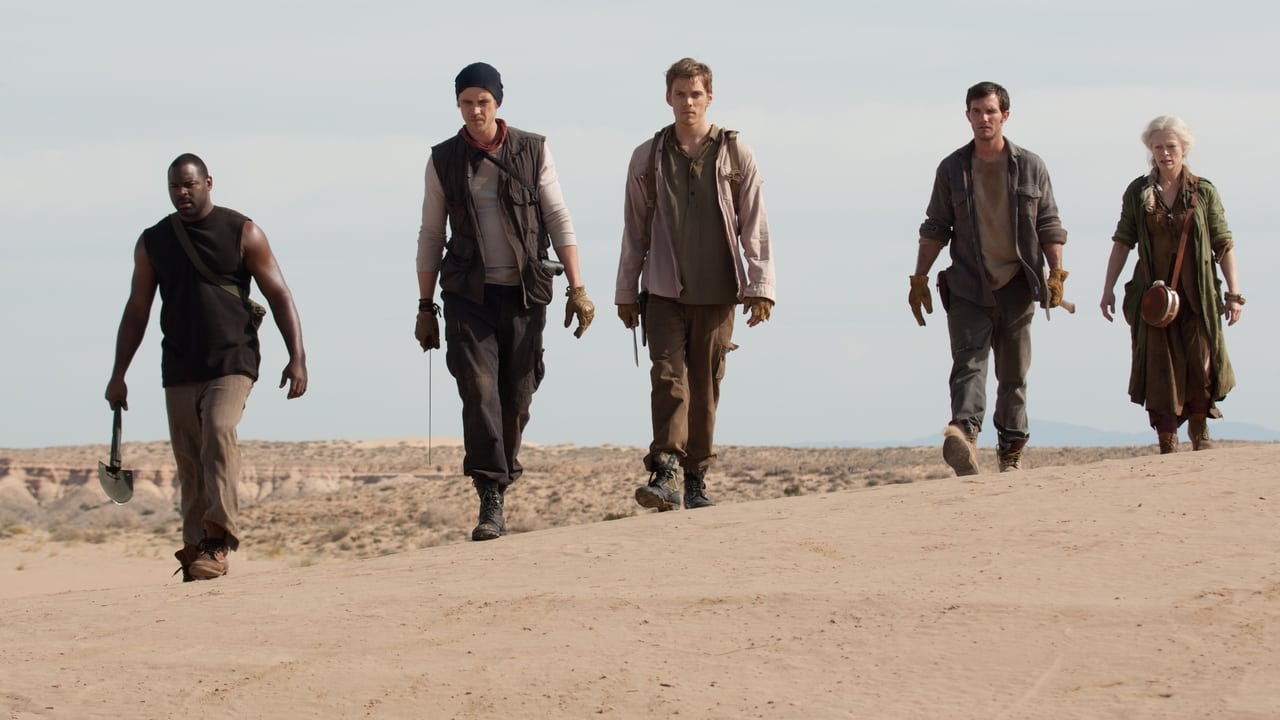
Then there’s the setting. While much of the film takes place in a desert cave hideout—led by a weathered William Hurt (bringing way more gravitas than this script arguably deserves)—the contrast between the jagged rocks and the sleek alien tech is striking. The silver contact lenses the actors had to wear were notorious on set; they were so thick that the "Souls" could barely see, which actually helped create that vacant, otherworldly stare. It’s a practical effect that has aged much better than the CGI "Souls" themselves, which look a bit like glowing pipe cleaners.
The Host is actually just Gattaca with a teenage heartbeat and better fuel efficiency. It’s a cult oddity because it refuses to be a "normal" action movie. There are no grand battles for the fate of the planet, just a quiet struggle to see if two species can share a single brain without driving each other crazy.
Ultimately, The Host is a fascinating failure that’s more interesting than most successes. It captures that specific 2013 transition where digital cinematography was becoming hyper-crisp, yet directors like Niccol were still trying to tell human-centric stories. It’s a movie that asks big questions—Can you love a soul without a body?—and then answers them with a scene where someone tries to hide an alien in a thermos. It's weird, it's beautiful to look at, and it’s a perfect five-minute distraction for anyone who misses the era of big-budget, high-concept "what-if" cinema.
Keep Exploring...
-
In Time
2011
-
The Incredible Hulk
2008
-
I Am Number Four
2011
-
Journey to the Center of the Earth
2008
-

Star Wars: The Clone Wars
2008
-
9
2009
-
Hanna
2011
-
Babylon A.D.
2008
-
Jumper
2008
-

G.I. Joe: The Rise of Cobra
2009
-
Push
2009
-

X-Men Origins: Wolverine
2009
-
TRON: Legacy
2010
-

Captain America: The First Avenger
2011
-

Battleship
2012
-
John Carter
2012
-

Ender's Game
2013
-

G.I. Joe: Retaliation
2013
-
Man of Steel
2013
-
Oblivion
2013