The Hunger Games: Catching Fire
"A rare sequel that trades teenage angst for the cold, hard weight of revolution."
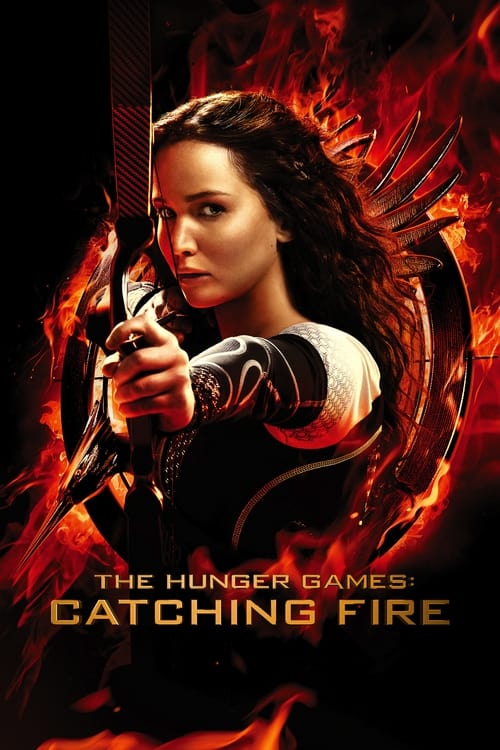
I remember watching The Hunger Games: Catching Fire for the first time in a theater where my sister was trying to eat a piece of spinach-heavy spanakopita during the quietest moment of the Victory Tour. The crunch was so loud it felt like a gunshot in a library, and honestly, that jolt of anxiety perfectly matched the mood on screen. While the first film was a scrappy, handheld survival thriller that introduced us to the world of Panem, Catching Fire is where the franchise grew up, put on its heavy-duty combat boots, and started asking much darker questions about what it means to be a symbol.

From Shaky Cam to Cinematic Grandeur
The most immediate shift from the 2012 original is the visual language. Director Francis Lawrence (no relation to the lead) took over the reins from Gary Ross, and he ditched the "shaky cam" aesthetic for something far more stable and expansive. It was a necessary evolution. In retrospect, the first film felt like it was trying to hide its budget constraints; Catching Fire feels like it’s flaunting its $130 million chest. Every frame feels deliberate, from the brutalist architecture of the Capitol to the sweeping, IMAX-filmed vistas of the arena.
What I find most impressive about this middle chapter is how it manages the transition from a "teen movie" to a political thriller. The script, co-written by Michael Arndt and Simon Beaufoy, understands that the real horror isn't just kids fighting in a jungle—it’s the psychological toll of being a puppet for a fascist regime. Jennifer Lawrence is at the absolute height of her powers here. Fresh off her Oscar win, she brings a grounded, simmering PTSD to Katniss Everdeen that makes every "public appearance" feel like a walk through a minefield. When she looks at Donald Sutherland's President Snow, you can feel the air leave the room. Sutherland is a marvel of quiet malice; he doesn't need to yell to make you want to hide under your seat.
The Heavy Hitters in the Wings
This was the era of the "Young Adult" explosion, where every studio was hunting for the next Twilight or Harry Potter. Most of those films suffered from a lack of gravitas in their supporting ranks, but Catching Fire went the opposite direction by hiring every powerhouse character actor available. The addition of the late Philip Seymour Hoffman as Plutarch Heavensbee was a stroke of genius. He brings a chess-player’s intellect to the role, making you constantly question his loyalties.
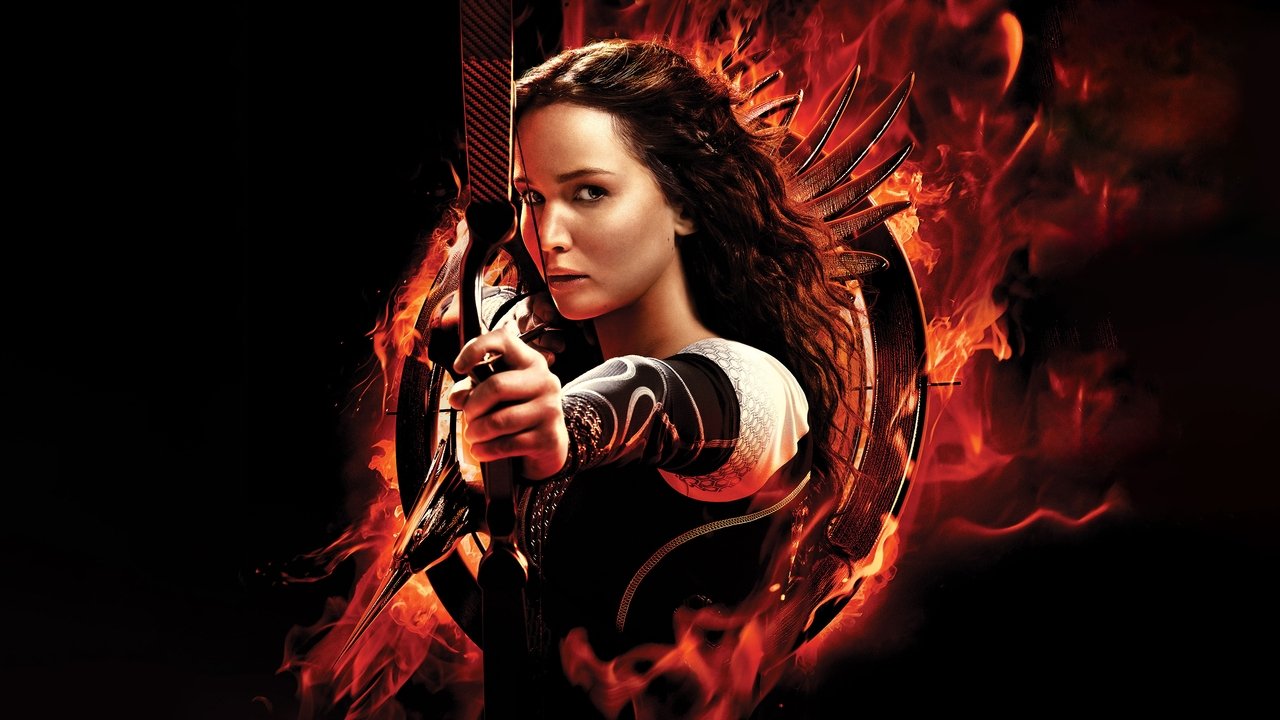
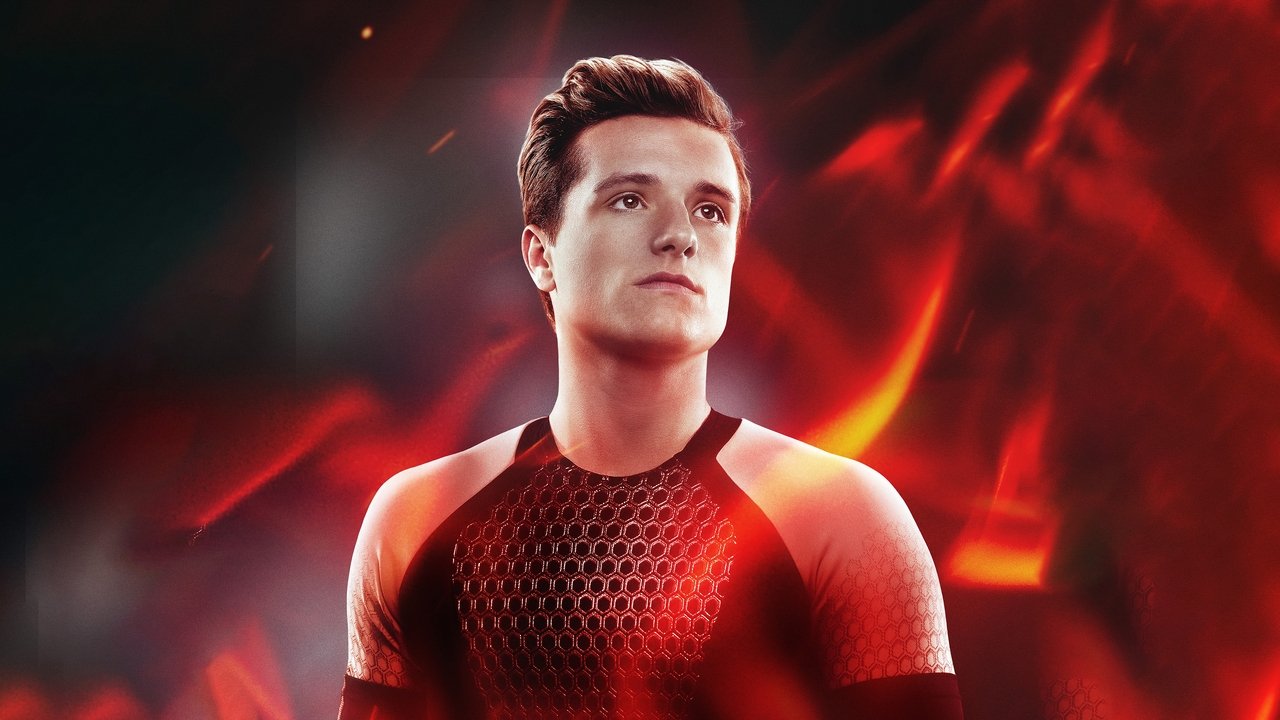
Then there are the new Tributes. Sam Claflin as Finnick Odair and Jena Malone as Johanna Mason could have easily been one-dimensional rivals, but they both possess a jagged edge that suggests a lifetime of trauma. Johanna’s elevator scene—where she casually strips down just to annoy Josh Hutcherson’s Peeta—remains a highlight for its sheer "I don't give a damn" energy. The love triangle between Katniss, Peeta, and Gale is basically a distraction for people who find systemic oppression too stressful to focus on, but even that feels more earned here because the stakes aren't just about who gets the girl—they're about who survives the fallout.
The Clockwork Carnage
When we finally get to the Games—the "Quarter Quell"—the action choreography is leagues ahead of the predecessor. The arena is designed as a giant clock, with a new horror unleashed every hour. It’s a brilliant narrative device that keeps the momentum from sagging. The practical effects and stunt work feel remarkably physical; when the Tributes are spinning on the Cornucopia platform, you can see the genuine disorientation on the actors' faces. Apparently, Jennifer Lawrence even went partially deaf in one ear for six days because of a high-pressure water jet during filming. That’s the kind of commitment that translates into a palpable sense of danger on screen.
The sound design also deserves a shout-out. The "Jabberjays" sequence, where Katniss and Finnick are bombarded by the screams of their loved ones, is a sonic nightmare that hits harder than any explosion. It’s a reminder that this franchise succeeded because it took its audience’s intelligence and emotions seriously. It didn't just give us a "cool" action movie; it gave us a story about the cost of resistance.
Looking back from a decade away, Catching Fire remains the gold standard for blockbuster sequels. It doubled the first film's budget and nearly matched it in cultural footprint, pulling in over $865 million worldwide. It wasn't just a hit; it was a phenomenon that managed to stay relevant even as the YA trend eventually curdled into parody. It’s a film that knows exactly what it is: a bridge to a revolution that feels as inevitable as it is terrifying.
The film ends on one of the most effective close-ups in modern cinema history—a transformation of grief into pure, unadulterated rage. It’s the perfect cliffhanger because it doesn't just ask "what happens next," but "how will she burn it all down?" Even knowing how the story ends, I find myself drawn back to this specific chapter for its perfect balance of spectacle and soul. It’s a blockbuster with a brain, a rare feat that still holds its fire all these years later.
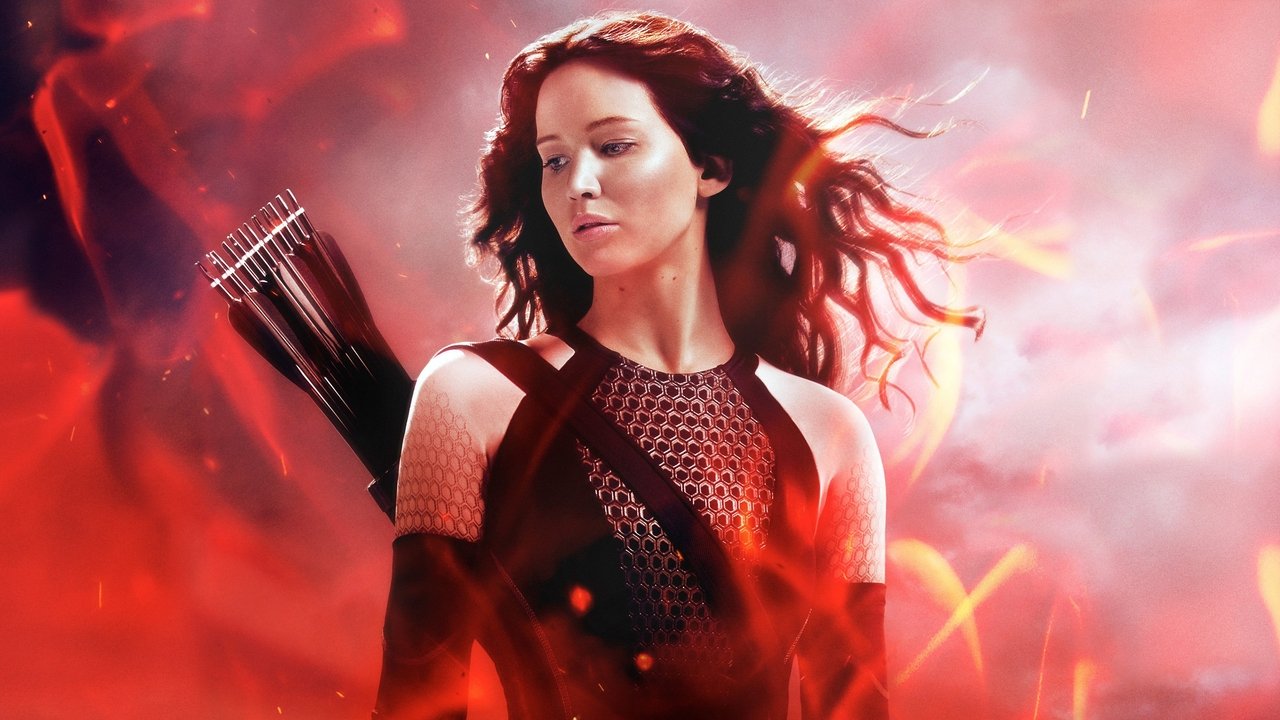
Keep Exploring...
-
The Hunger Games: Mockingjay - Part 1
2014
-
The Hunger Games: Mockingjay - Part 2
2015
-
The Hunger Games
2012
-
Iron Man
2008
-
Avatar
2009
-
Inception
2010
-
The Amazing Spider-Man
2012
-

The Avengers
2012
-
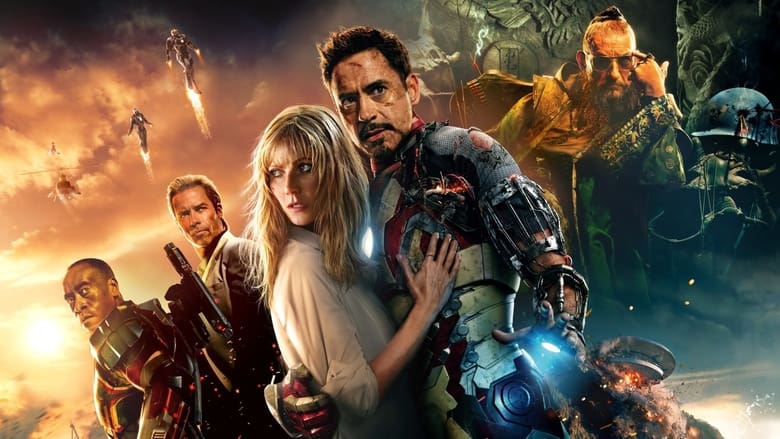
Iron Man 3
2013
-
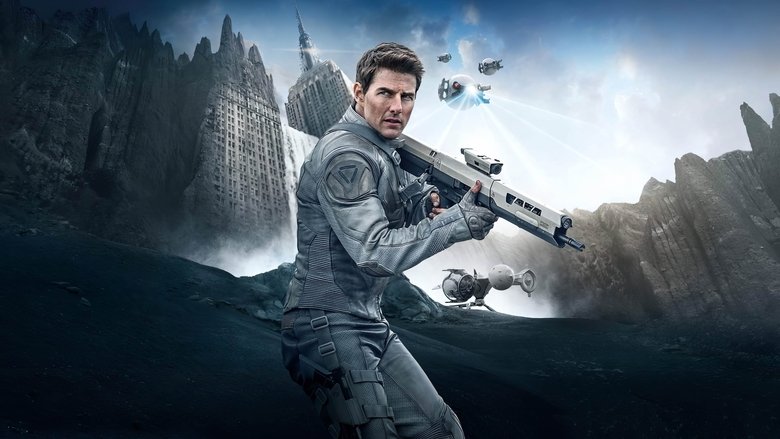
Oblivion
2013
-
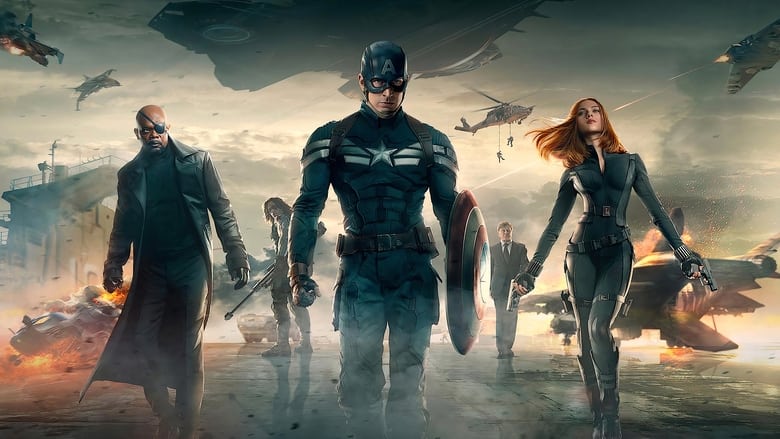
Captain America: The Winter Soldier
2014
-

Guardians of the Galaxy
2014
-

Captain America: The First Avenger
2011
-
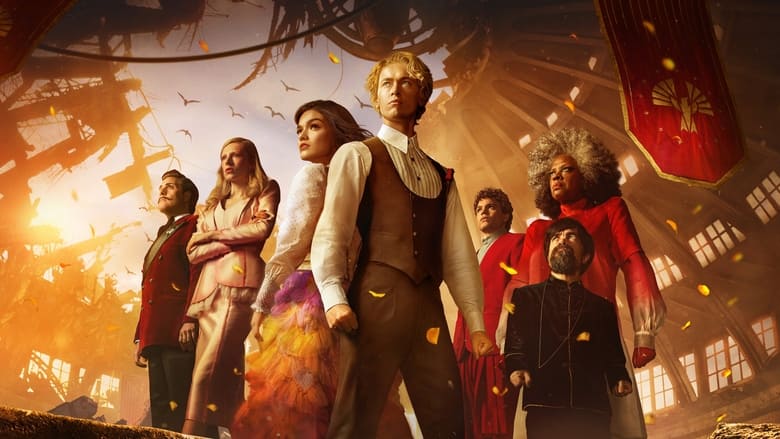
The Hunger Games: The Ballad of Songbirds & Snakes
2023
-
Total Recall
1990
-
Stargate
1994
-
Independence Day
1996
-
Men in Black
1997
-

The Lost World: Jurassic Park
1997
-
Armageddon
1998